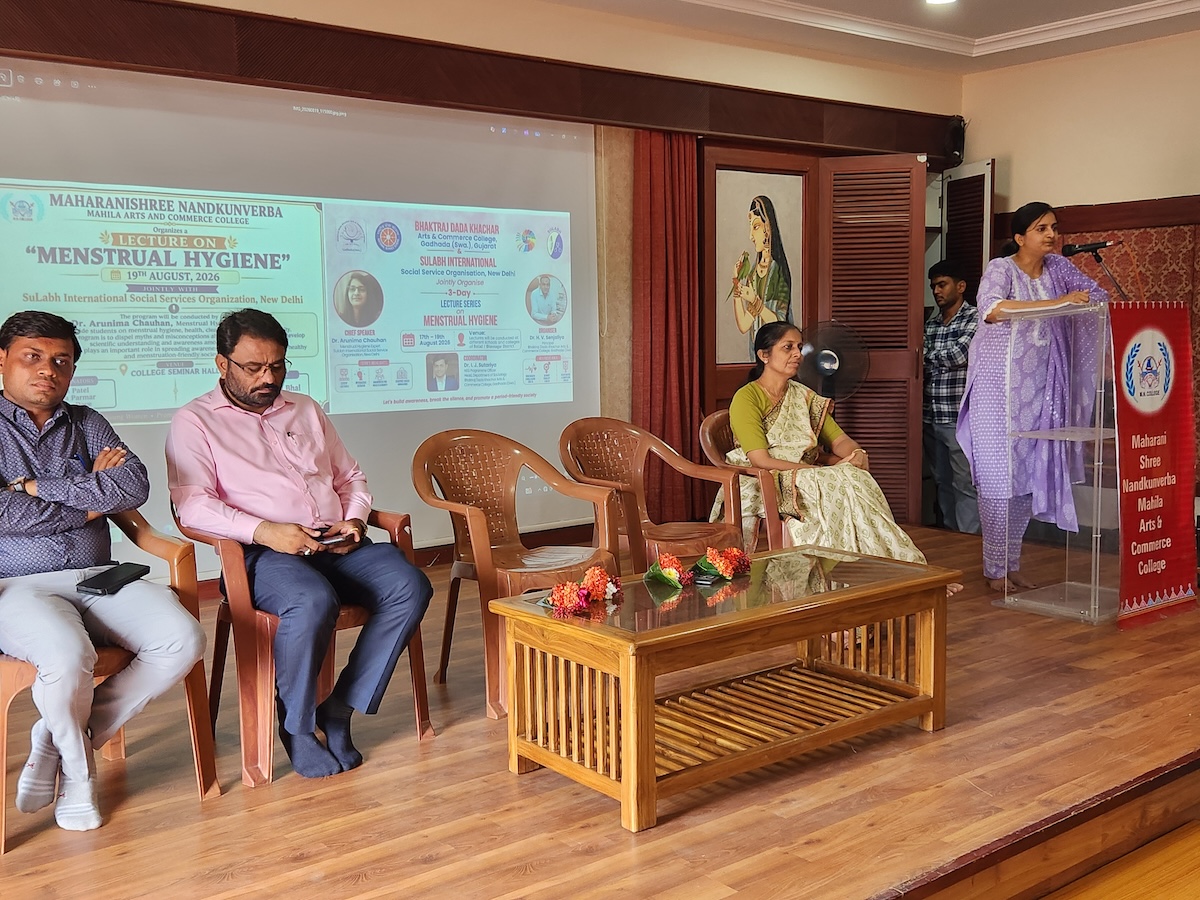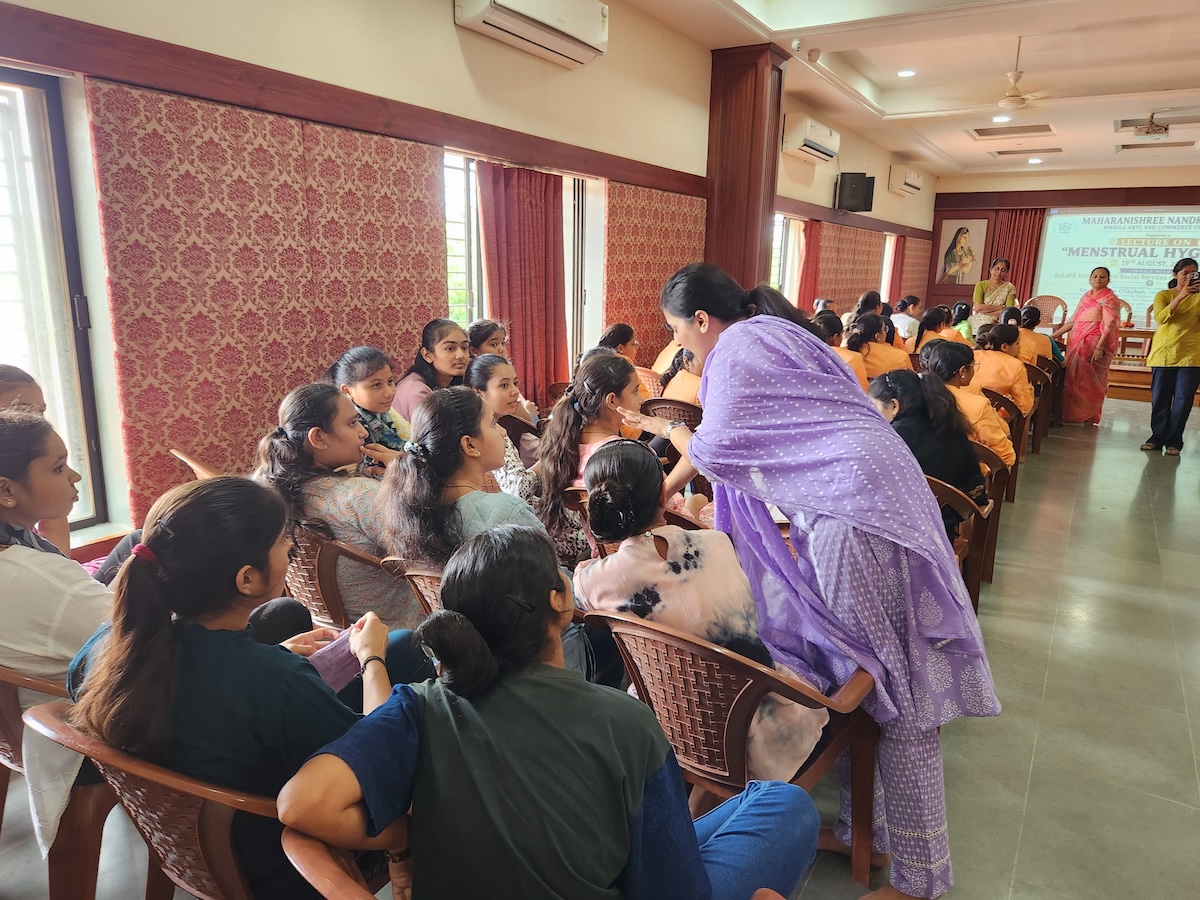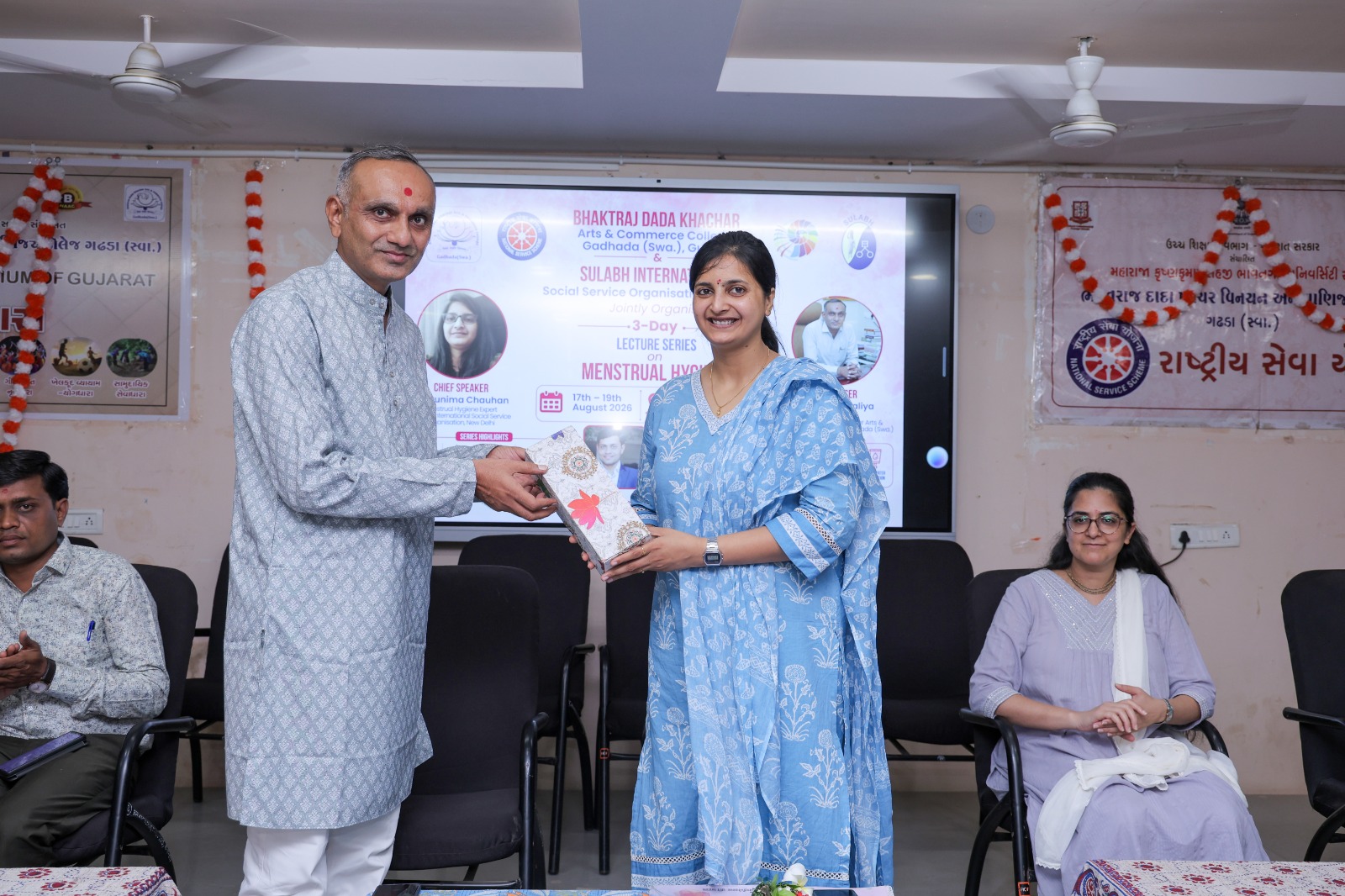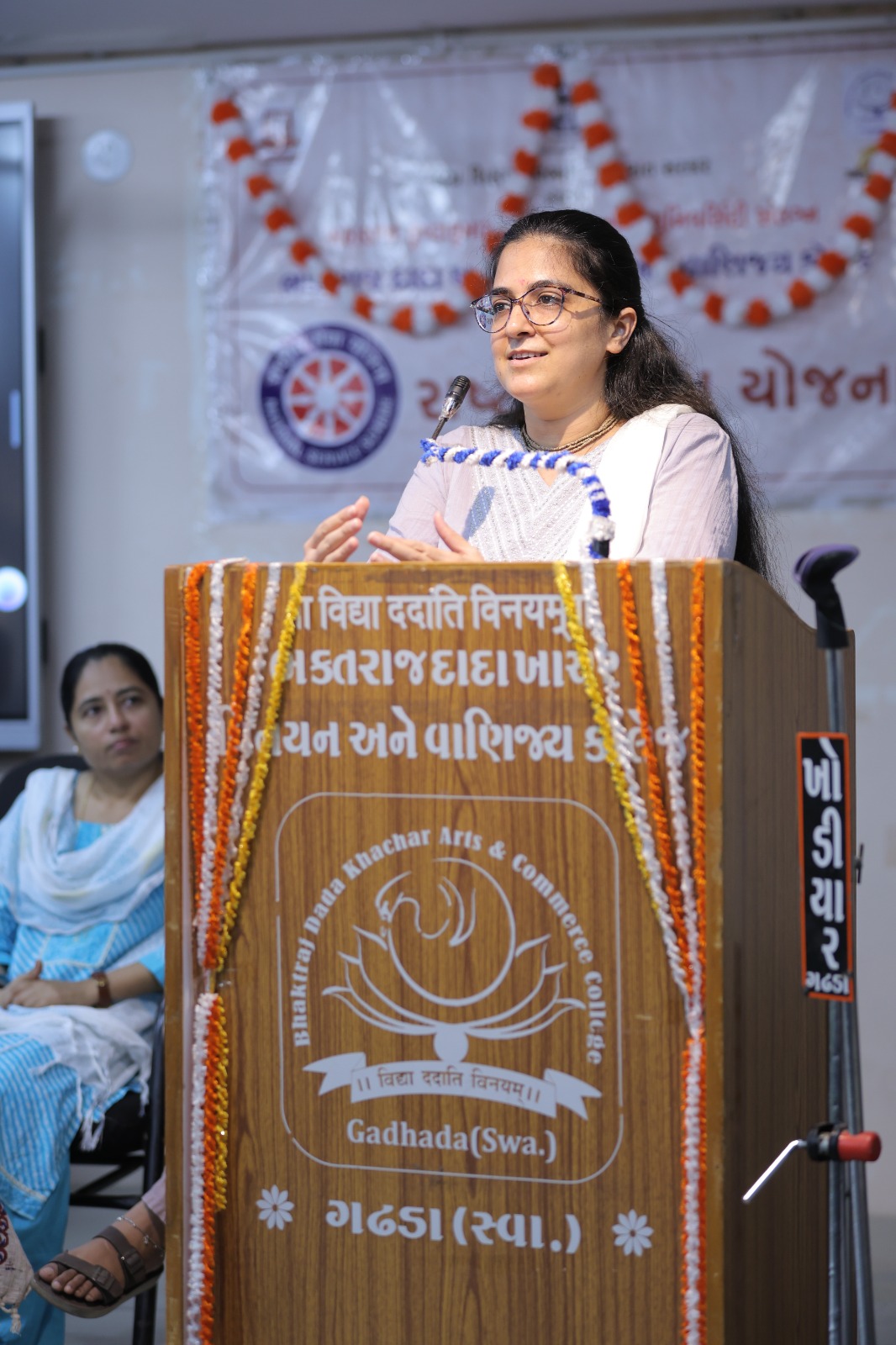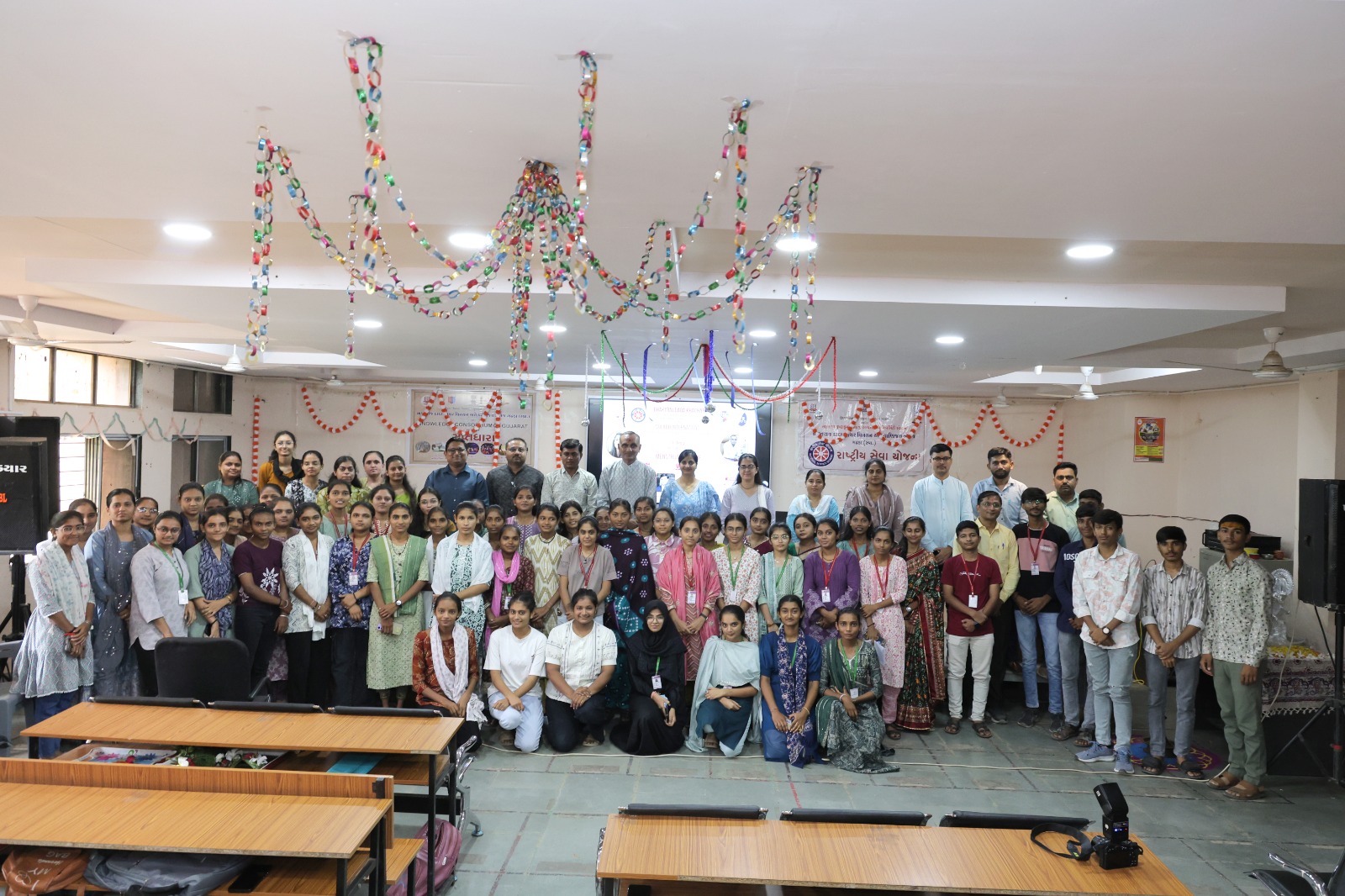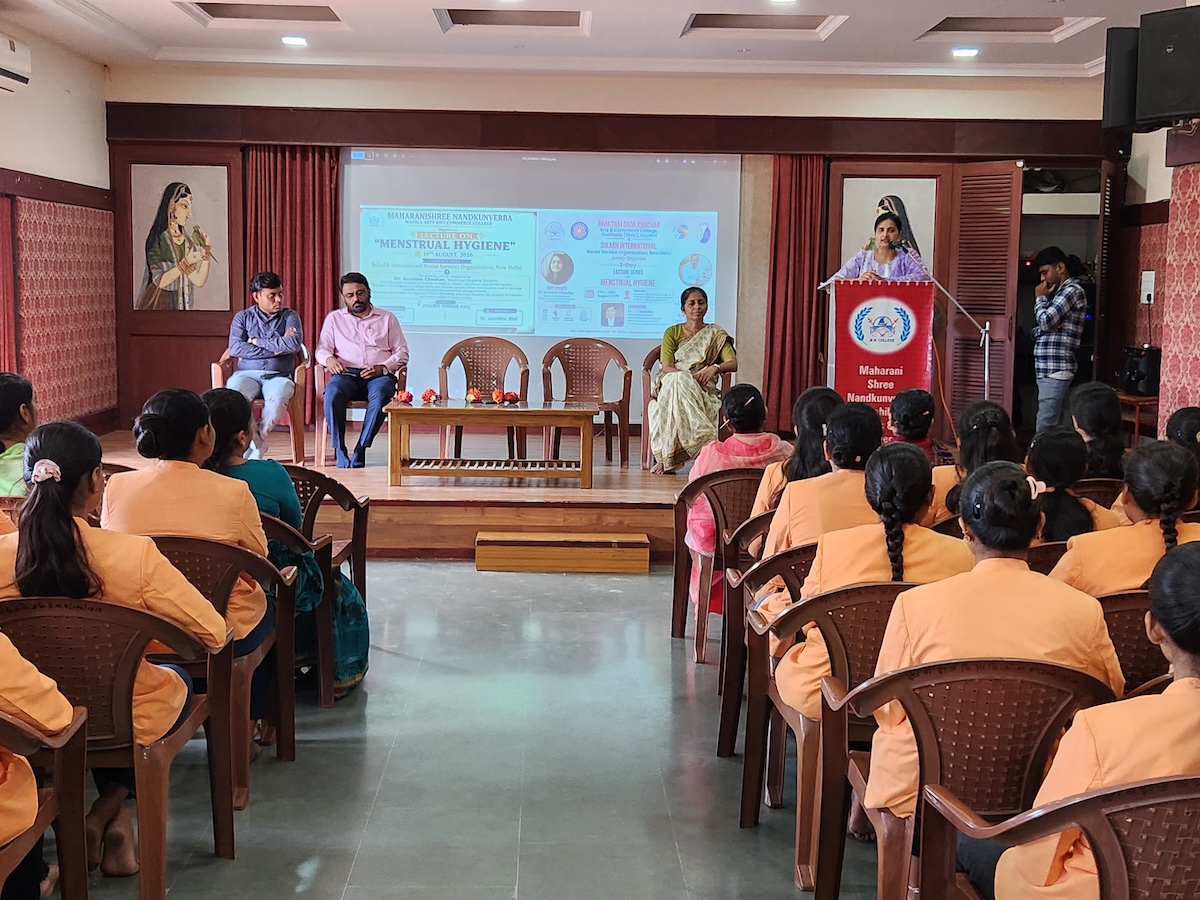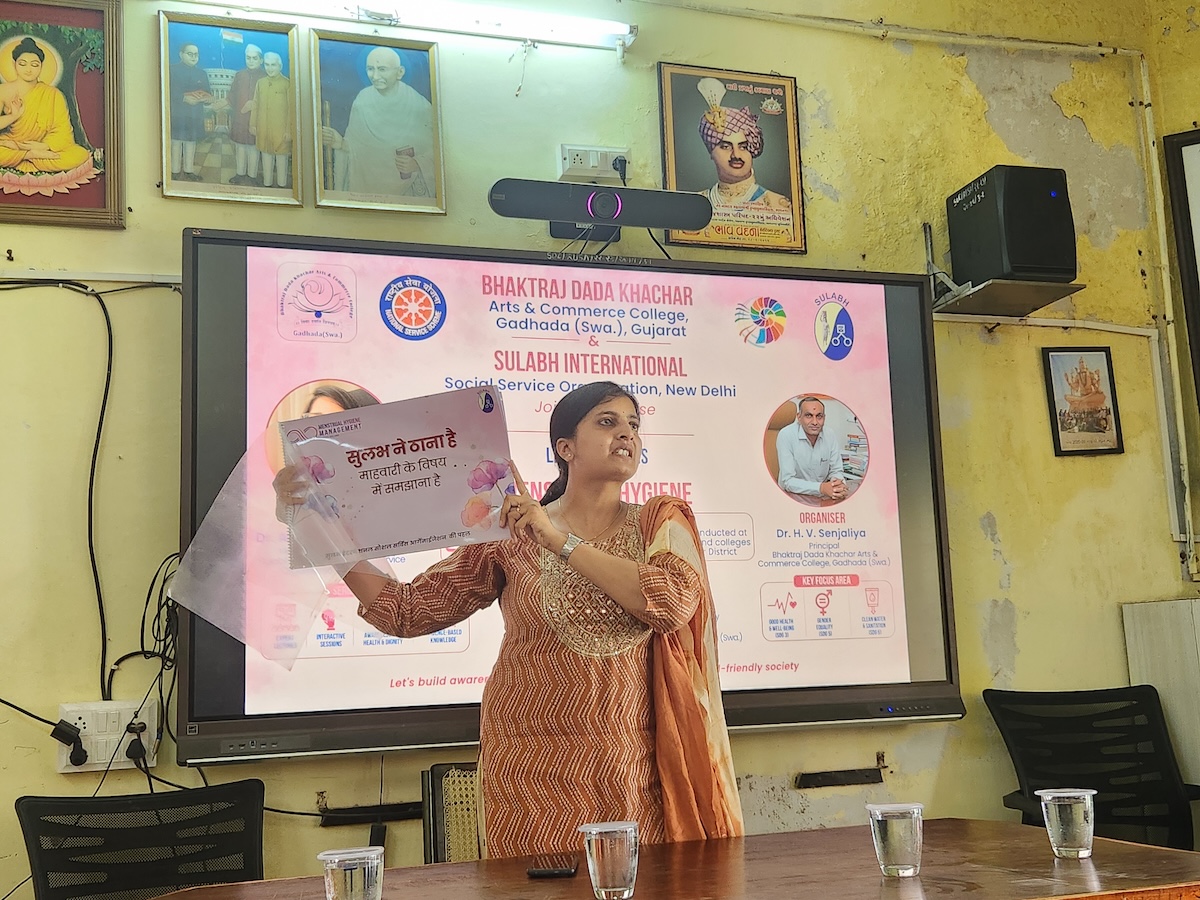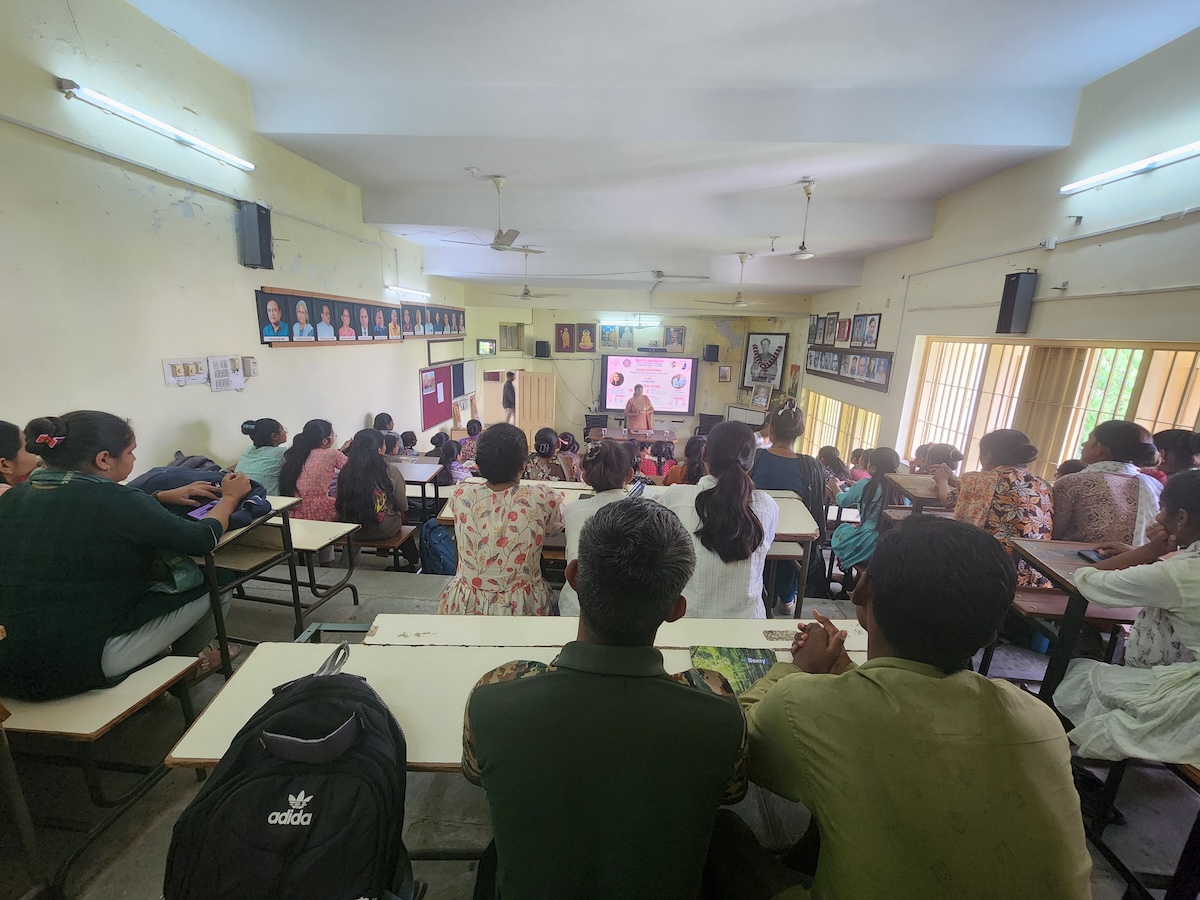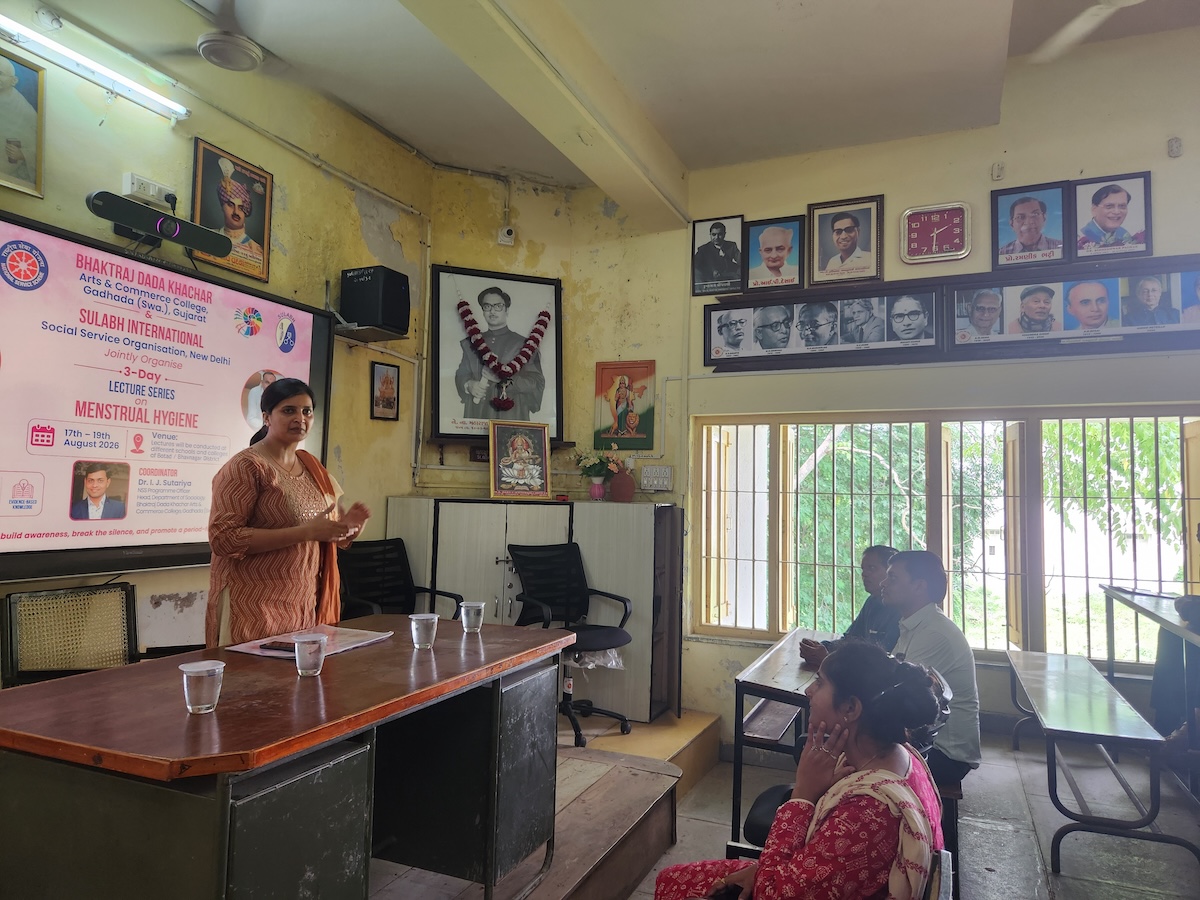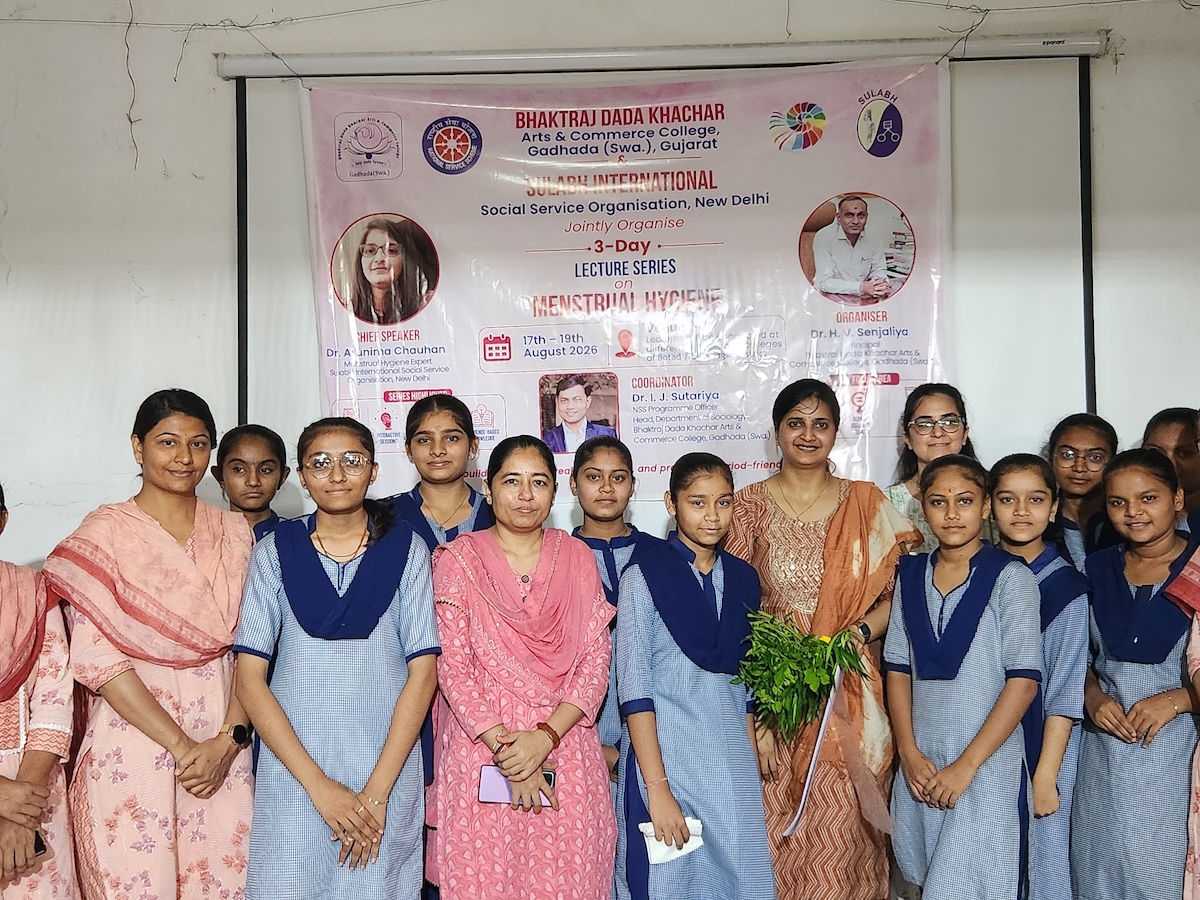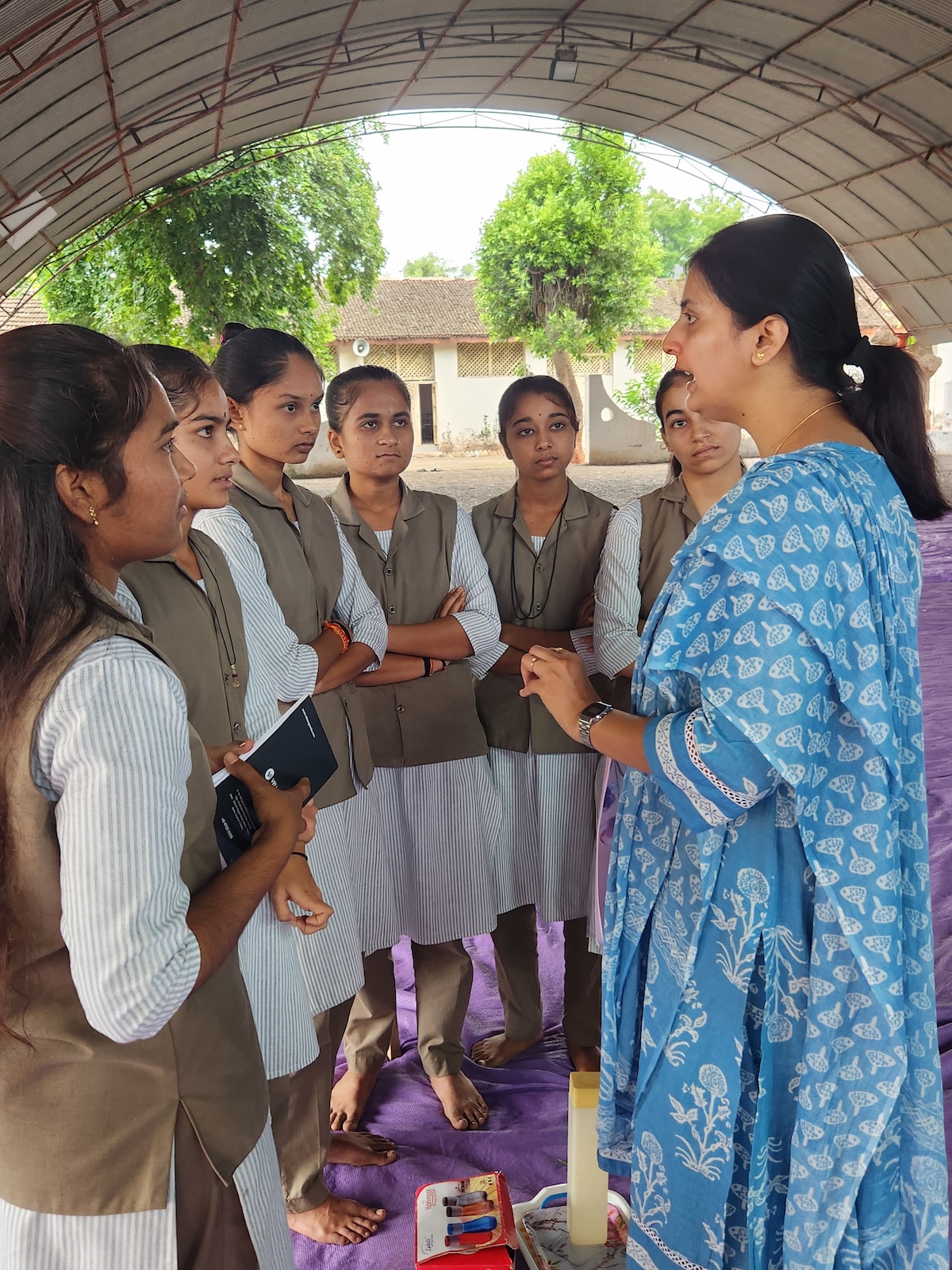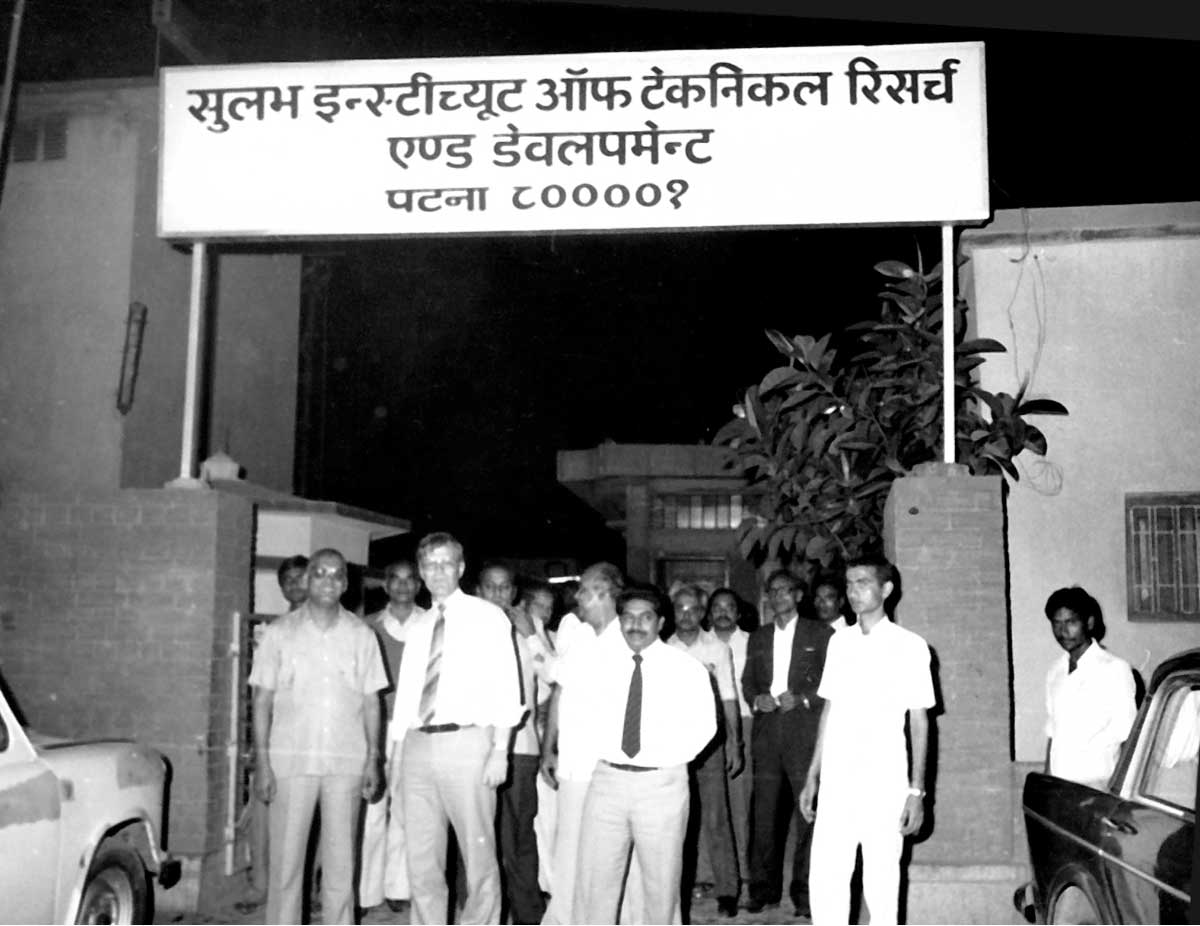
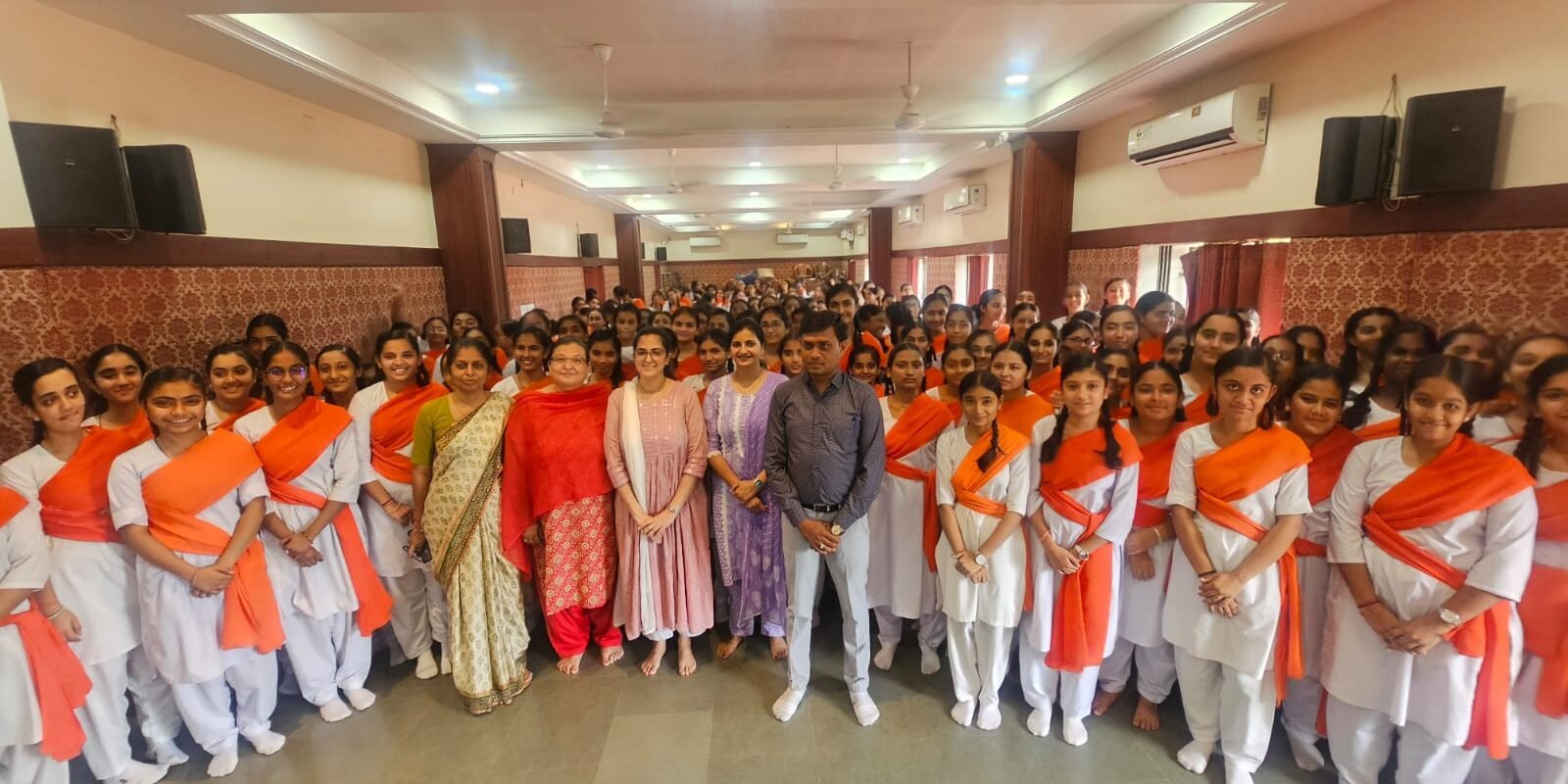
Sulabh International, in collaboration with Bhaktraj Dada Khachar Arts and Commerce College, Gadhada, Gujarat, recently conducted a three-day series of menstrual health and hygiene awareness sessions across schools and colleges in the Bhavnagar and Botad districts of Gujarat.
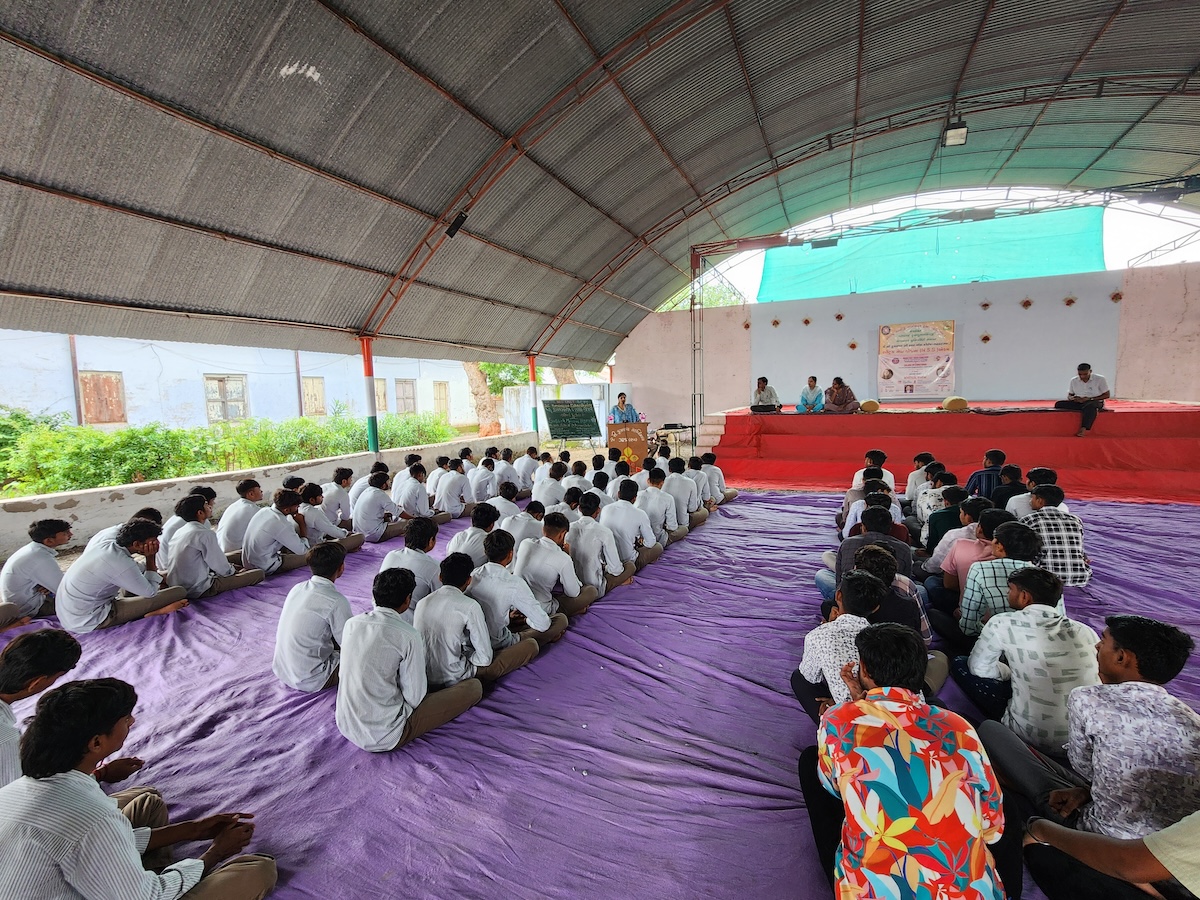
Over three days, Dr Arunima Chauhan and Ms. Dipti Julka from Sulabh International and Prof. I. J. Sutariya from BDK College reached out to more than 1,600 students through awareness sessions conducted in two schools, three colleges, and one university department. Sessions were conducted with both adolescent girls and boys. The sessions created a safe space for open, respectful, and informed conversations around menstruation.
Each session was designed uniquely, shaped by the questions students raised — ranging from menstrual hygiene management (MHM), menstrual health, puberty, and reproductive health to menstrual cramps, irregular periods, sanitary products, myths and misconceptions, period stigma, and the need for supportive environments at home and in educational institutions.
The sessions demystified the notion that menstruation is merely a “girls’ issue”; it is a normal biological process and a matter of health, dignity, education, and human rights. Creating awareness among boys is equally important so that they become informed friends, brothers, classmates, future partners, and allies in building a more understanding society.
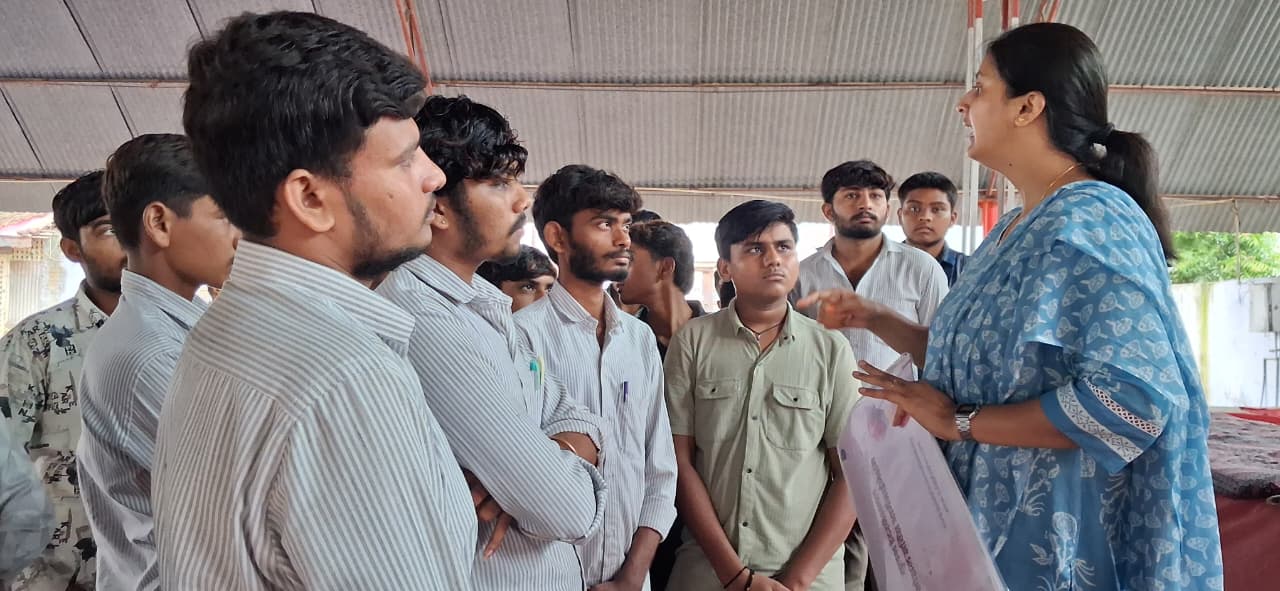
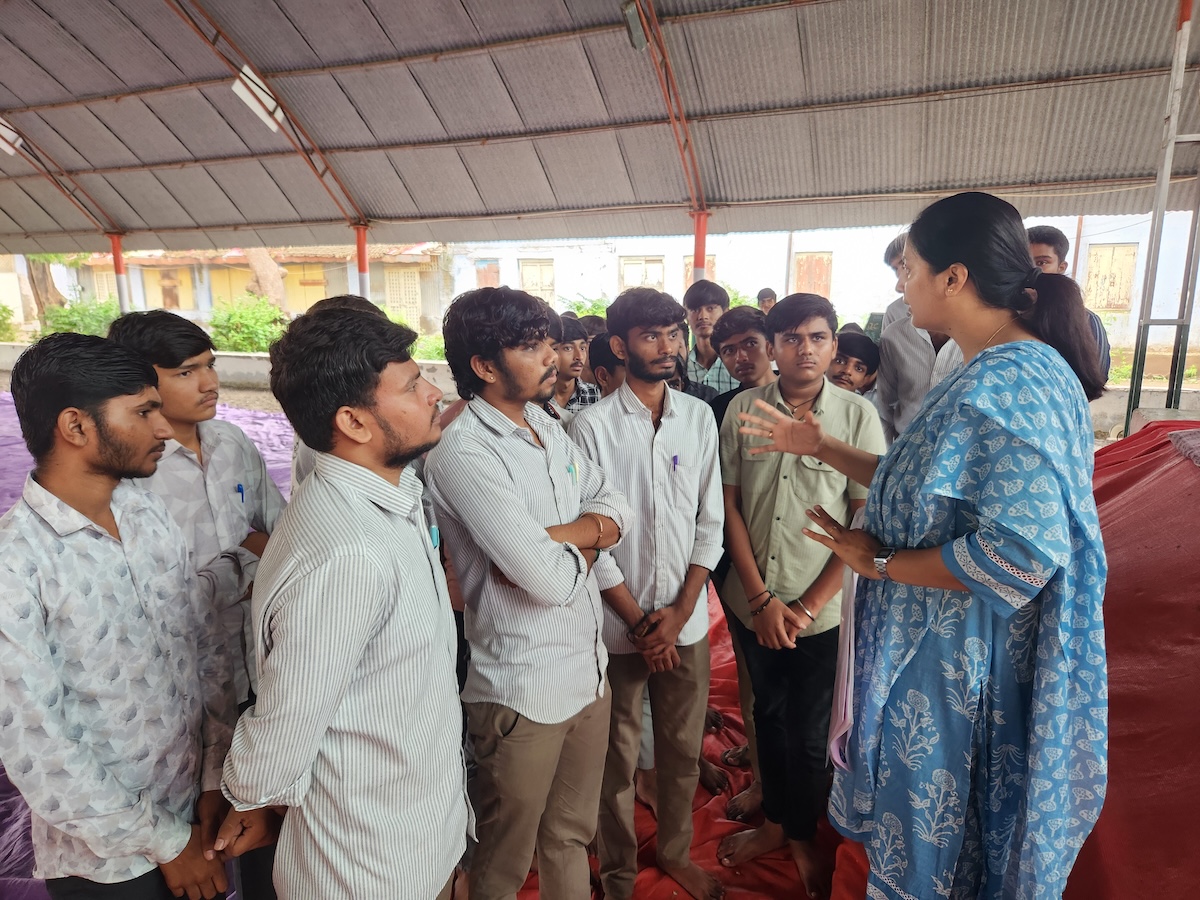
One session at J. C. Kumarappa College, Gadhada, stood out, as the number of boys exceeded the participation of girls. This time, it was the boys who raised queries on the subject, and the gender composition itself offered an insightful reflection on how menstrual health conversations are often perceived.
This pattern reflects a broader truth: once the conversation begins, questions emerge naturally, misconceptions can be addressed, and menstruation can move from a subject surrounded by silence and embarrassment to one approached with knowledge, empathy, dignity, and respect.
The response from students underscored a vital truth: even a single awareness session can serve as the catalyst for a much broader and deeper dialogue. The questions voiced across sessions revealed not only varied levels of knowledge and understanding, but also a profound eagerness to engage, learn, and challenge prevailing silences. This willingness to inquire signals the beginning of a cultural shift where menstrual health is no longer confined to private whispers but becomes part of an open, informed, and respectful discourse.
The experience across Bhavnagar and Botad transcends the quantitative measure of students reached. It embodies over 1,600 transformative moments — opportunities to dismantle entrenched myths, confront stigma, cultivate menstrual literacy, and nurture a culture of openness and respect around menstruation. When a boy feels empowered to ask a question, when a girl speaks with confidence about her menstrual health, and when an institution deliberately creates space for such dialogue, these actions collectively advance menstrual dignity. Together, they mark a decisive step toward building an inclusive, informed, and empathetic society where conversations on menstruation are normalized and embraced as integral to human well-being.