World Toilet Summit 2025 – Event Report
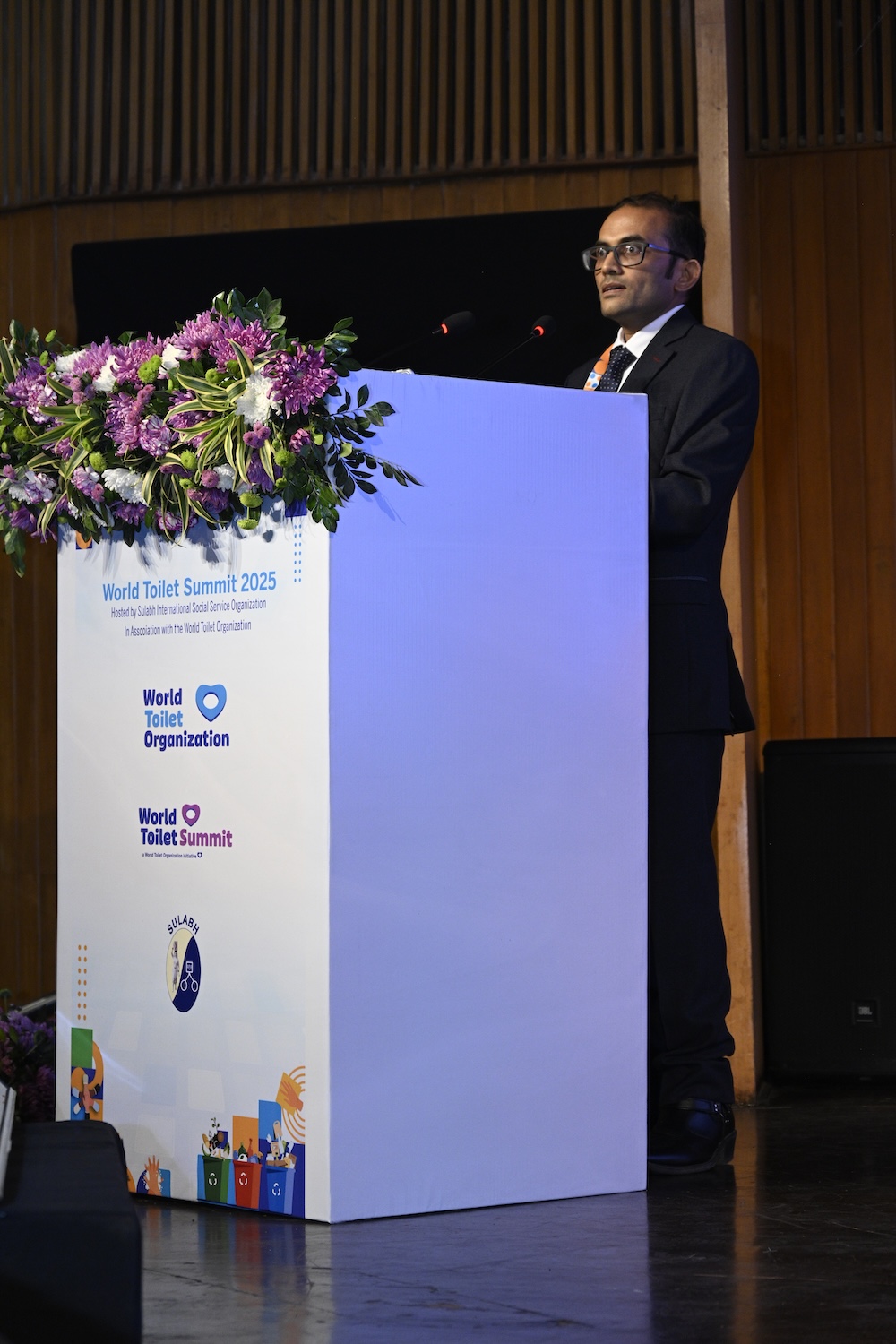
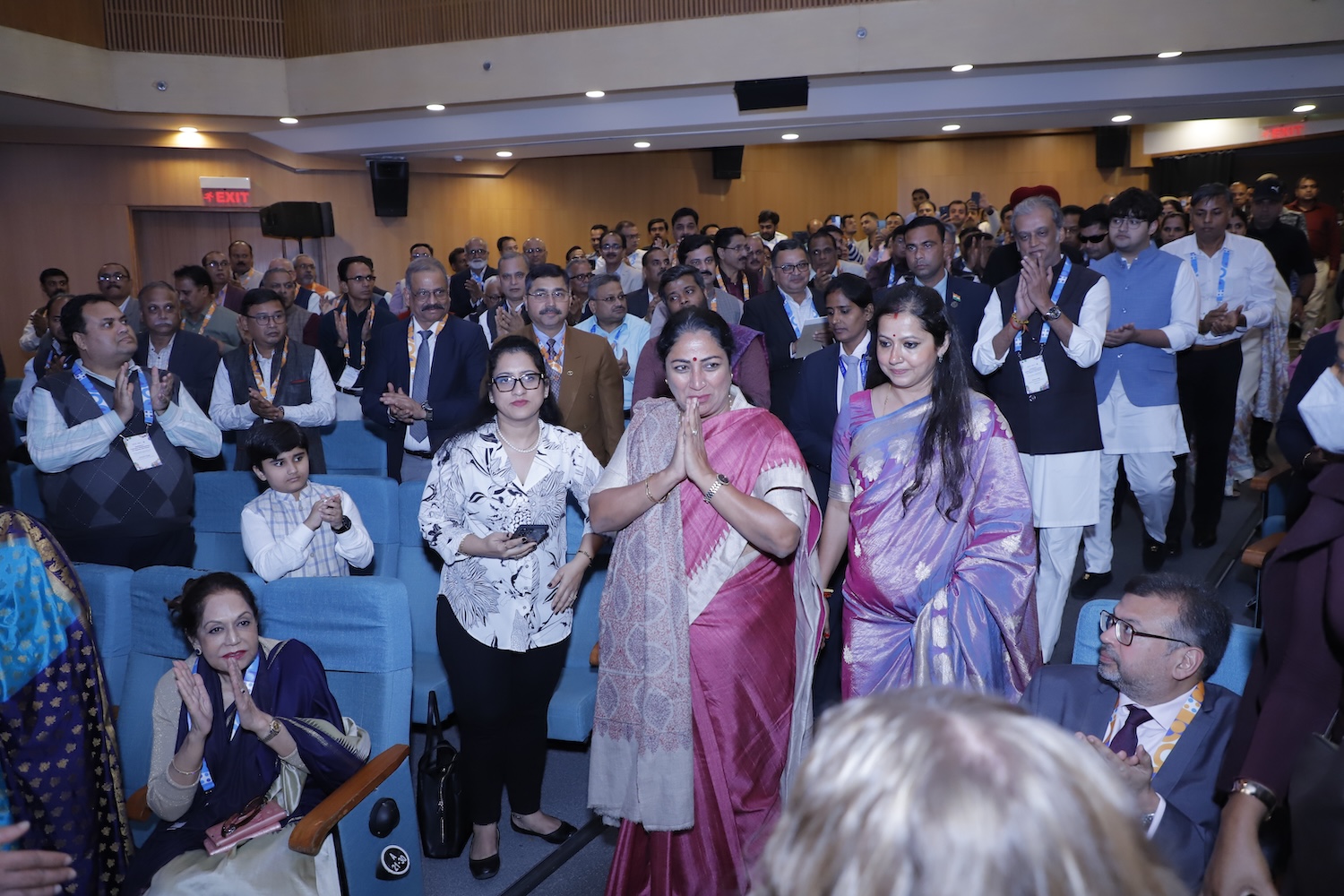
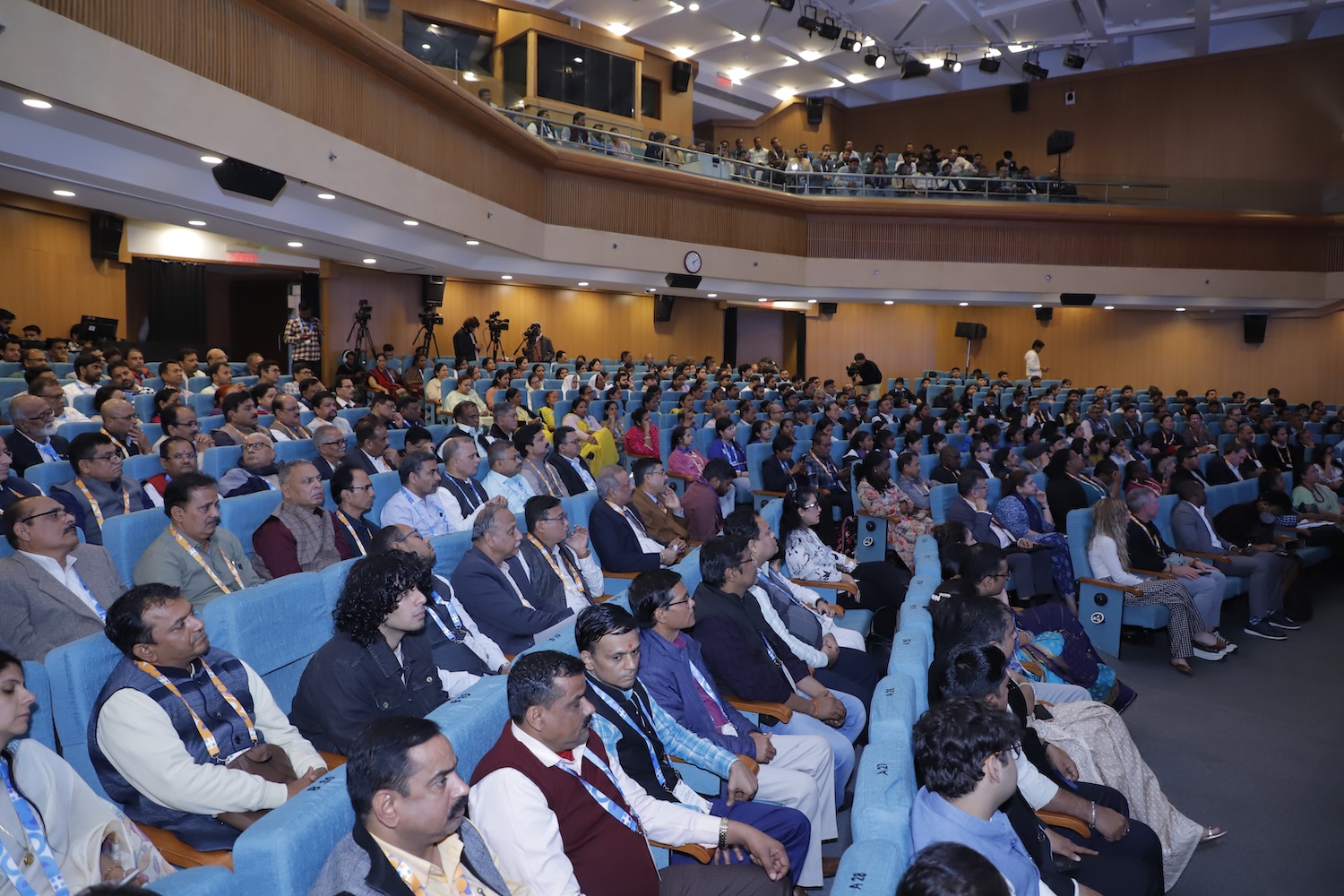
The World Toilet Summit 2025, hosted by Sulabh International Social Service Organisation in association with the World Toilet Organization, convened global leaders, policymakers, innovators, researchers, and development partners in New Delhi from 19–21 November 2025. The Summit marked a historic moment for the global WASH community—celebrating 25 years of the World Toilet Organization and reaffirming that sanitation is not just infrastructure, but a reflection of dignity, equity, public health, and climate resilience.
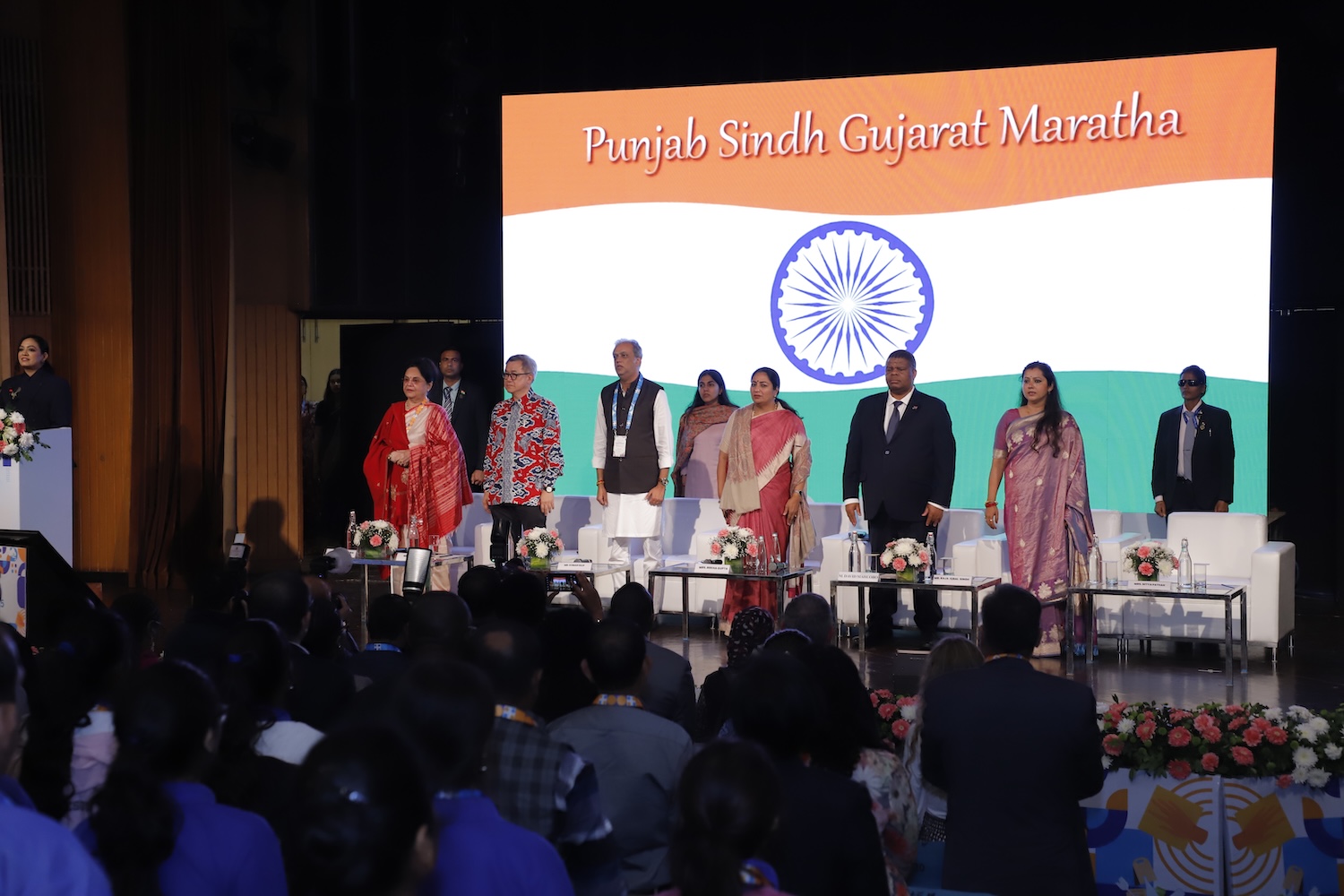
A Powerful Inaugural Session
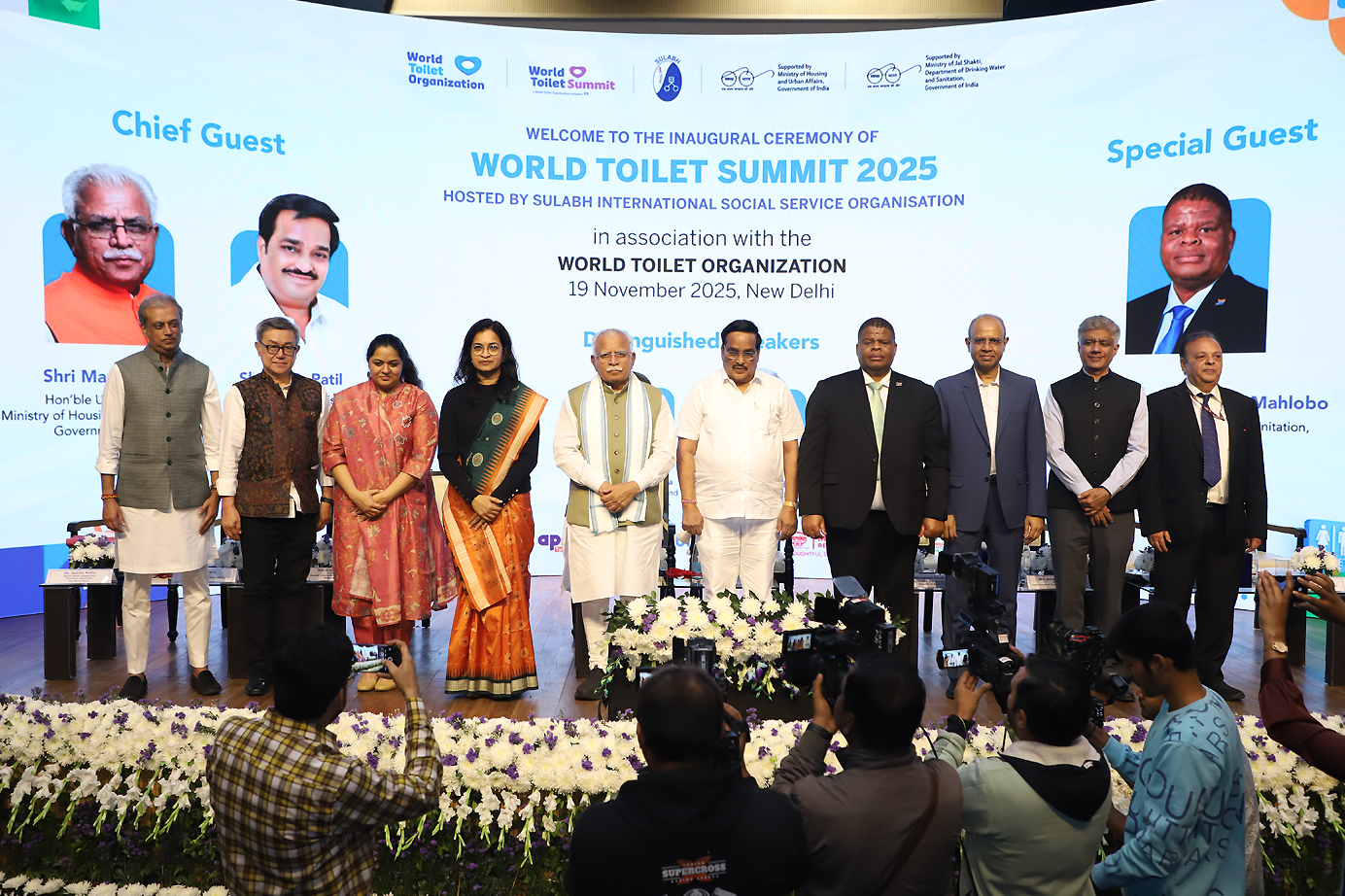
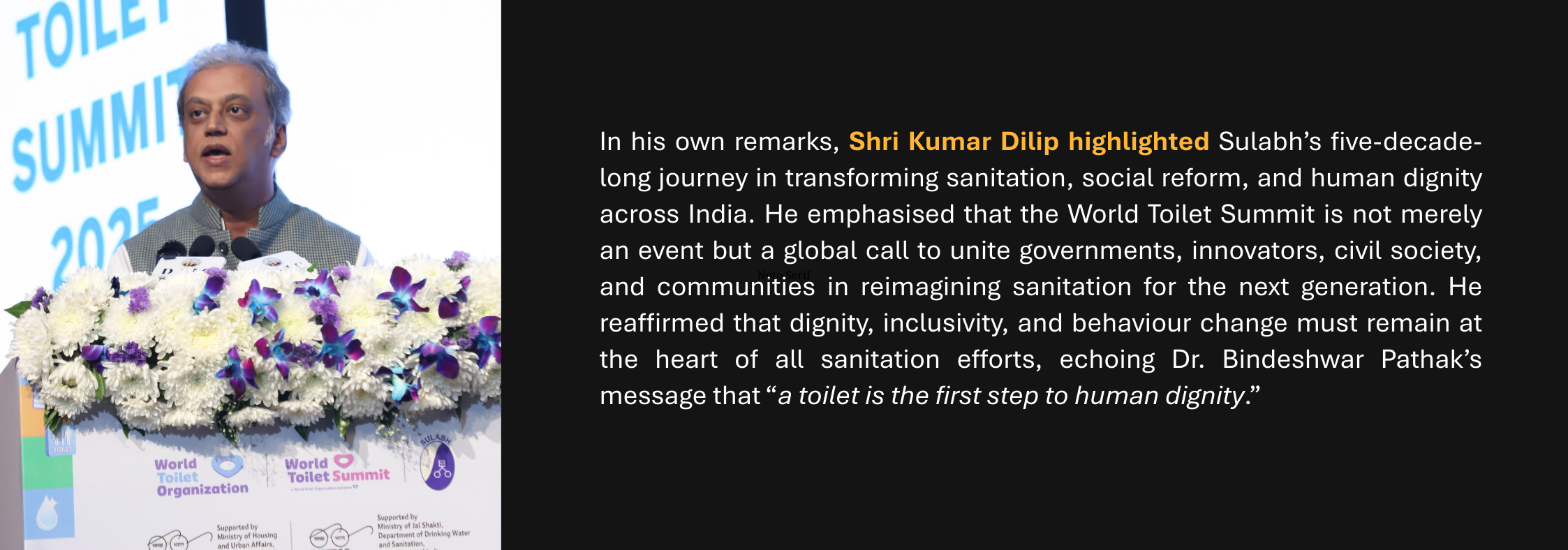
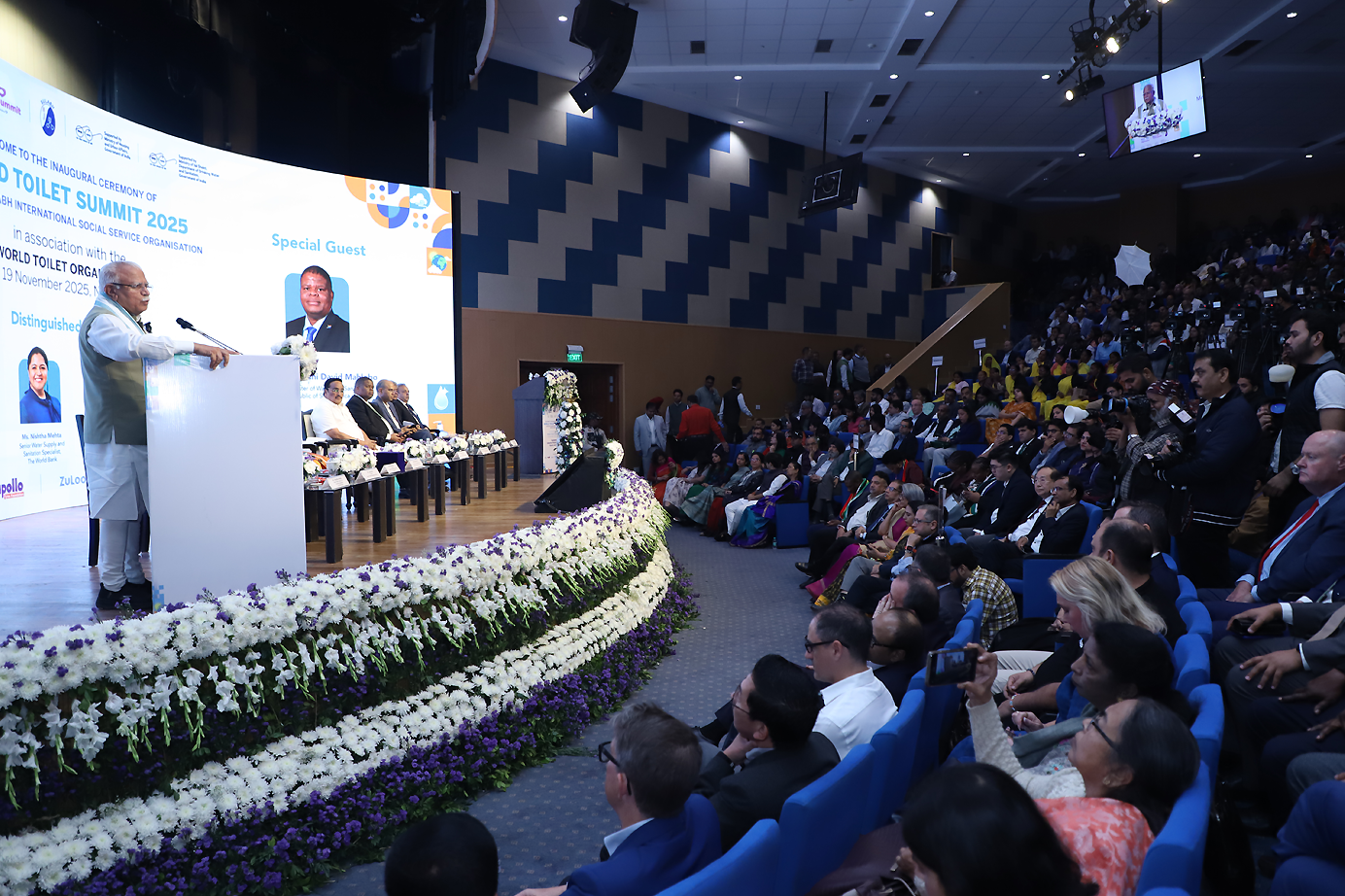
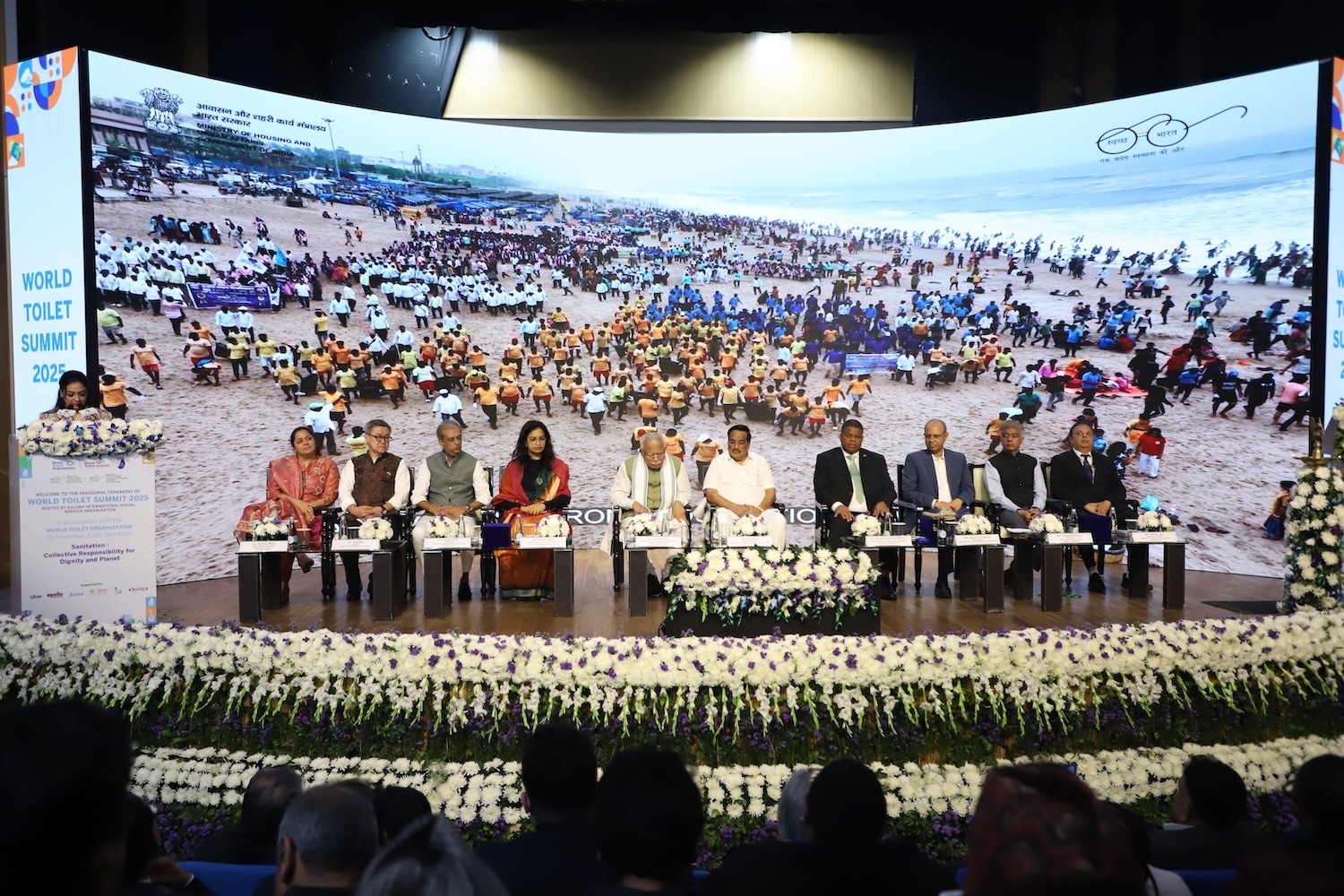
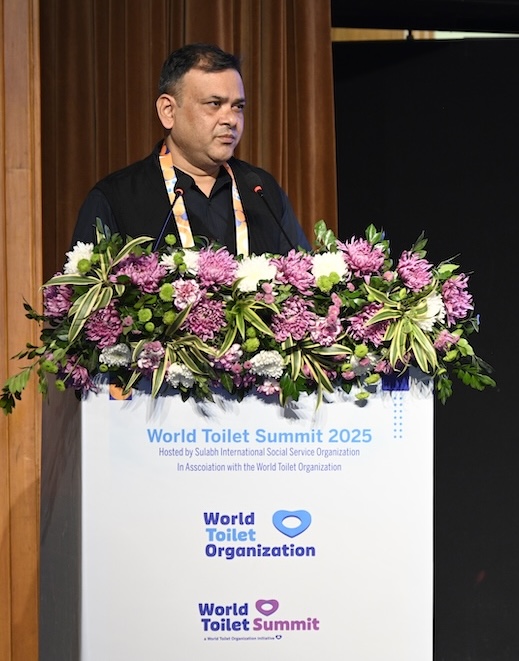
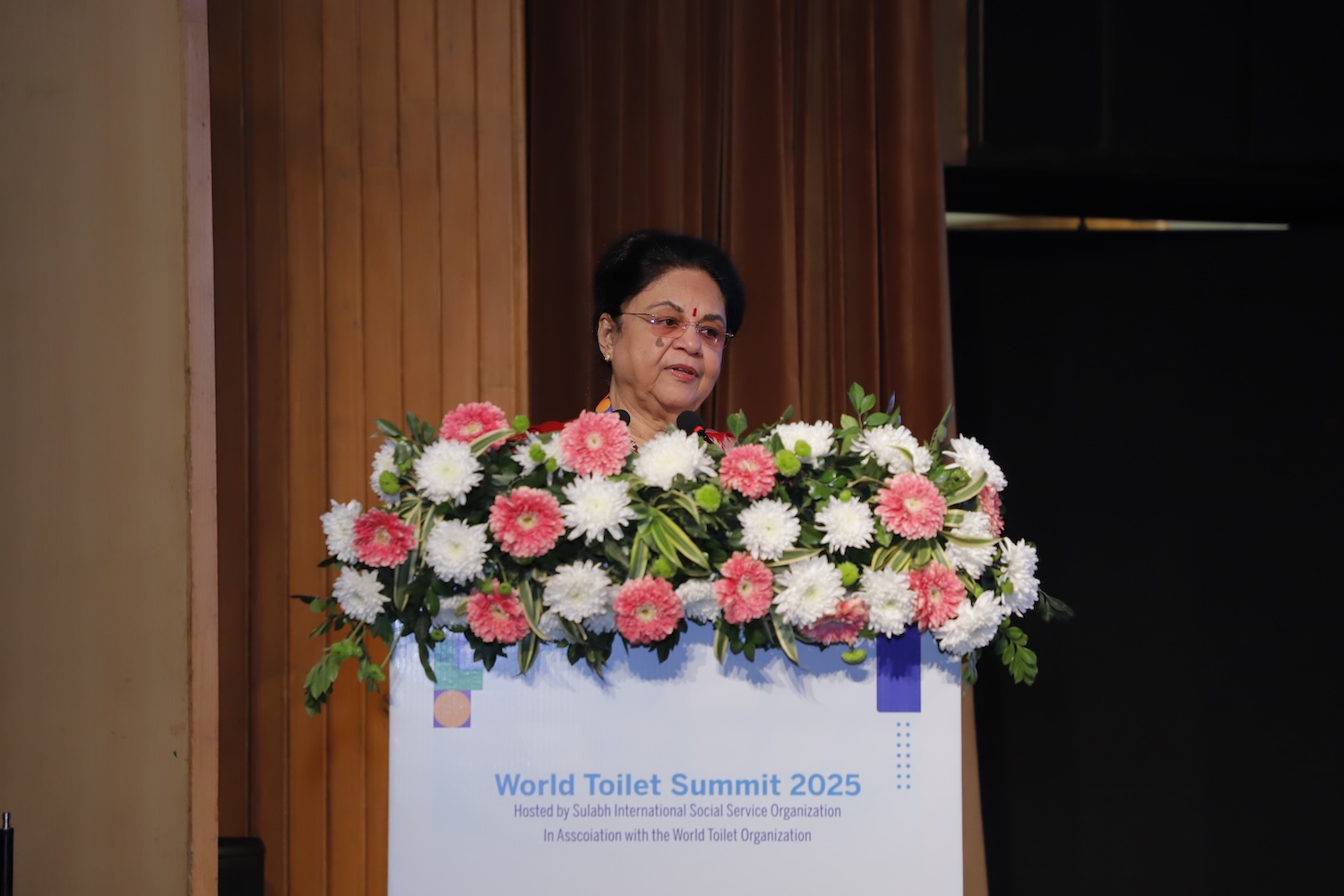
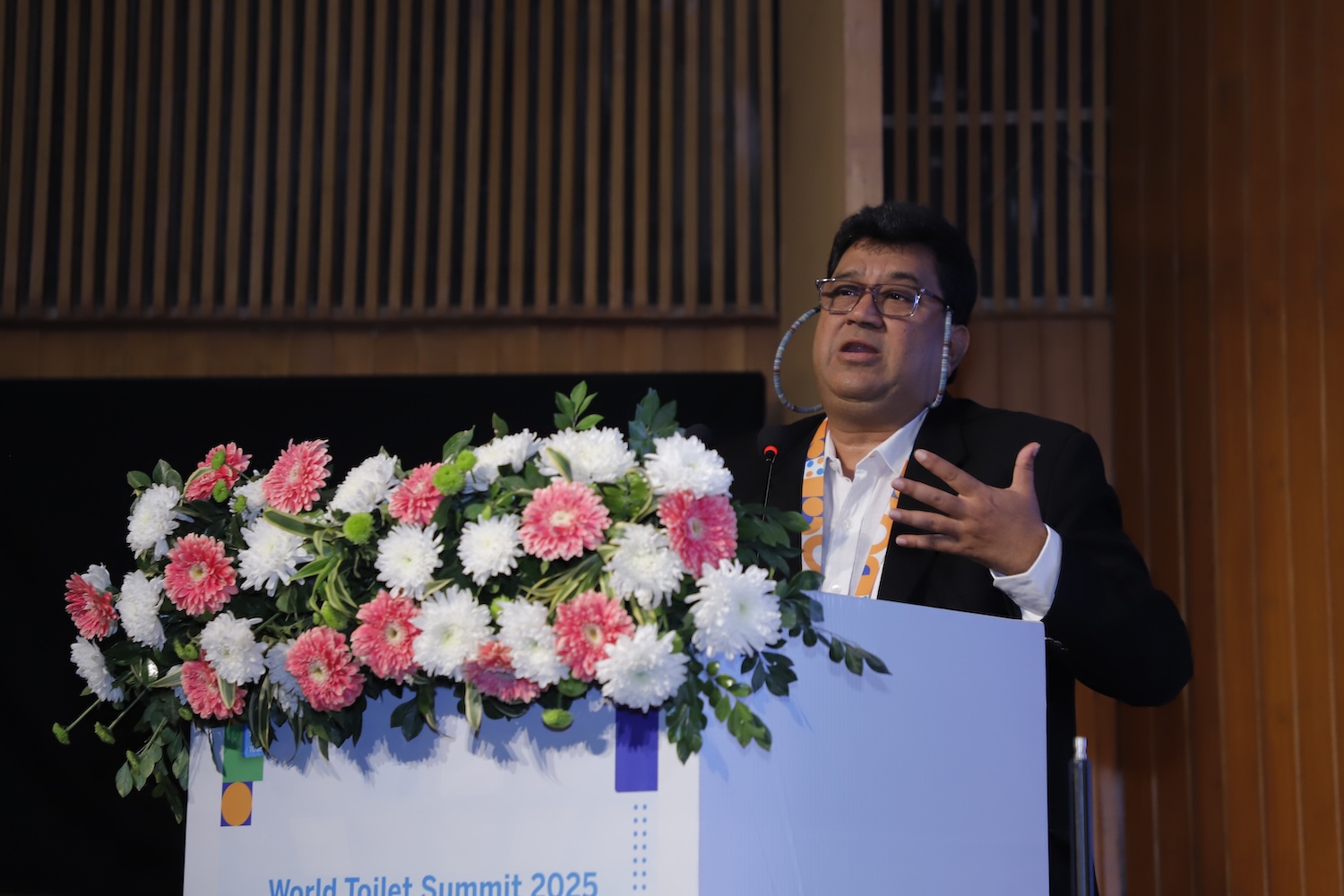
The Summit opened at the Dr Ambedkar International Centre with an inspiring and deeply resonant address by Shri Kumar Dilip, President of Sulabh International, who read out a special message from Hon’ble Prime Minister Shri Narendra Modi. The Prime Minister applauded India’s achievement of SDG 6.2 “eleven years ahead of schedule” and emphasised sanitation as a foundation for health, dignity, and societal progress.
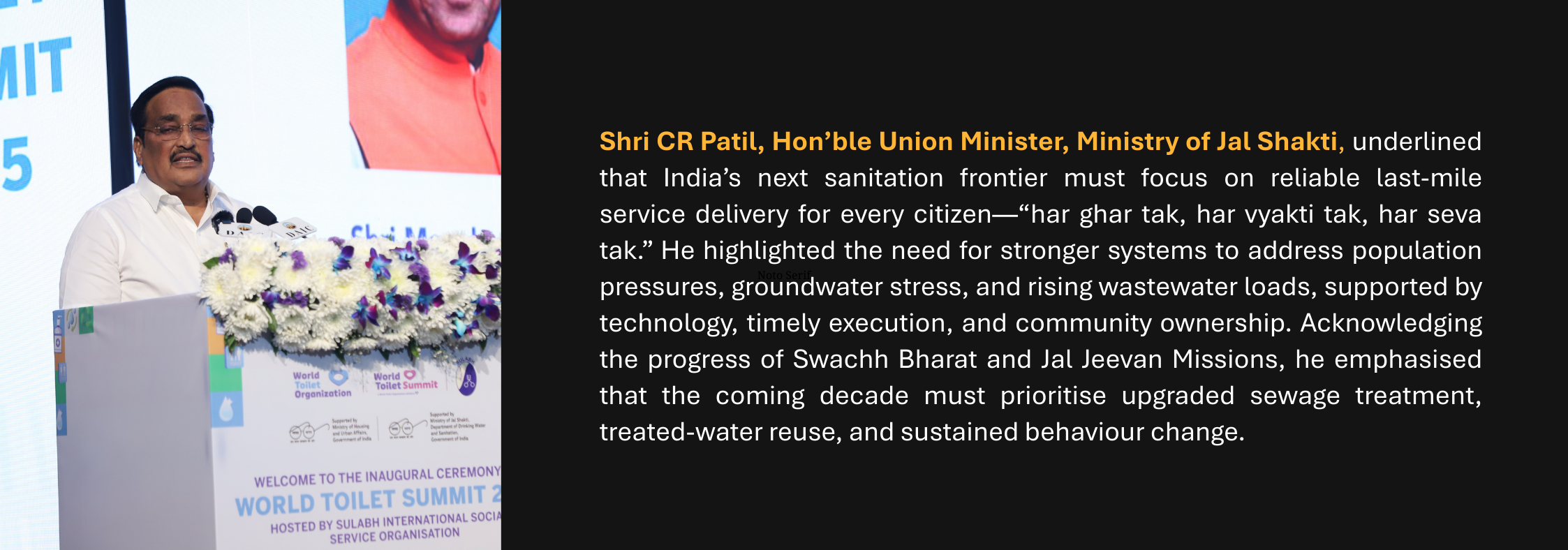
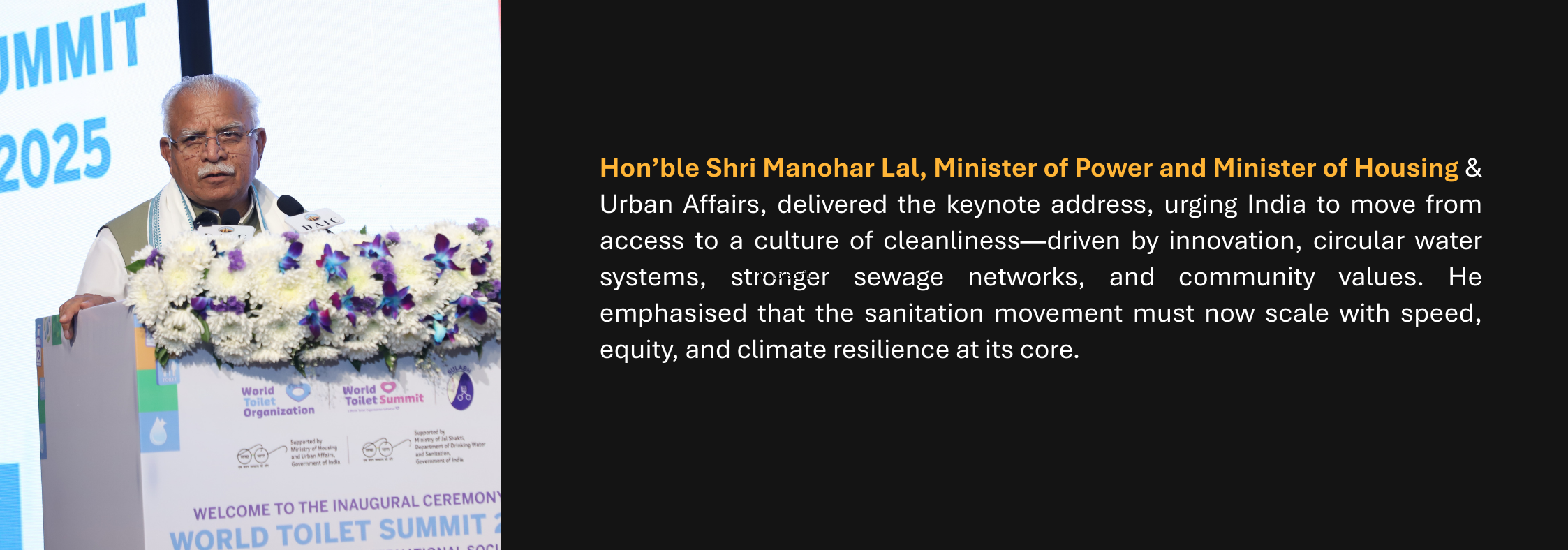
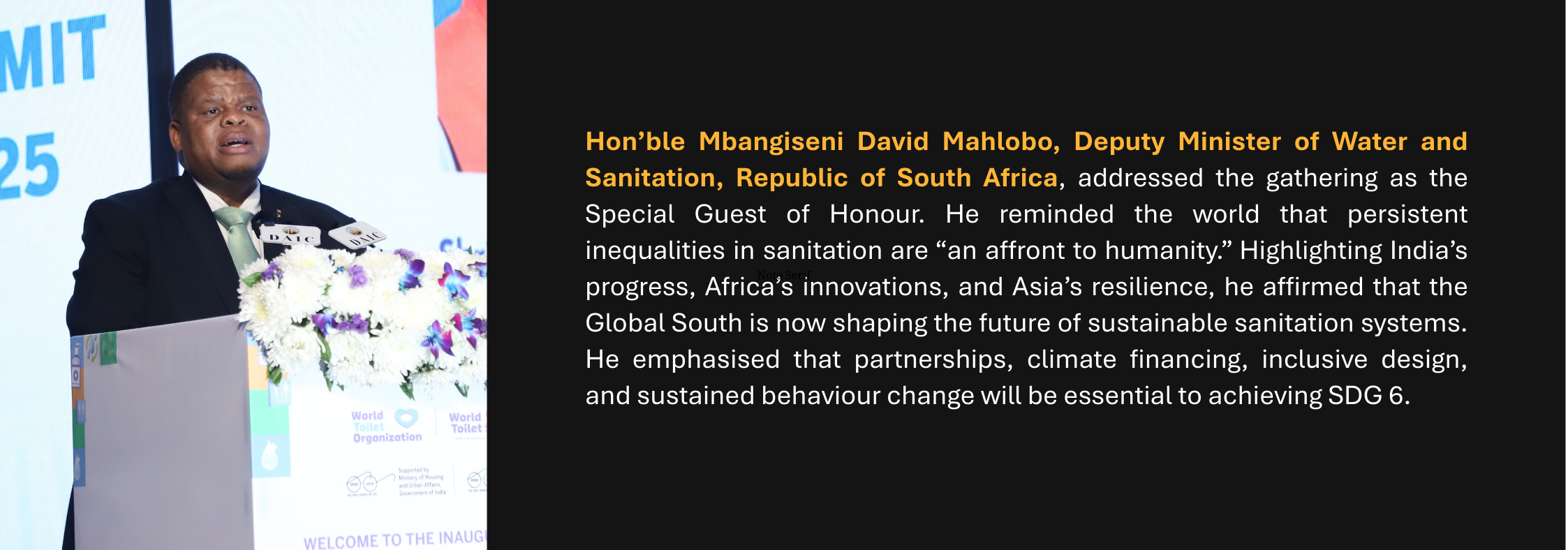
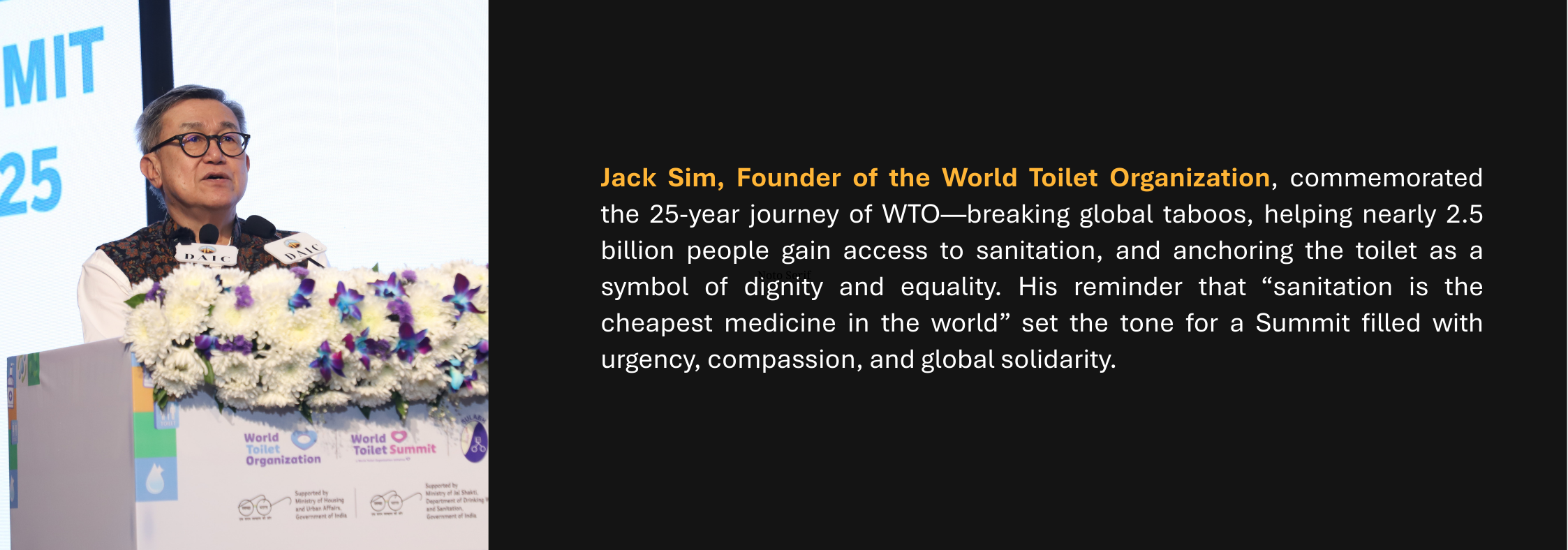
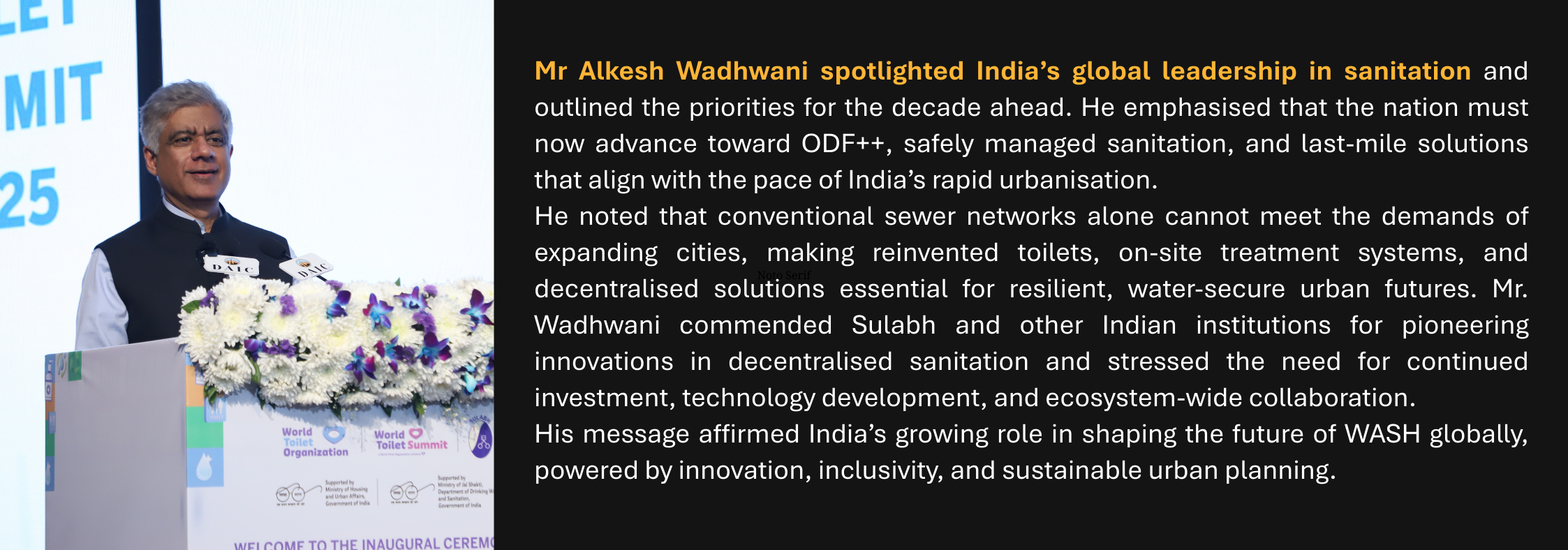
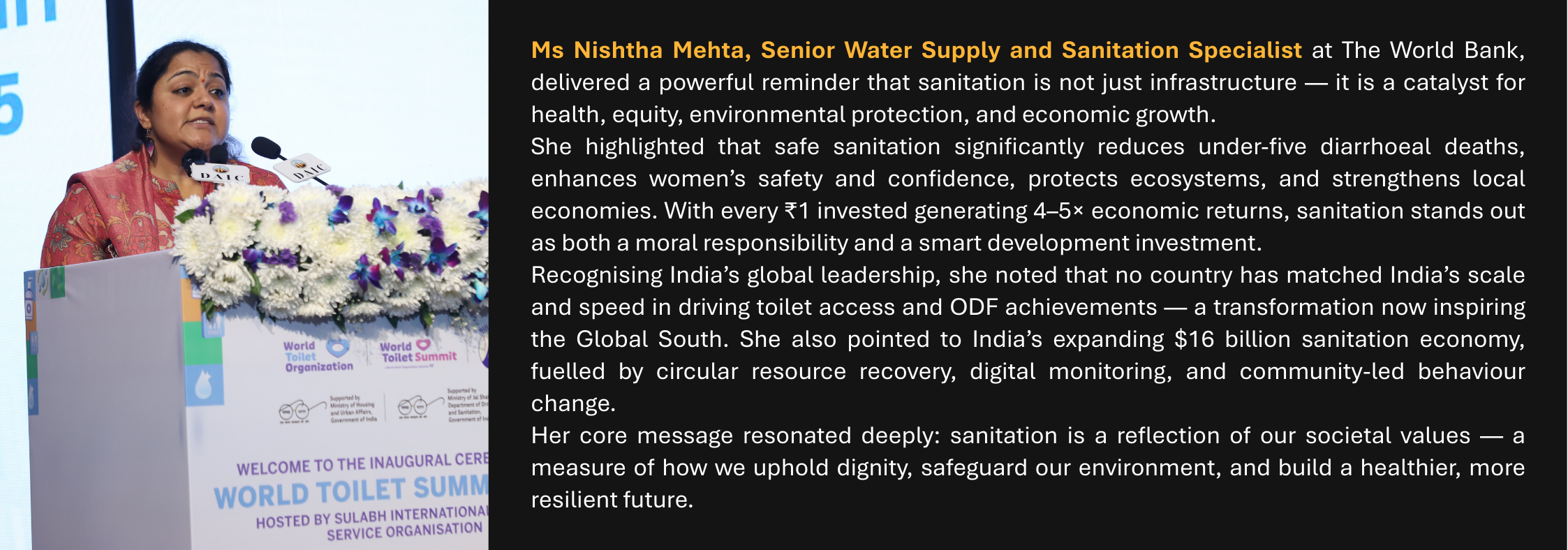
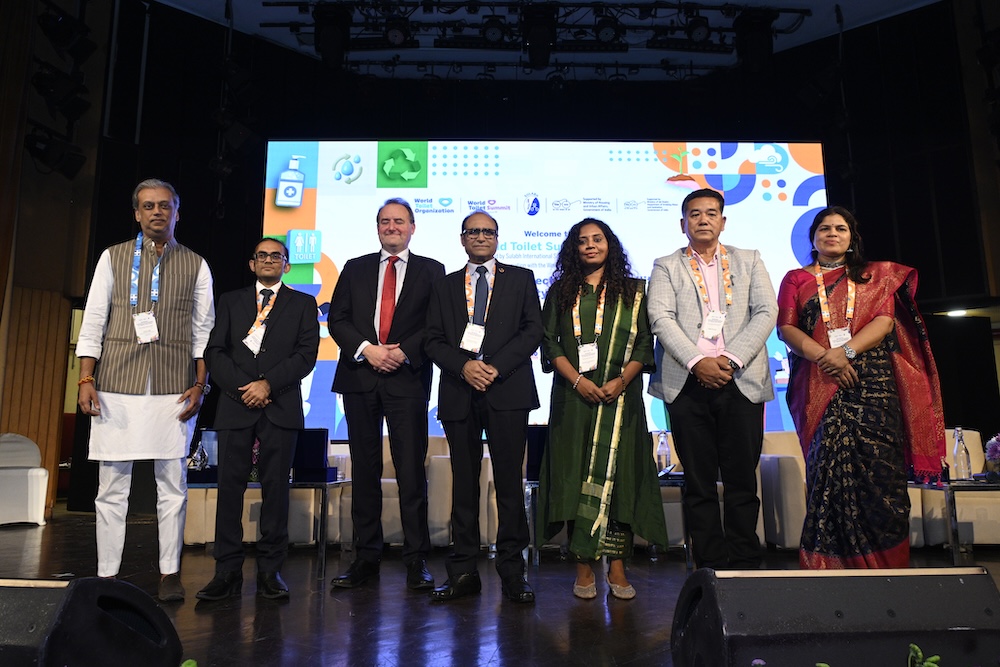
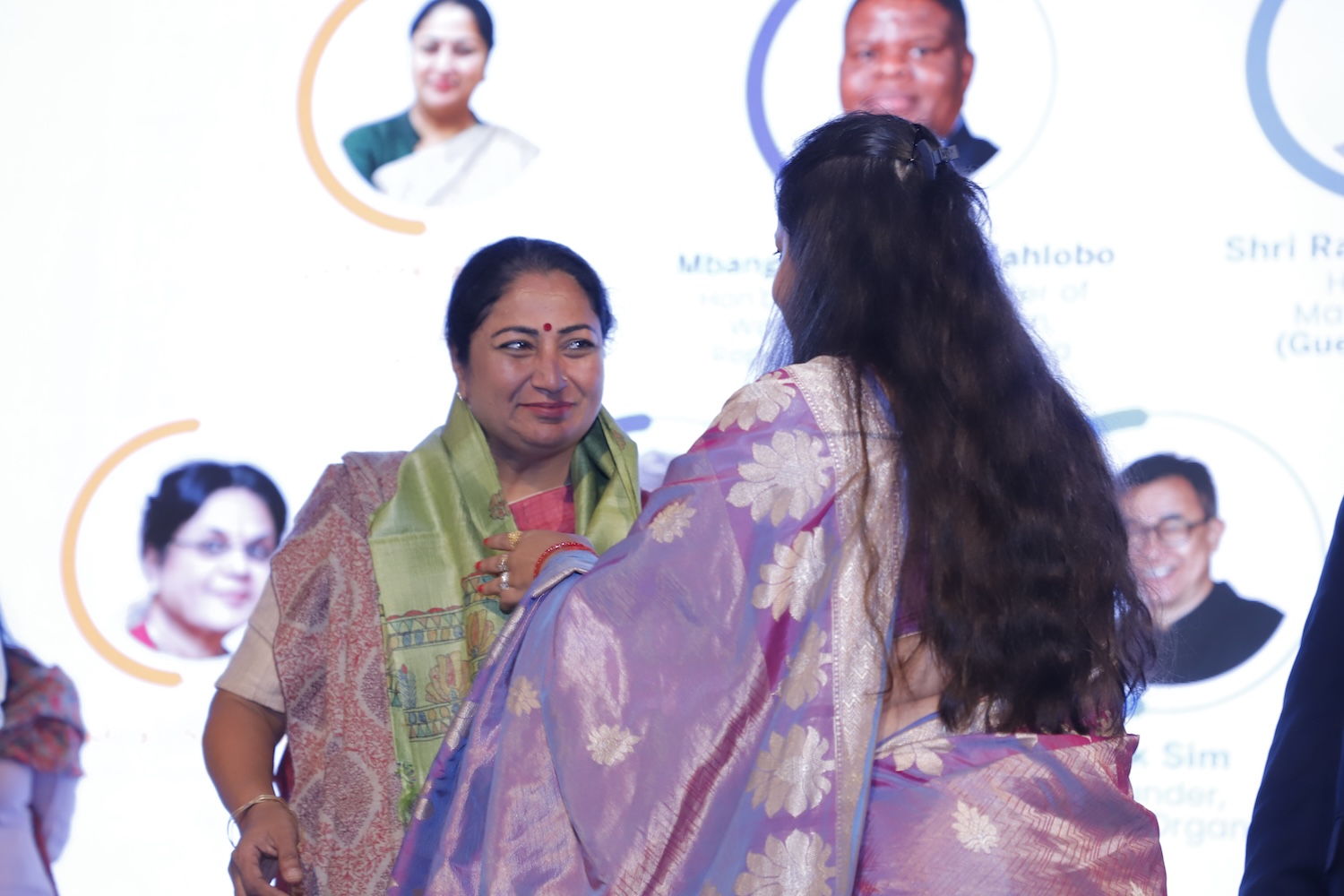
The inaugural session also featured keynote addresses by Shri CR Patil, Hon’ble Union Minister, Ministry of Jal Shakti, Hon’ble Shri Manohar Lal, Minister of Power and Minister of Housing, Hon’ble Mbangiseni David Mahlobo, Deputy Minister of Water and Sanitation, Republic of South Africa, Jack Sim, Founder of the World Toilet Organization, Ms Nishtha Mehta, Sr Water Supply and Sanitation Specialist, The World Bank, USA and Mr Alkesh Wadhwani, Director, Poverty Alleviation, India, Gates Foundation.
MoHUA Launches Five National Sanitation Initiatives
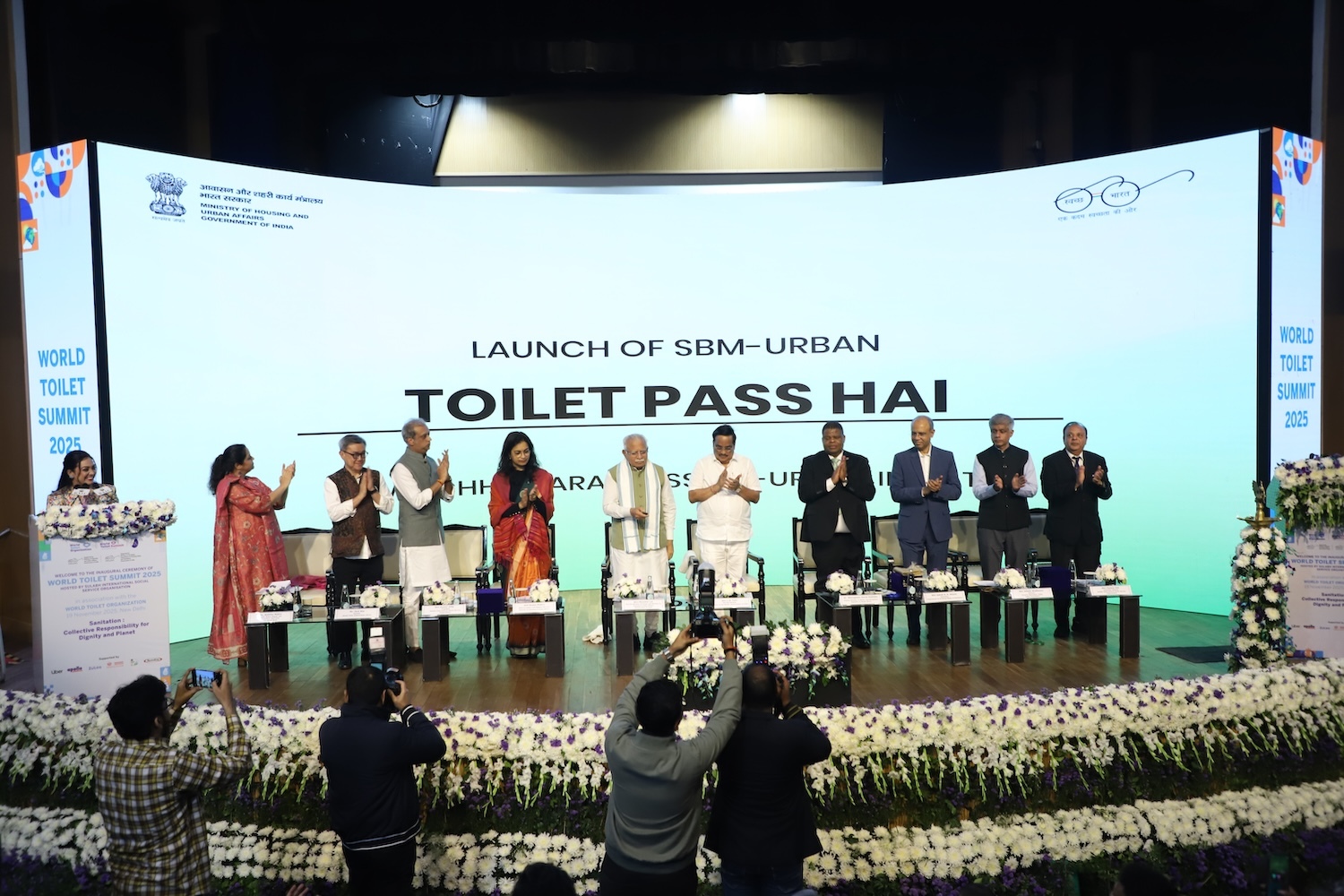
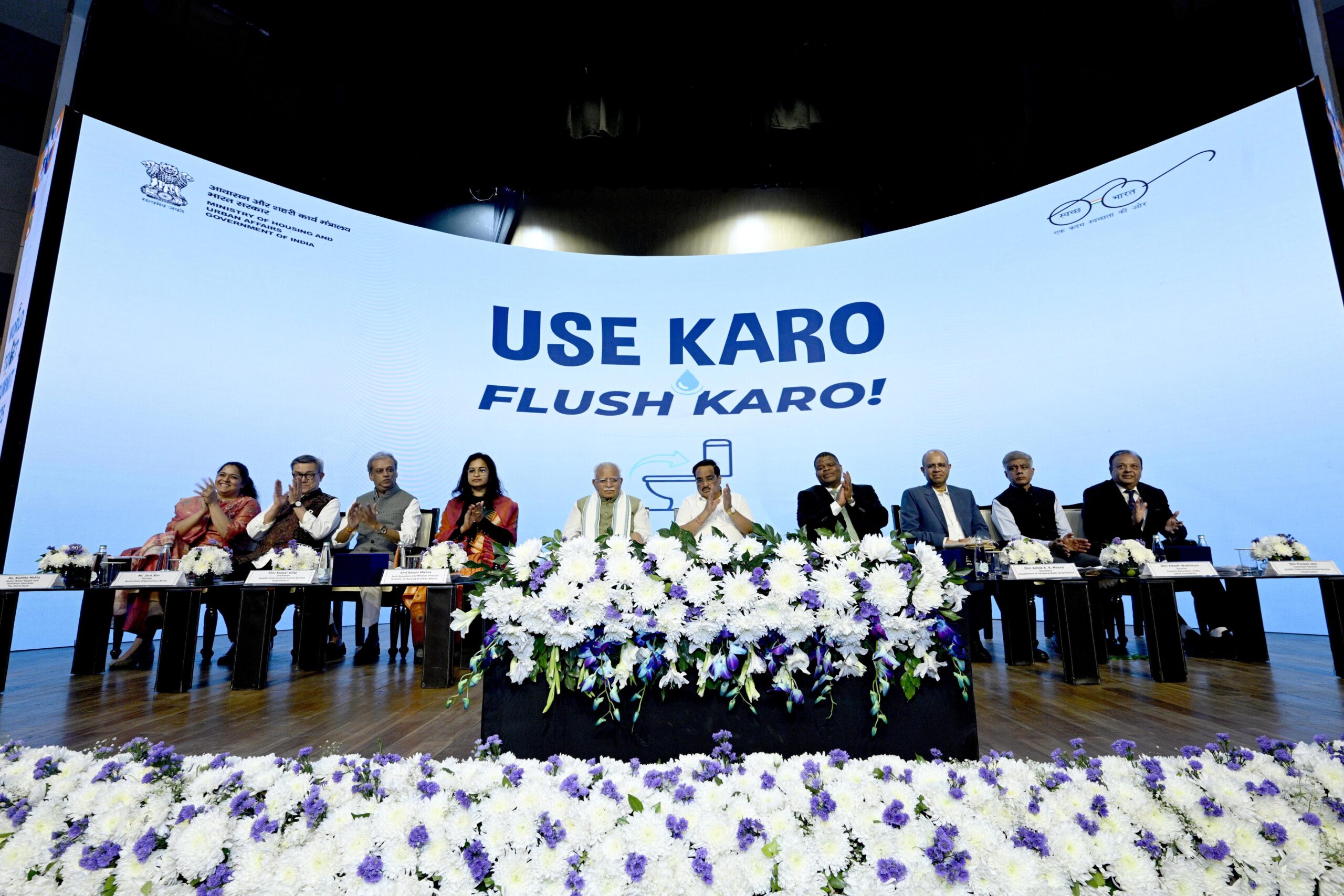
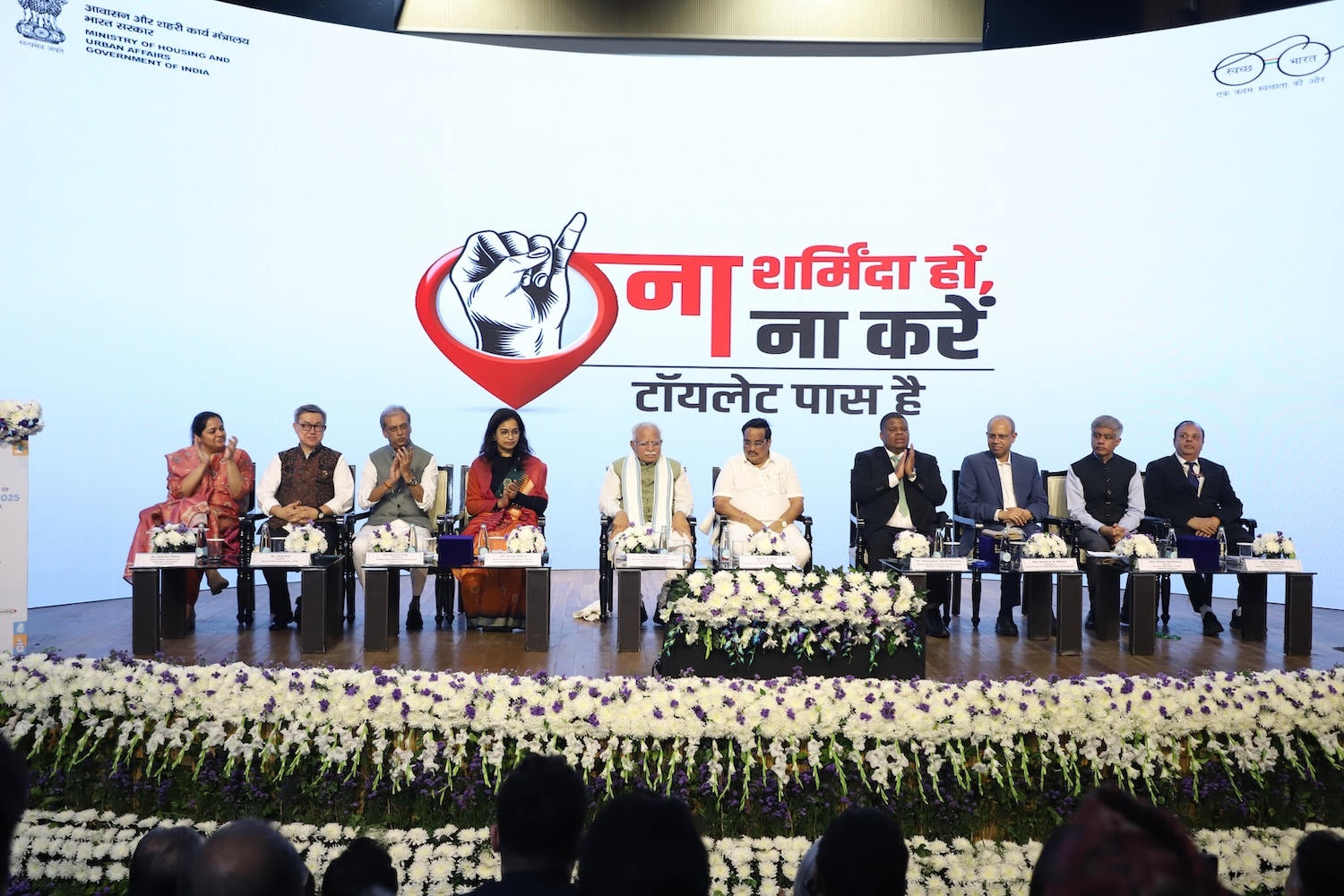
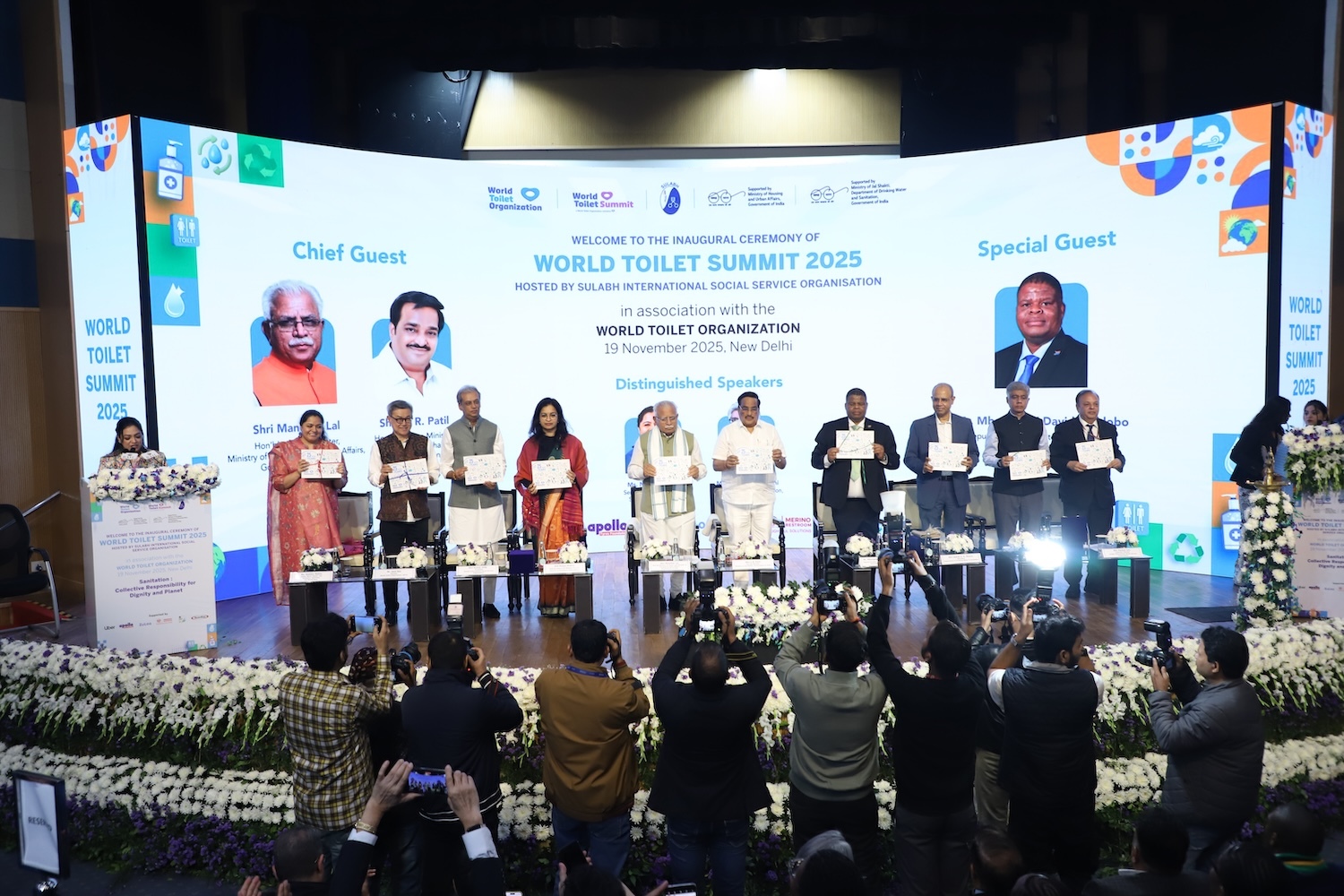
A major highlight of the Summit was the launch of five national sanitation accelerators by the Ministry of Housing and Urban Affairs (MoHUA), including a national advocacy campaign on toilet-use behaviour, Aspirational Toilets, replication of Suvidha Centres across India, a technical training module for better-designed public/community toilets, and the Swachh Curriculum for schoolchildren.
Delegates Visit Sulabh Campus
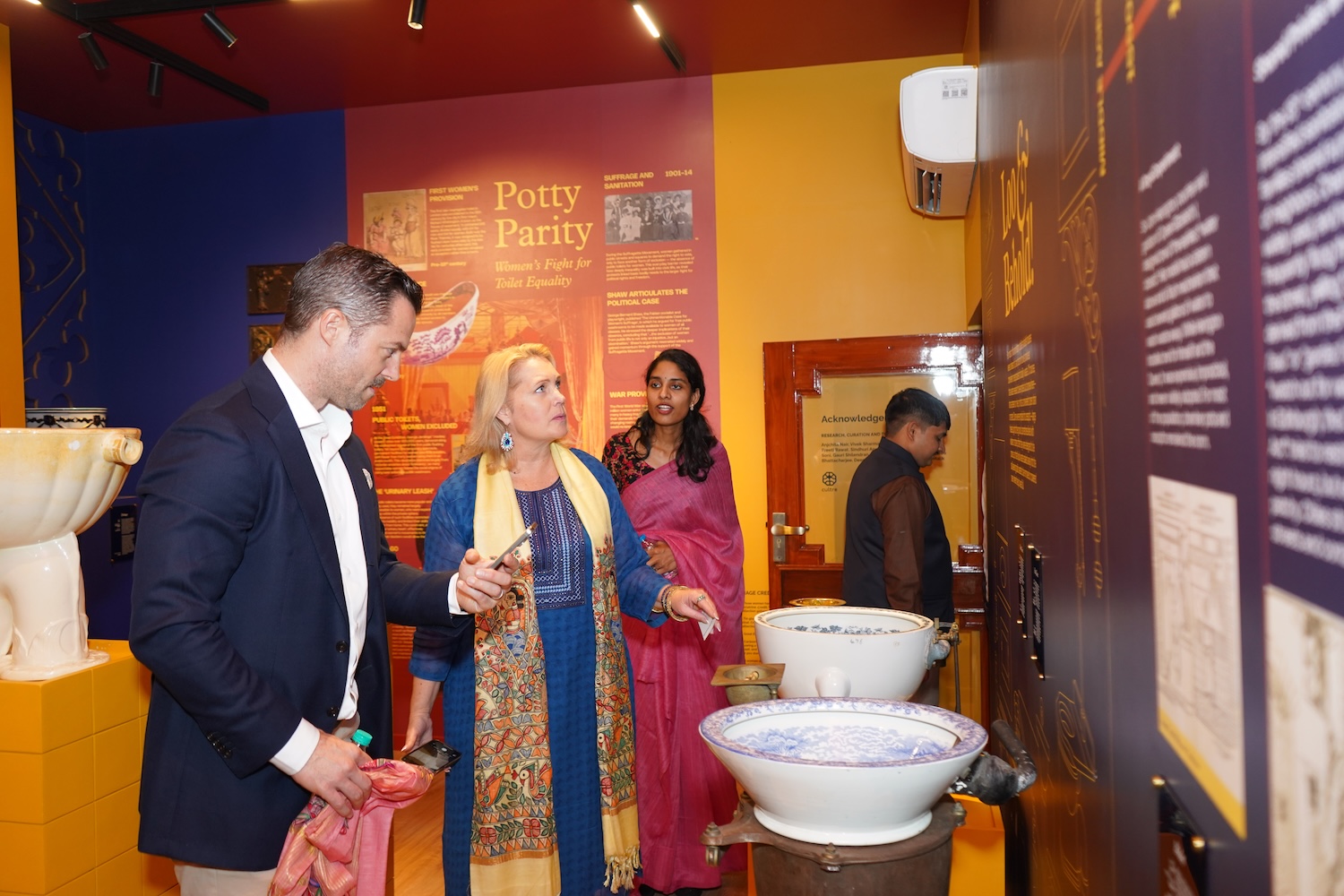

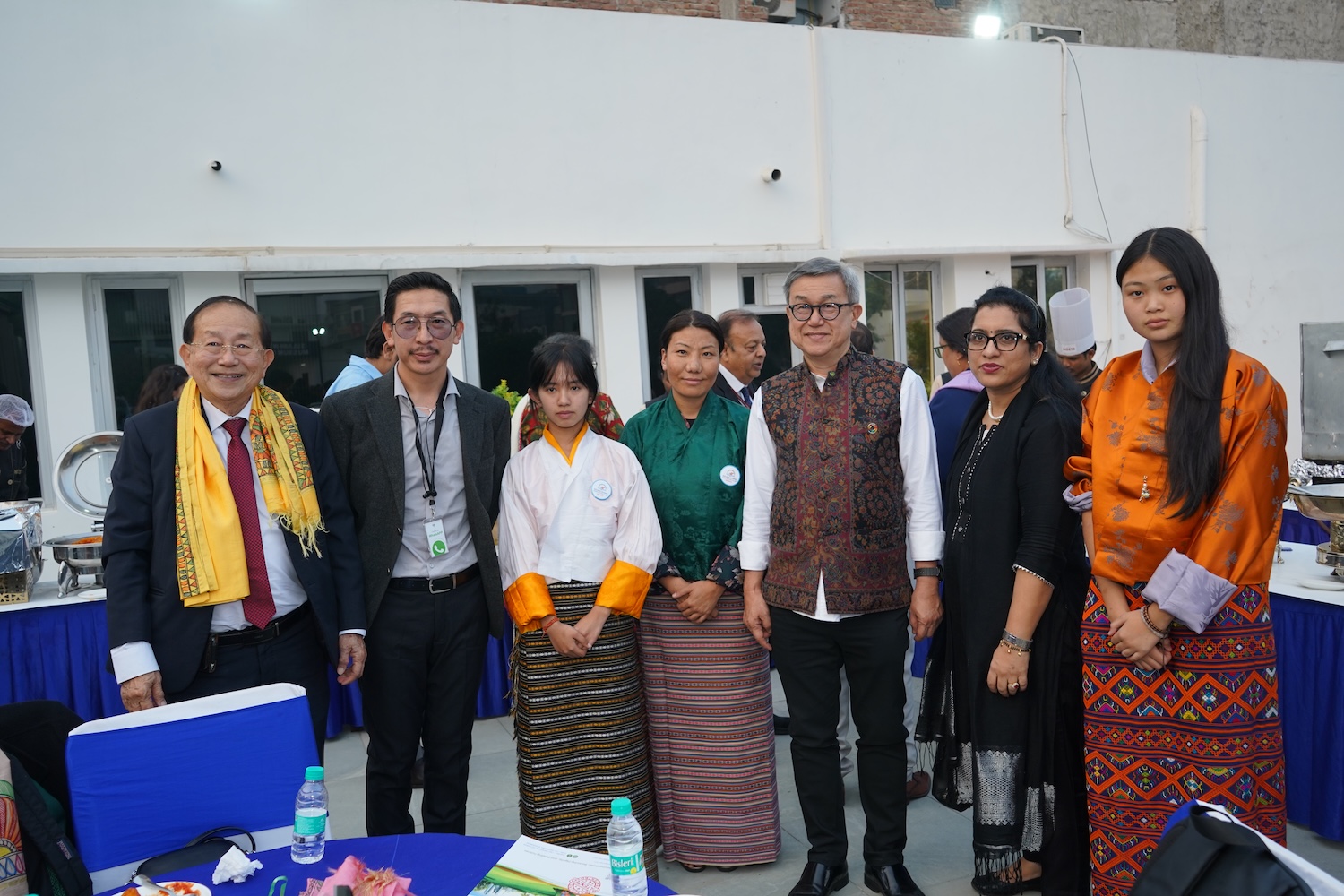
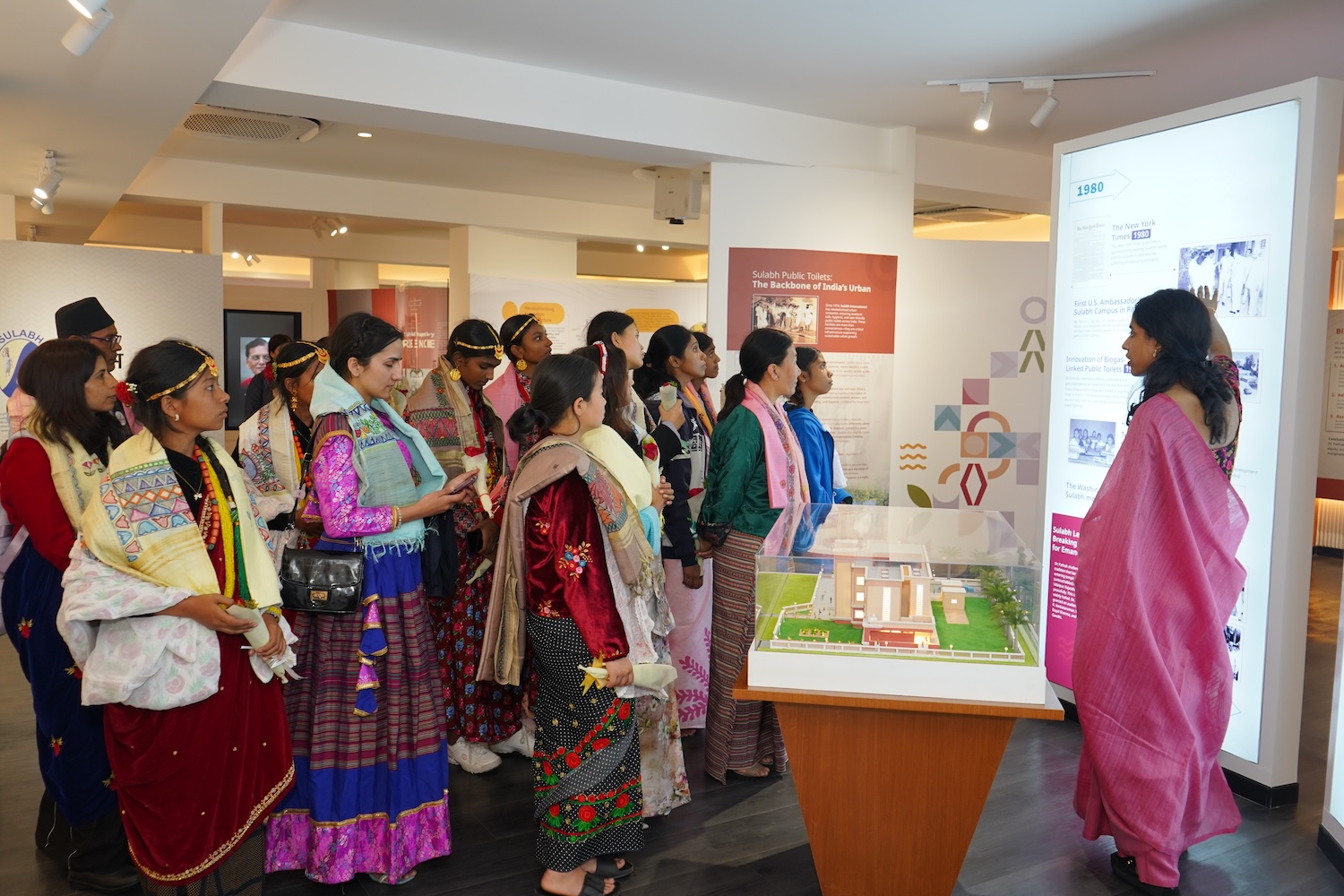
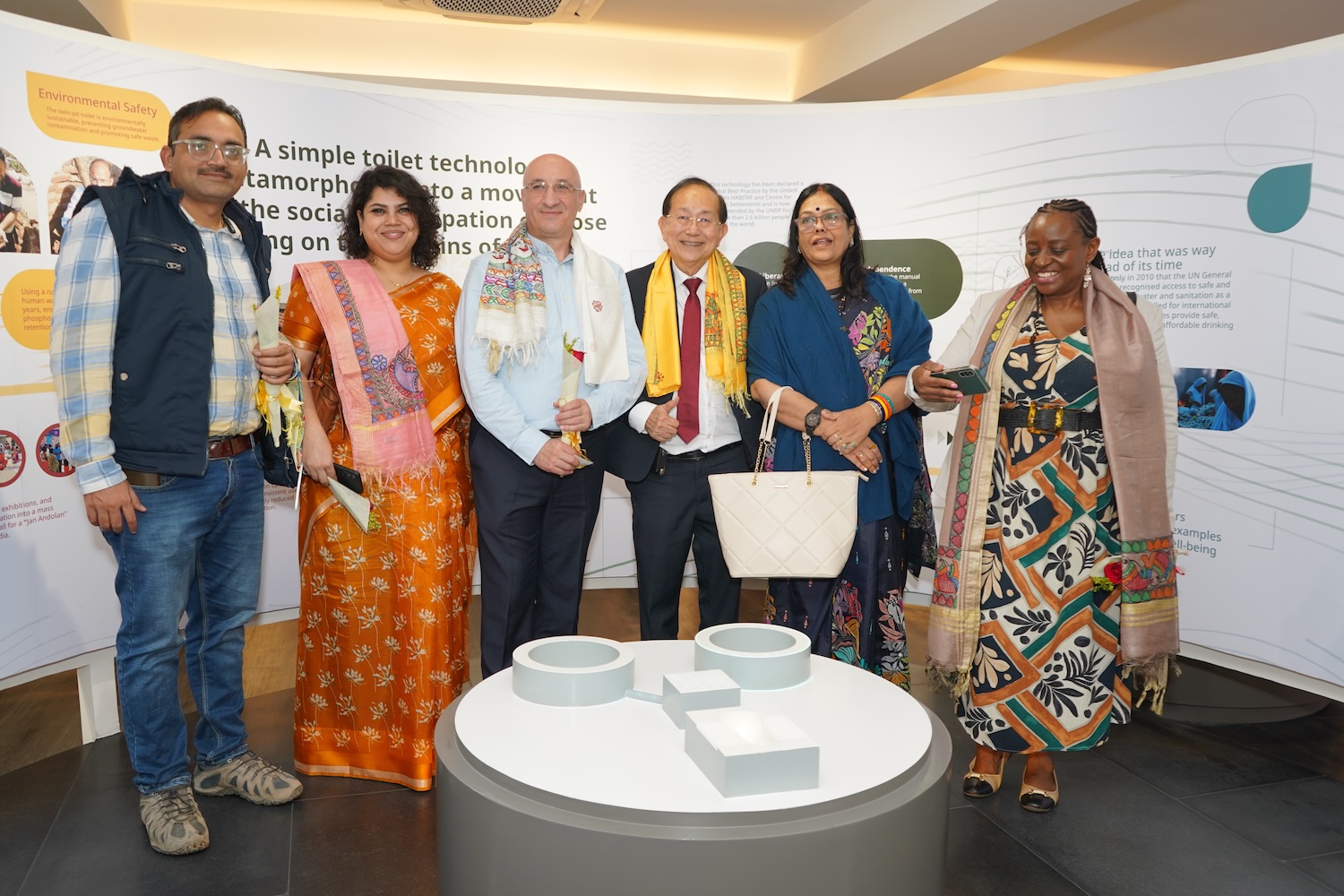
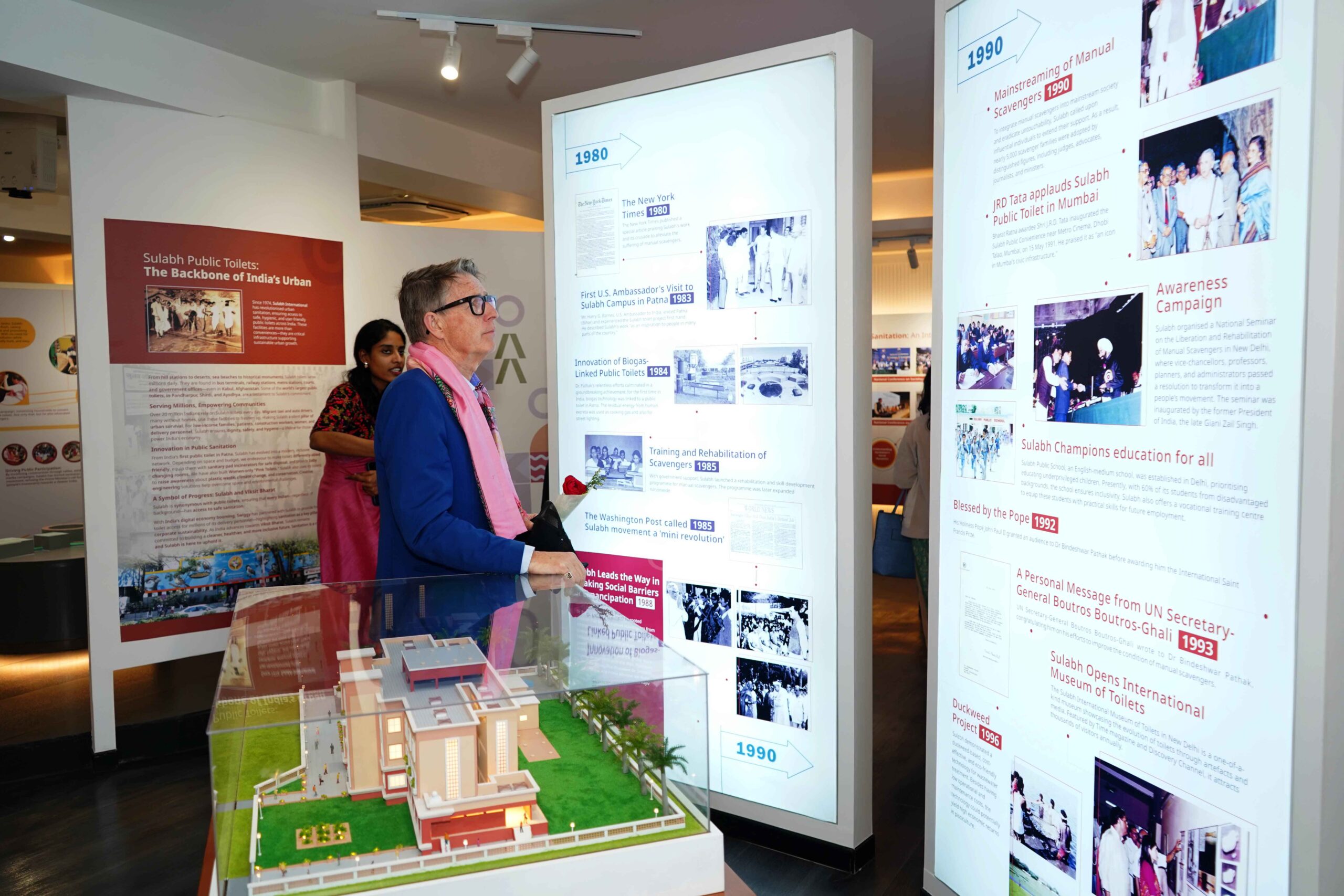
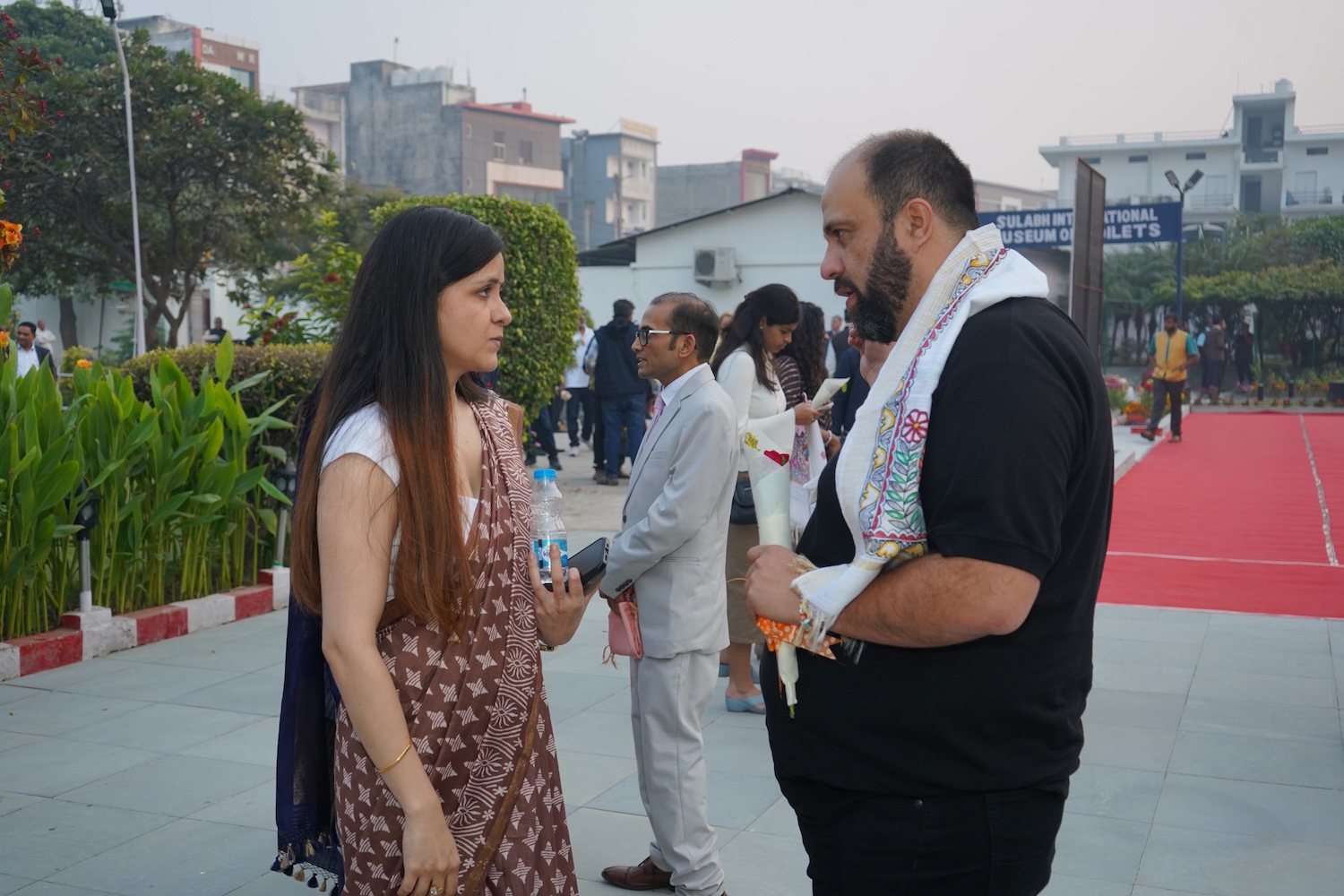
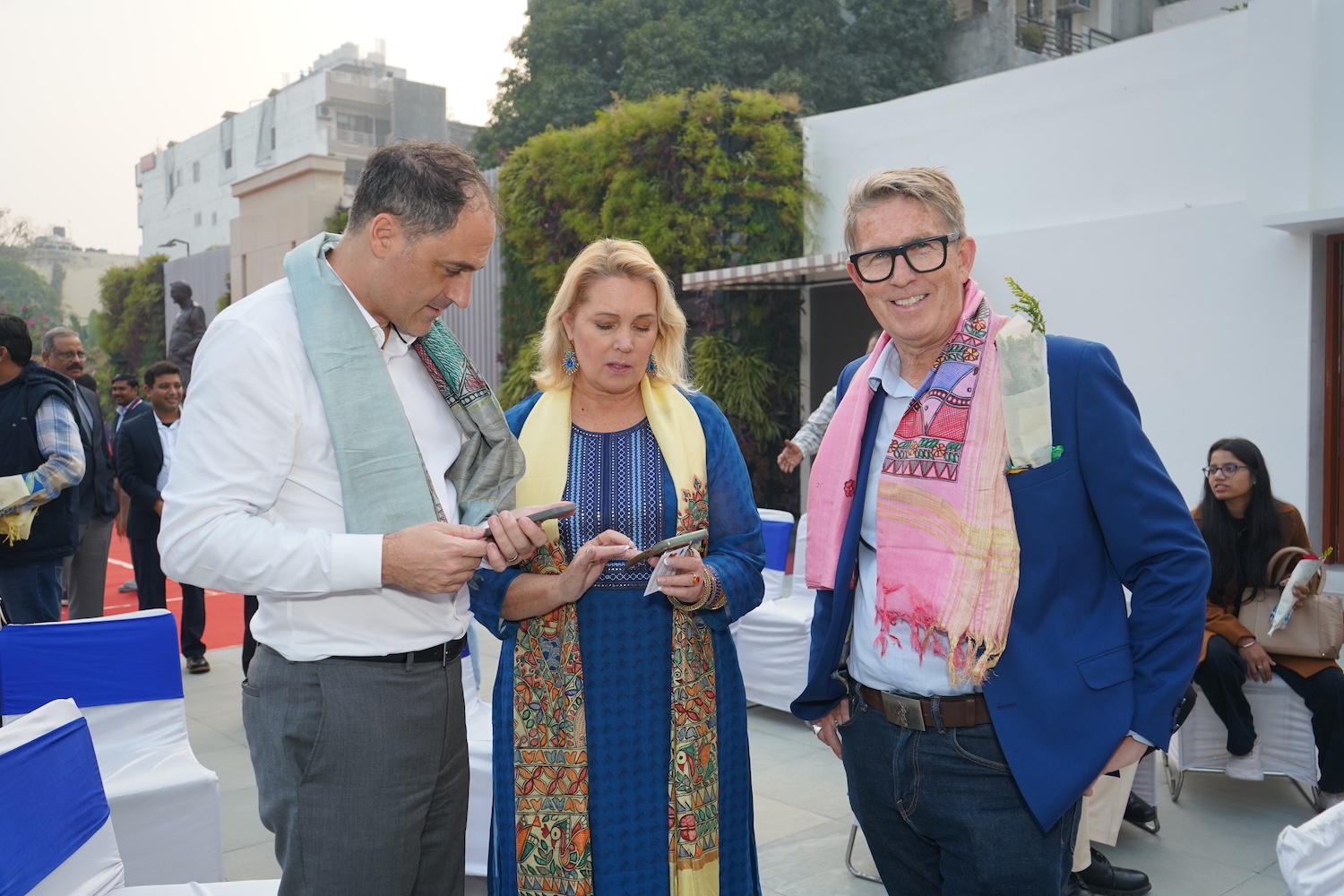
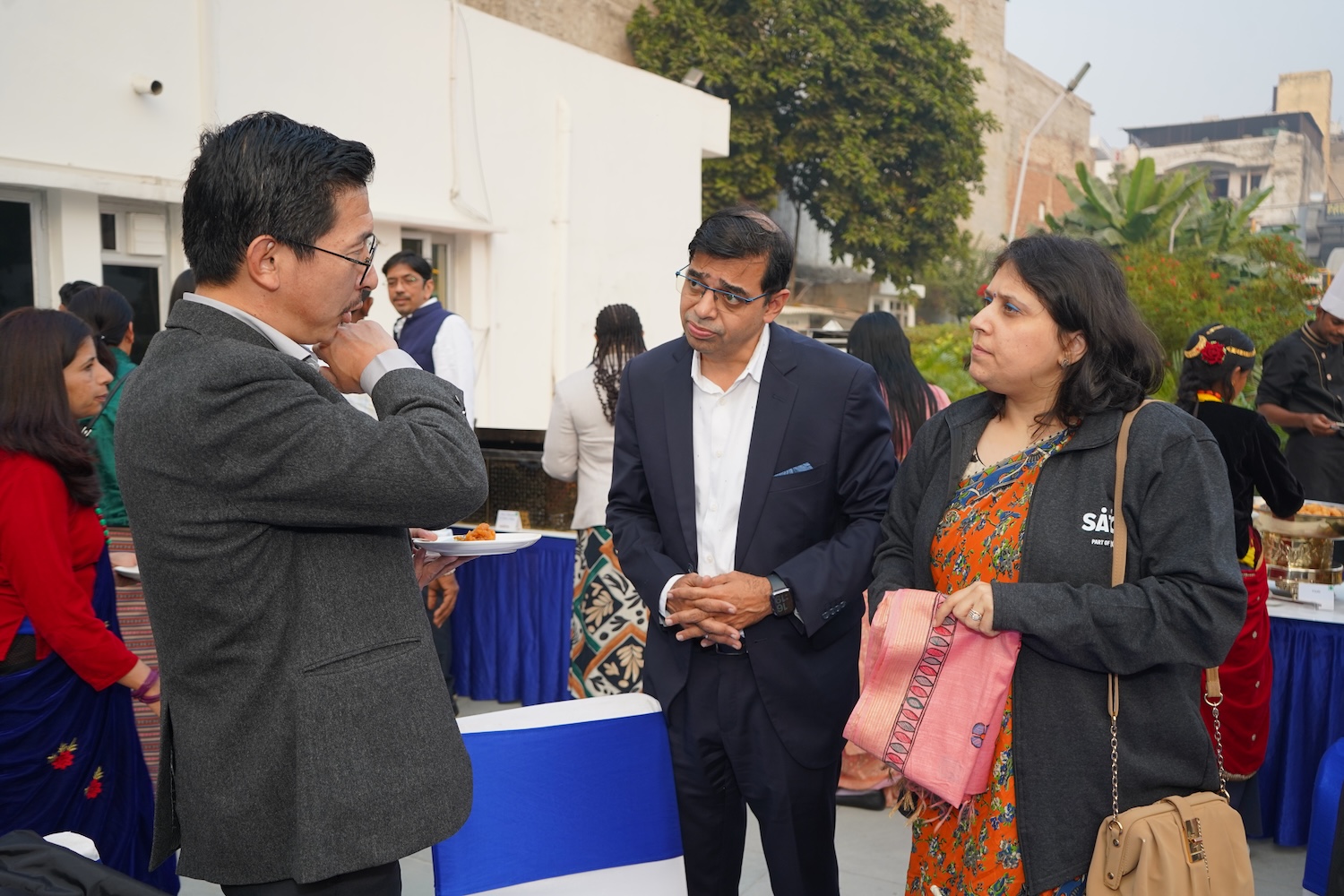
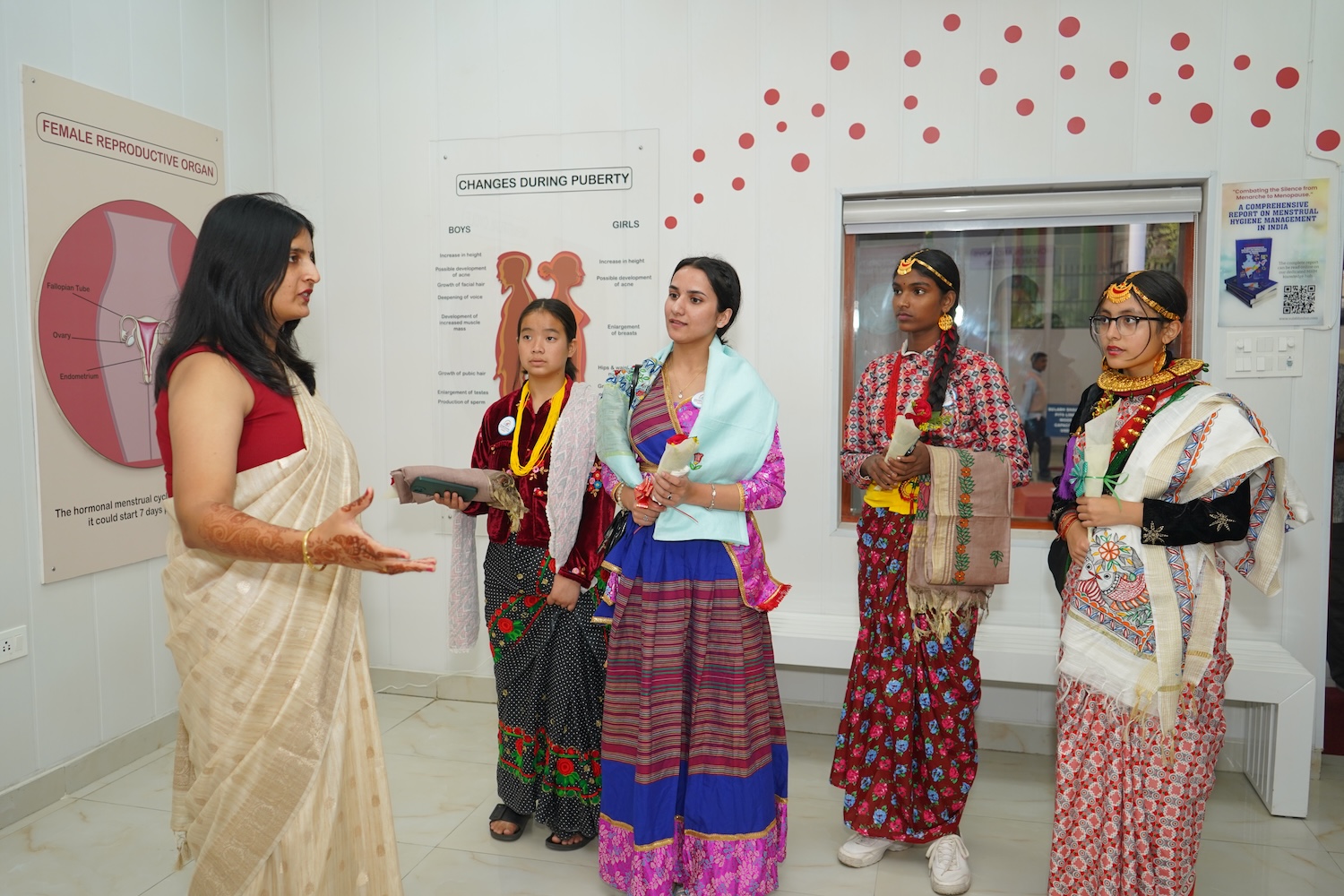
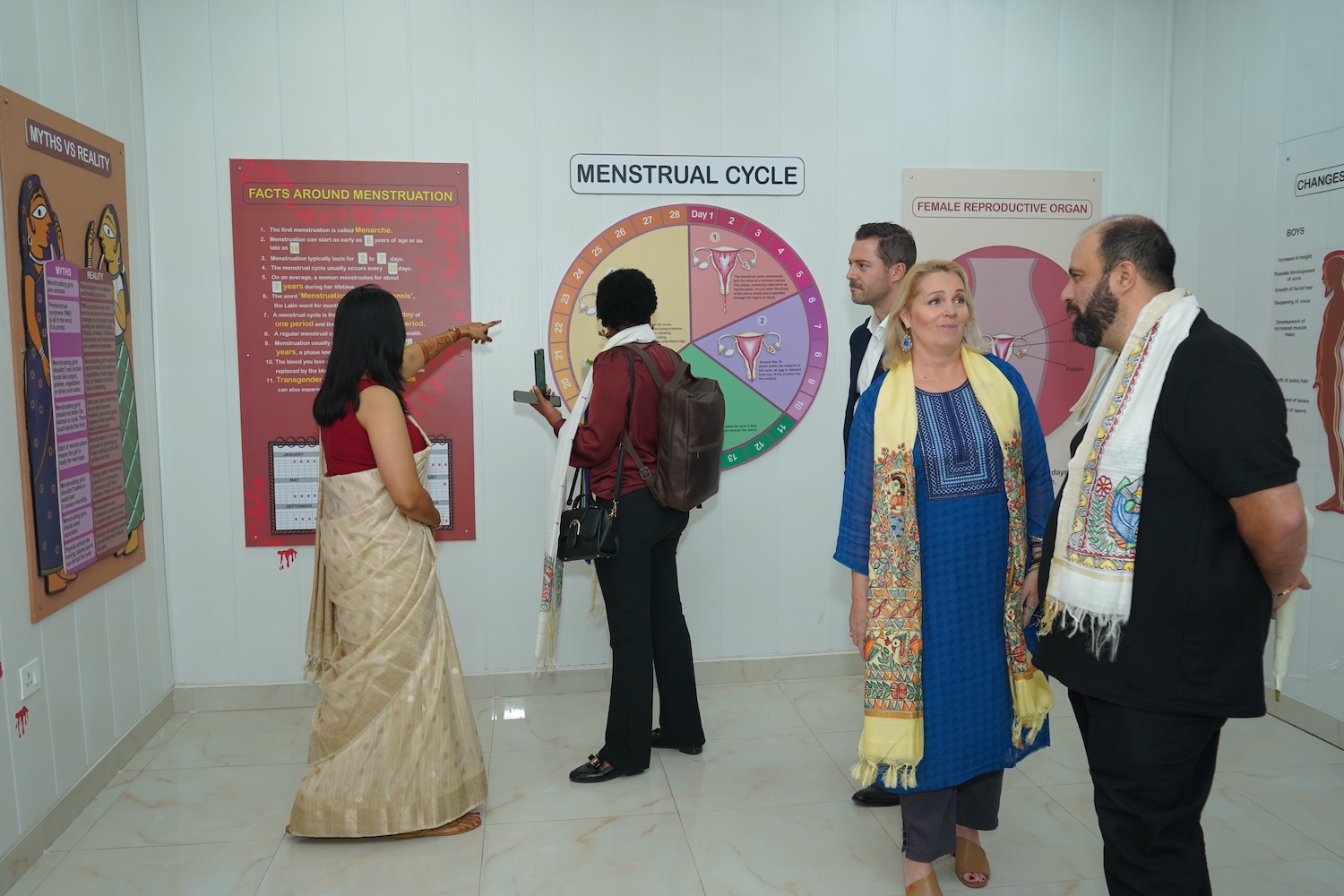
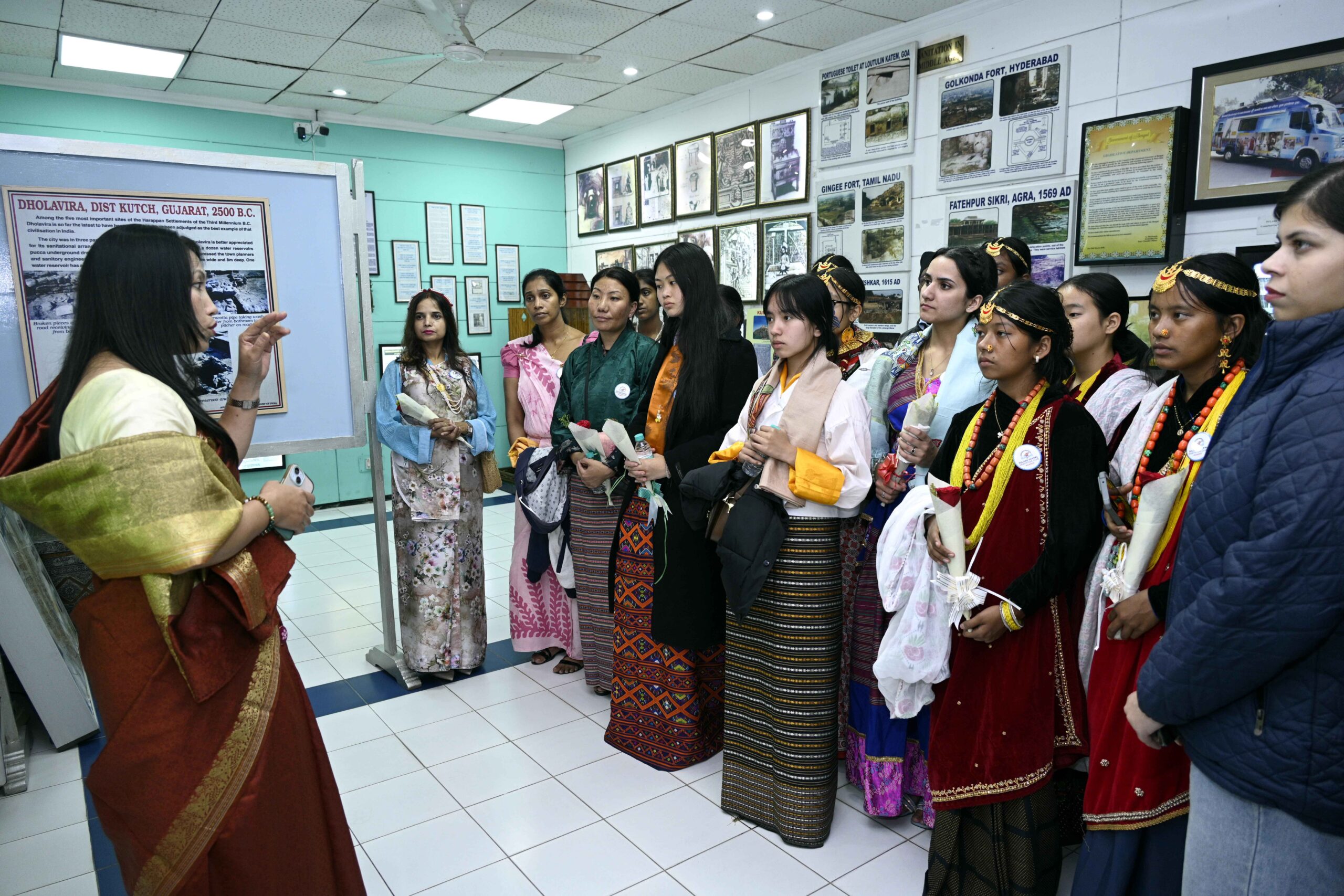
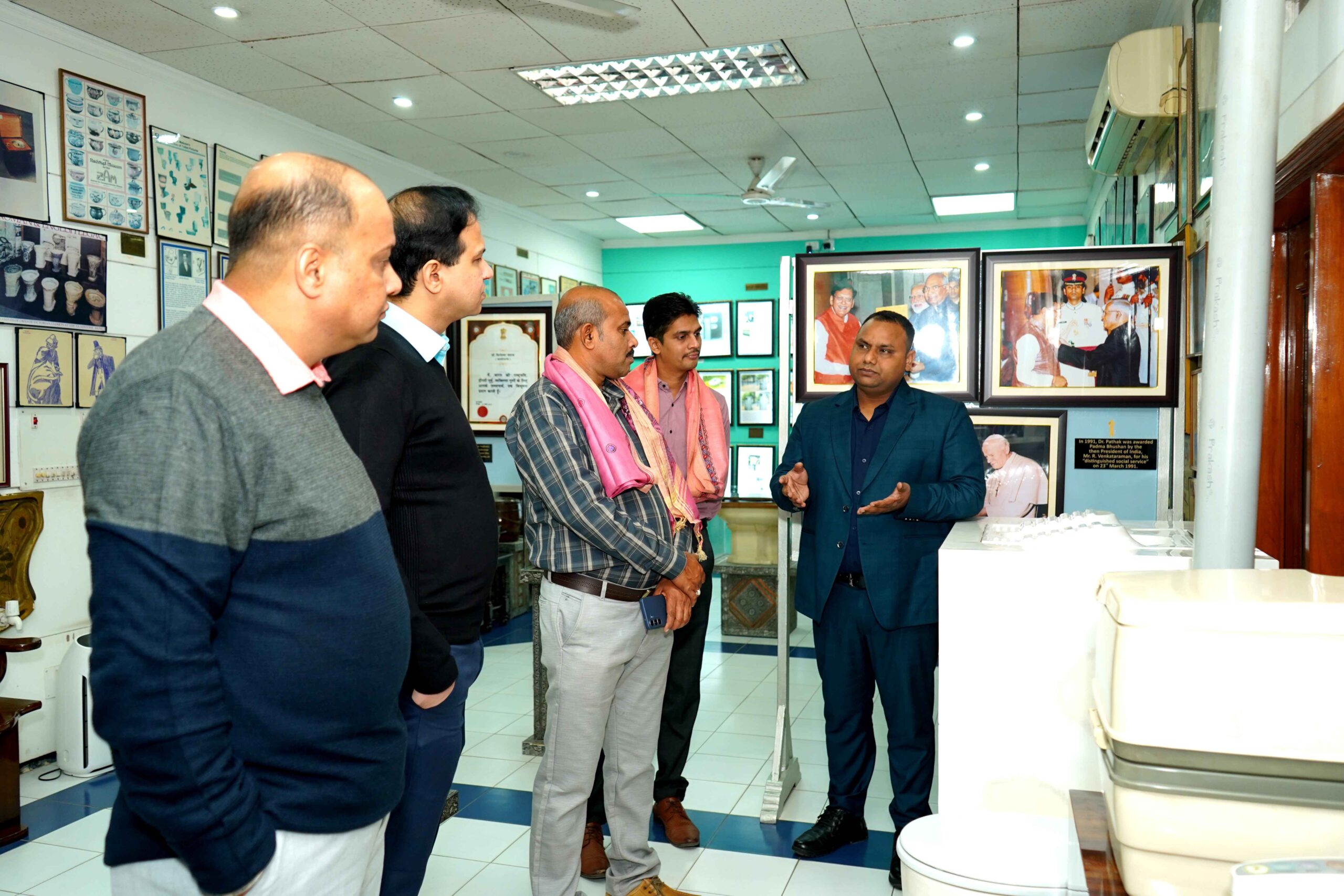
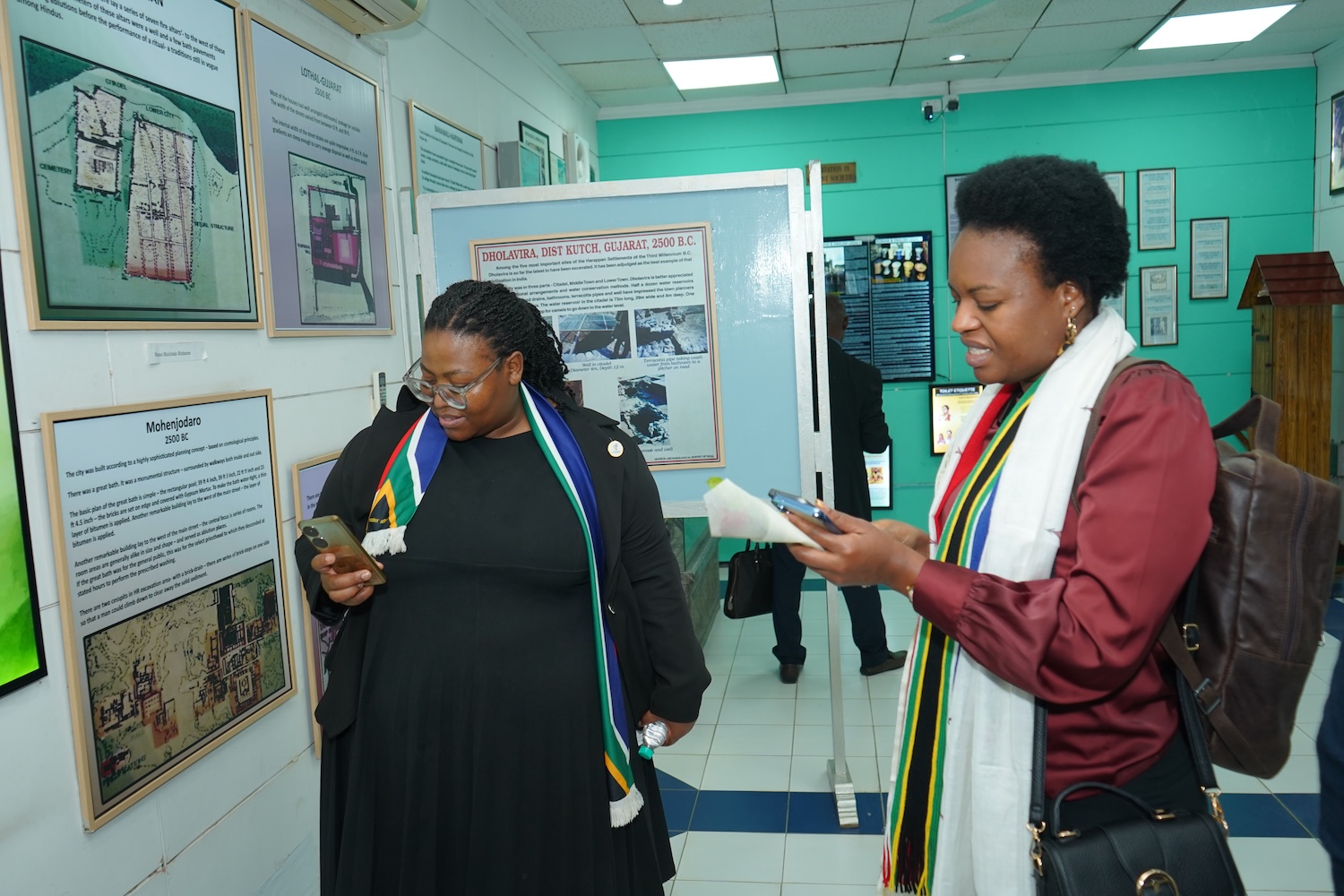
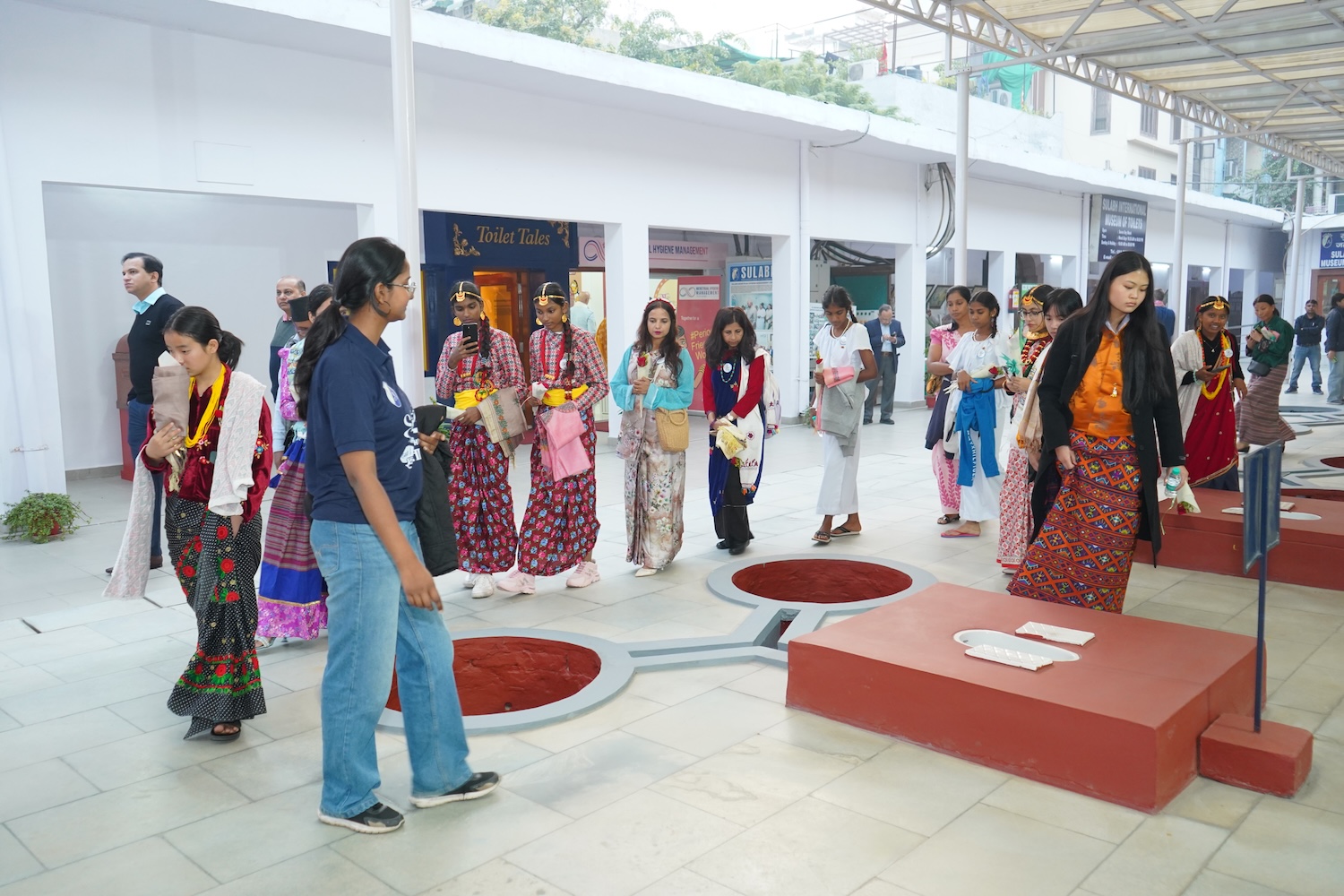
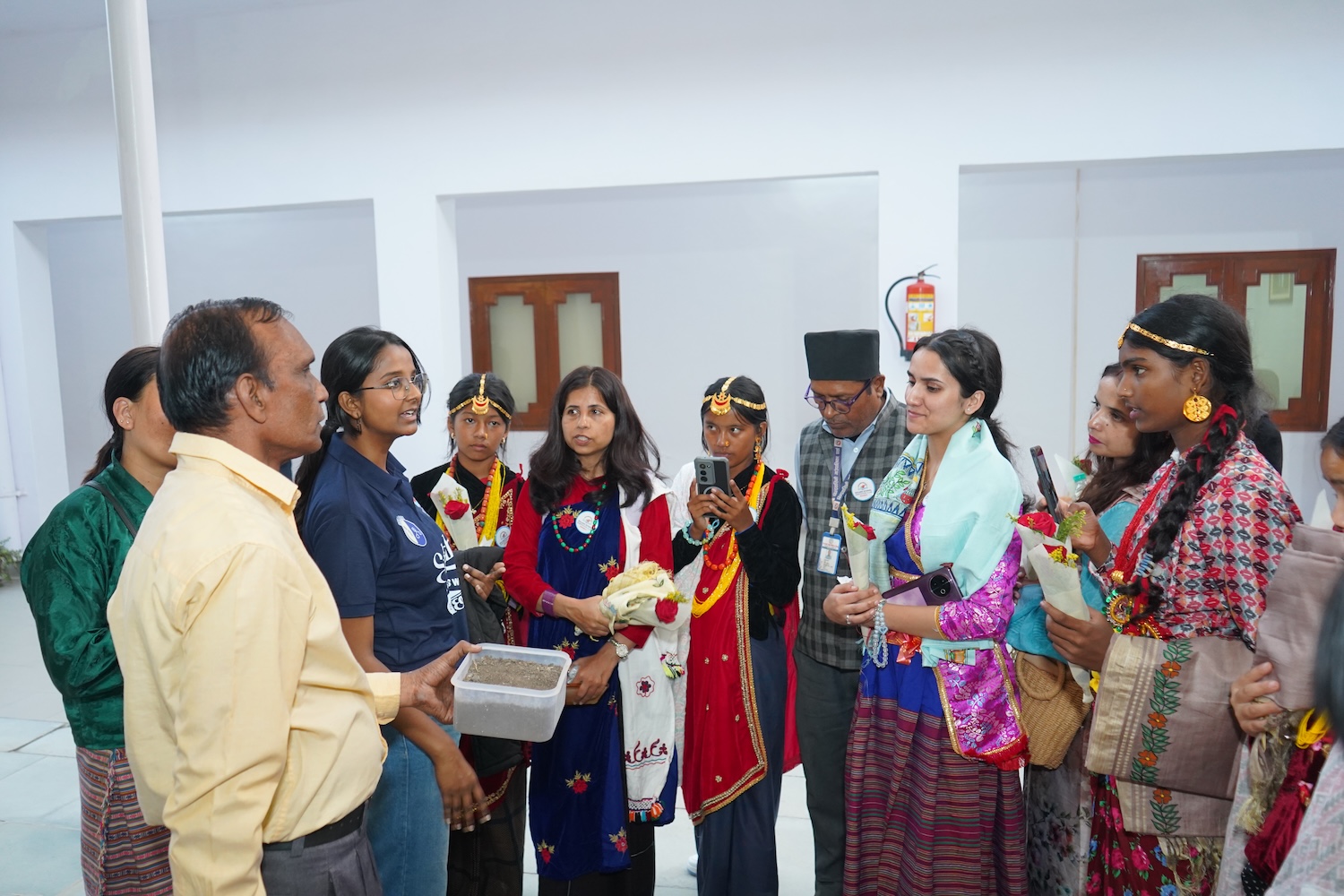
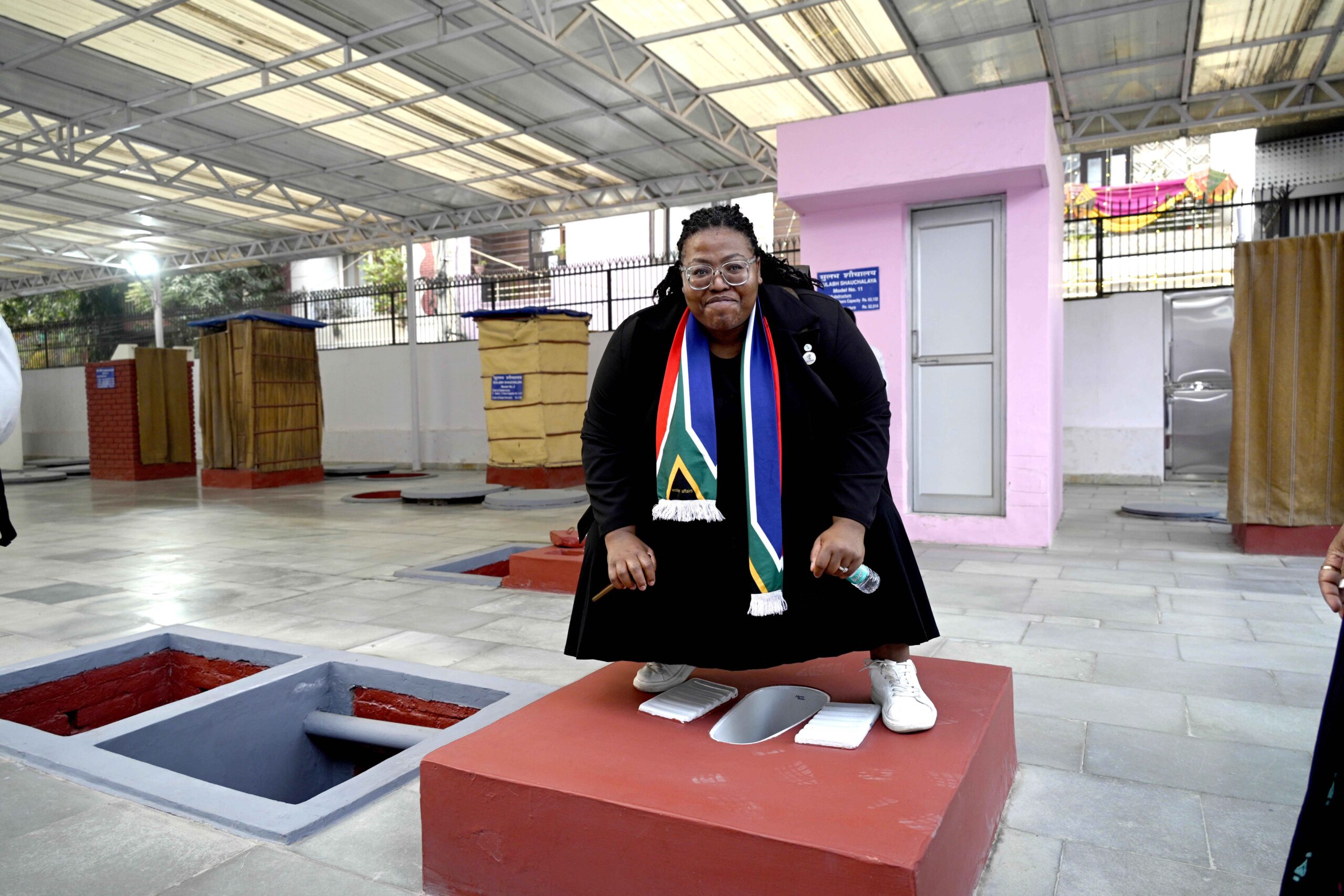
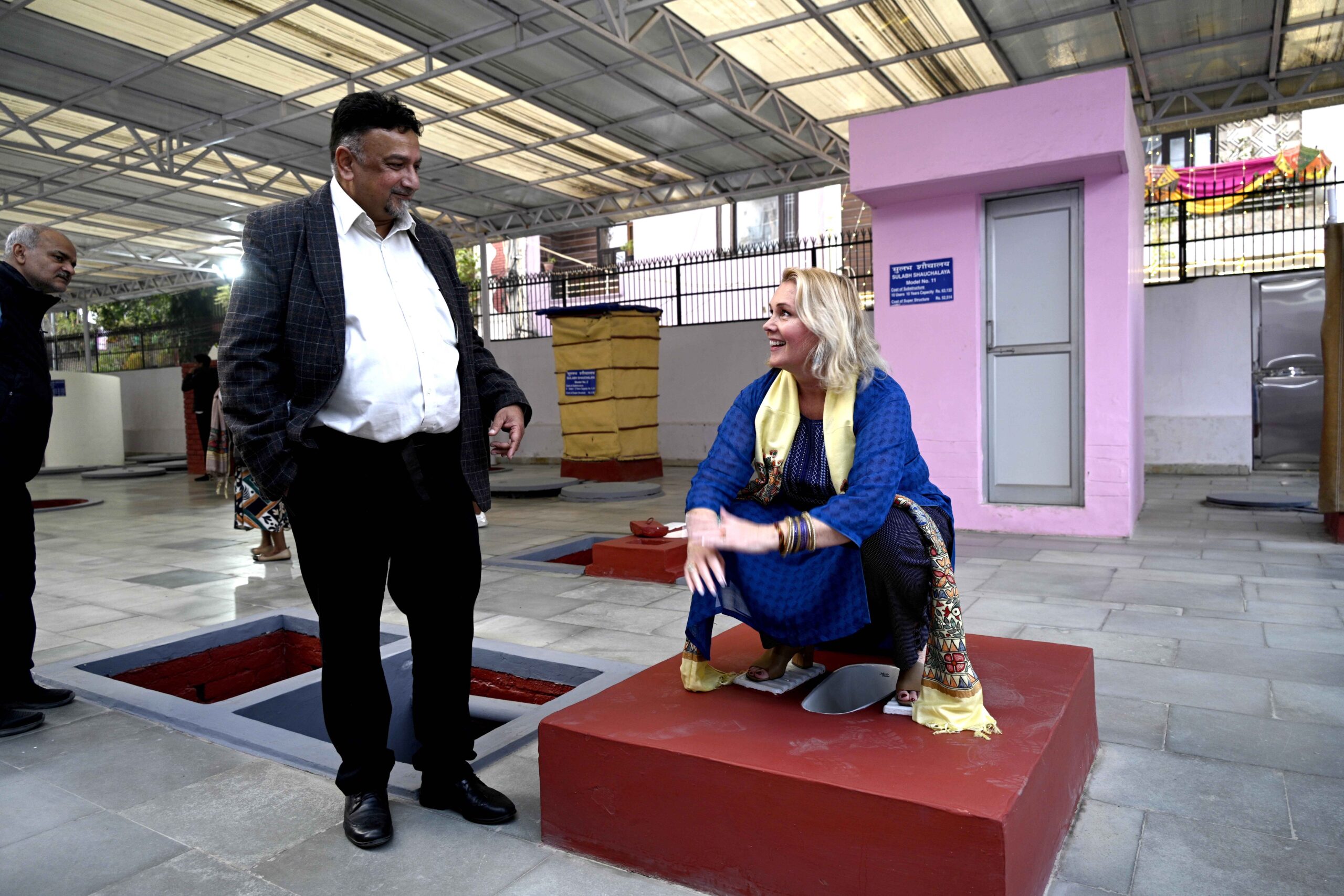
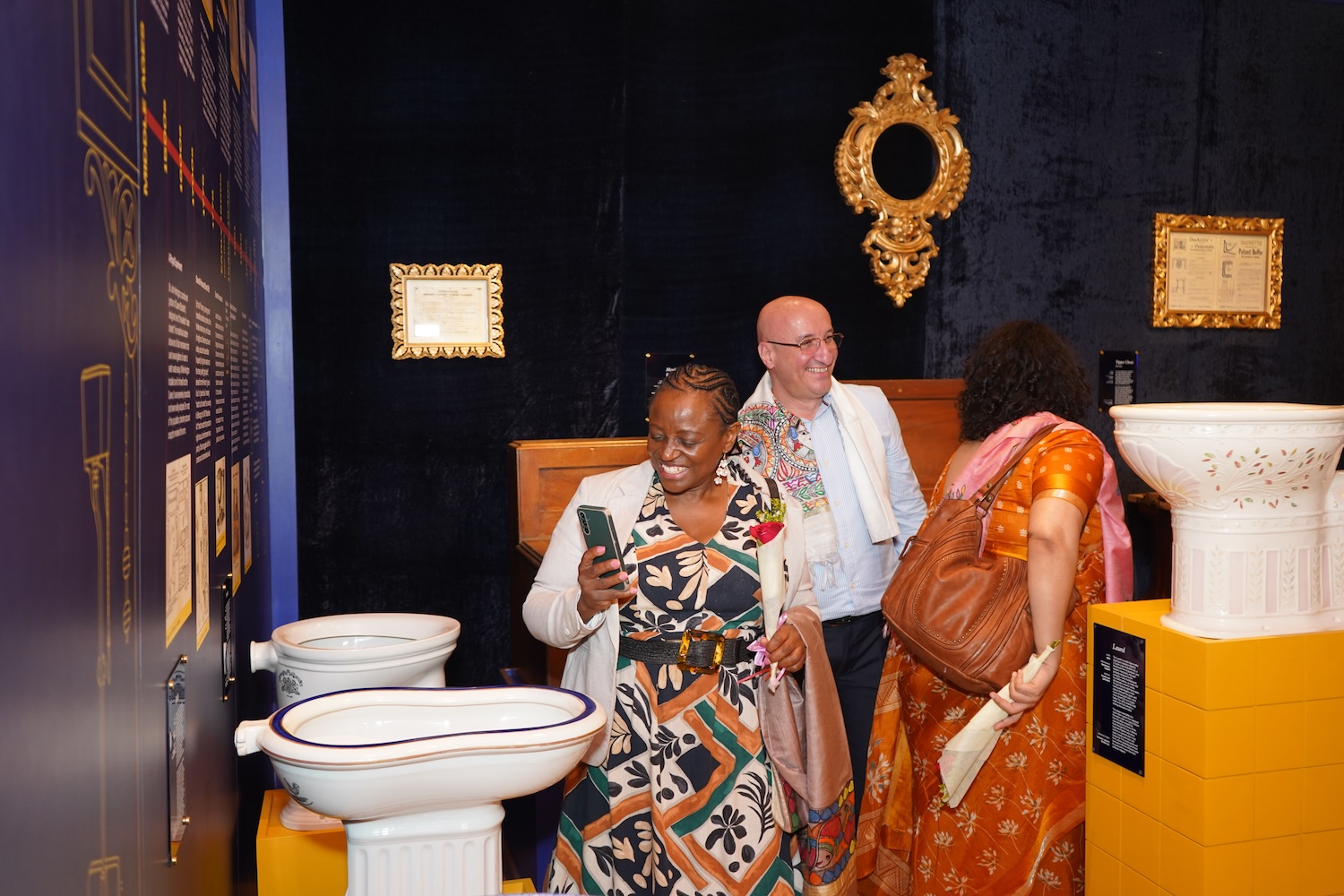
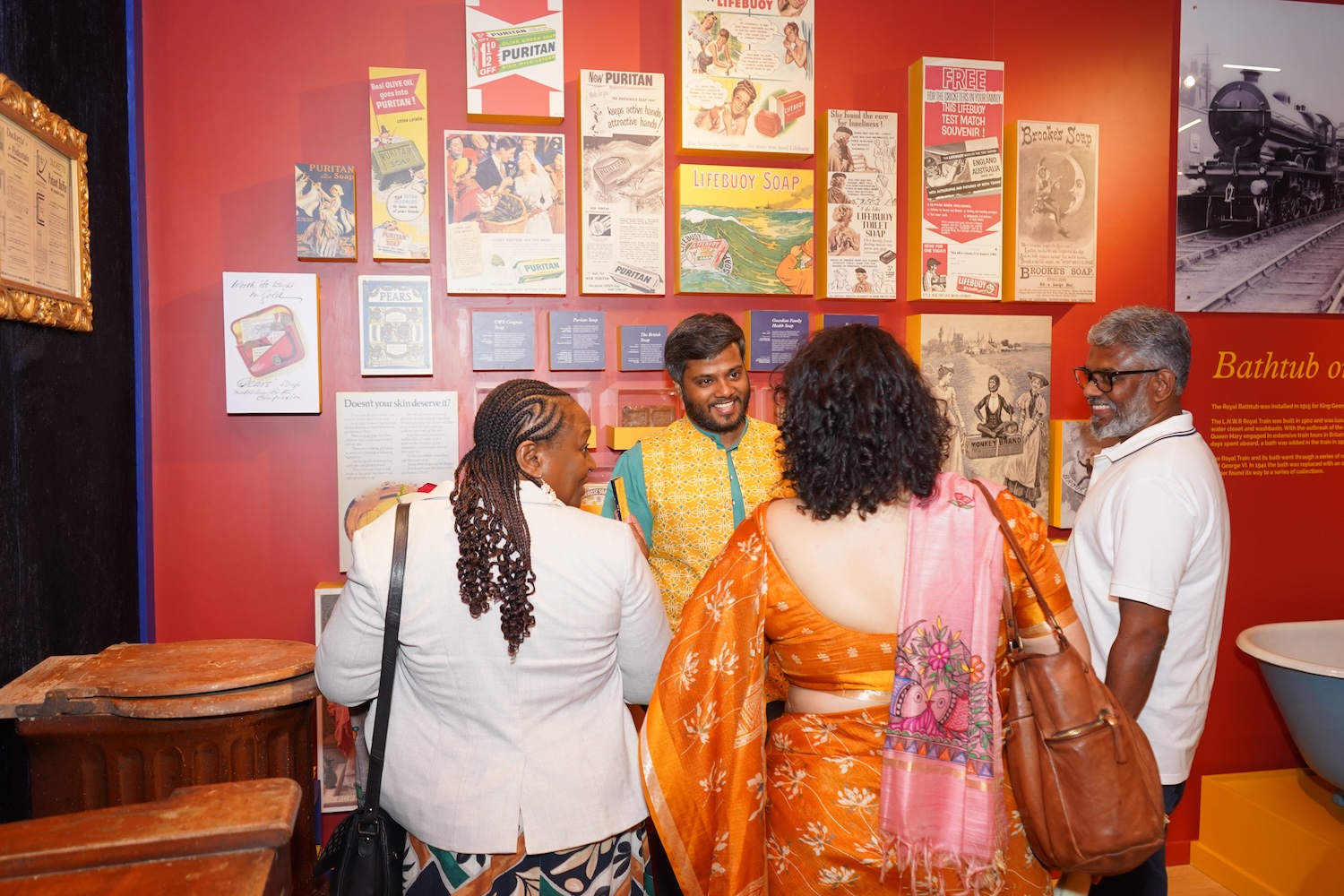
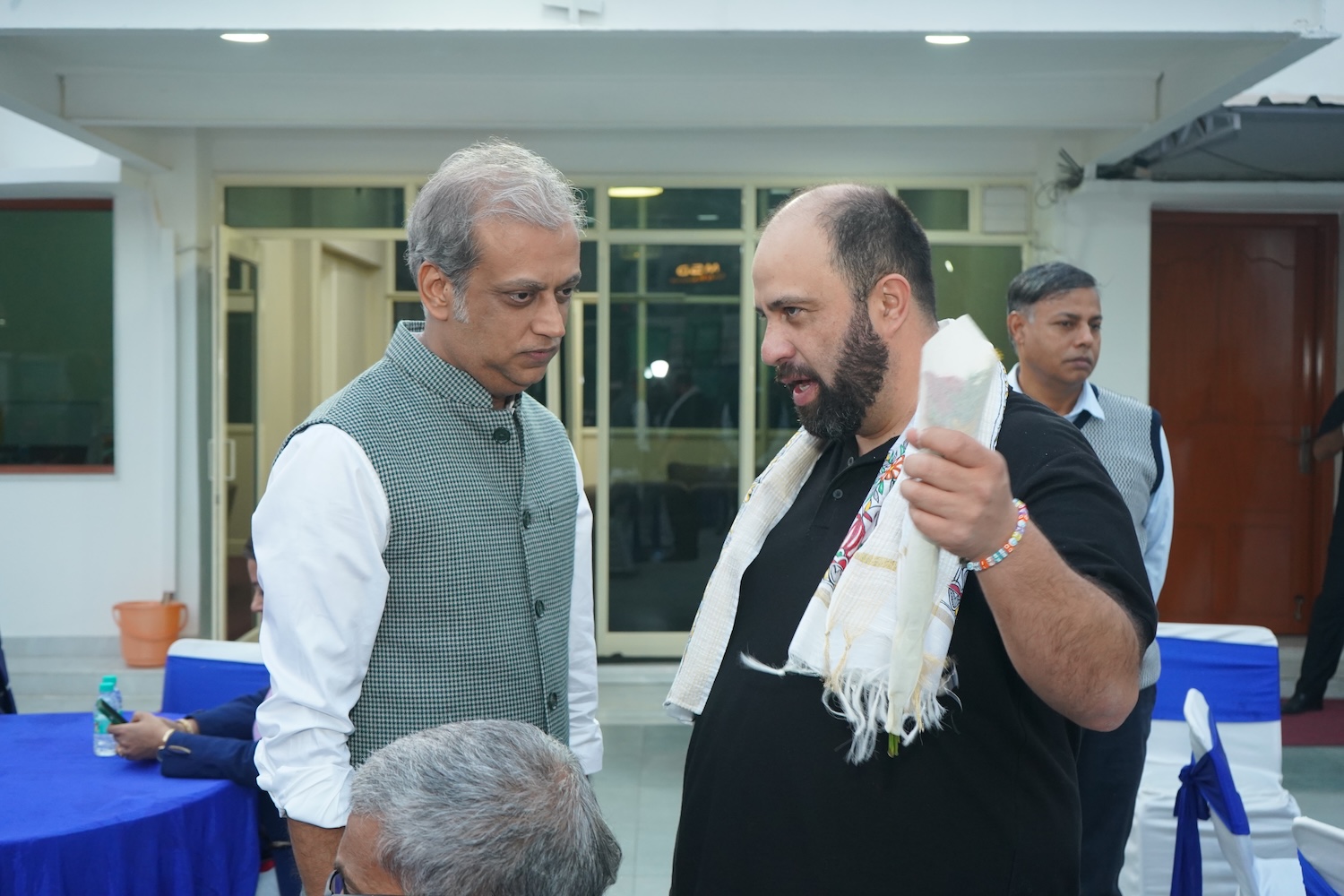
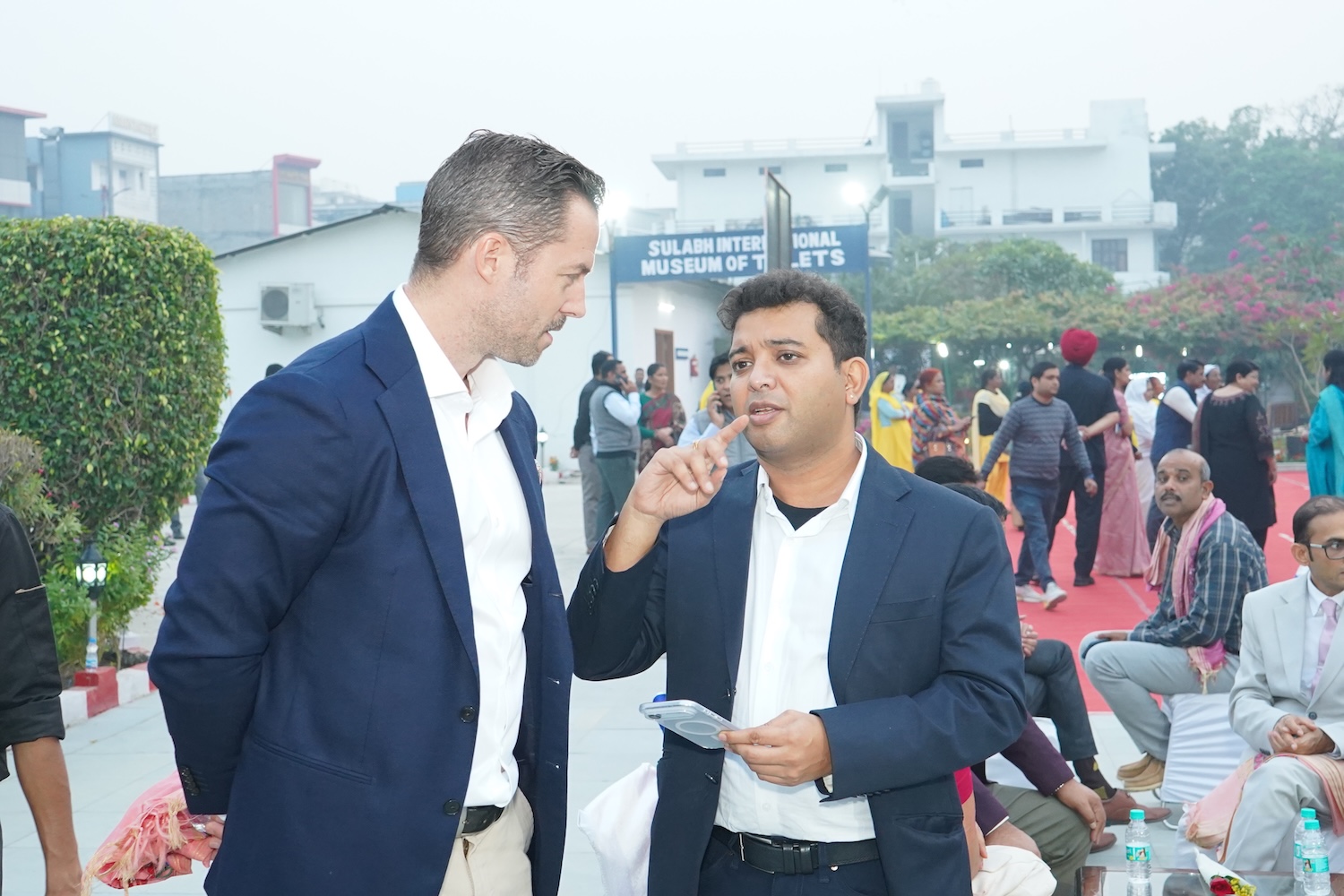
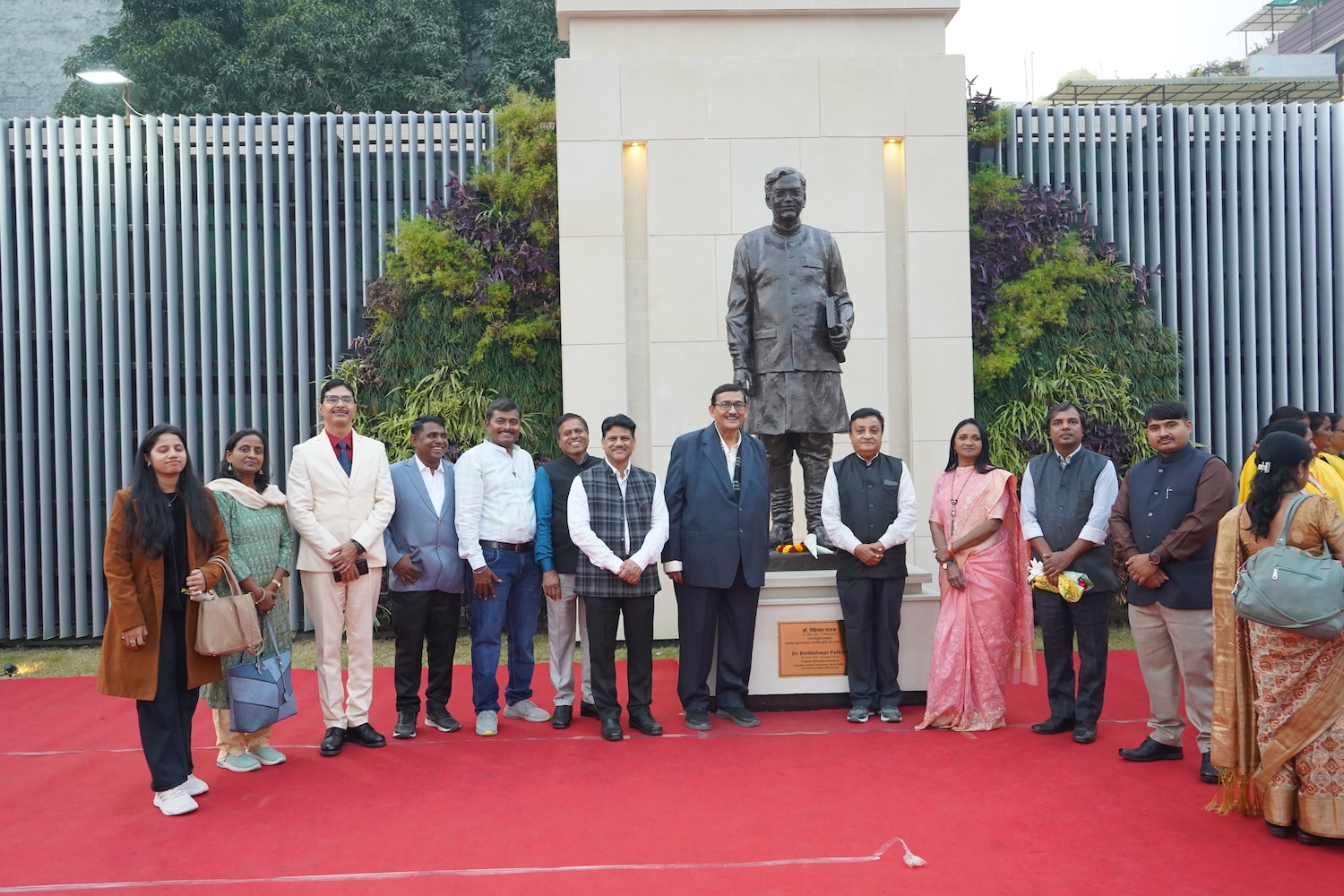
Following the inauguration, delegates visited the Sulabh Campus to experience Sulabh’s pioneering work in sanitation, technology, behaviour change, and gender inclusion. The visit included the Sulabh International Museum of Toilets, Bindeshwar Pathak Memorial Centre, and various innovative WASH systems that demonstrate Sulabh’s holistic approach.
WTS Expo 2025
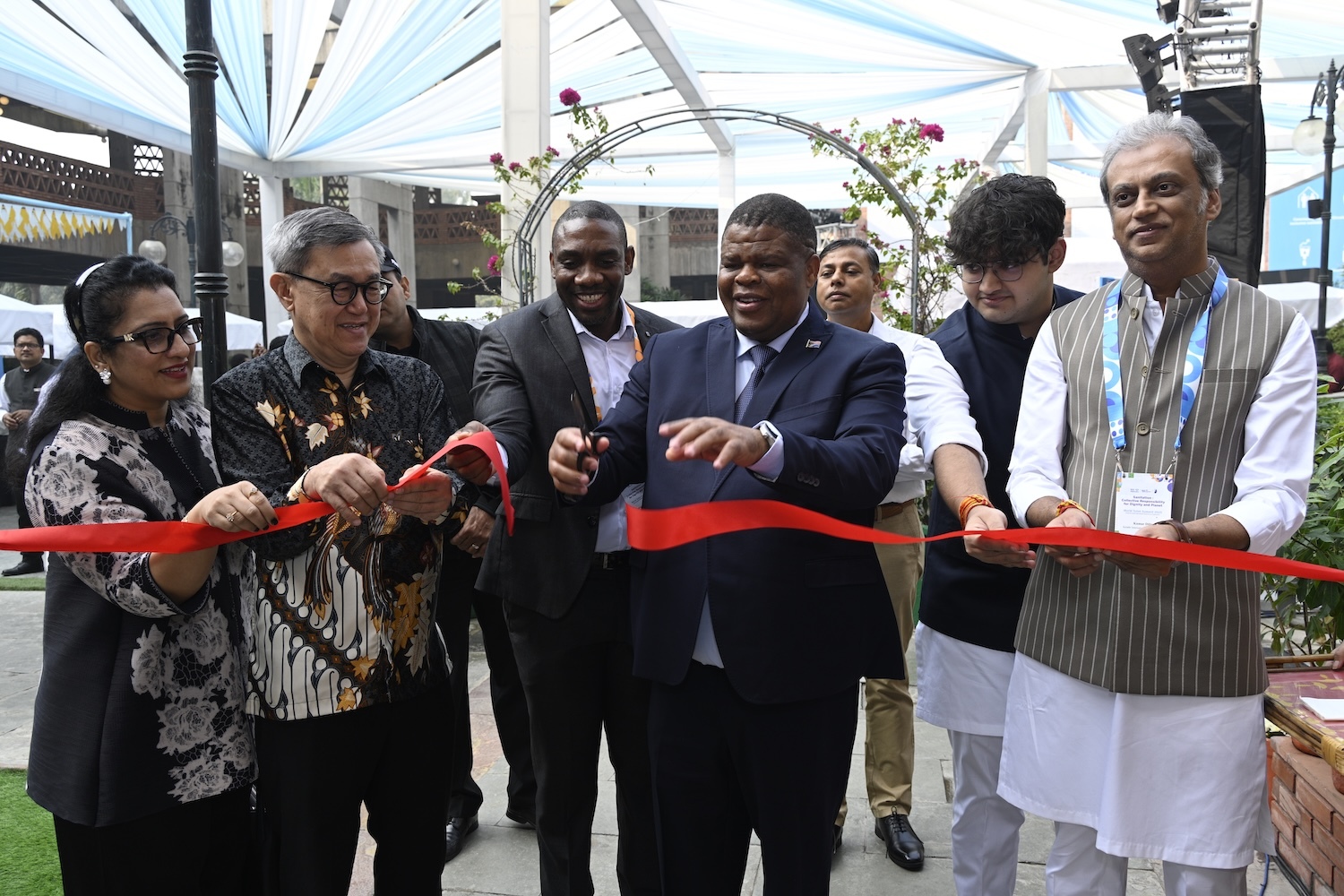
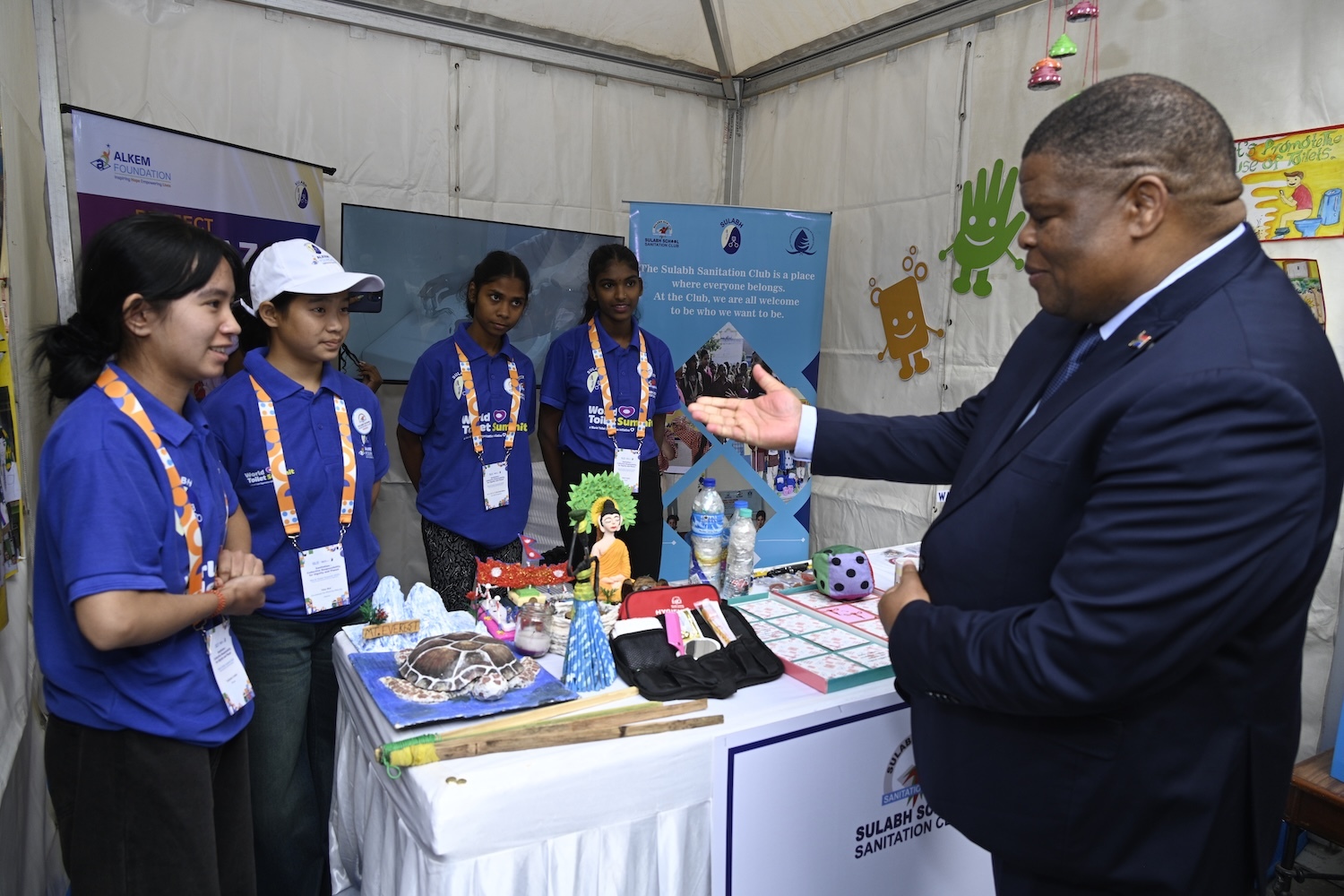
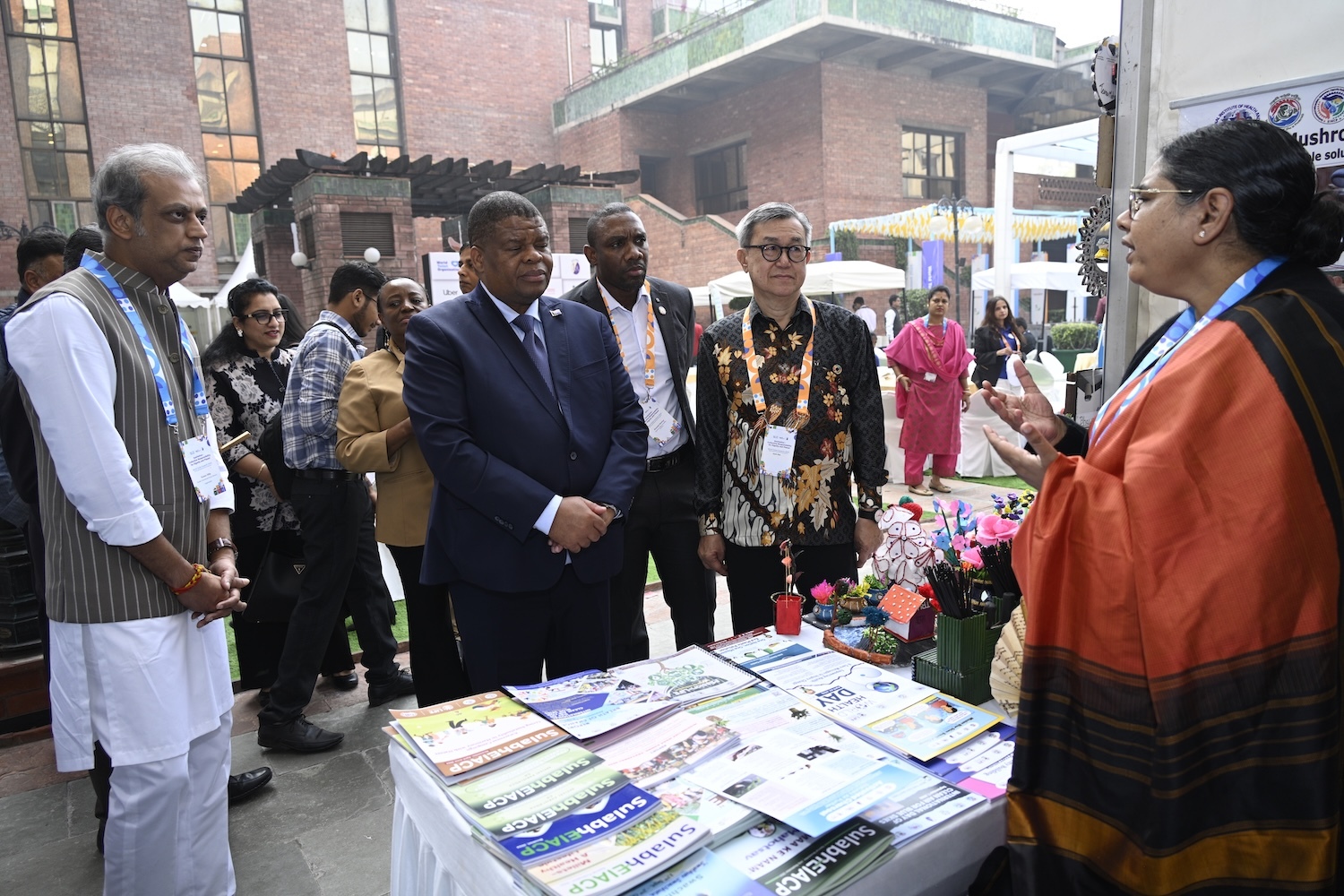
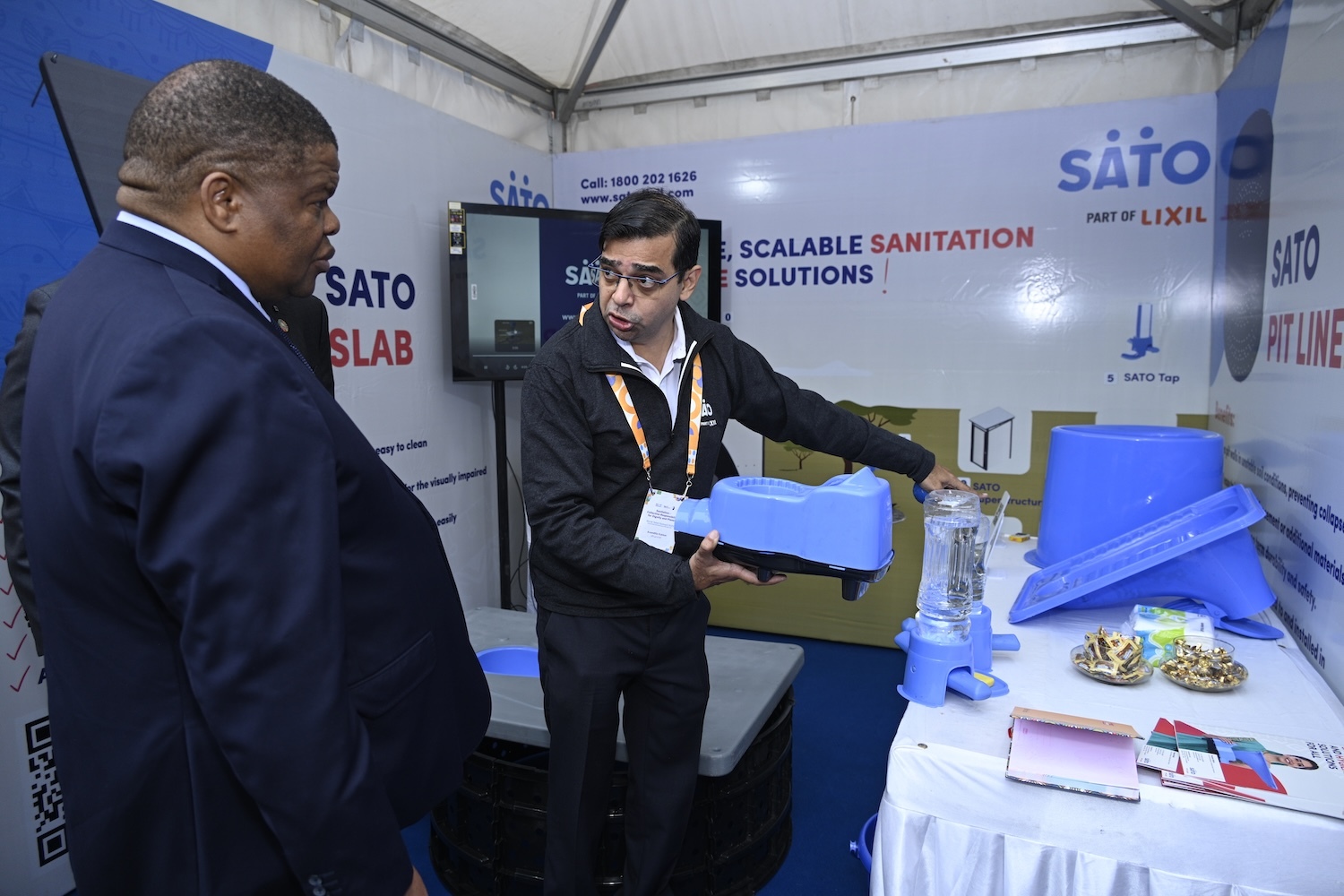
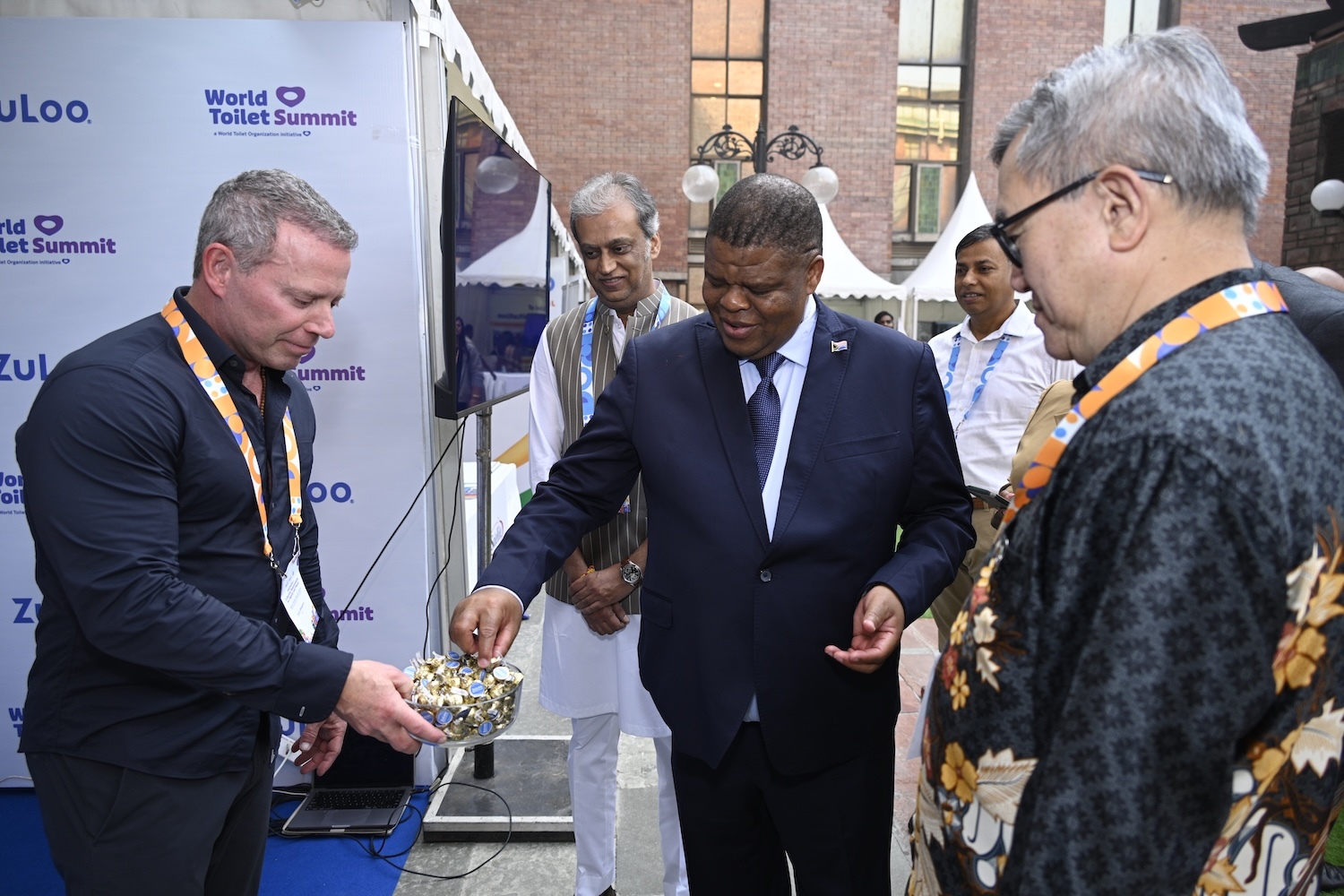
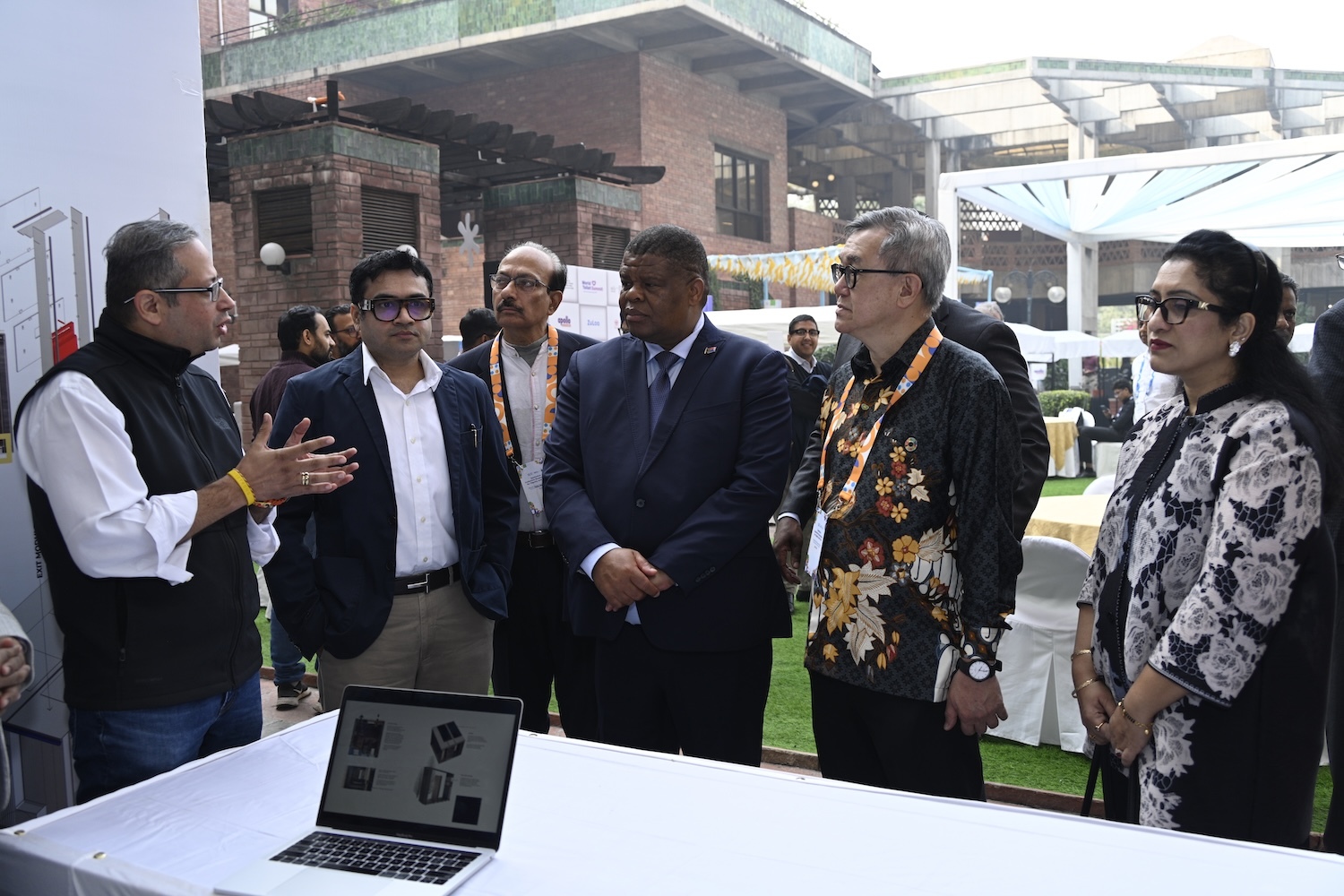
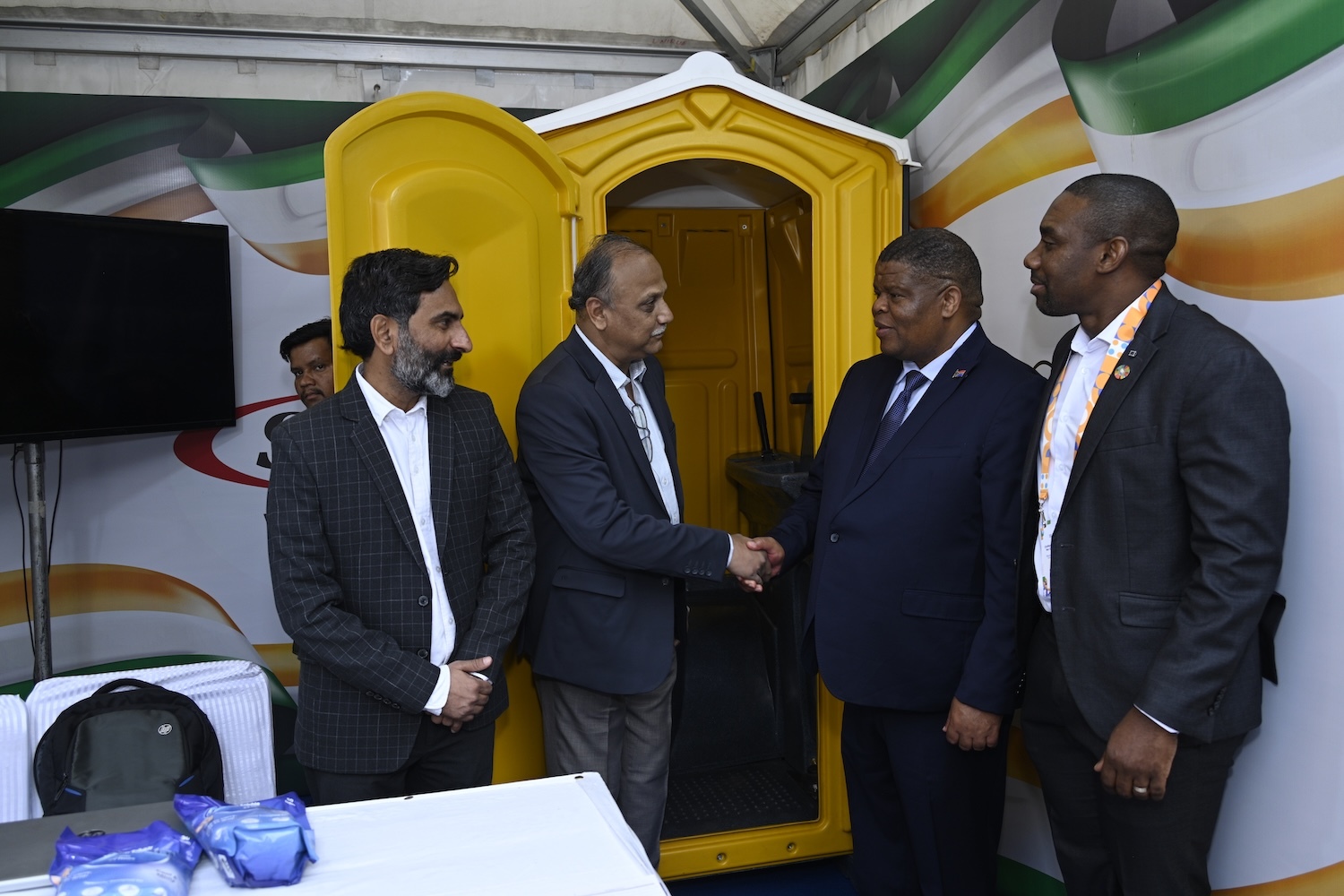
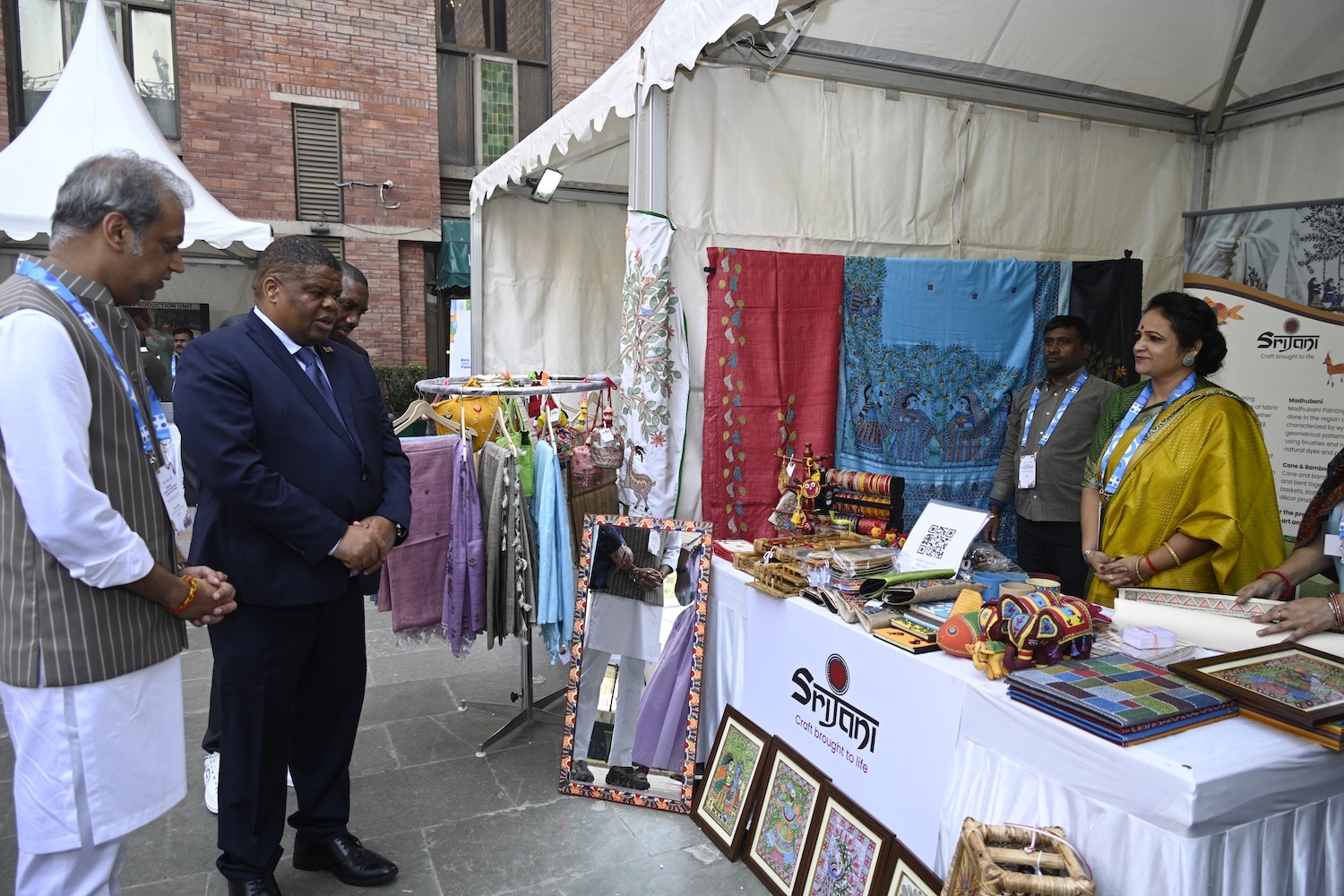
Day 2 opened with the grand inauguration of the WTS Expo at the India Habitat Centre by Hon’ble Mbangiseni David Mahlobo, Deputy Minister of Water and Sanitation, Republic of South Africa, along with Mr Kumar Dilip and Mr Jack Sim.
The Expo showcased corporates, innovators, artisans, and development organisations committed to advancing inclusive and sustainable sanitation solutions.
The technical sessions from day 2 started with a special session – African Voices: A Call for Dignity and Justice
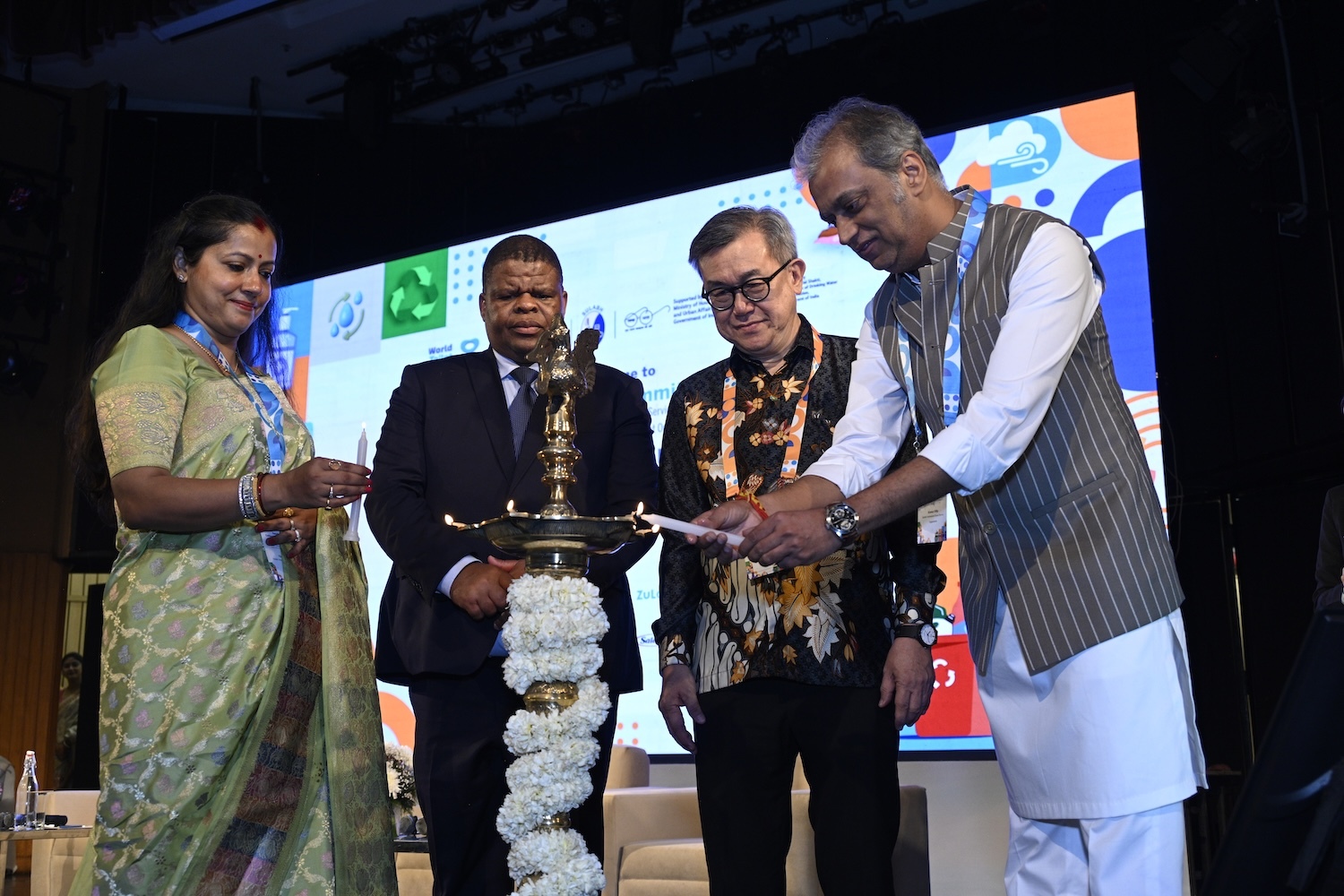
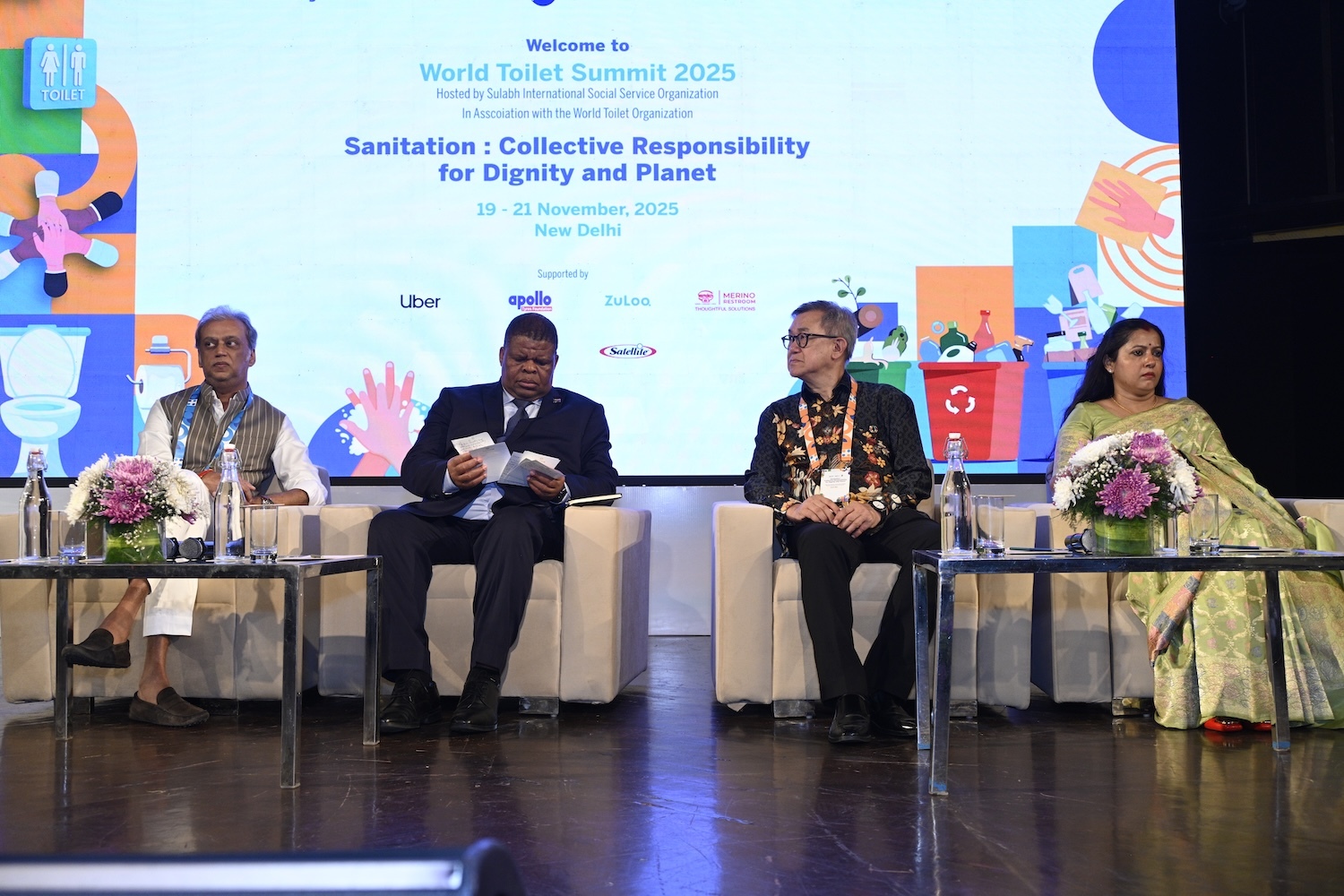
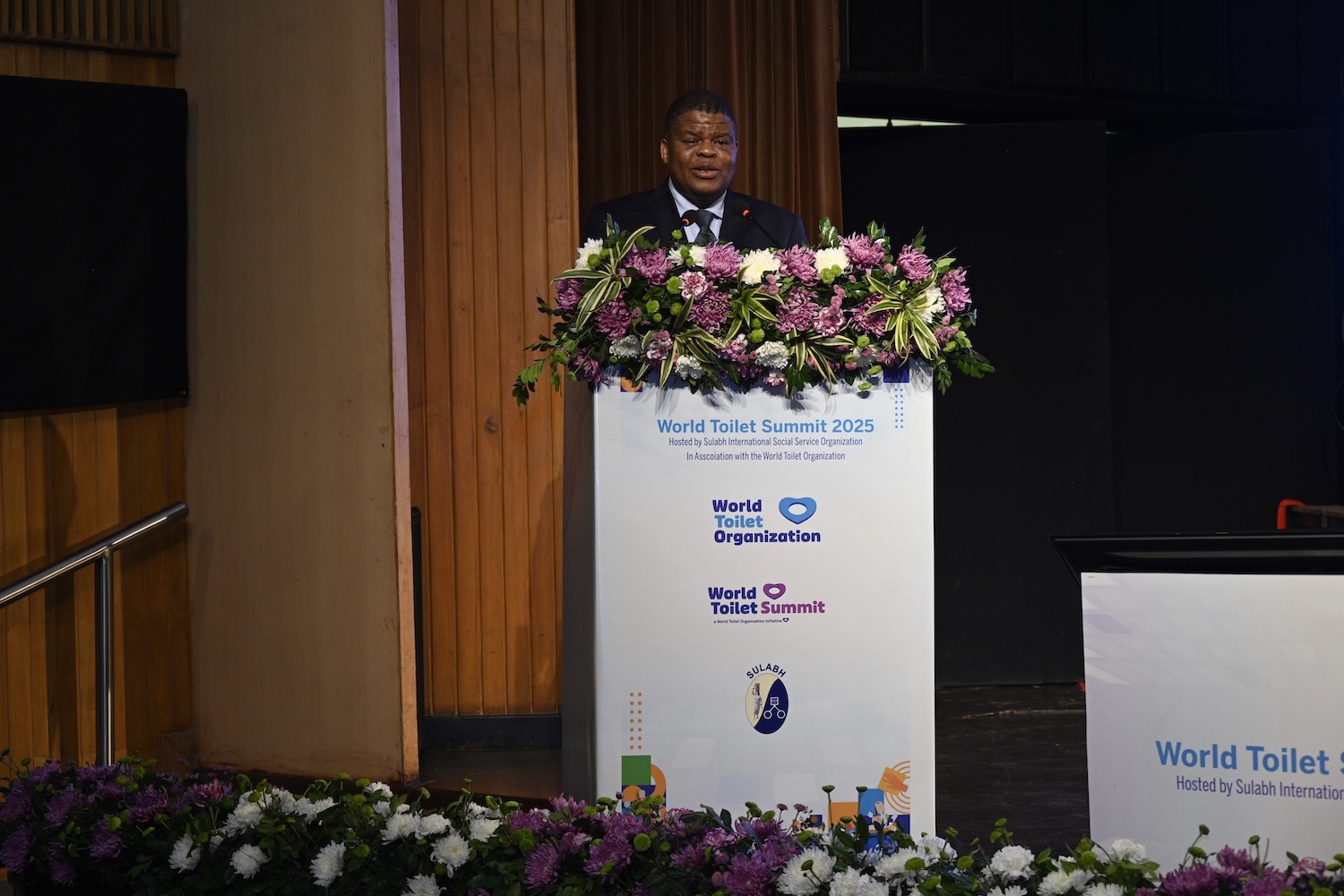
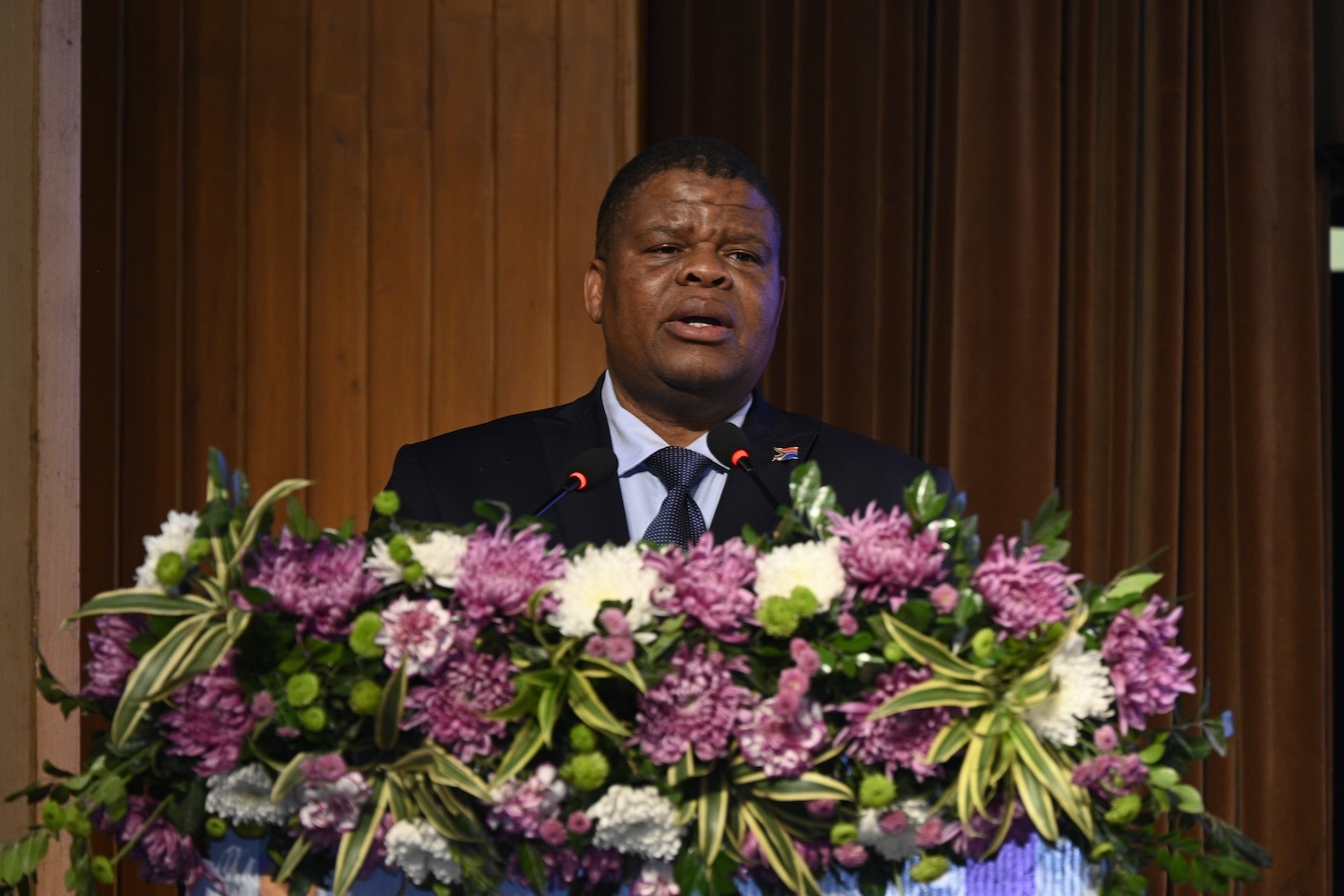
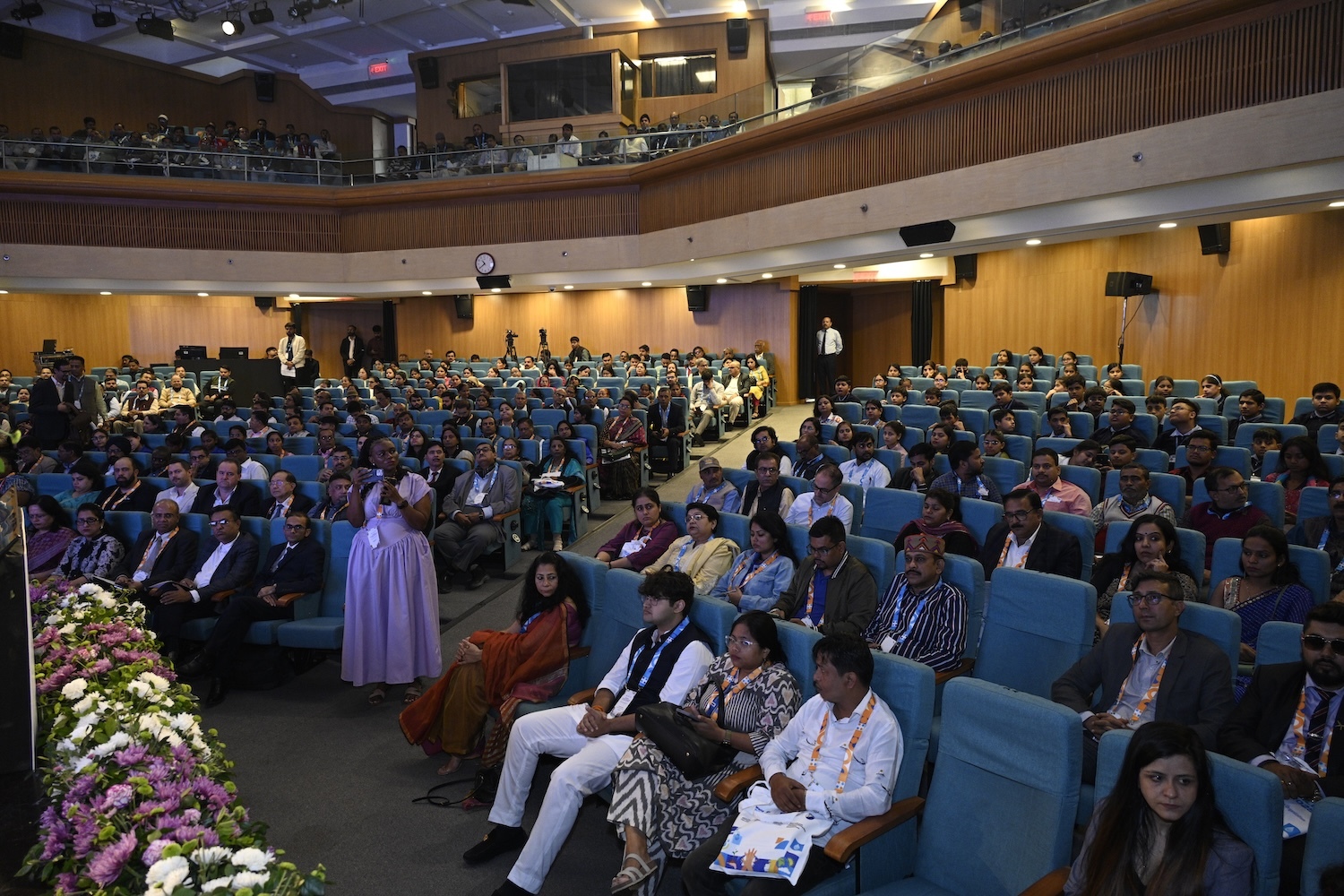
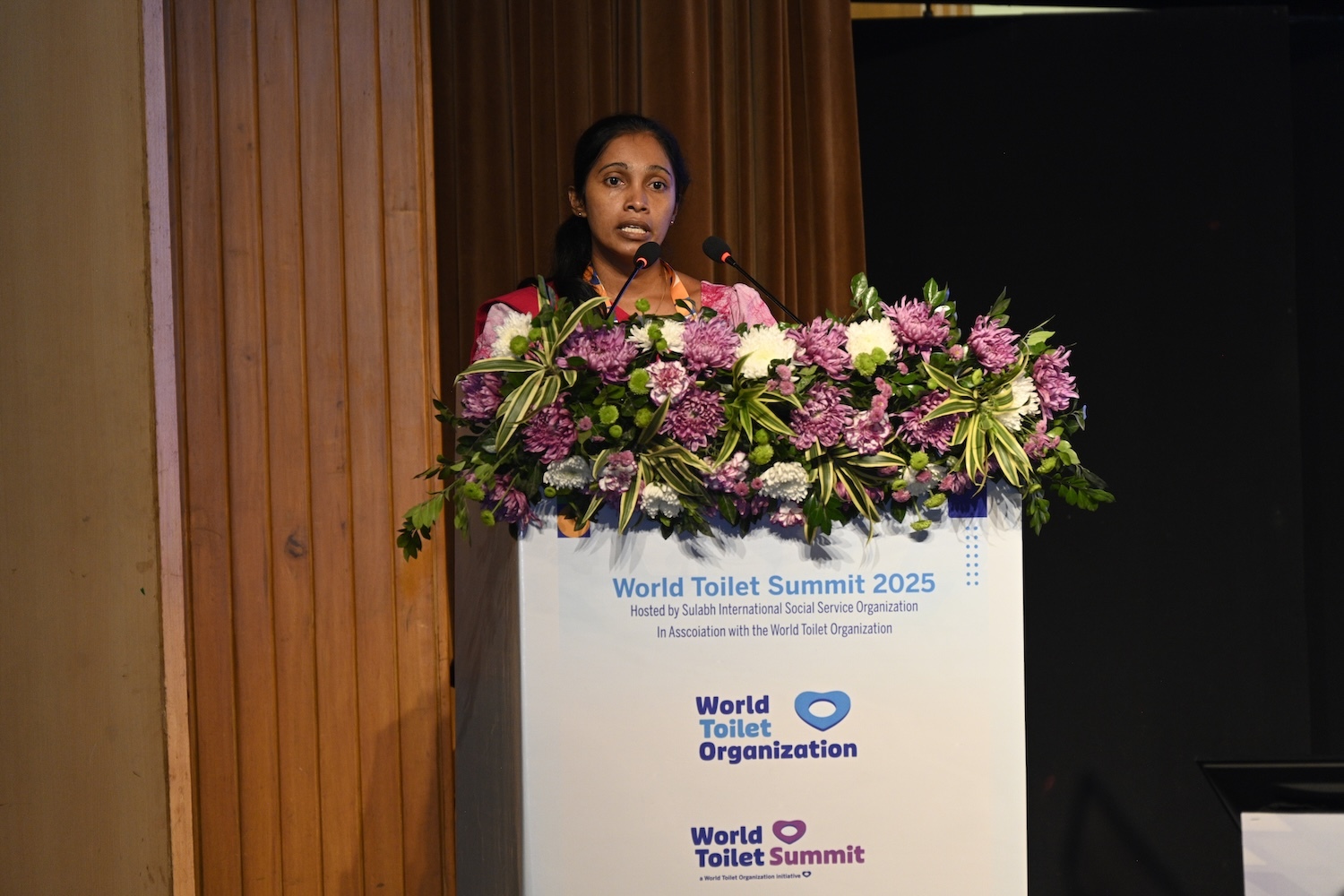
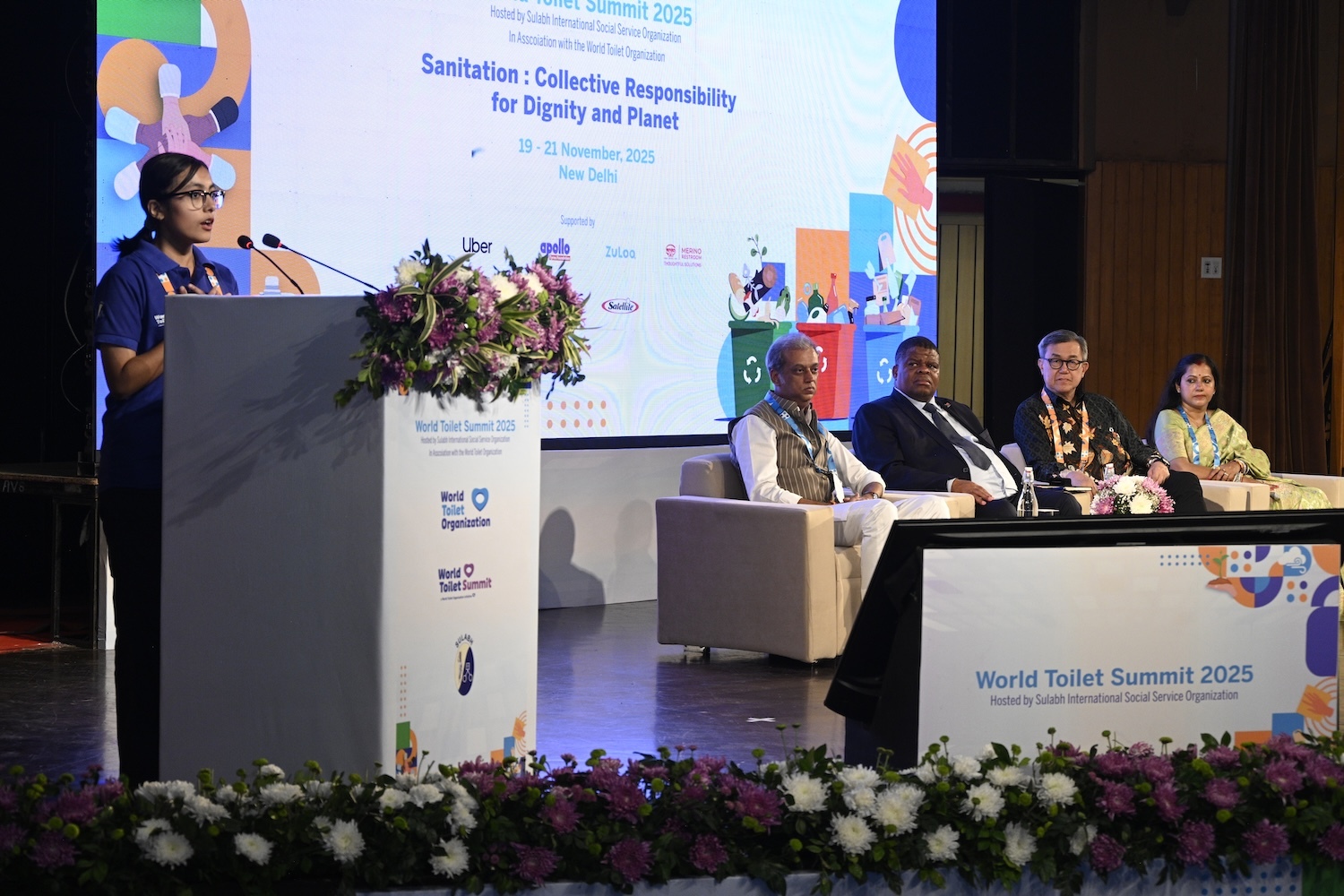
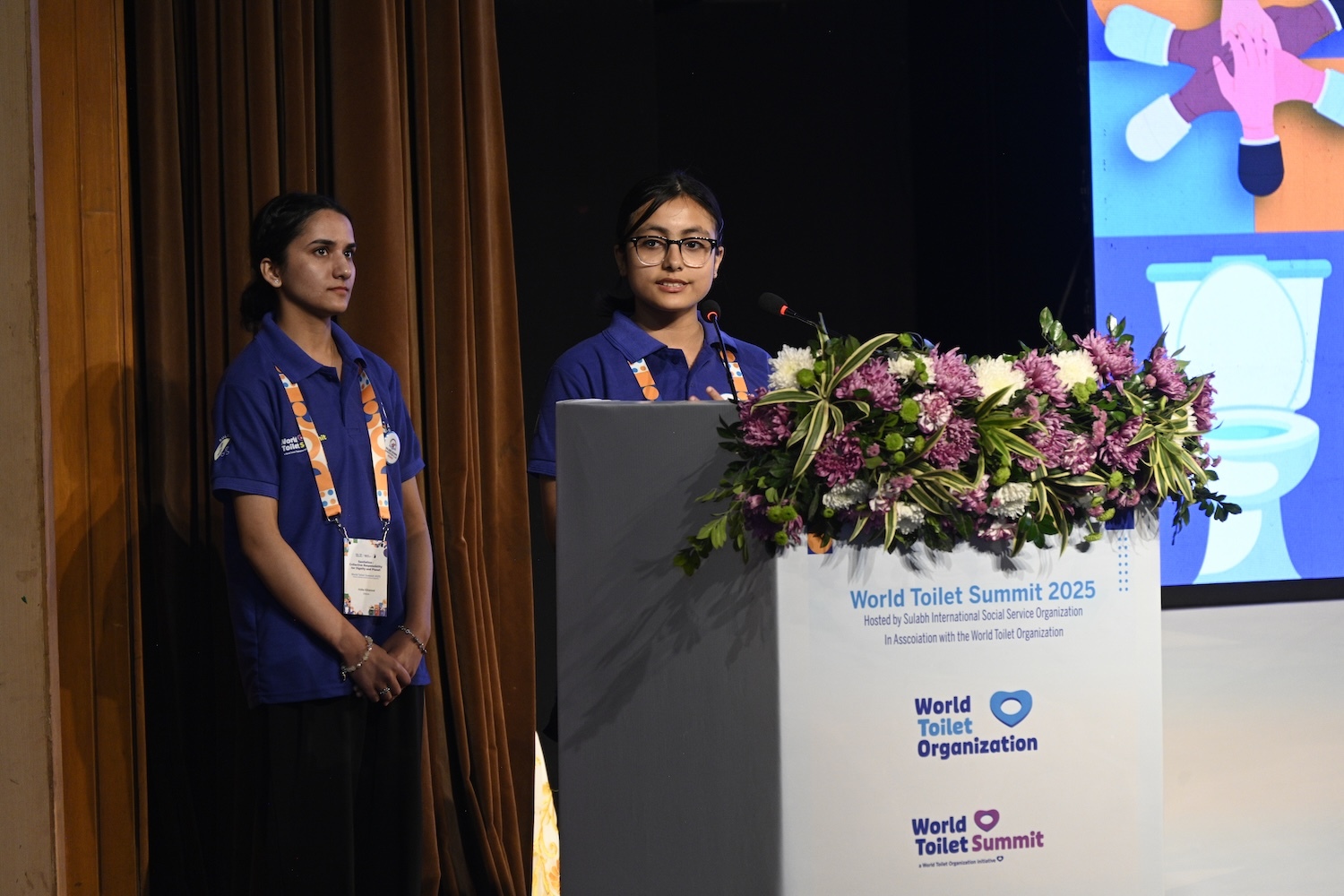
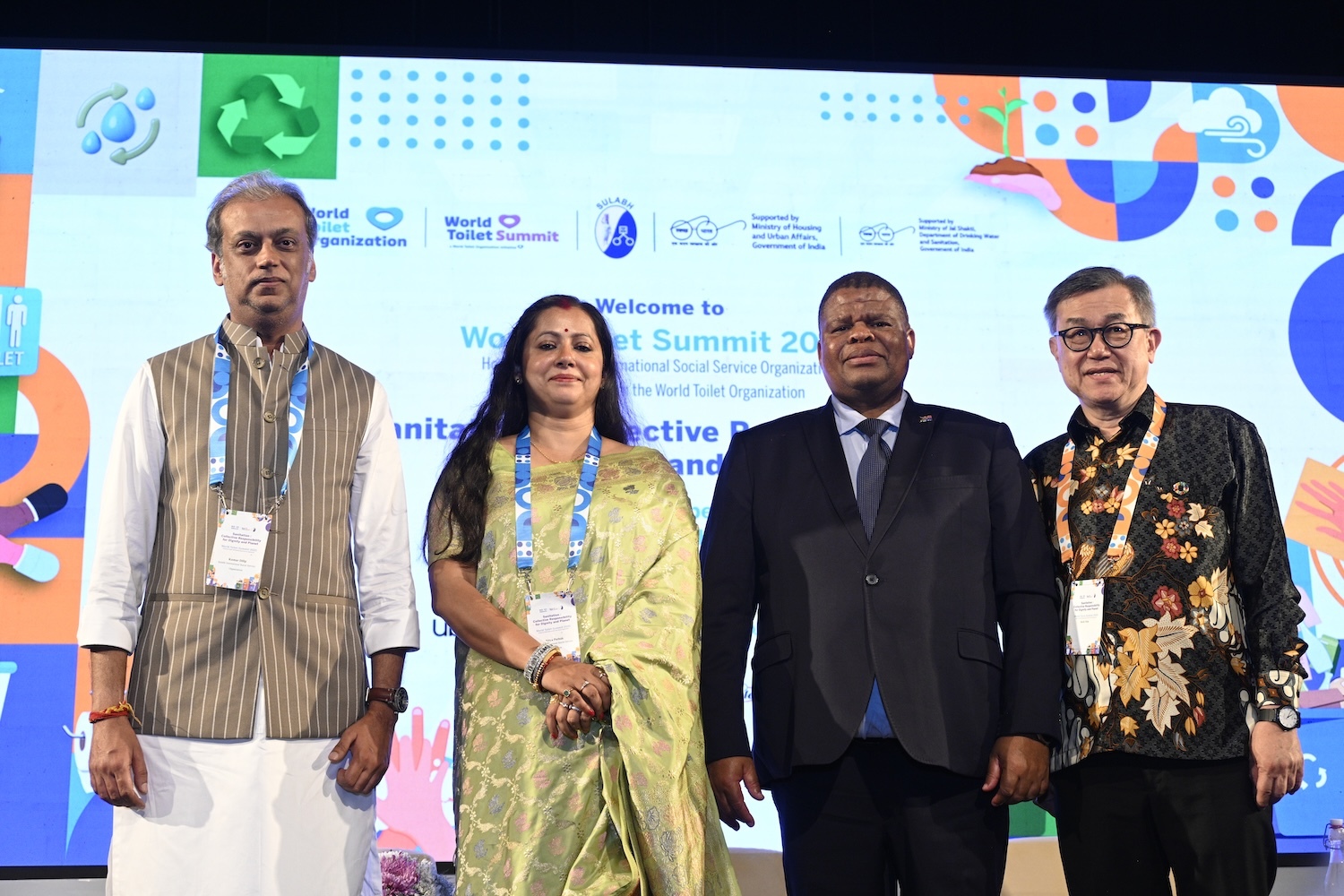
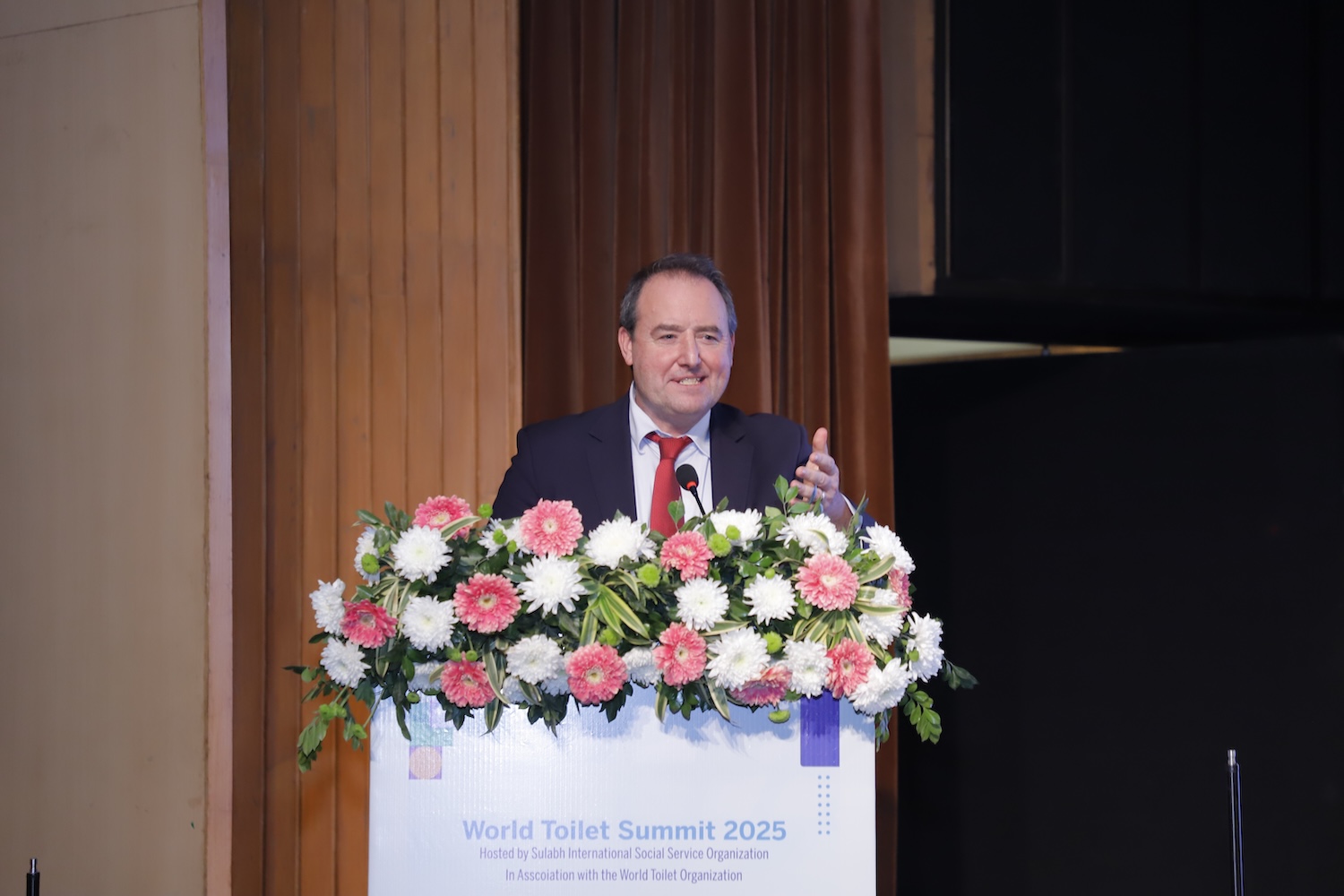
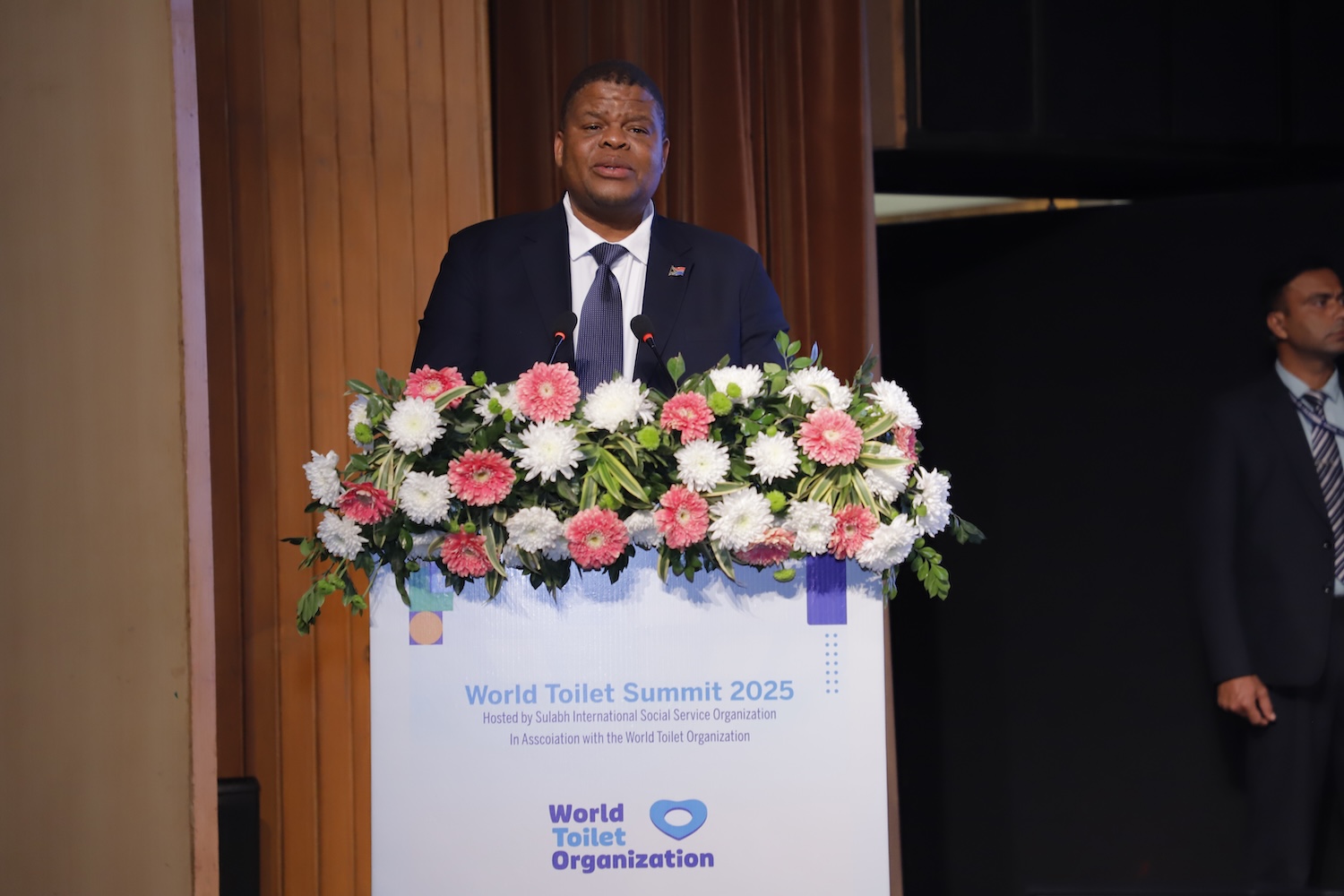
This session offered one of the summit’s strongest moral perspectives. Hon’ble David Mahlobo, Deputy Minister of Water and Sanitation, Republic of South Africa, speaking on behalf of President Cyril Ramaphosa, reminded the global community that sanitation is far more than infrastructure — it is dignity, justice, public safety, climate resilience, and the foundation of our shared humanity.
He highlighted a world strained by conflict, climate disruption, and inequality, where millions still live without safe sanitation and women and girls face the greatest burdens. Africa, he stressed, does not seek charity but fair, respectful partnerships, and a new sanitation economy built on circularity, innovation, climate-smart systems, and community resilience.
In a stirring appeal, he urged nations to choose collaboration over competition so that future generations inherit not squalor and broken systems, but peace, justice, and restored dignity. His closing words captured the session’s spirit with profound clarity: “Let our children bring flowers to our graves, not curses.”
- Session 1
- Session 2
- Session 3
- Session 4
- Special Session 5
- Session 6
- Hall of Fame Awards 2025
- Valedictory Session
- Partners
India’s Sanitation Journey and the Road Ahead
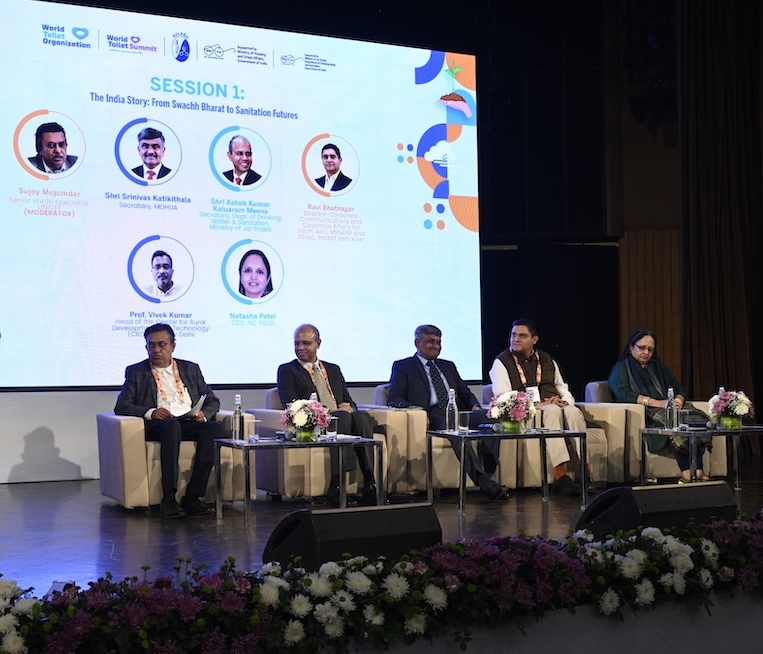
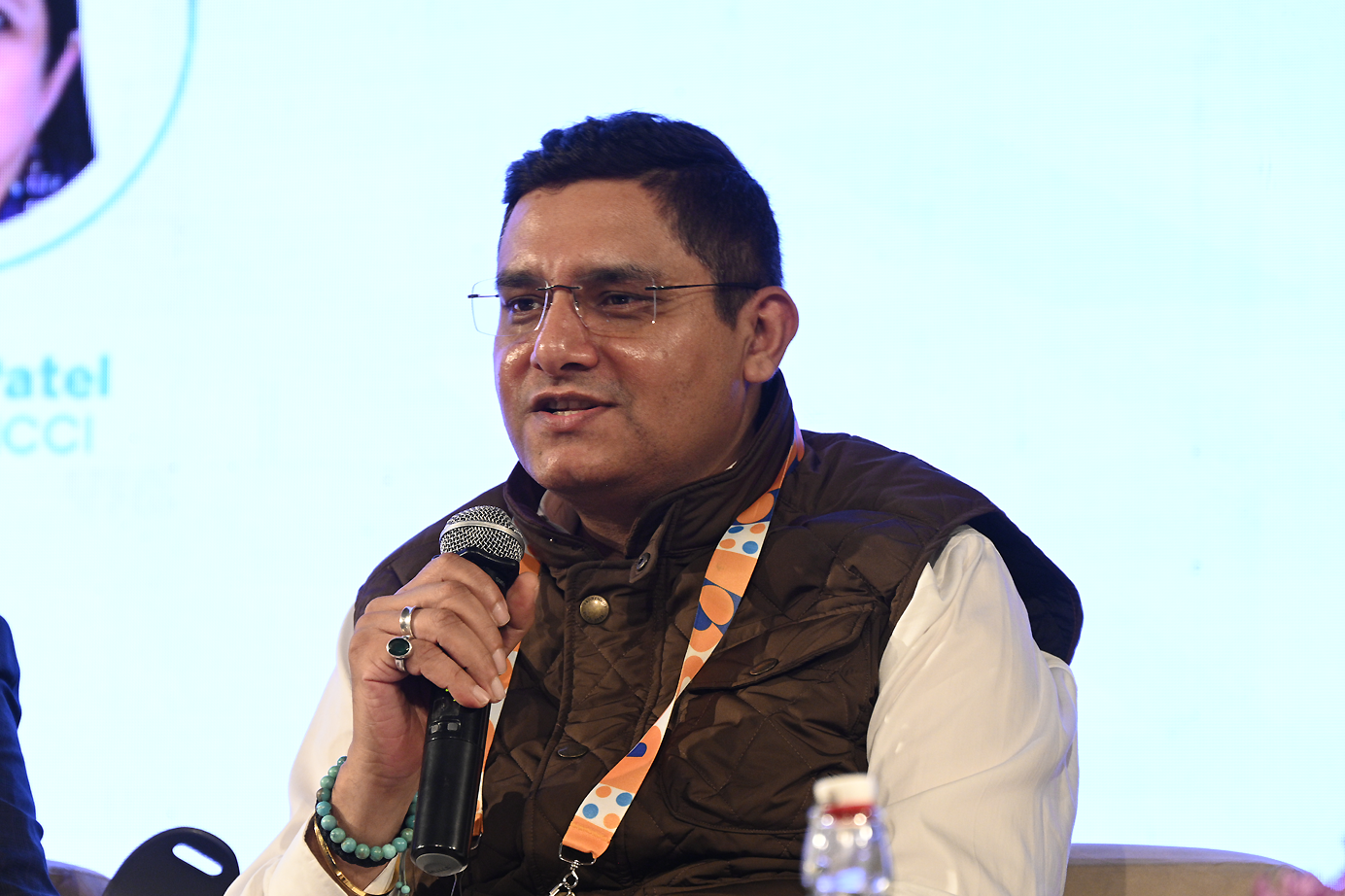
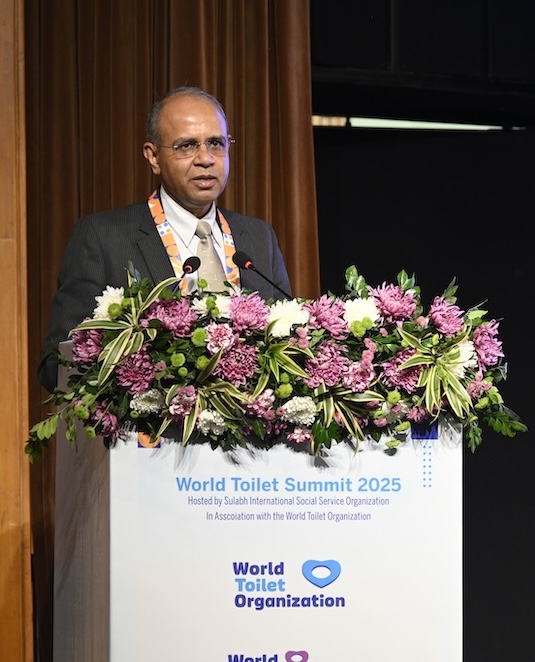
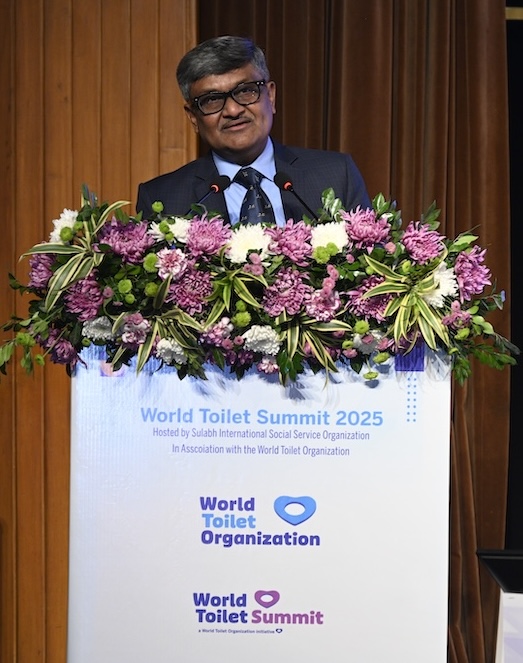
Session 1 highlighted India’s extraordinary progress in rural sanitation — from 39% toilet coverage in 2014 to near-universal access today — and charted the country’s next decade of WASH leadership. Senior officials from MoHUA and the Ministry of Jal Shakti, along with leaders from Reckitt and the India Sanitation Coalition, noted that India’s success emerged from a nationwide people’s movement driven by political will, community mobilisation, and behaviour change at scale.
As India advances towards ODF+, ODF++ and safely managed sanitation, the panel stressed the need for circular and climate-resilient systems, stronger O&M, and a shift towards treating waste as a resource in rapidly growing cities. Corporate coalitions, CSR, blended finance mechanisms, and research institutions were recognised as key enablers in building sanitation systems that create
Above all, the speakers emphasised that India’s sanitation story is incomplete without centring the safety, dignity, and inclusion of sanitation workers, whose wellbeing forms the foundation of a future-ready sanitation ecosystem.
Sanitation in a Changing World – Climate Action, Urban Futures & Justice Imperatives
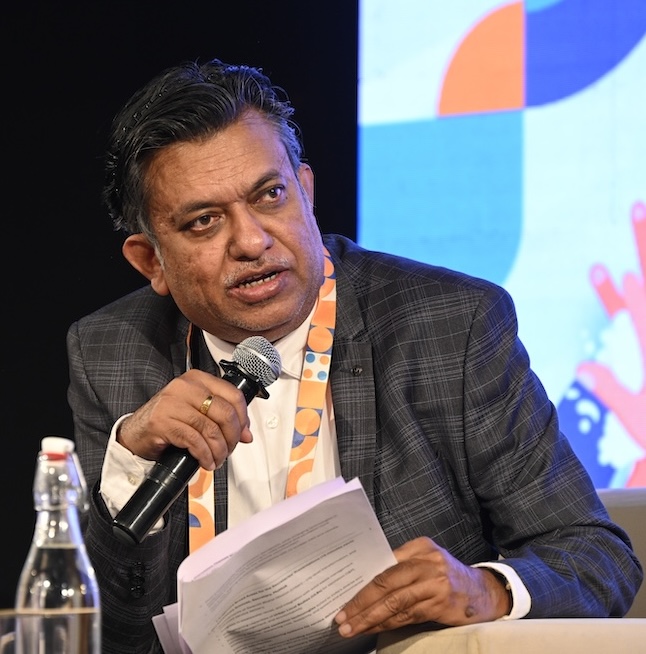
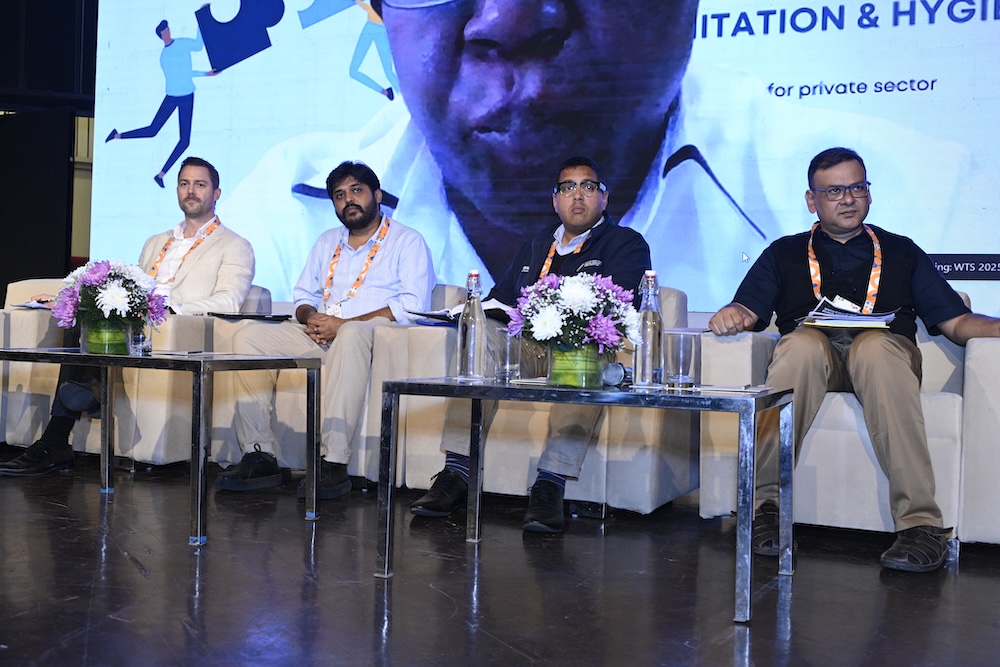
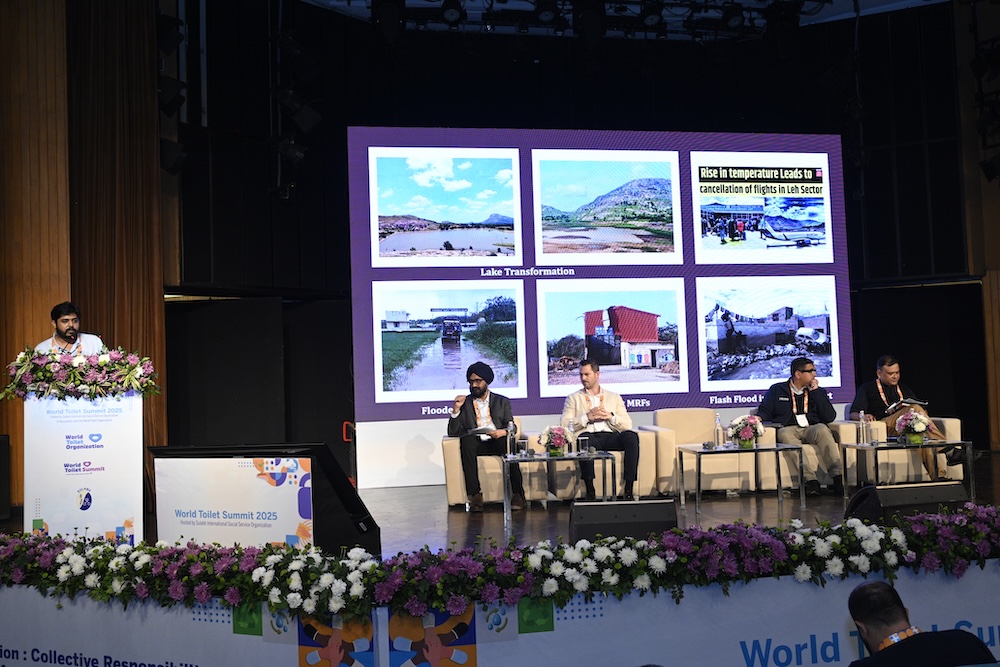
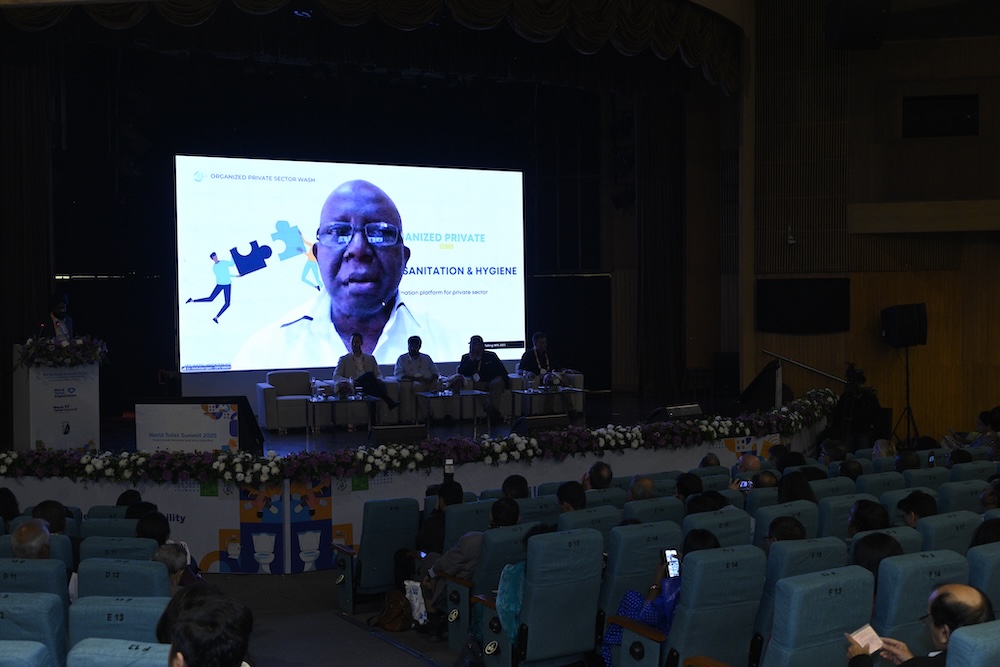
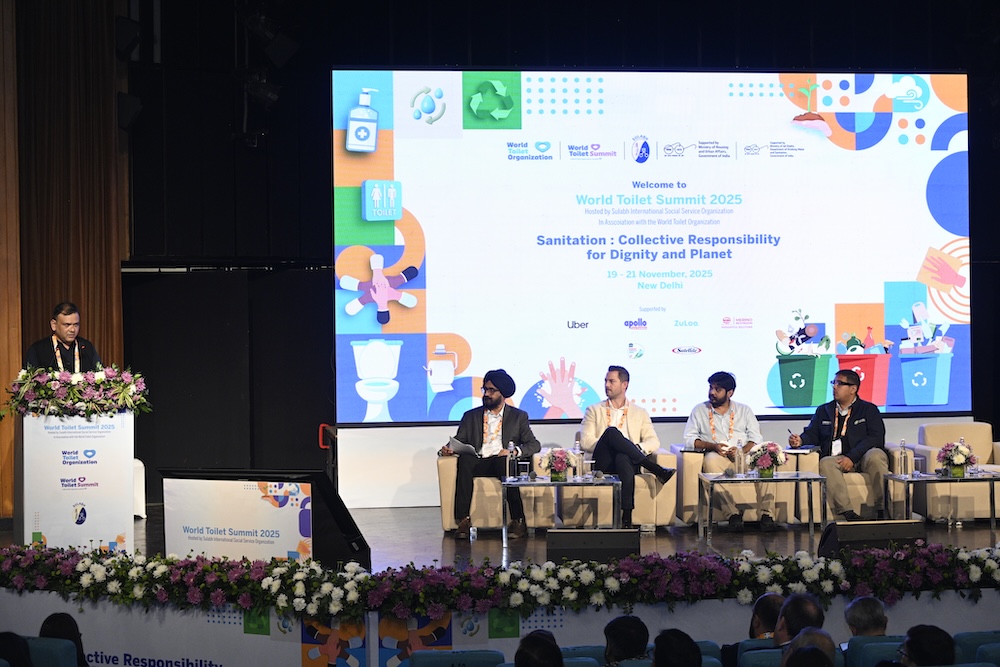
Session 2 brought together leaders from Thailand, South Africa, Nigeria, and India to confront a pressing reality: climate change is reshaping sanitation systems, and the greatest burden falls on the poorest and most vulnerable communities.
Speakers highlighted how floods, heatwaves, and rising groundwater levels are overwhelming toilets, damaging sewer networks, accelerating pit filling, and contaminating water sources. They emphasised that resilience goes beyond infrastructure — it requires reliable service delivery, strong O&M systems, decentralised and non-sewered solutions, and the professionalisation of sanitation services.
Examples ranged from Cape Town’s non-sewered pilots and BORDA’s small-town models, to OPS-WASH’s private-sector alliances in Nigeria and WaterAid’s work on methane emissions. Across all contexts, the panel noted that climate shocks deepen existing inequalities, disproportionately affecting women, girls, sanitation workers, and informal settlements — making inclusion, safety, and dignity central to climate-resilient sanitation.
The session concluded with a clear message: sanitation is climate action. Cities must invest in decentralised solutions, methane capture, safe working conditions, blended finance, and people-centred planning to withstand the impacts of a warming world.
Resilience will define the future of WASH — and resilience begins with people.
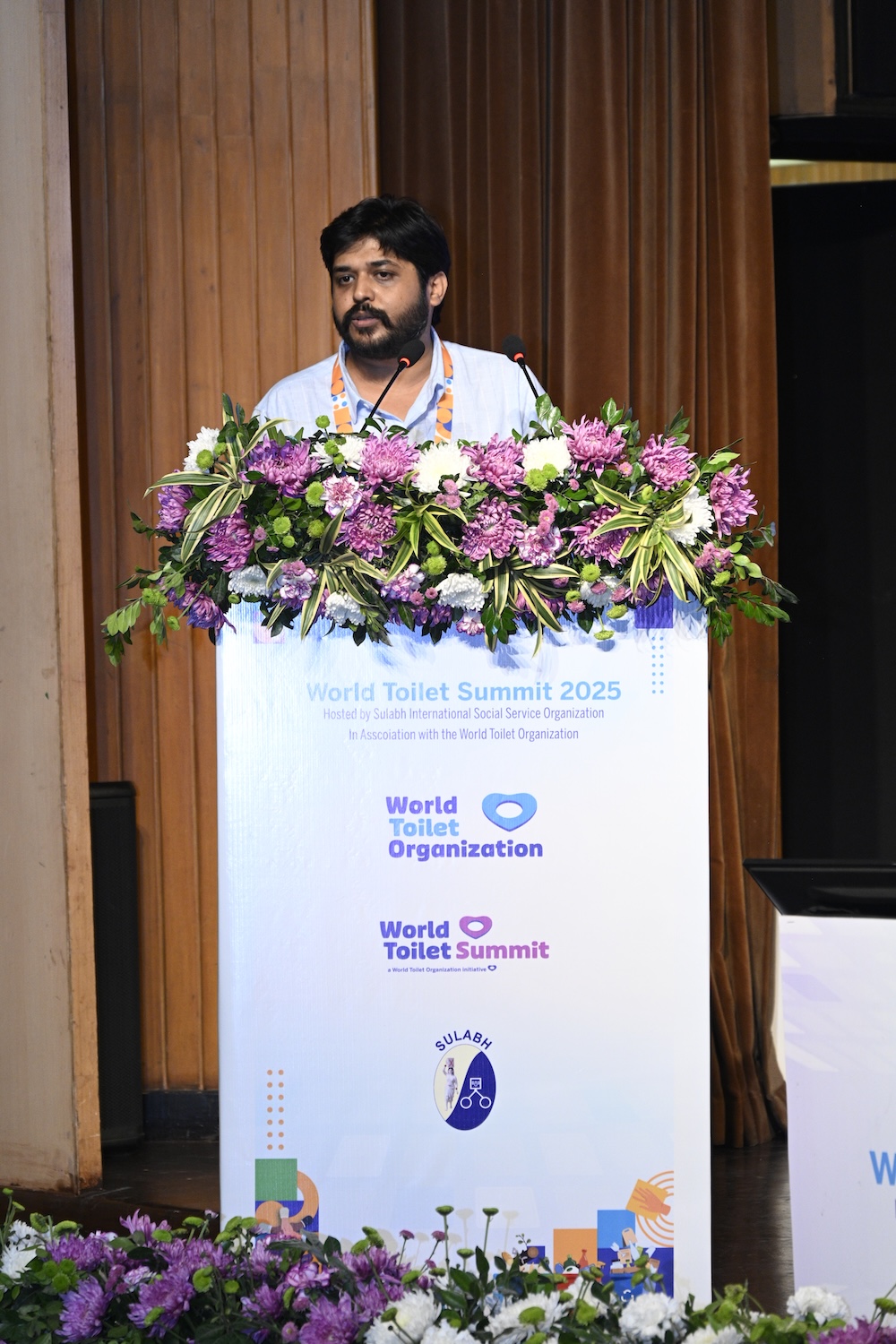
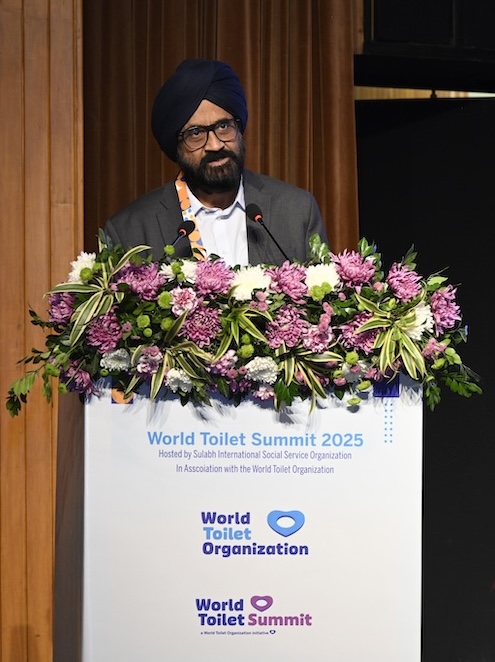
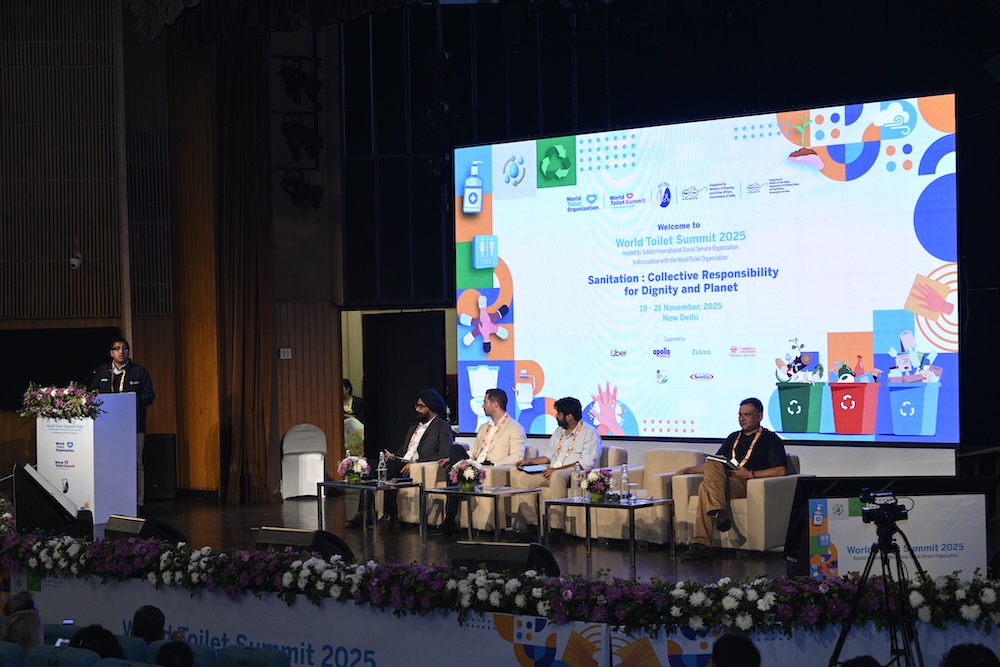
Circular Sanitation, Equality & Waste-to-Wealth
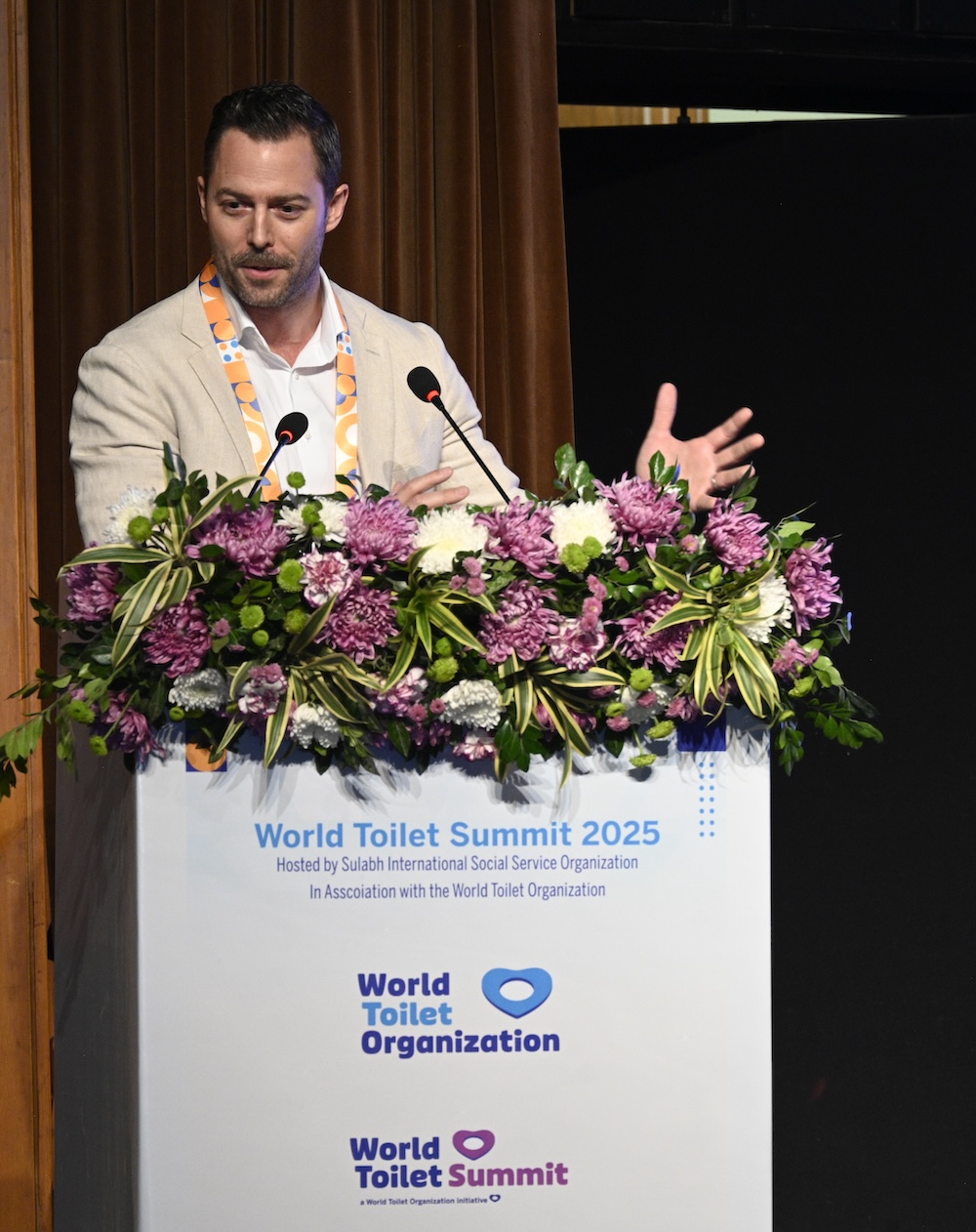
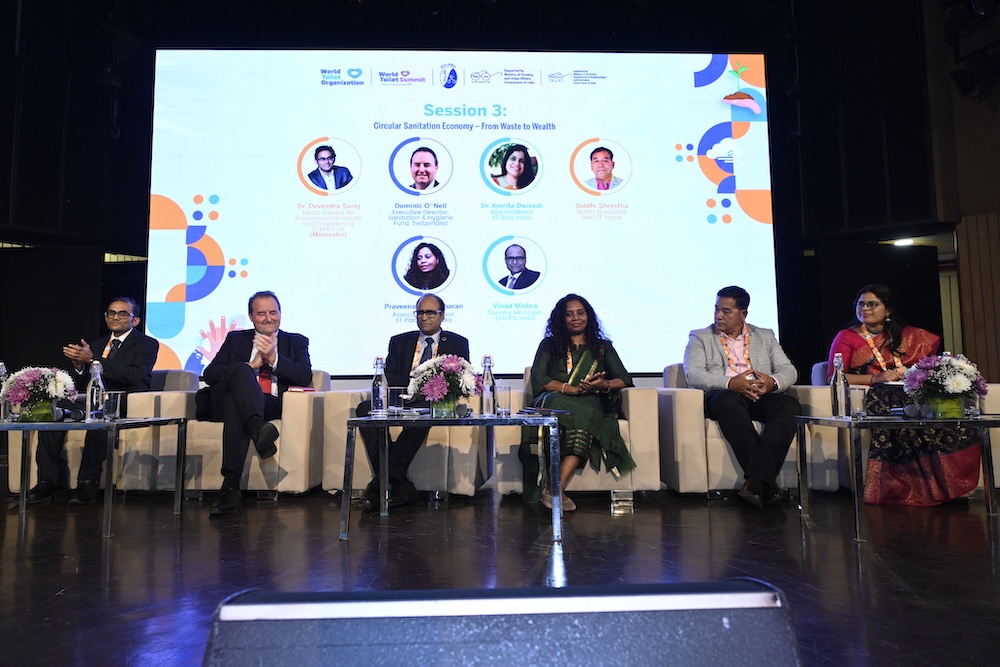
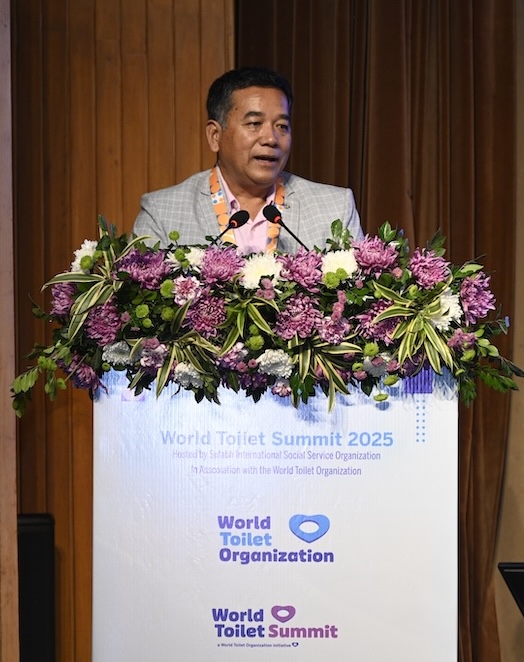
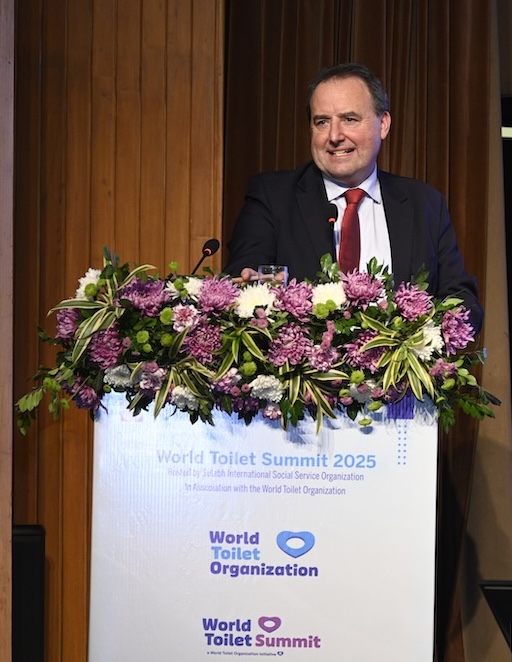
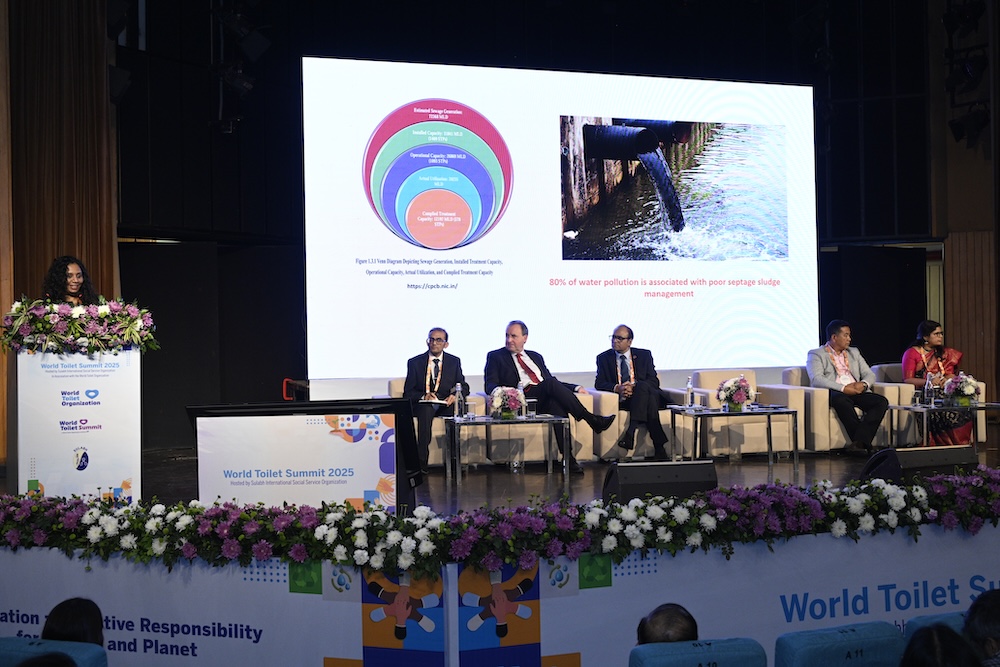
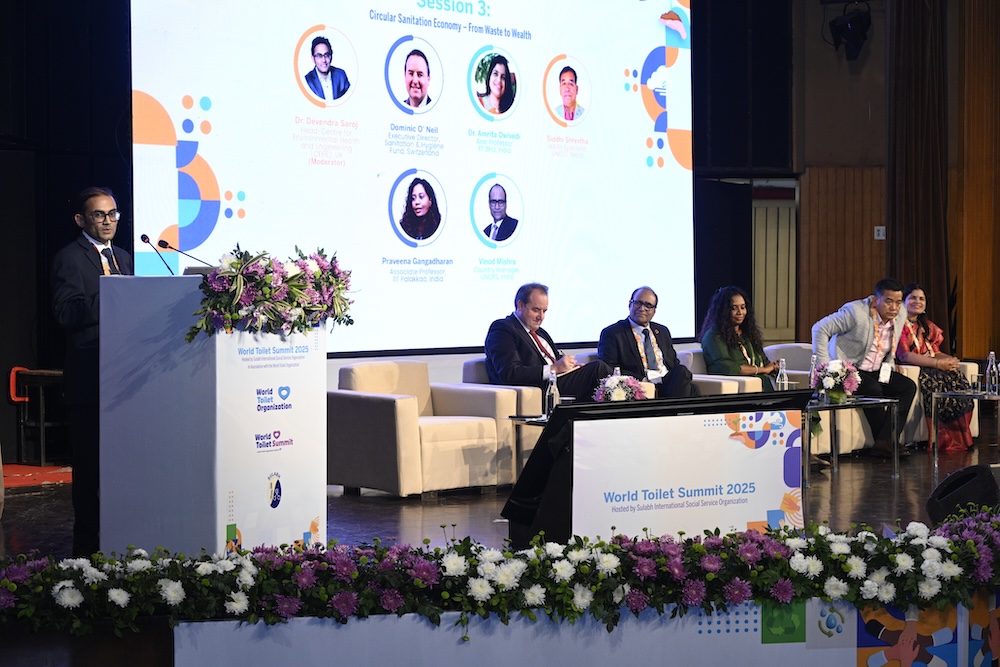
Session 3 brought together leading experts to explore how circular sanitation, systems innovation, and gender inclusion are shaping the future of WASH. Dr Devendra Saroj (University of Surrey) positioned circular sanitation as a global imperative for the Global South, while Prof. Praveena Gangadharan (IIT Palakkad) presented breakthrough work on urine-diverting technologies, nutrient recovery, and India’s first full-scale engineering field-testing platform.
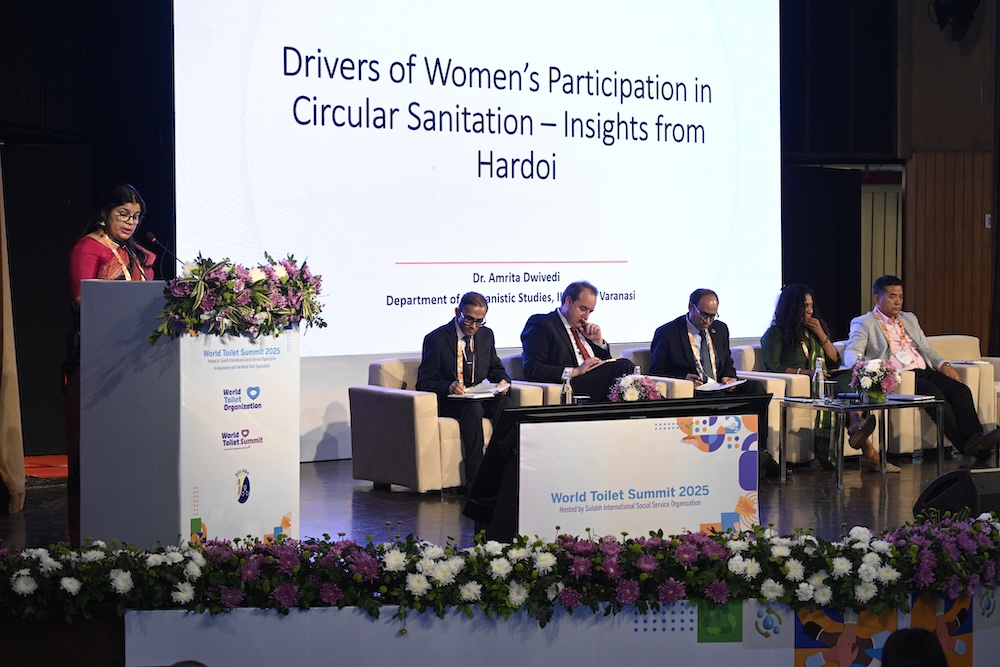
From a gender and community perspective, Dr Amrita Dwivedi highlighted how women-led SHGs and micro-enterprises are transforming waste into income, dignity, and climate resilience. Dominic O’Neill (Sanitation & Hygiene Fund) emphasised that the next major shift will emerge from climate-resilient, non-sewered sanitation backed by innovative financing and strong public–private partnerships.
Bringing regional and systems insights, Siddhi Shrestha (UNICEF) and Vinod Mishra (UNOPS) stressed the need for decentralised sanitation, faecal sludge treatment, methane reduction, and improved labour dignity.
Collectively, the session underscored that circular sanitation is no longer an idea for the future — it is a practical pathway to climate resilience, economic opportunity, and social equality across the Global South.
Health, Water & Sanitation — Breaking the Chain of Infections
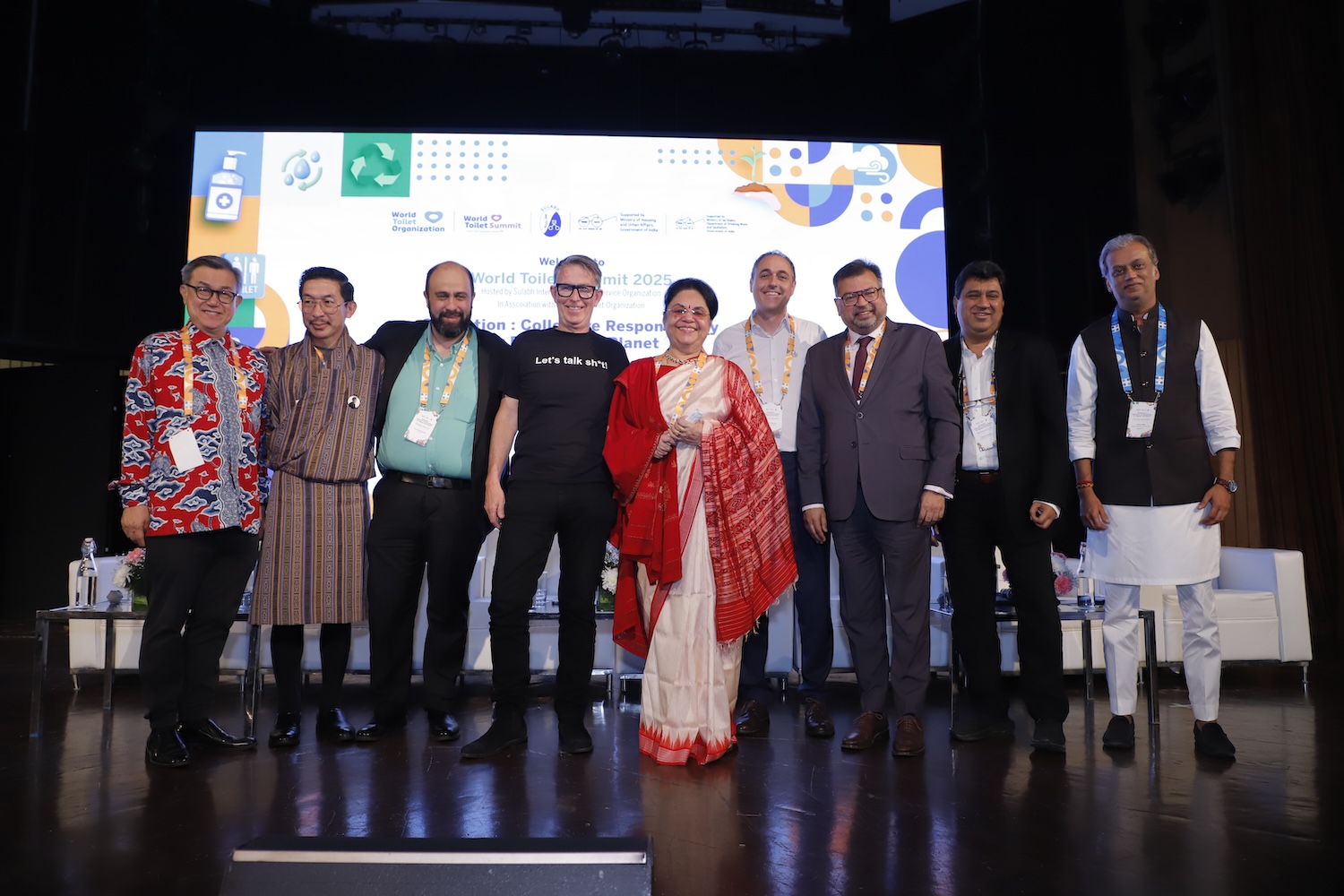
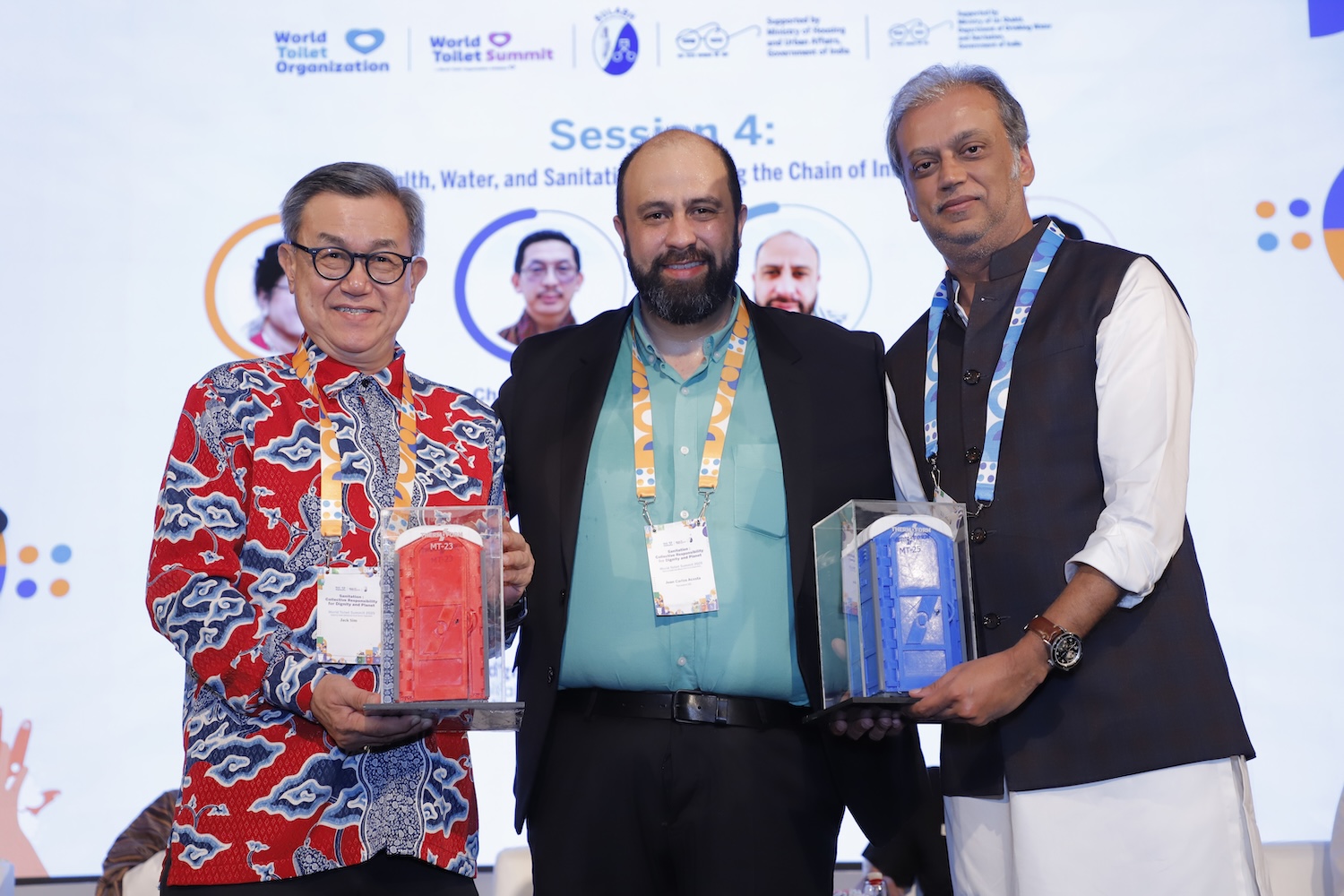
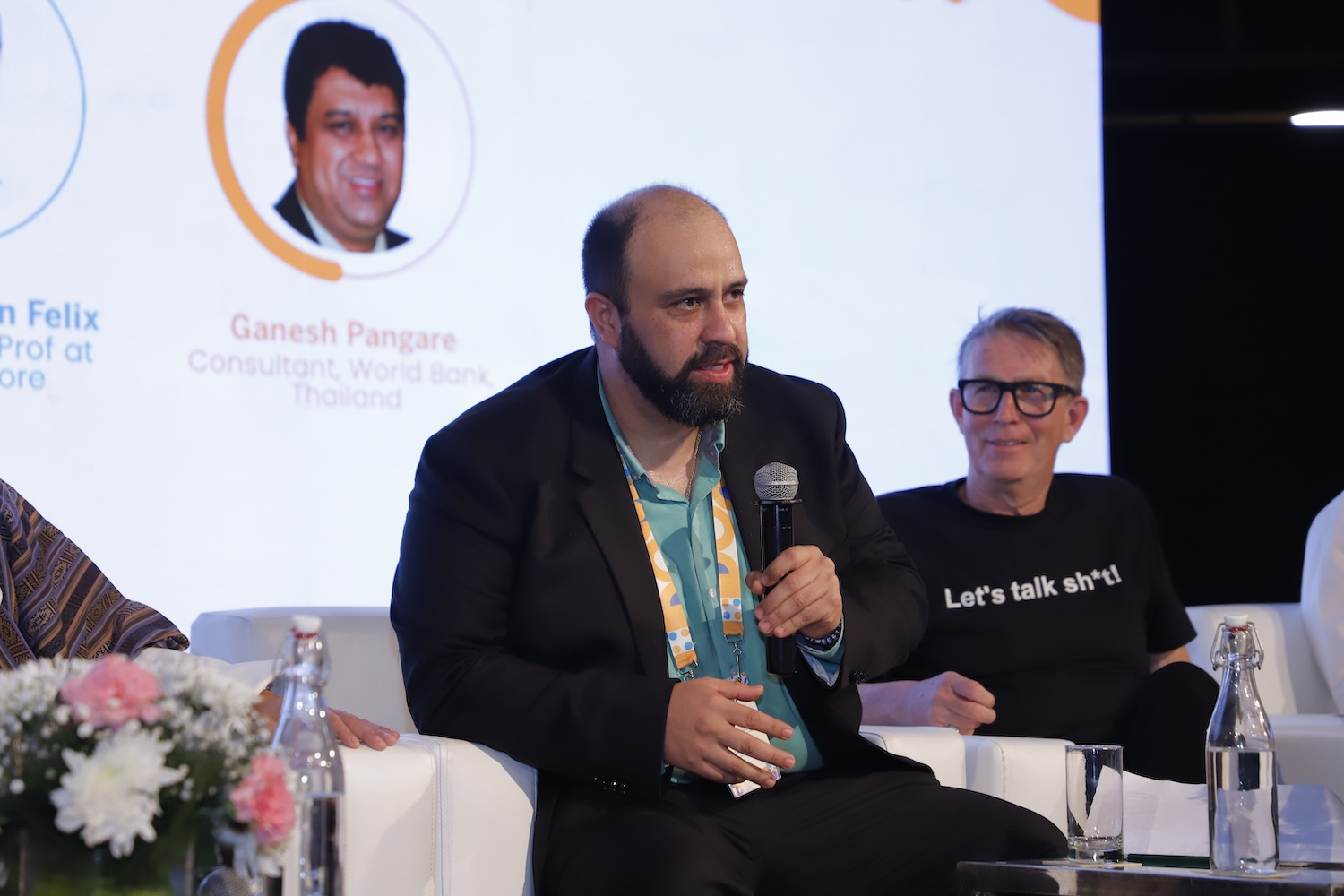
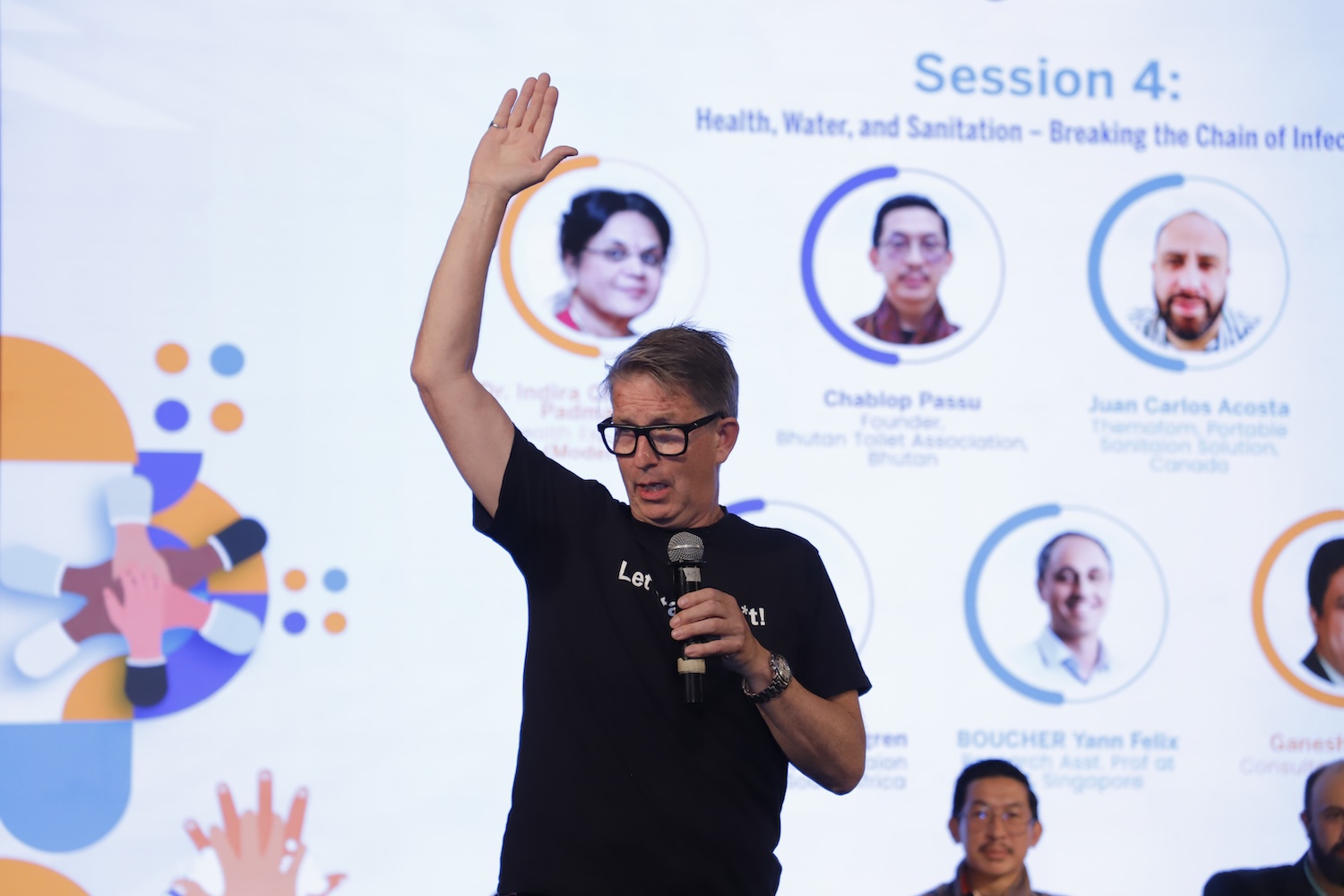
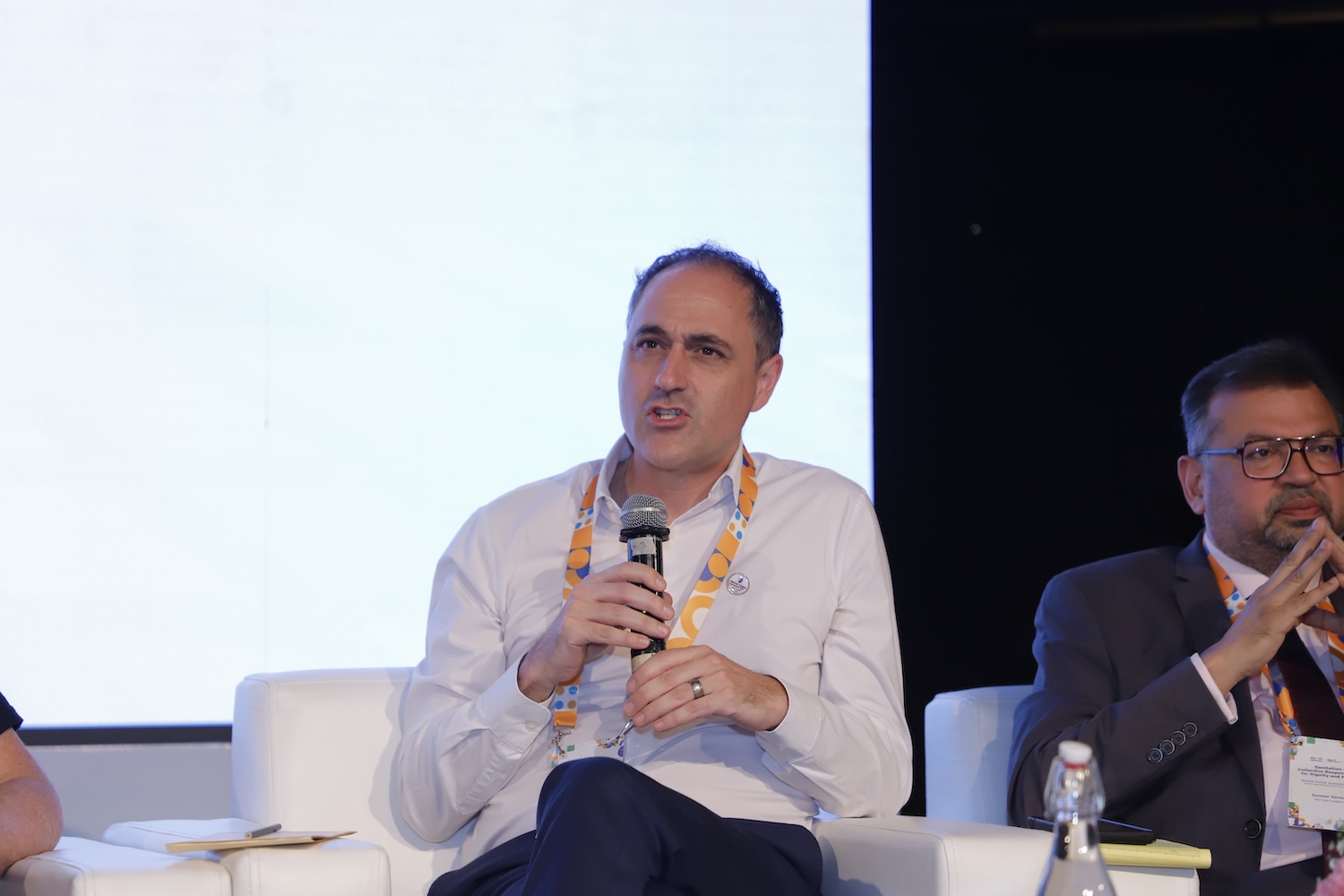
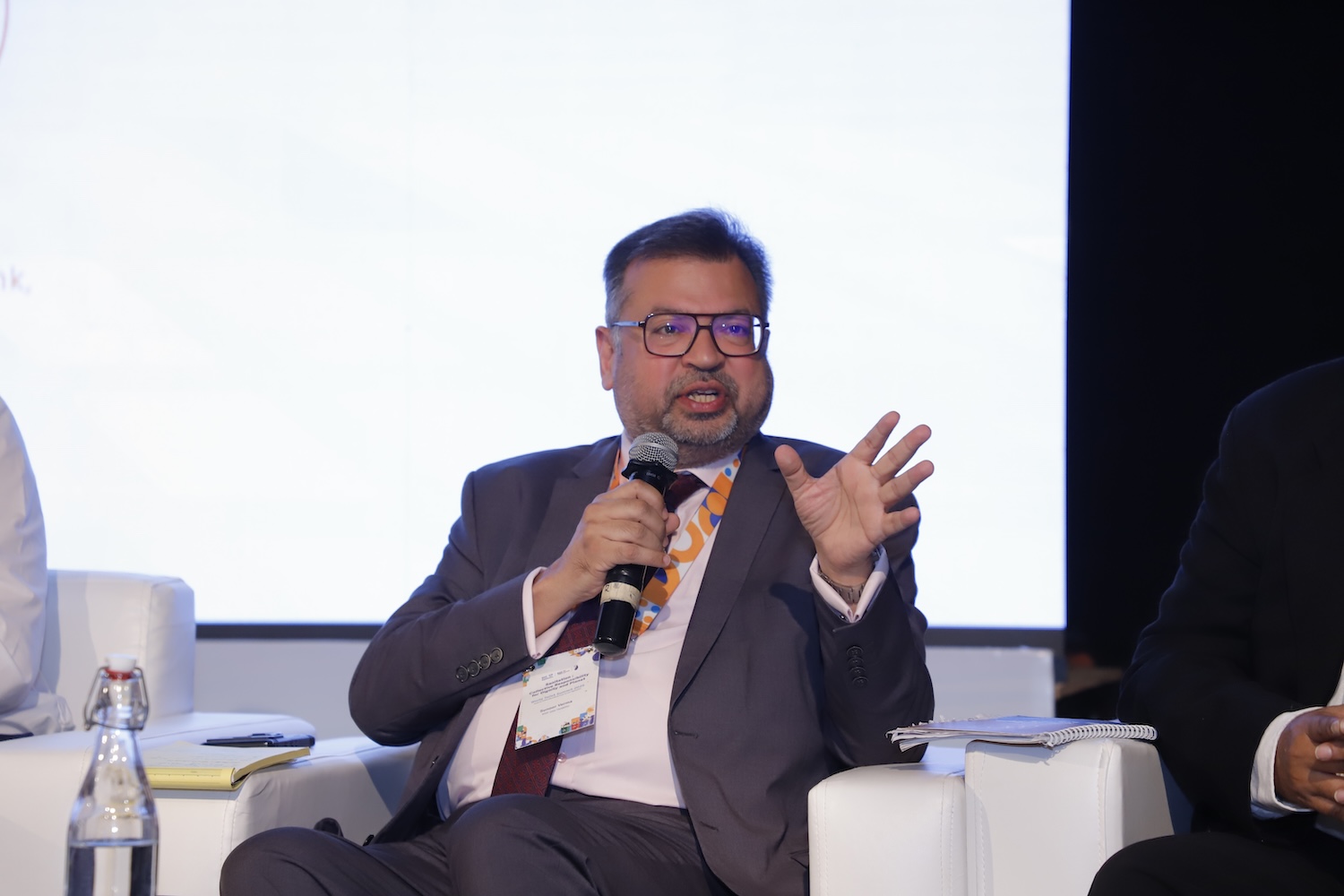
Session 4 brought together leading global experts to highlight a critical truth: there is no pathway to public health without safe sanitation. Across diverse country contexts, the panellists underscored how WASH forms the first line of defence against infectious diseases, antimicrobial resistance (AMR), climate-sensitive pathogens, and long-standing health inequities.
Speakers drew attention to the profound health impacts of unsafe sanitation — from the continuous cycle of diarrhoea, stunting, undernutrition and anaemia, to the rapid spread of antimicrobial-resistant microbes, as emphasised by Dr Boucher. The session also noted how climate change is intensifying disease risks, with rising temperatures and flooding increasing waterborne infections, including in high-income nations.
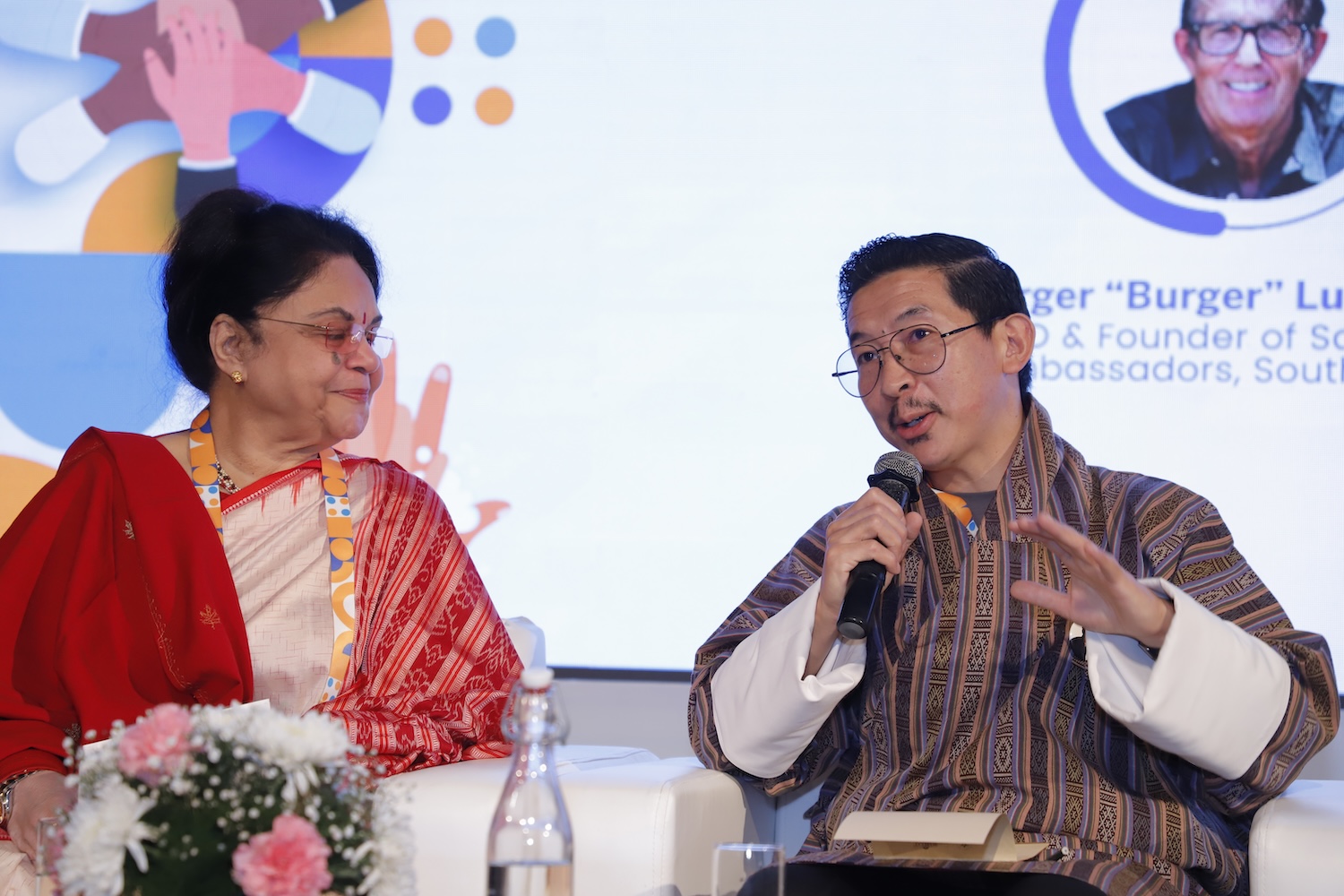
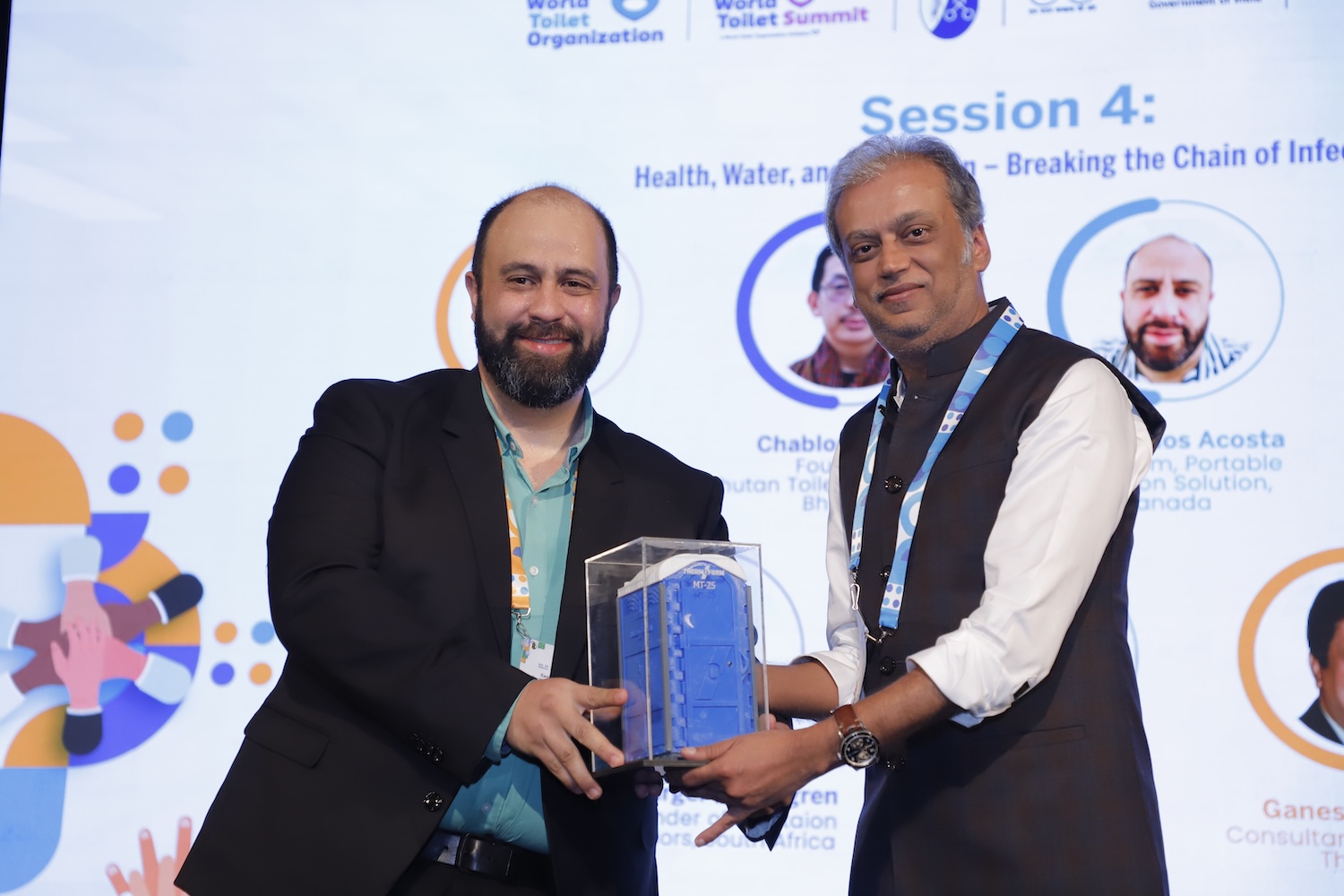
The panel showcased practical solutions: Juan Carlos Acosta highlighted the life-saving role of portable sanitation in emergencies and remote areas; Chablop Passu shared Bhutan’s national transformation through community ownership and behavioural change; and Sunoor Verma stressed that infection prevention begins with hygiene, clean toilets and strong public systems.
Speakers also pointed to the future of sanitation as circular and resource-positive, where wastewater and sludge fuel agriculture, energy and local economies — and to the continued importance of civil society leadership, with Sulabh International recognised for its long-standing community-led sanitation work.
The session closed with a powerful reminder: breaking the chain of infection is essential to breaking cycles of poverty, exclusion and climate vulnerability. Sanitation is not just infrastructure — it is the backbone of public health security.
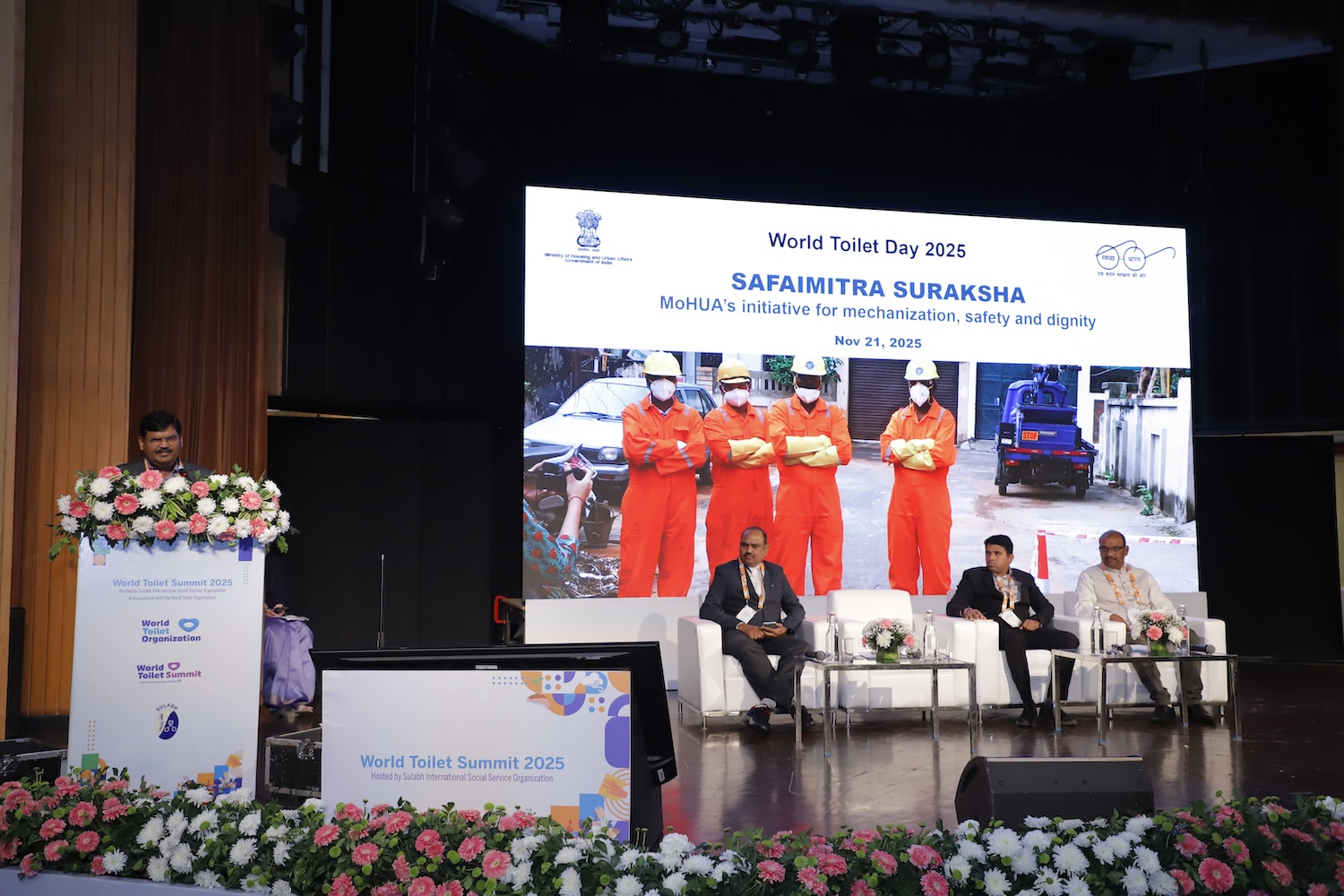
Dignity and Safety of Sanitation Workers – From Manhole to Machine-Hole
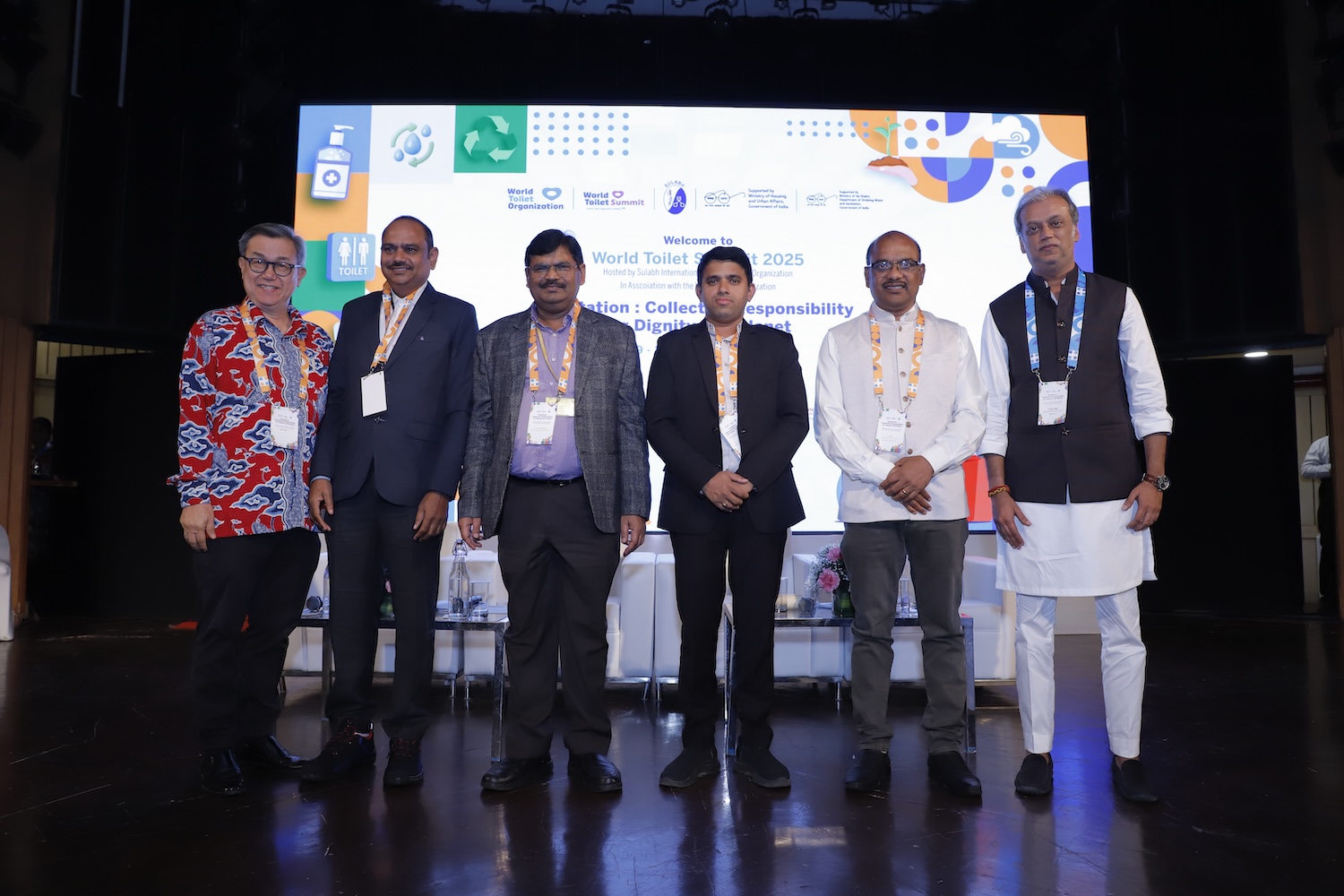
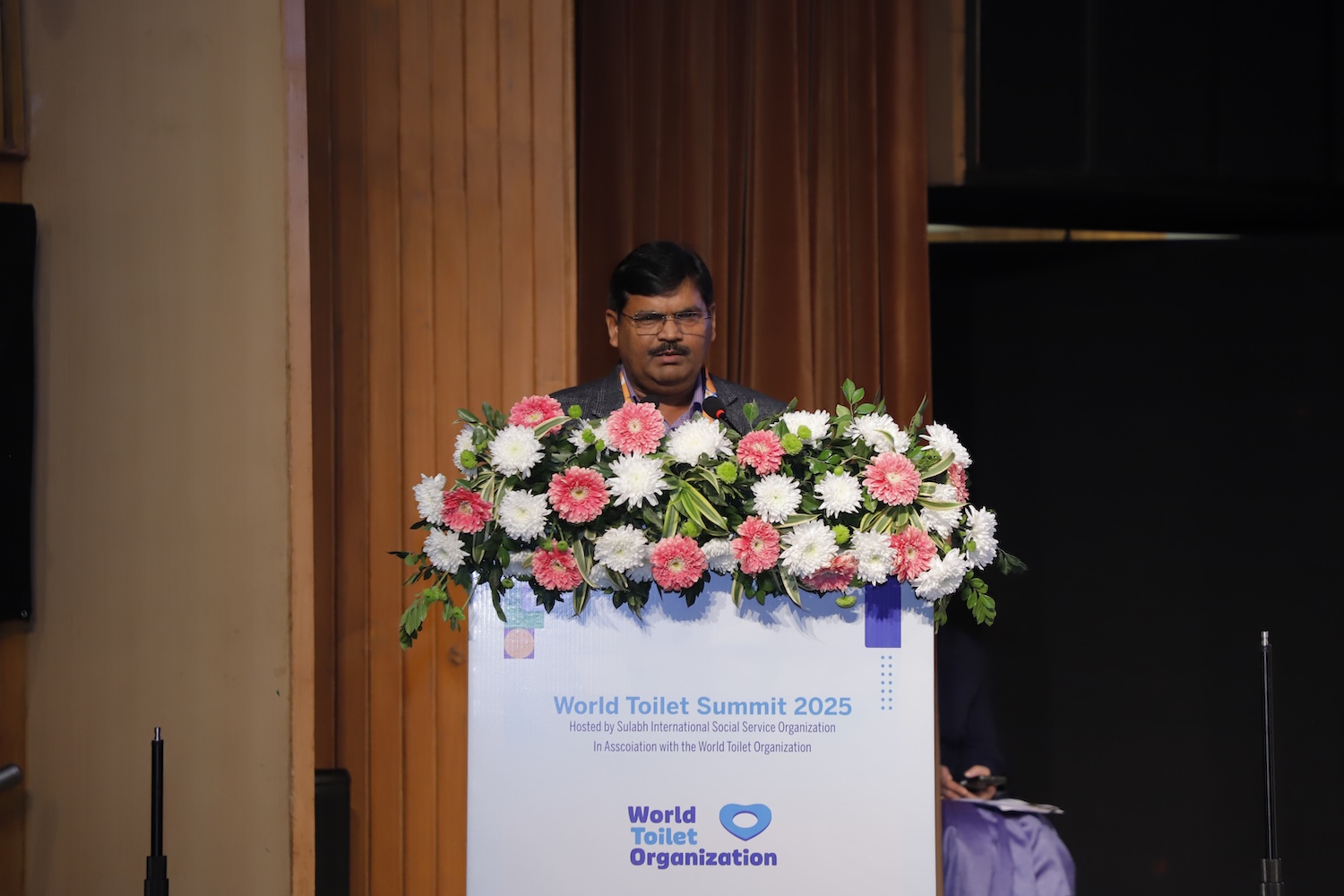
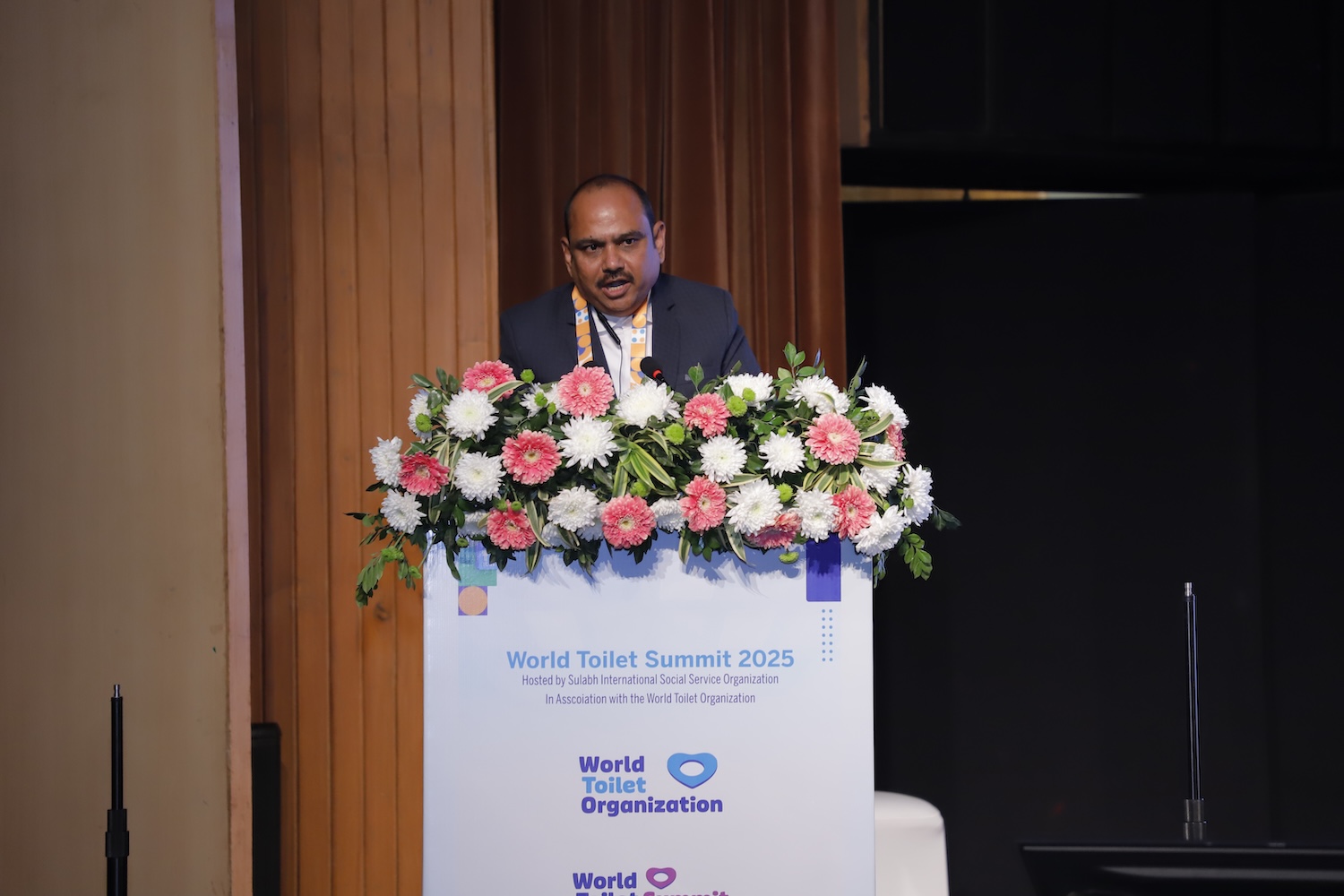
Special Session 5—led by the Ministry of Housing & Urban Affairs (MoHUA)—brought critical attention to the rights, safety, and dignity of sanitation workers. Dr V.K. Chaurasia (Advisor-in-Charge, CPHO, MoHUA) set a strong foundation, reaffirming India’s commitment to zero fatalities in sewer and septic-tank cleaning and the national shift from manhole to machine-hole through mechanisation, strict SOPs, legal enforcement, and schemes like NAMASTE.
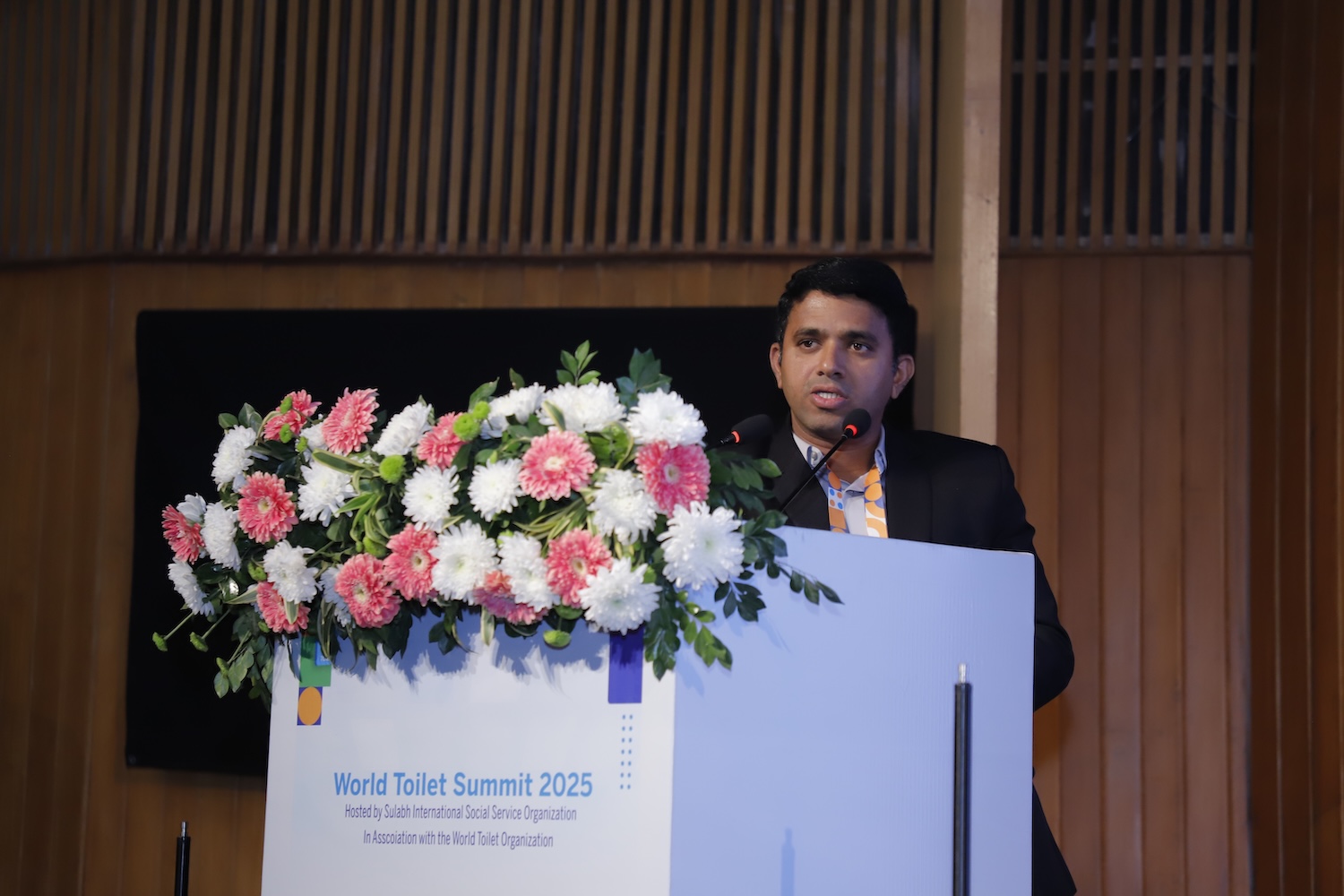
Mr Swapnil Desai (Navi Mumbai Municipal Corporation) shared Navi Mumbai’s model of fully mechanised, citywide sanitation management with GPS-enabled machines, CCTV inspection, 24×7 helplines, and strict “no manual entry” protocols—supported by PPE, health checks, insurance, and welfare systems for workers.
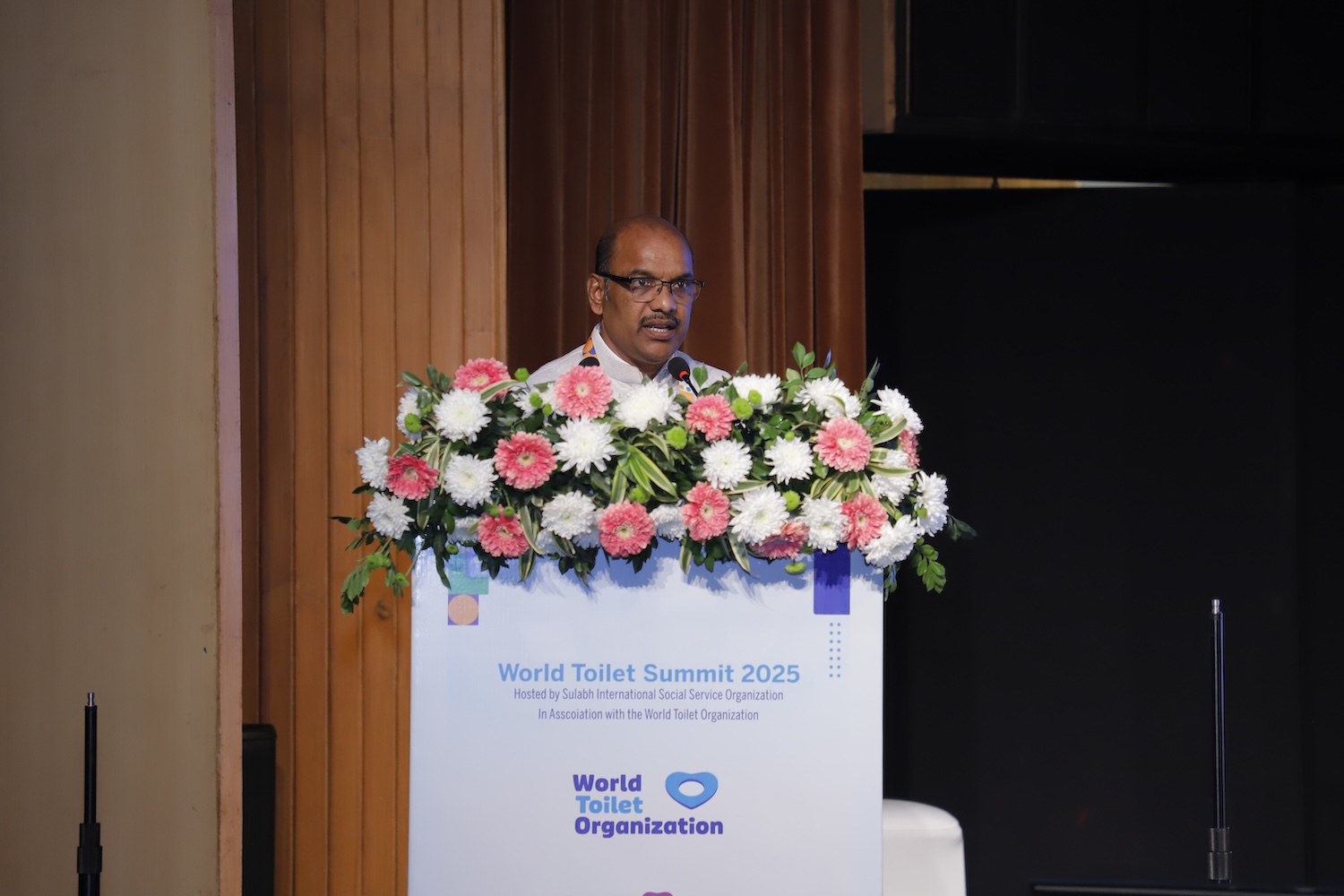
State perspectives from Mr Bilas Behera (Odisha Water Supply & Sewerage) and Sri E. Kumar (Andhra Pradesh Urban Infrastructure Asset Management Ltd) highlighted long-term institutional reforms, continuous capacity building, and “Safai se Suraksha” implementation to ensure safe, skilled, and dignified employment for sanitation workers.
The session delivered a clear message: a clean city is impossible without safe workers. Modern sanitation is defined not only by infrastructure but by the wellbeing, dignity, and protection of those who maintain it.
Turning the Means of Implementation into Action
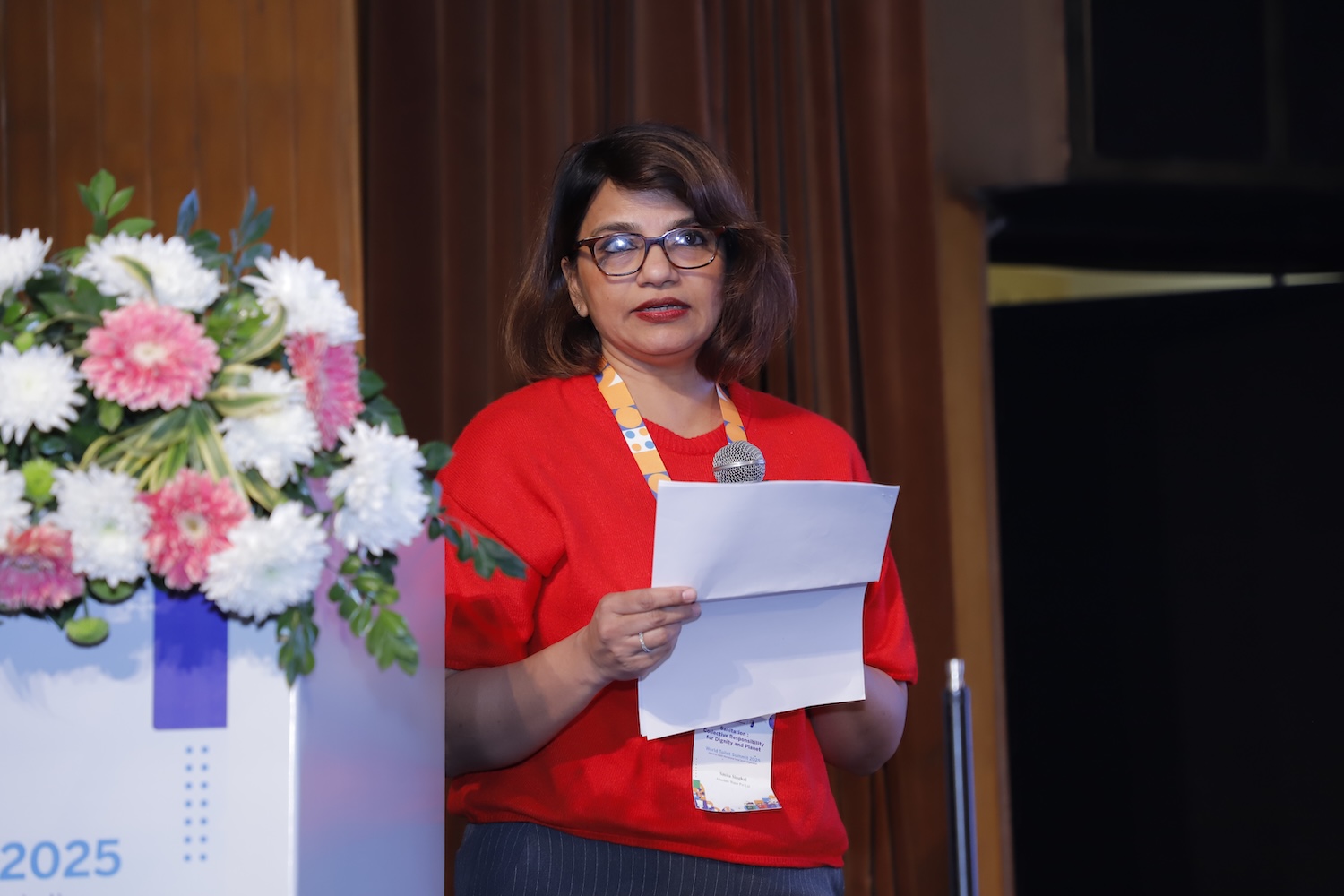
Session 6 brought the focus back to the core challenge of SDG 6 — how to finance, scale, and sustain safe sanitation for all. Moderated by Dominic O’Neil (Sanitation & Hygiene Fund), the session highlighted how public–private partnerships, CSR, venture capital, community systems, and entrepreneurship are shaping a new sanitation economy.
Key insights came from Shivani Mehrotra (Apollo Tyres), Rajev D. Kher (Satellite Industries & Saraplast), Suguru Sakata (Lixil/SATO), and Jay Bhagwan (Water Research Commission, South Africa), who showcased models ranging from women-centred community sanitation to aspirational toilet design and climate-resilient non-sewered systems.
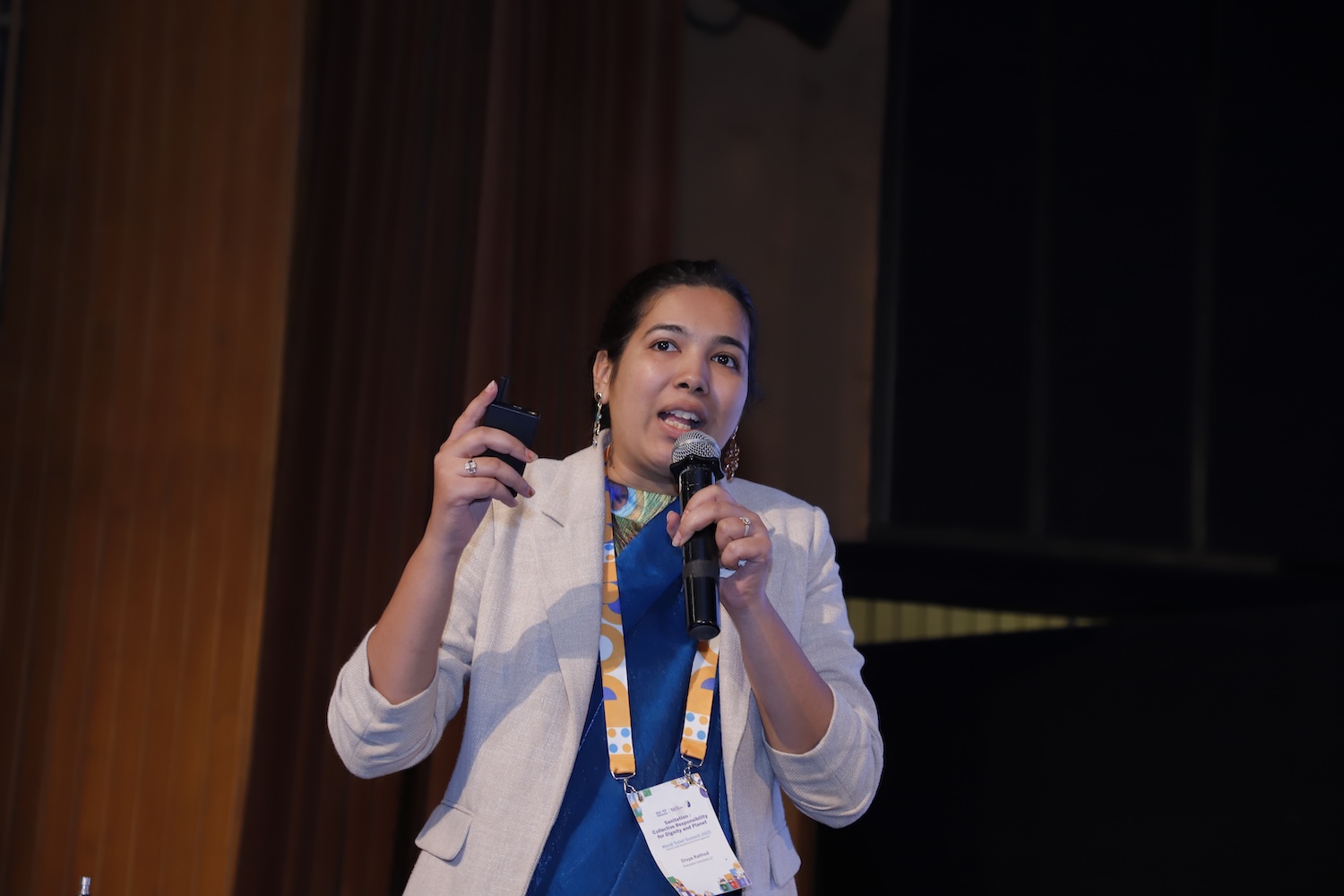
The entrepreneur–investor pitch segment featured innovations from Smita Singhal (Absolute Water), Imad Agi (ECOLOO Group), and Dr Divya Rathod (Silvery Nanos), evaluated by investors Venugopal Gupta, Karthik Mehta, Jack Sim, and Rajeev Kher.
The session underscored a clear message: sanitation will scale only when it becomes investable, community-owned, and driven by blended finance and performance-based models. It reflected the sector’s shift from projects to pipelines and from innovation islands to market-ready solutions — with India at the centre of shaping the global WASH financing agenda.
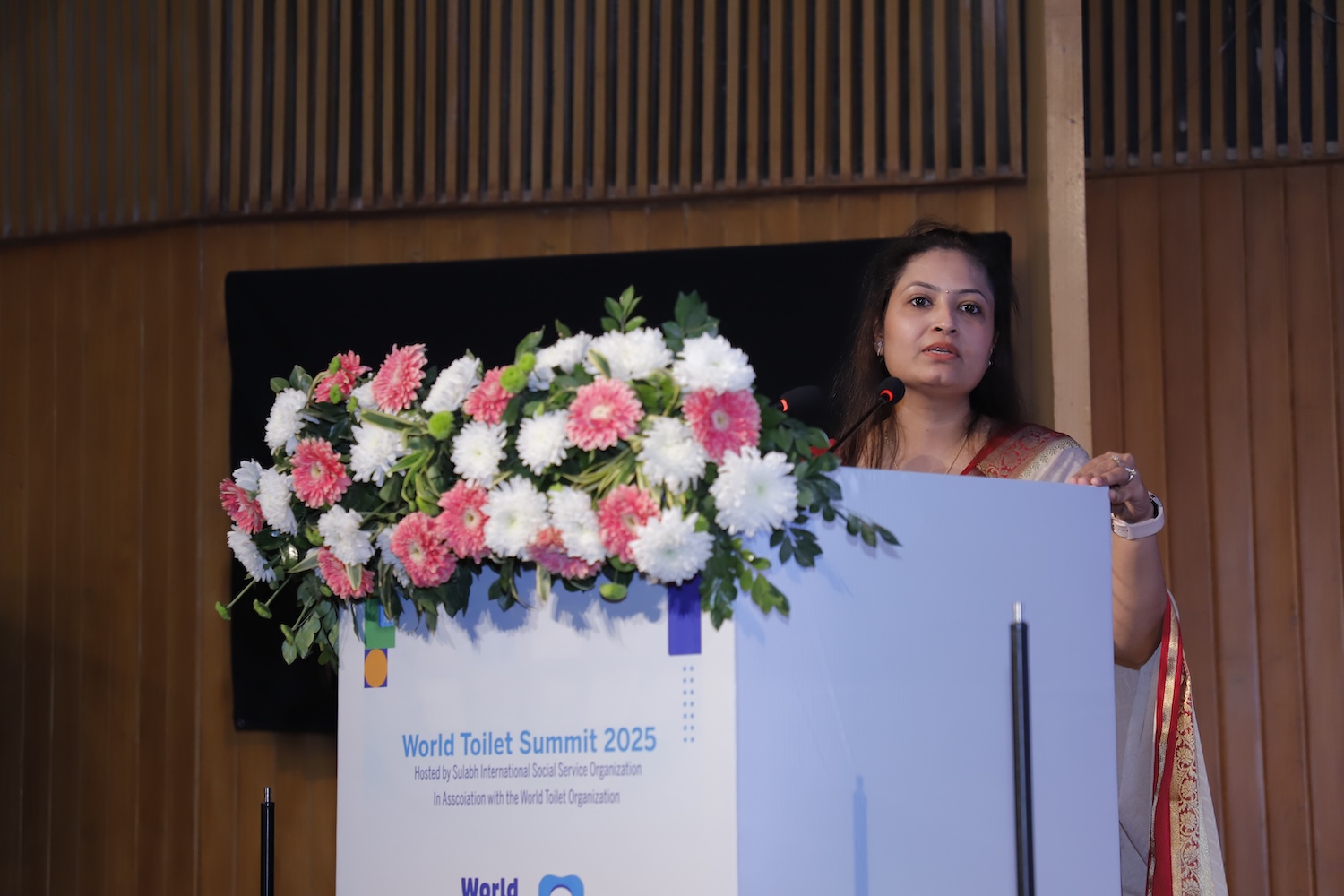
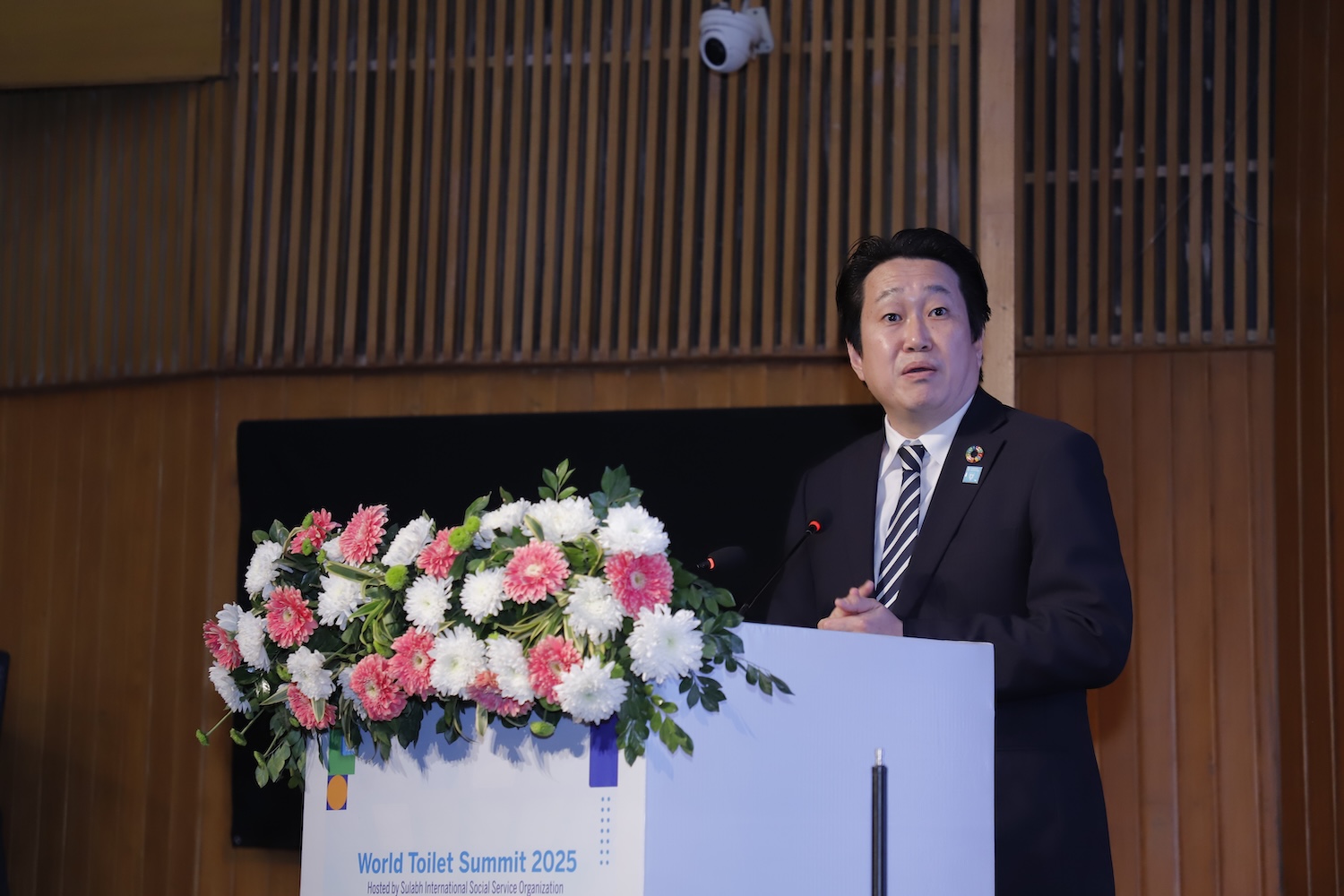
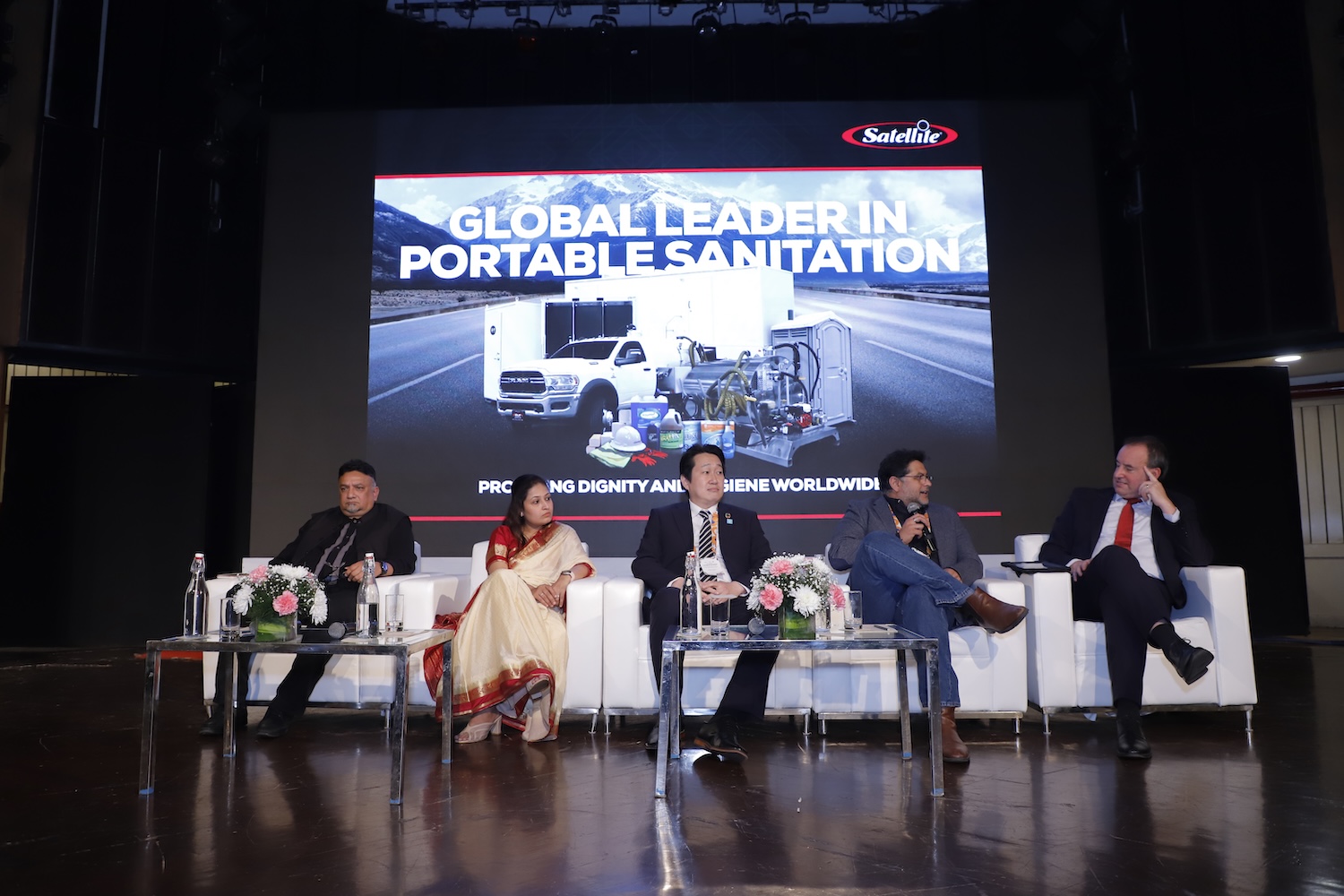
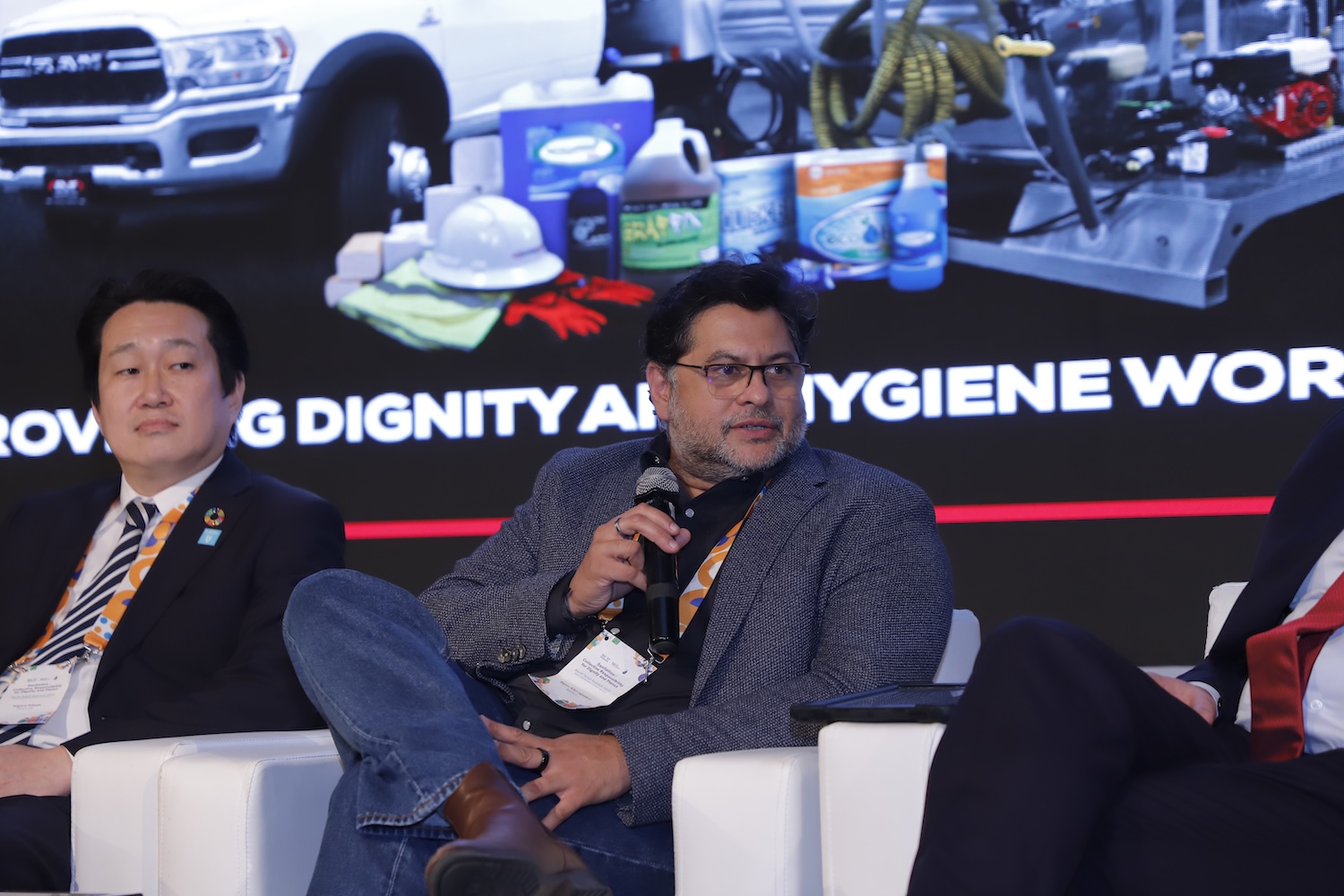
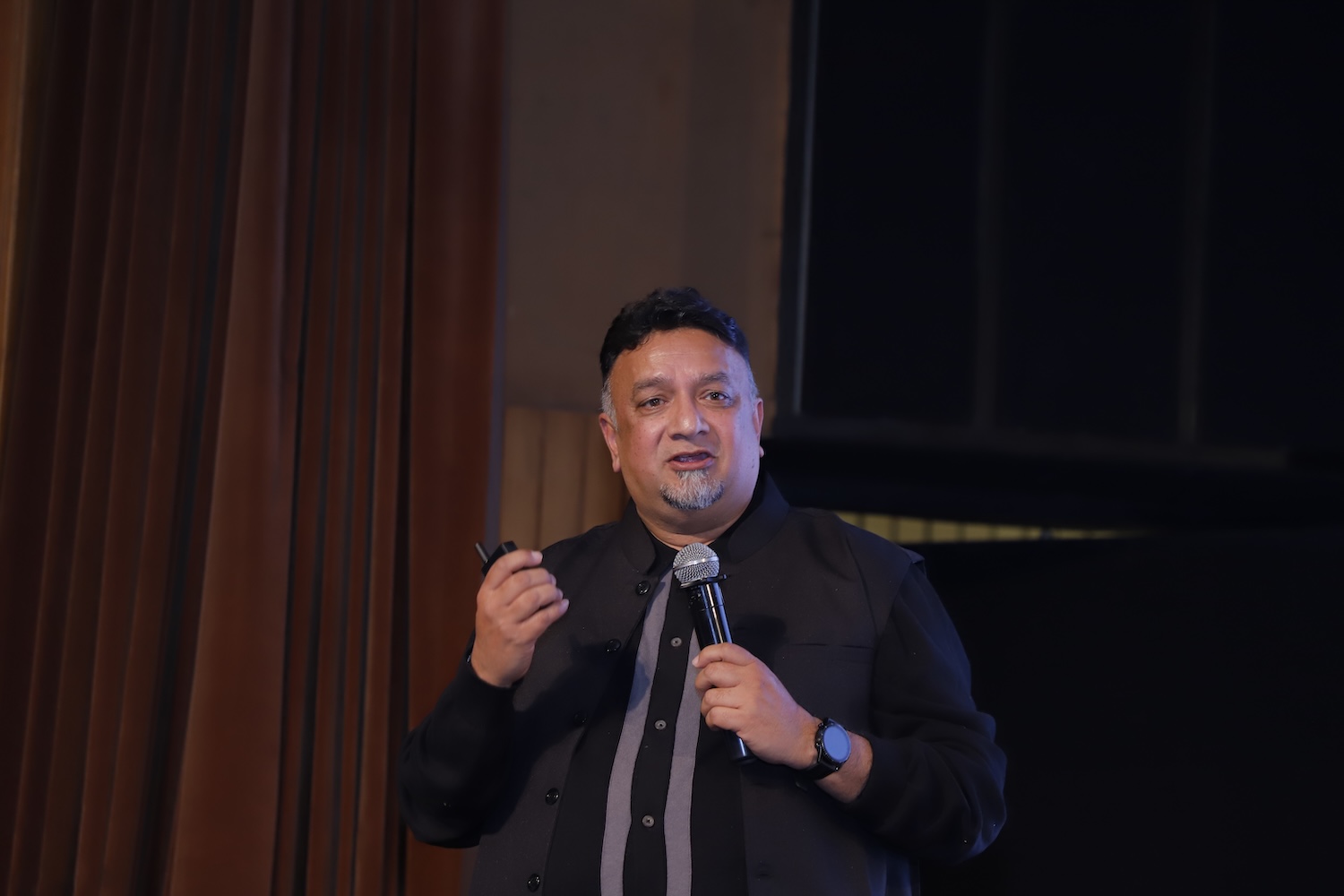
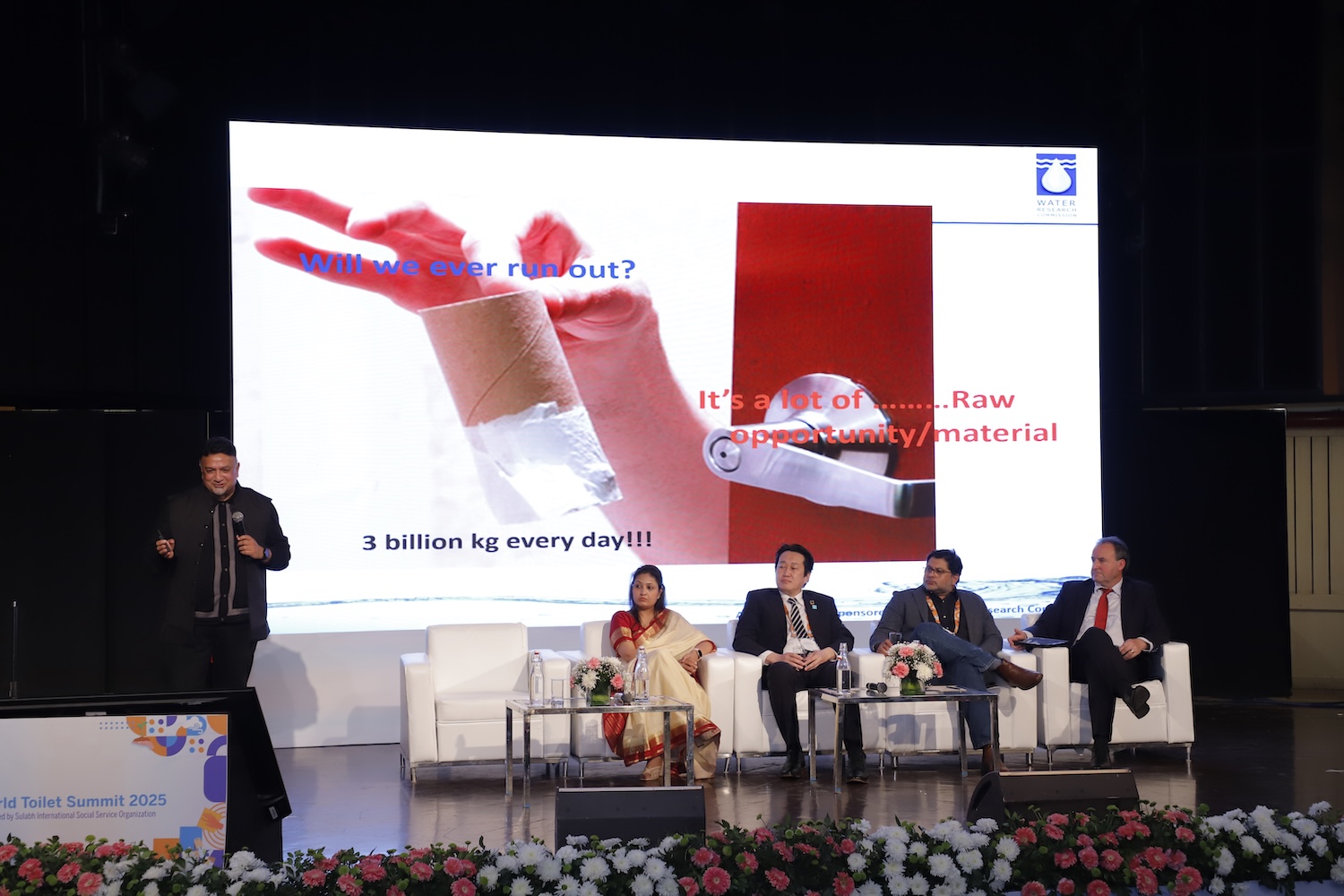
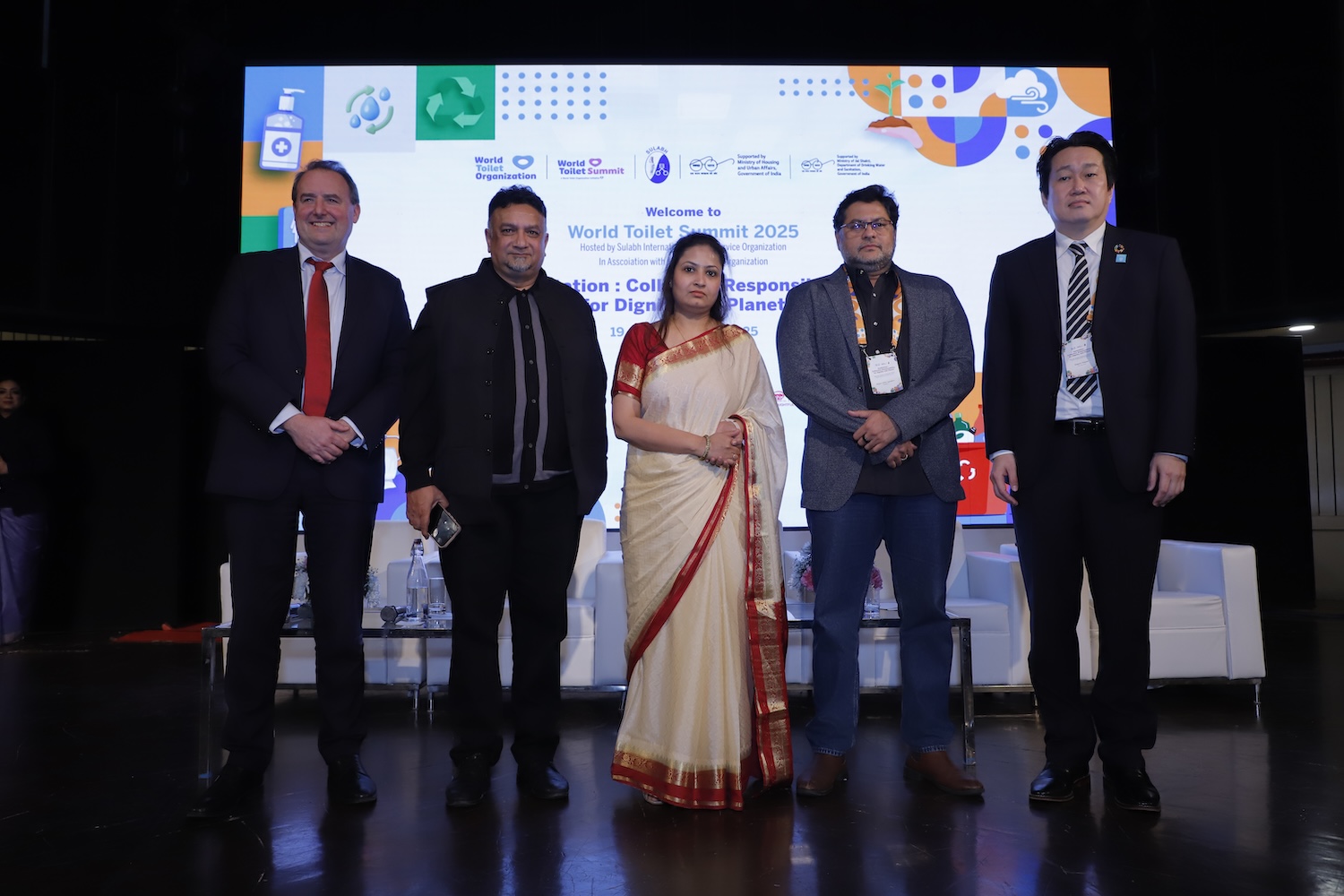
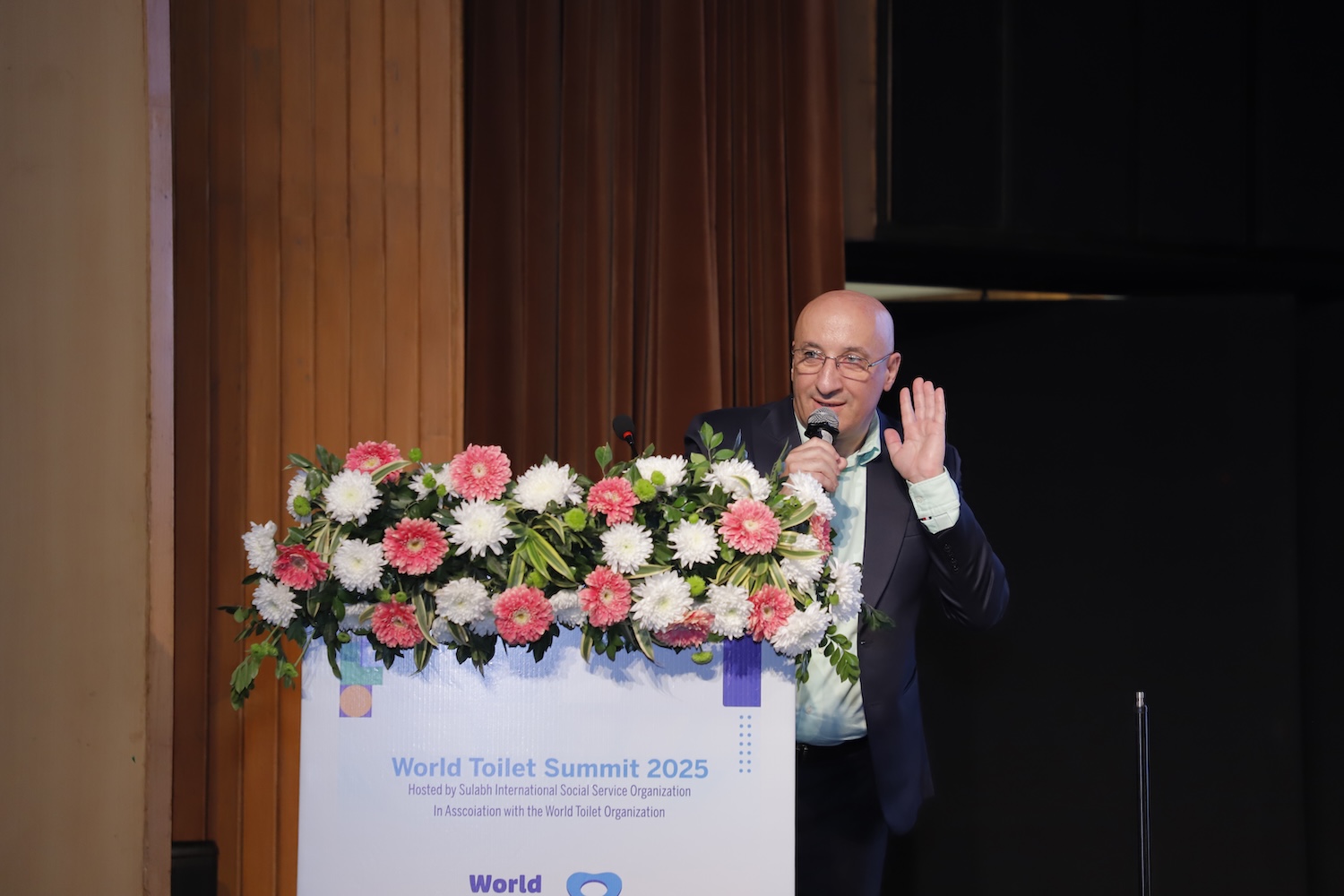
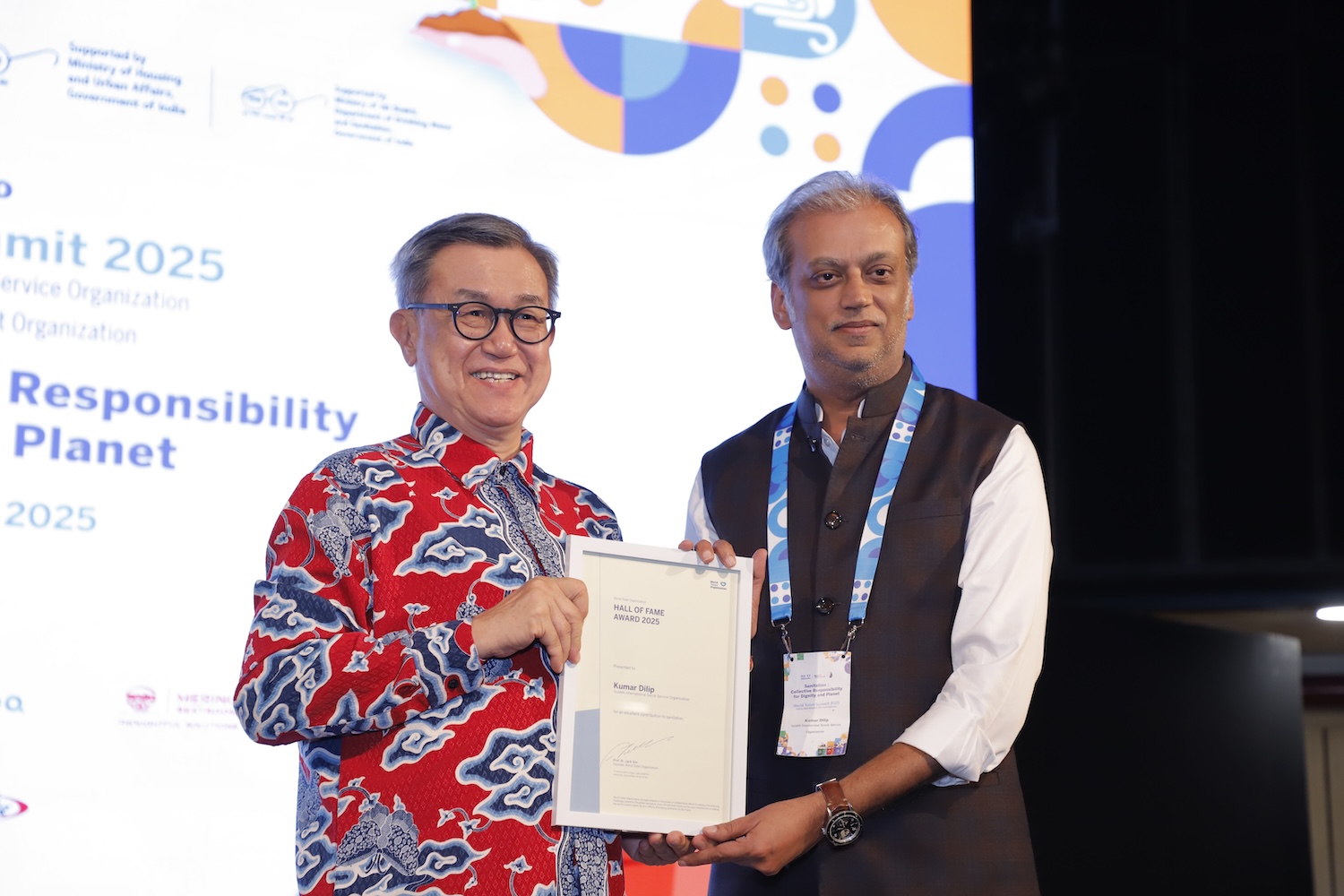
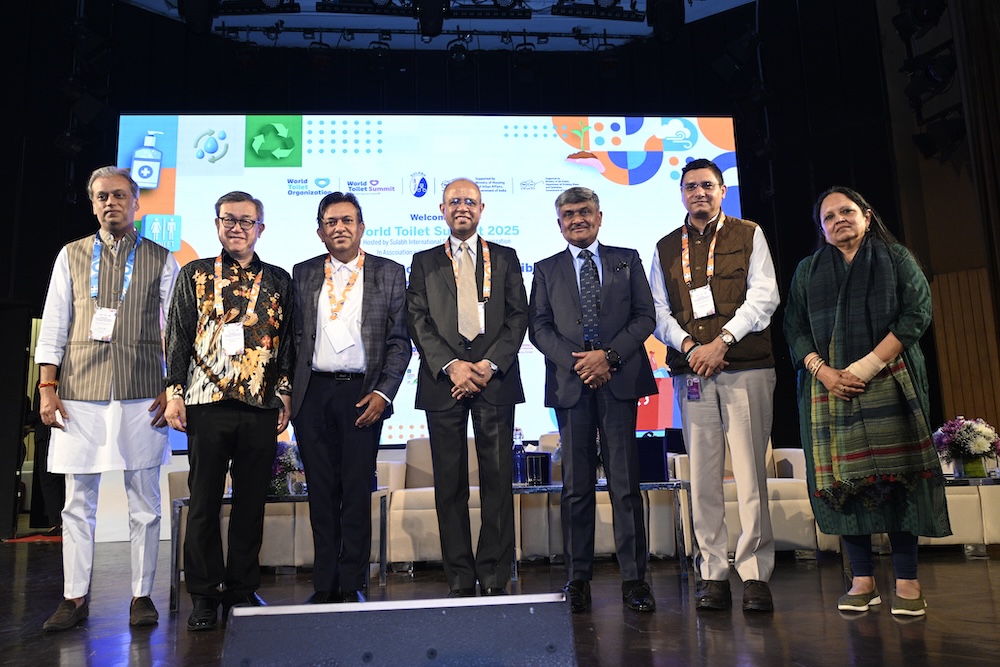
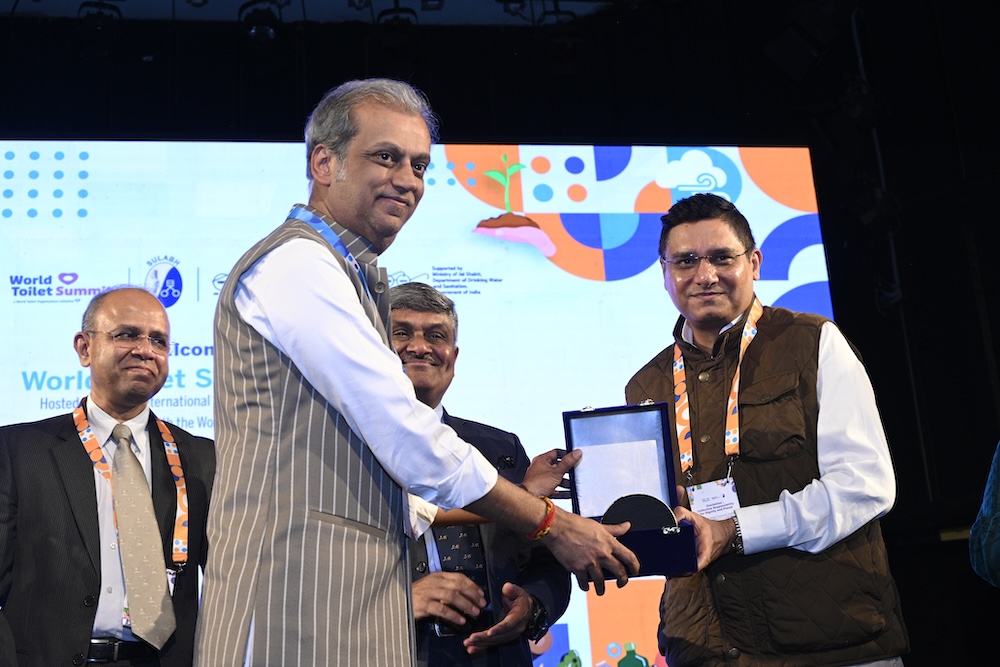
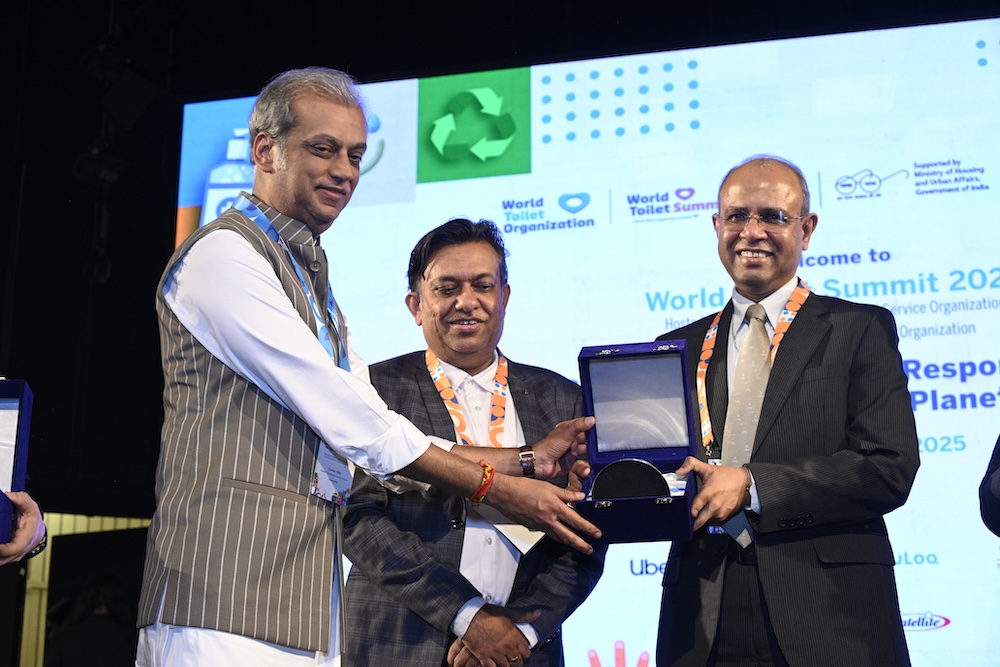
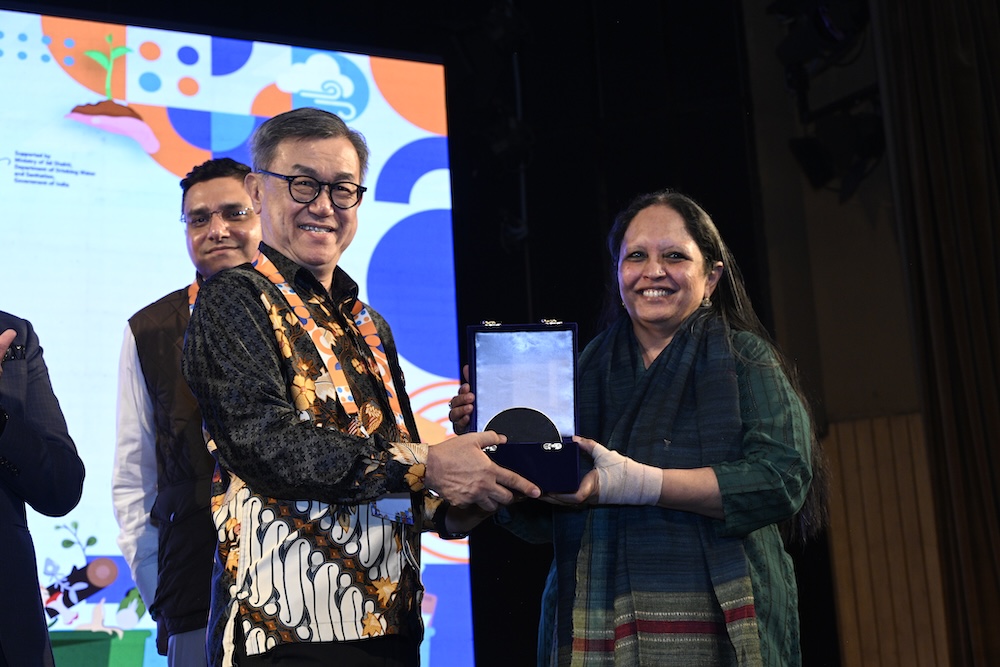
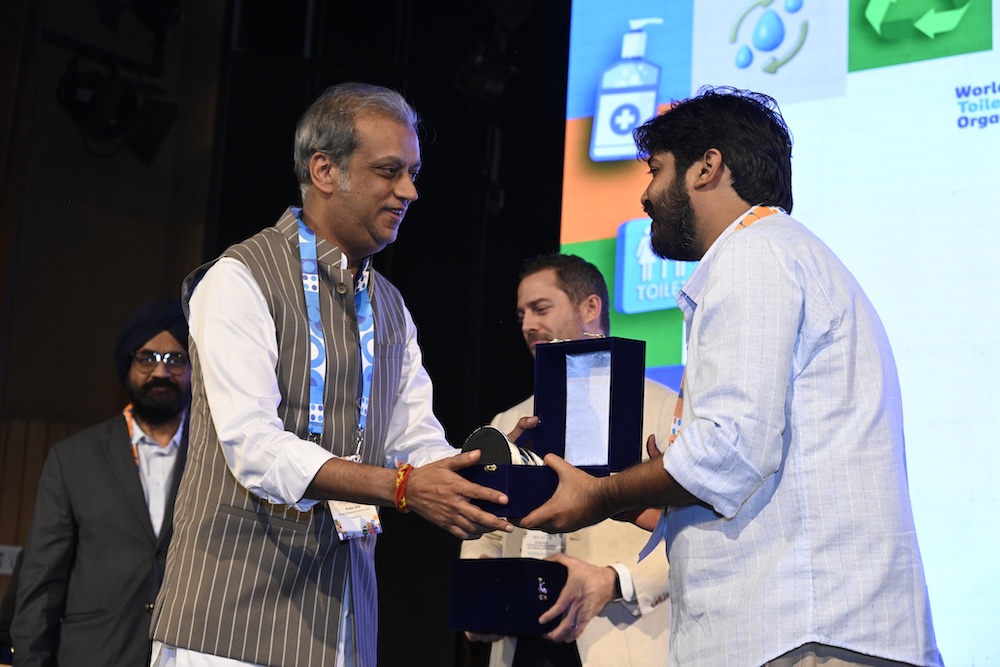
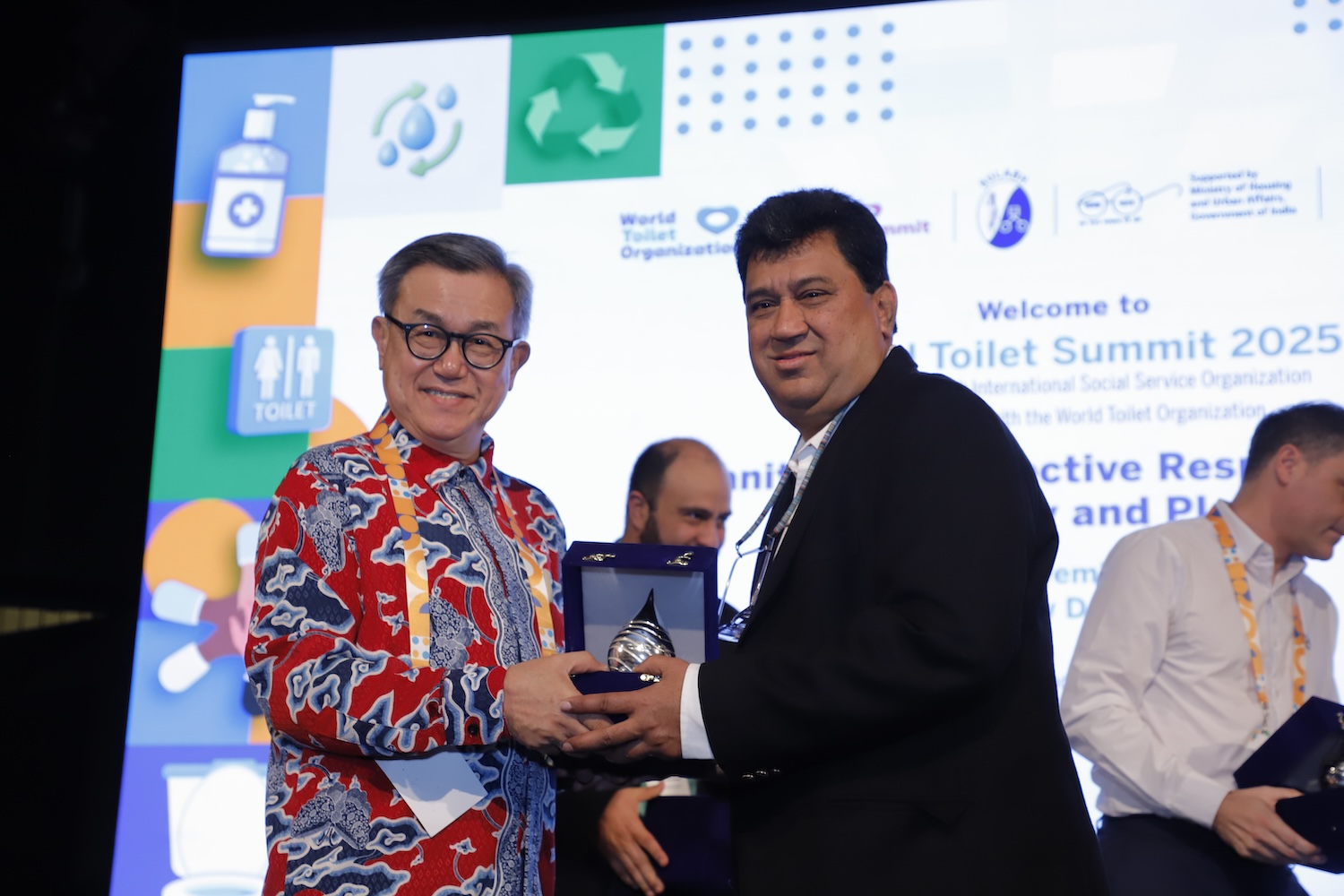
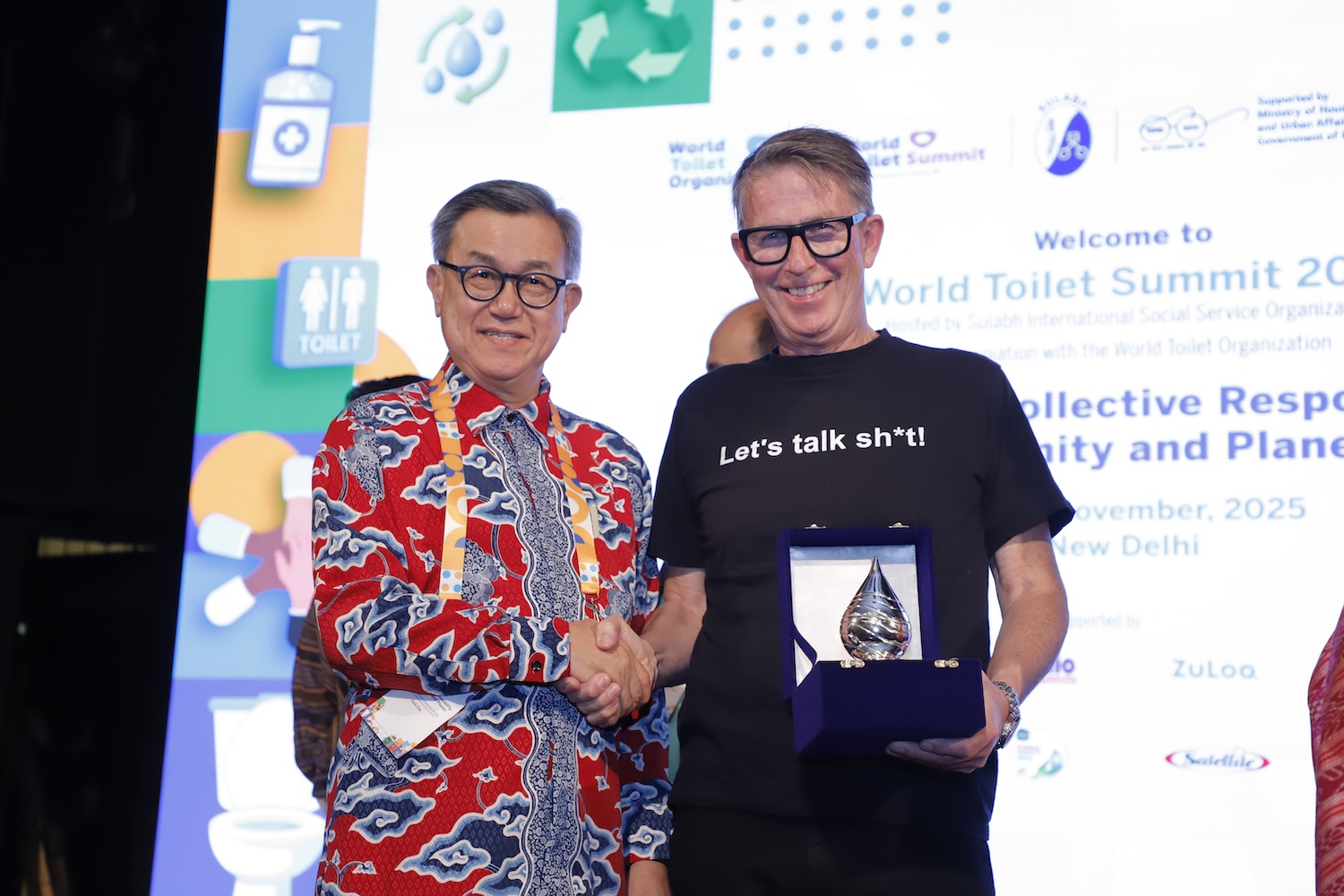
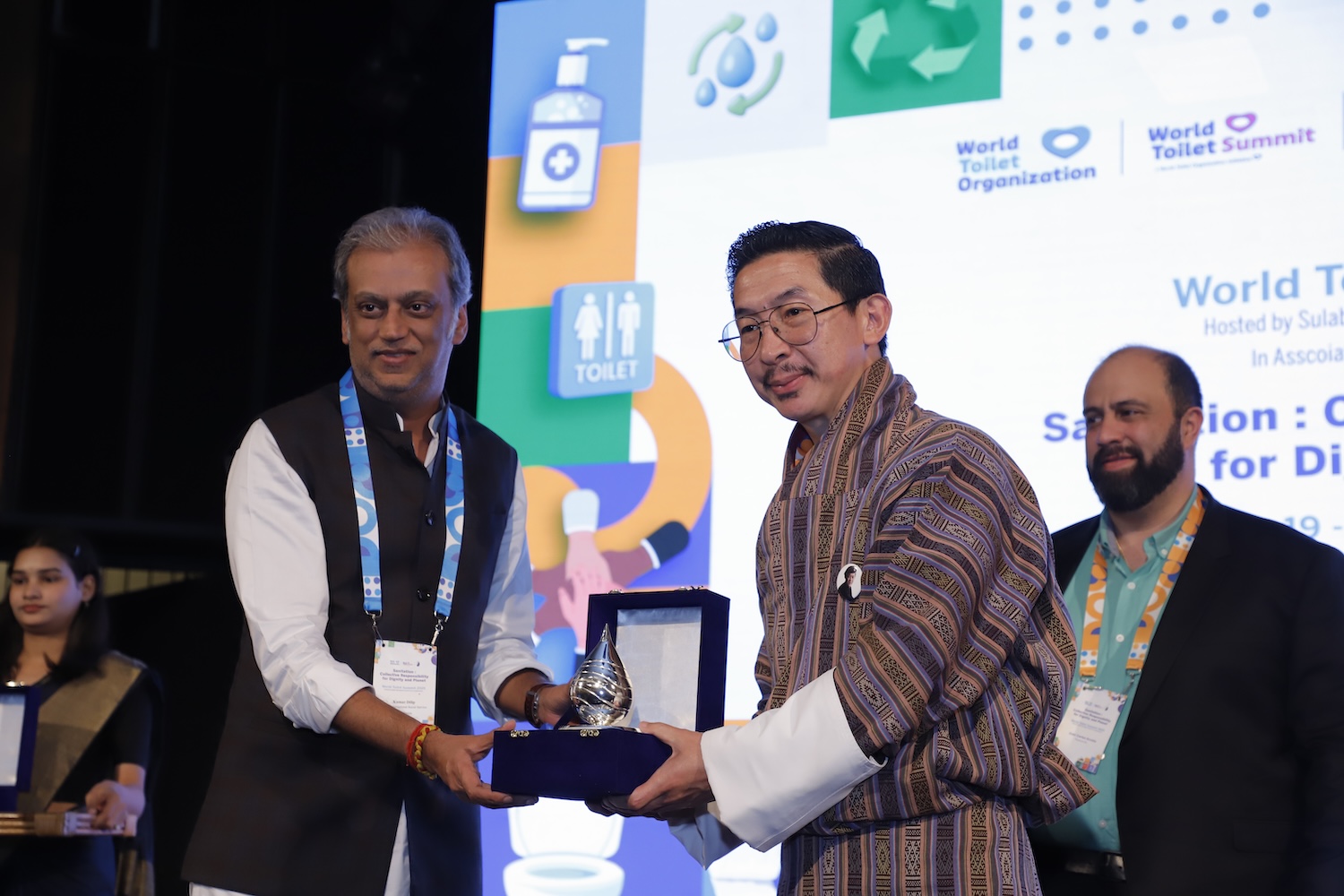
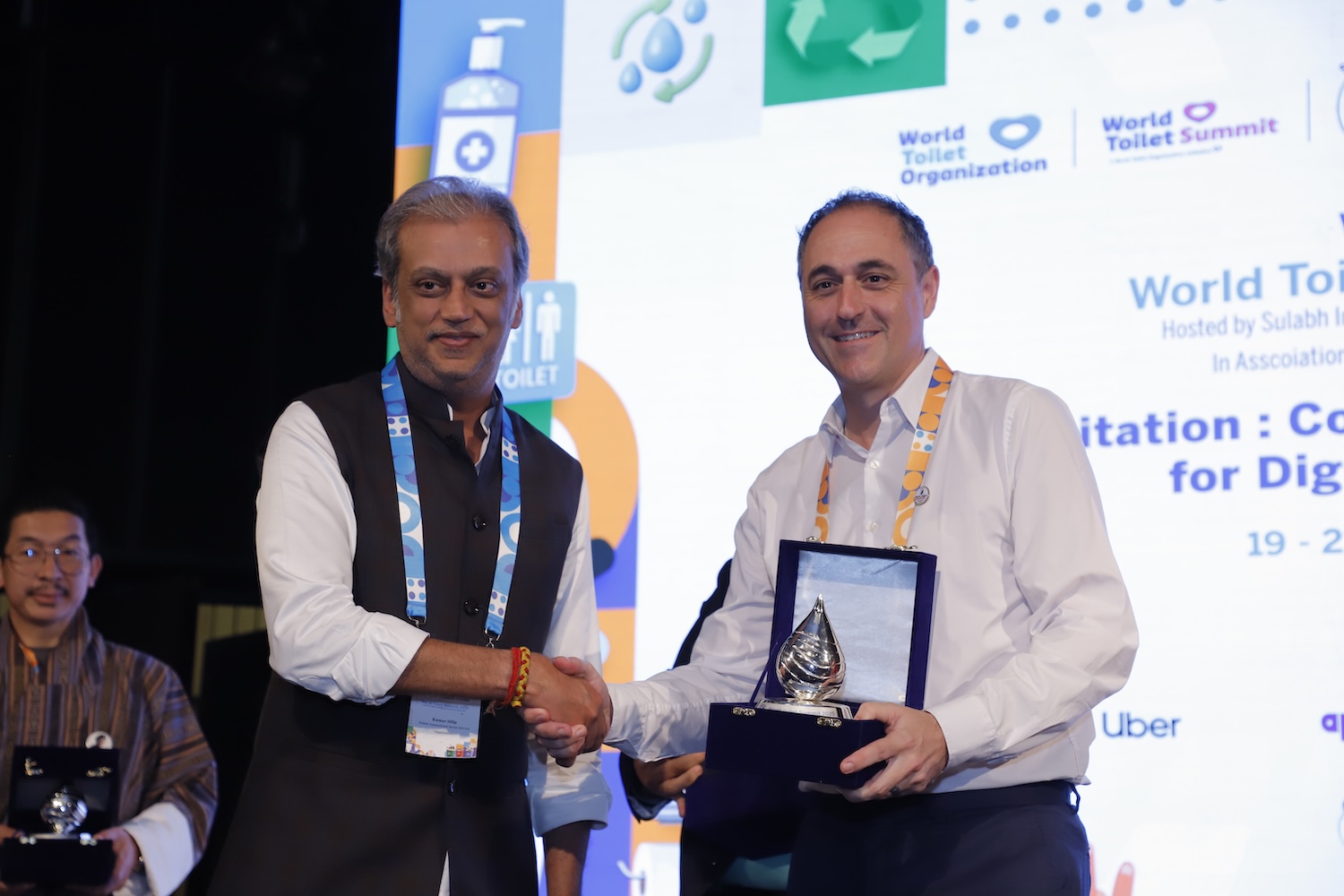
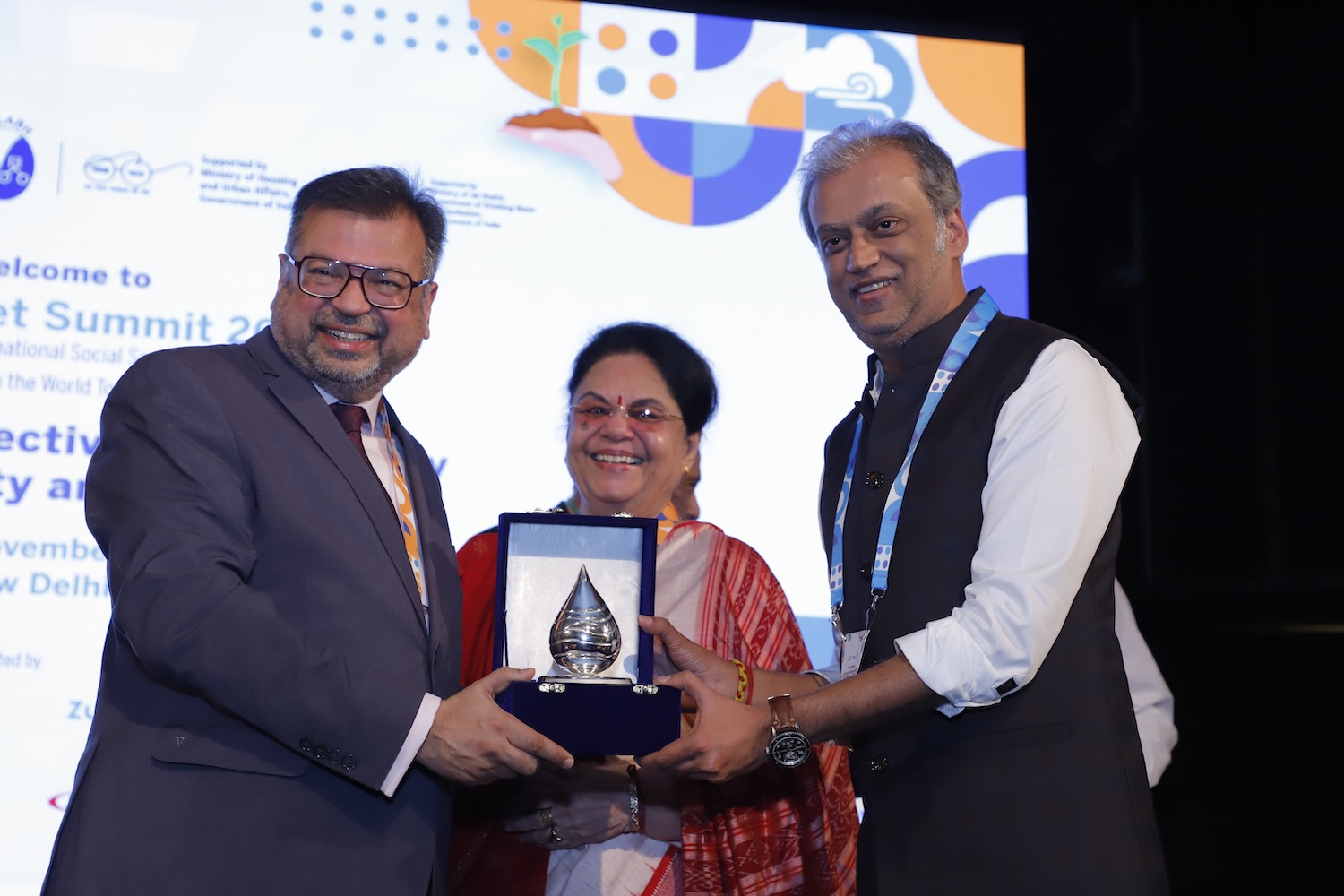
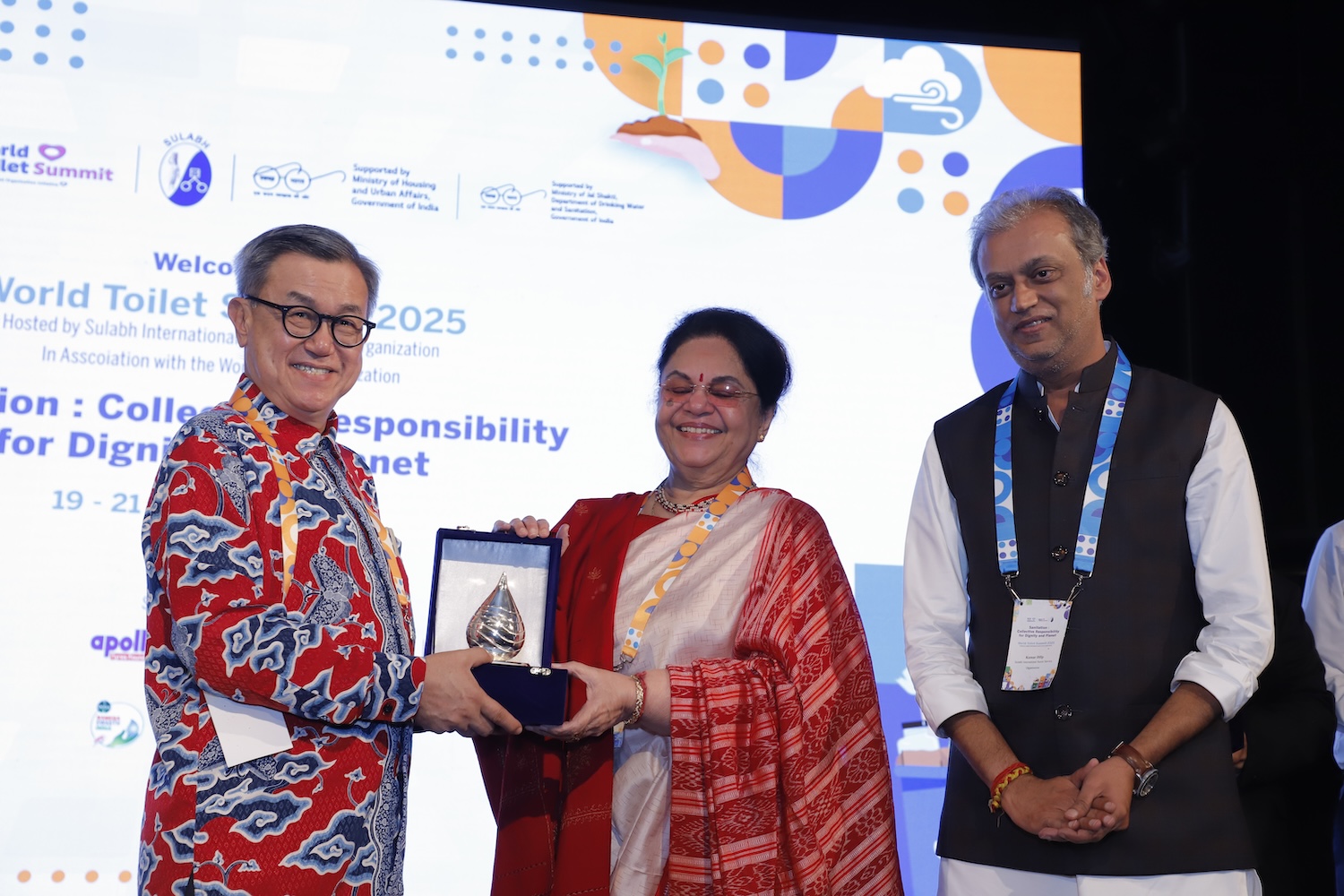
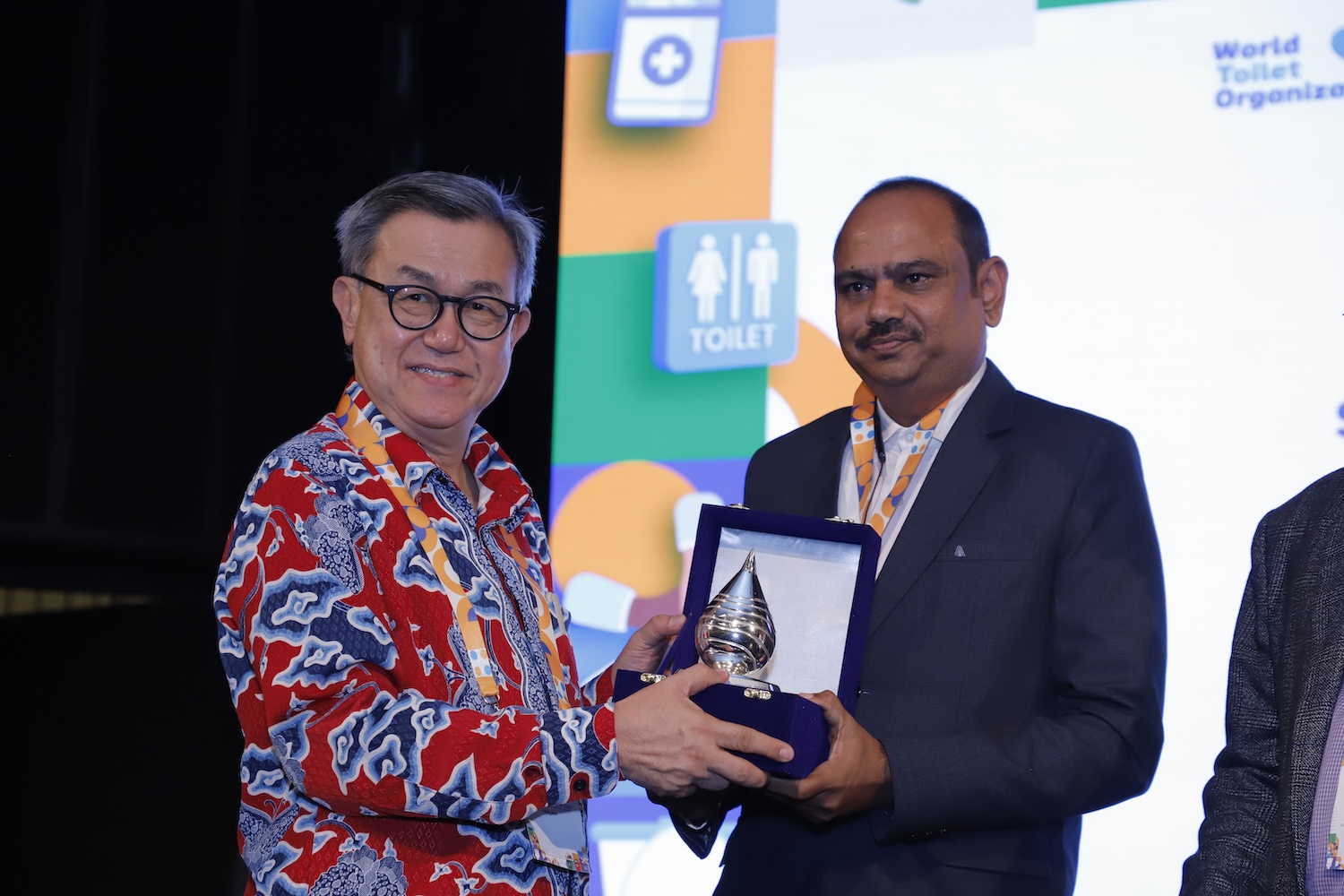
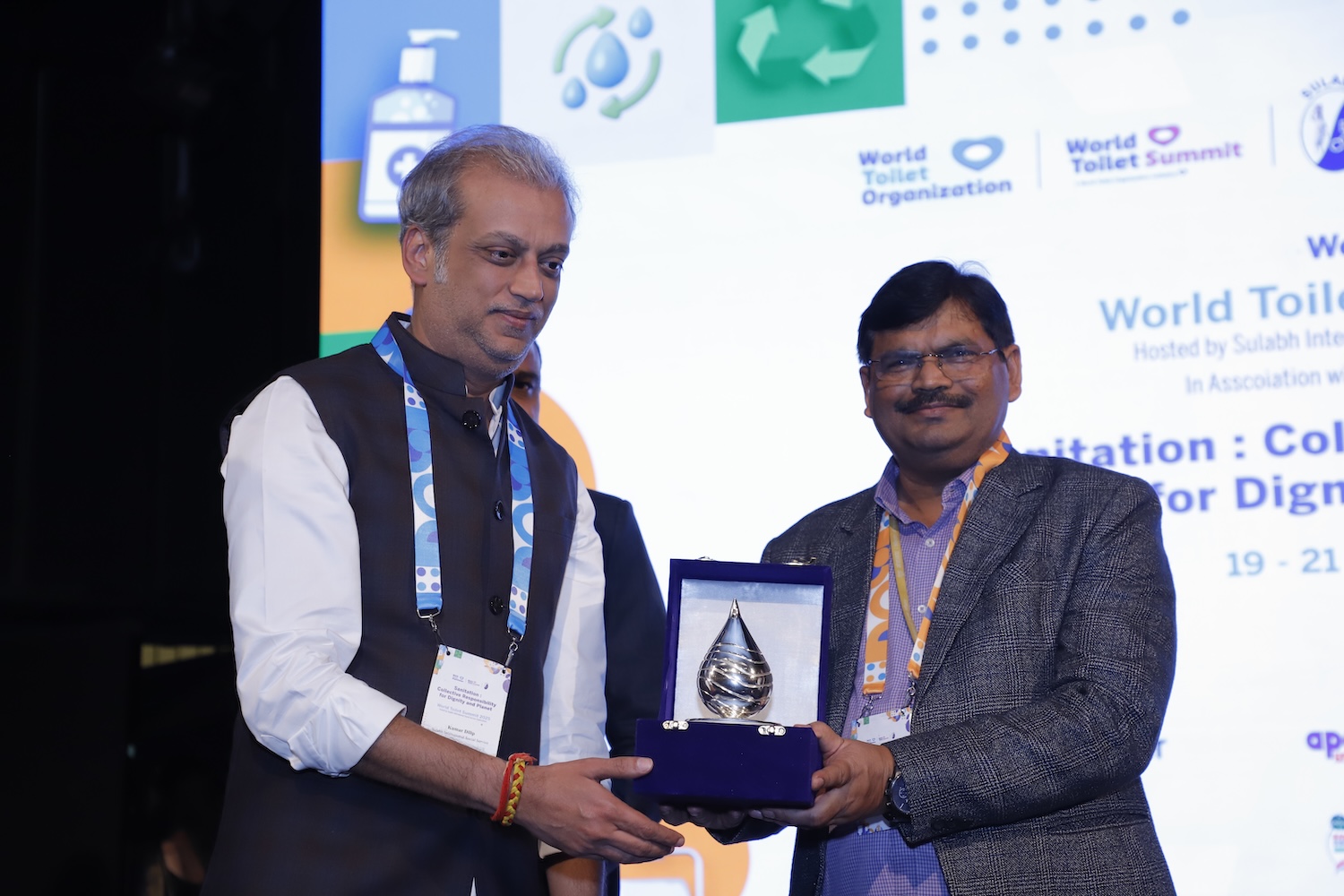
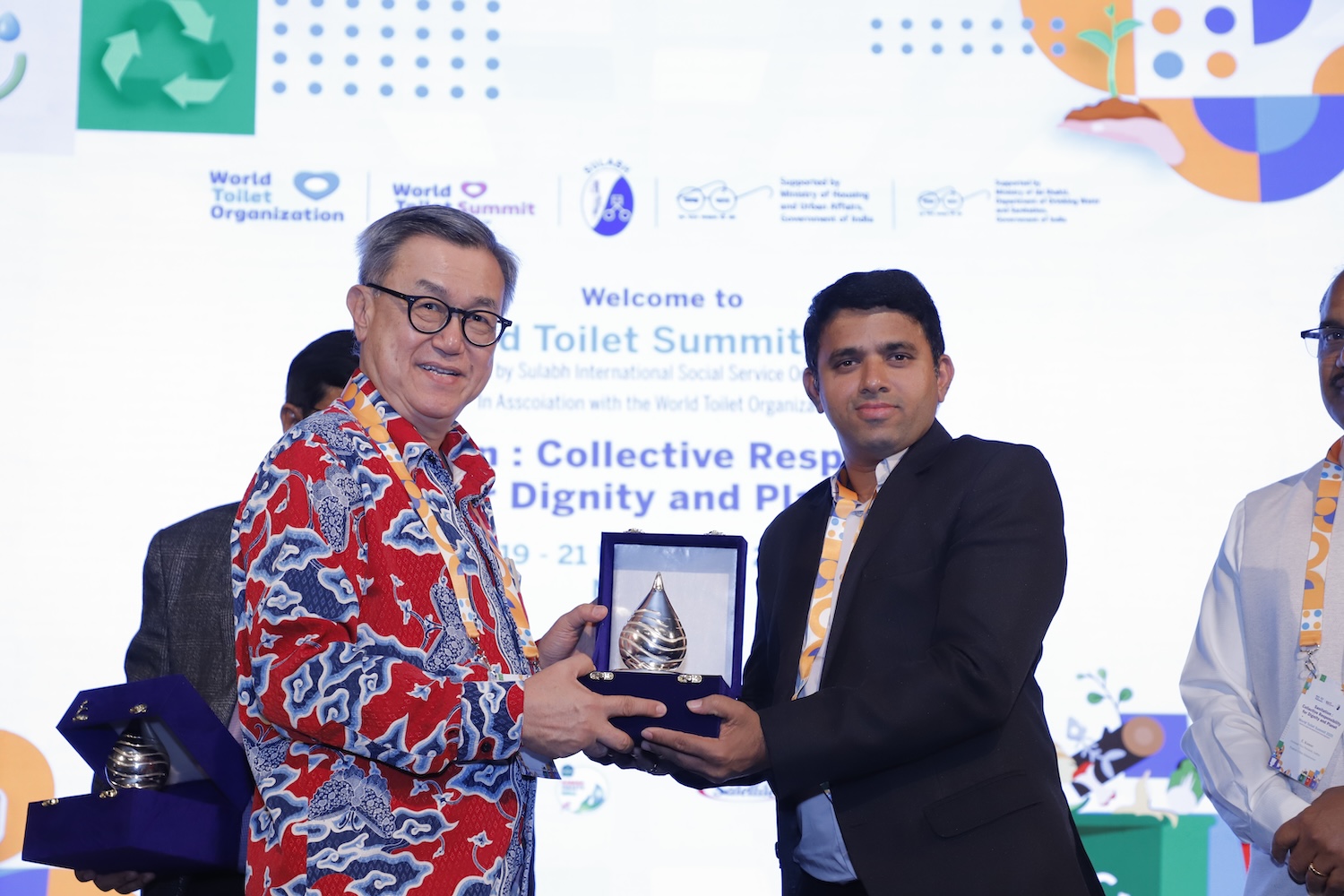
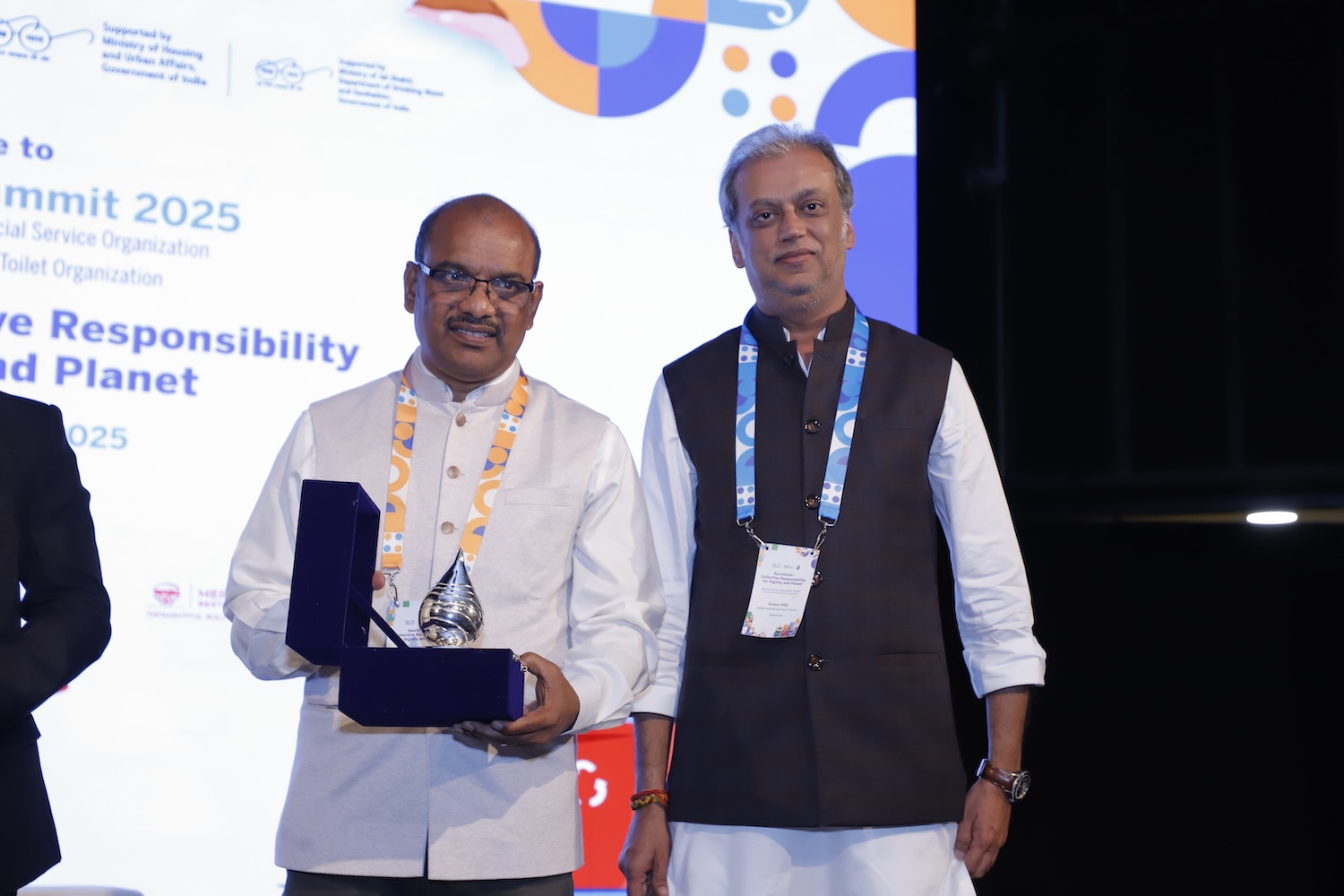
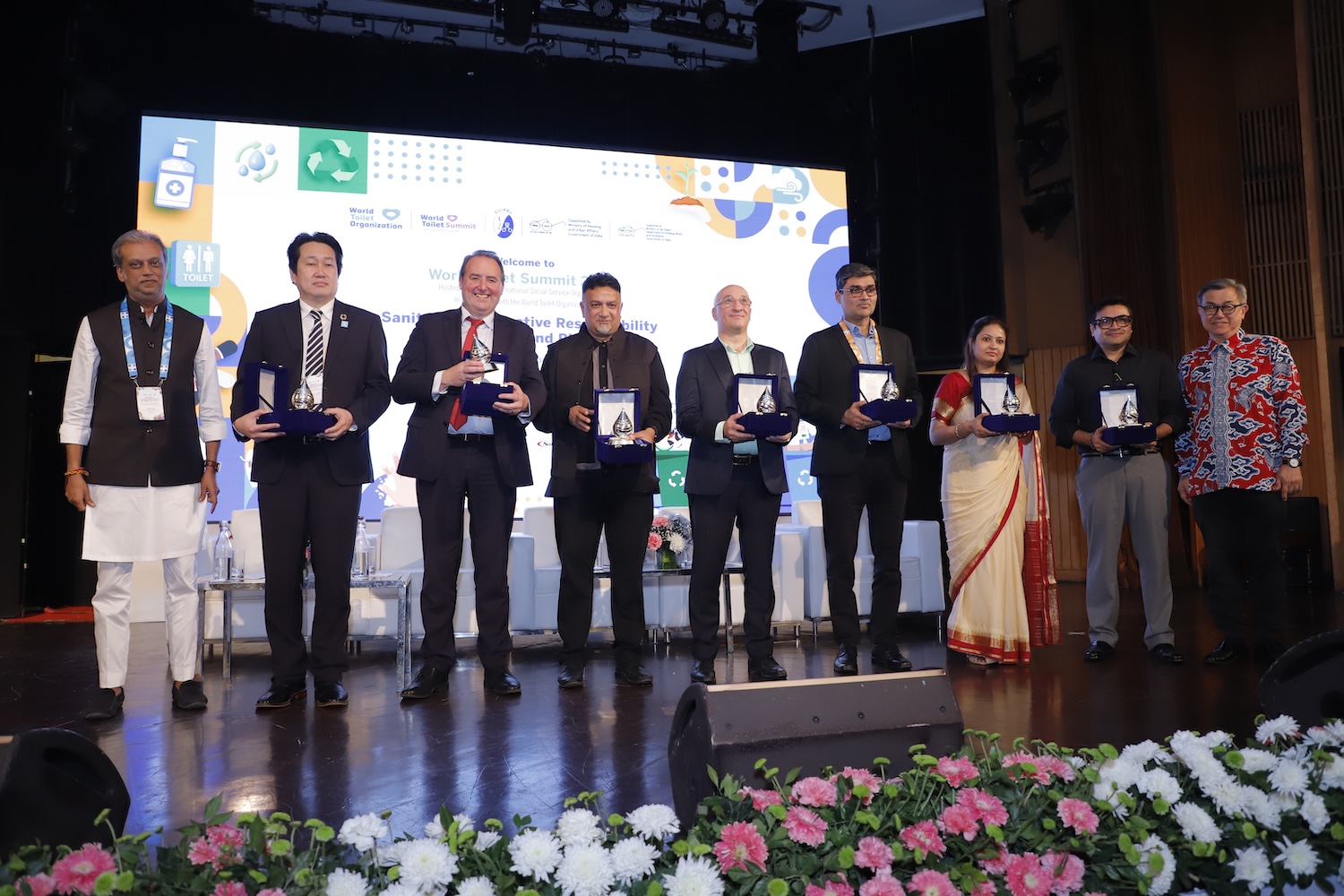
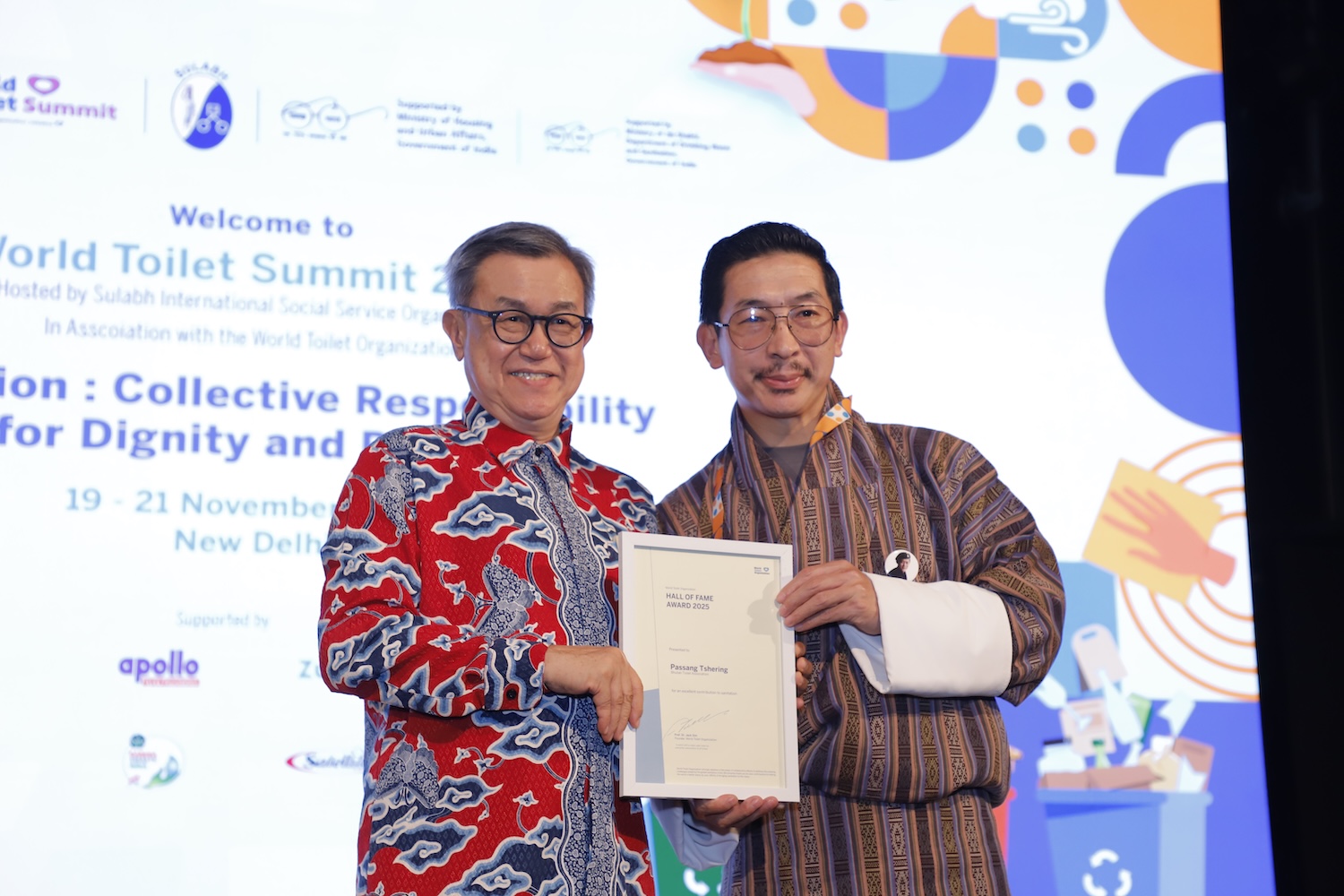
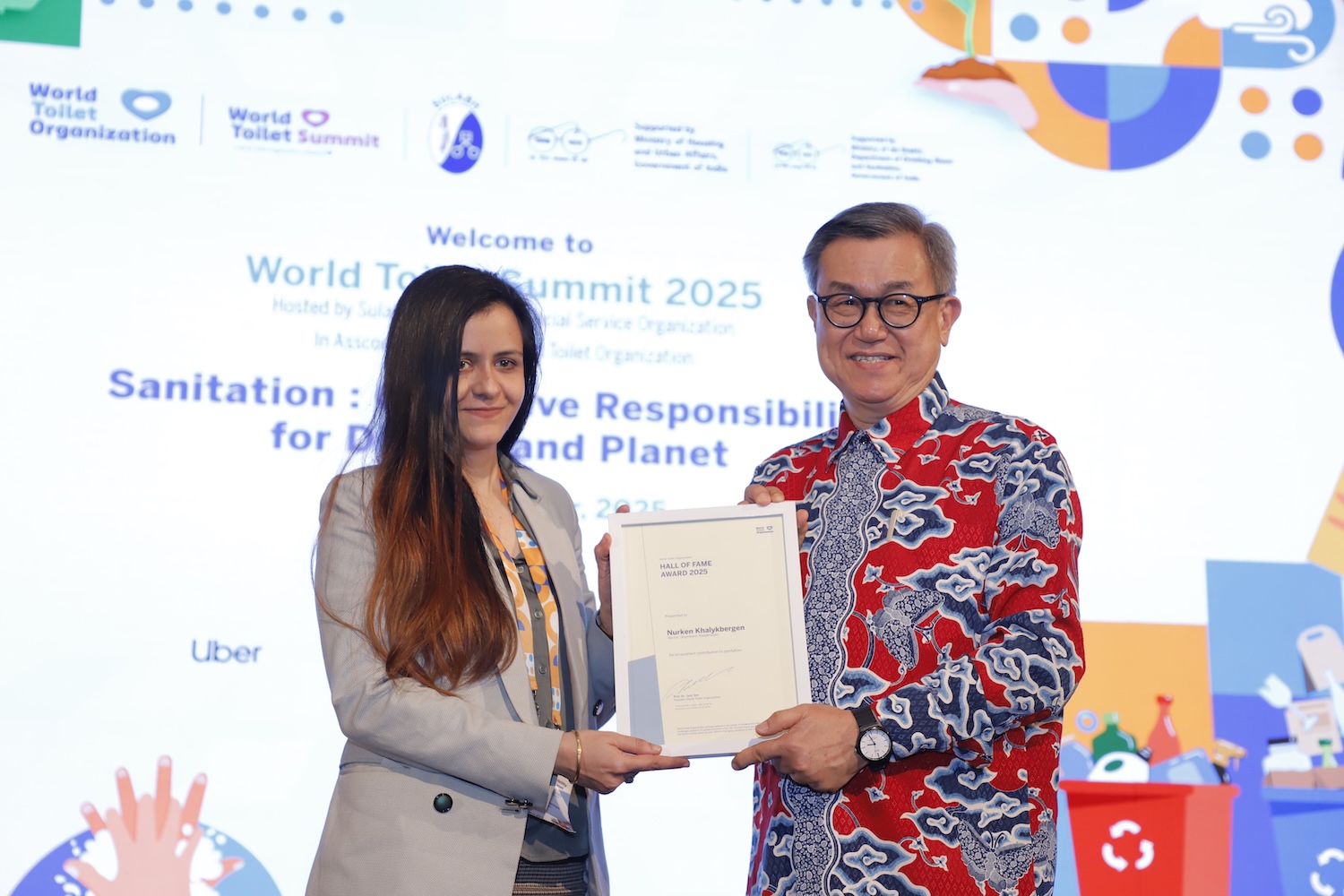
At the World Toilet Summit 2025, the World Toilet Organization (WTO) presented its prestigious Hall of Fame Awards, recognising leaders whose work has significantly advanced global sanitation and human dignity.
We are honored that Shri Kumar Dilip, President of Sulabh International, was inducted into the WTO Hall of Fame 2025. This honour carries special meaning for Sulabh, as our Founder, Dr Bindeshwar Pathak, is also a past recipient of this global recognition.
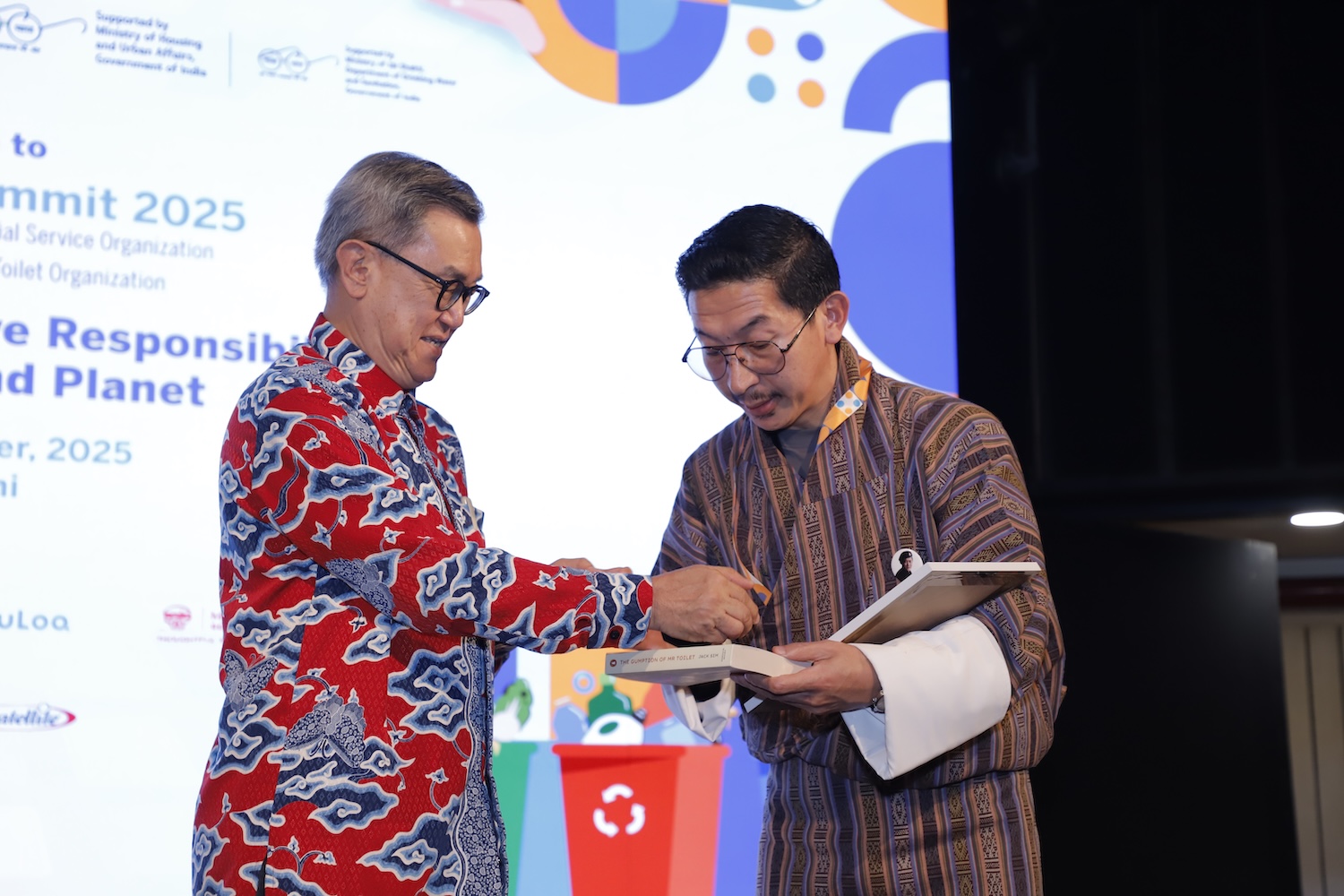
WTO Hall of Fame 2025 Inductees included, Kumar Dilip – Sulabh International Social Service Organisation, Chablop PaSsu – Founder, Bhutan Toilet Organisation and Nurken Khalykbergen – Rector, Miras University, Kazakhstan (Award for Nurken Khalykbergen was received on his behalf by a WTO representative.)
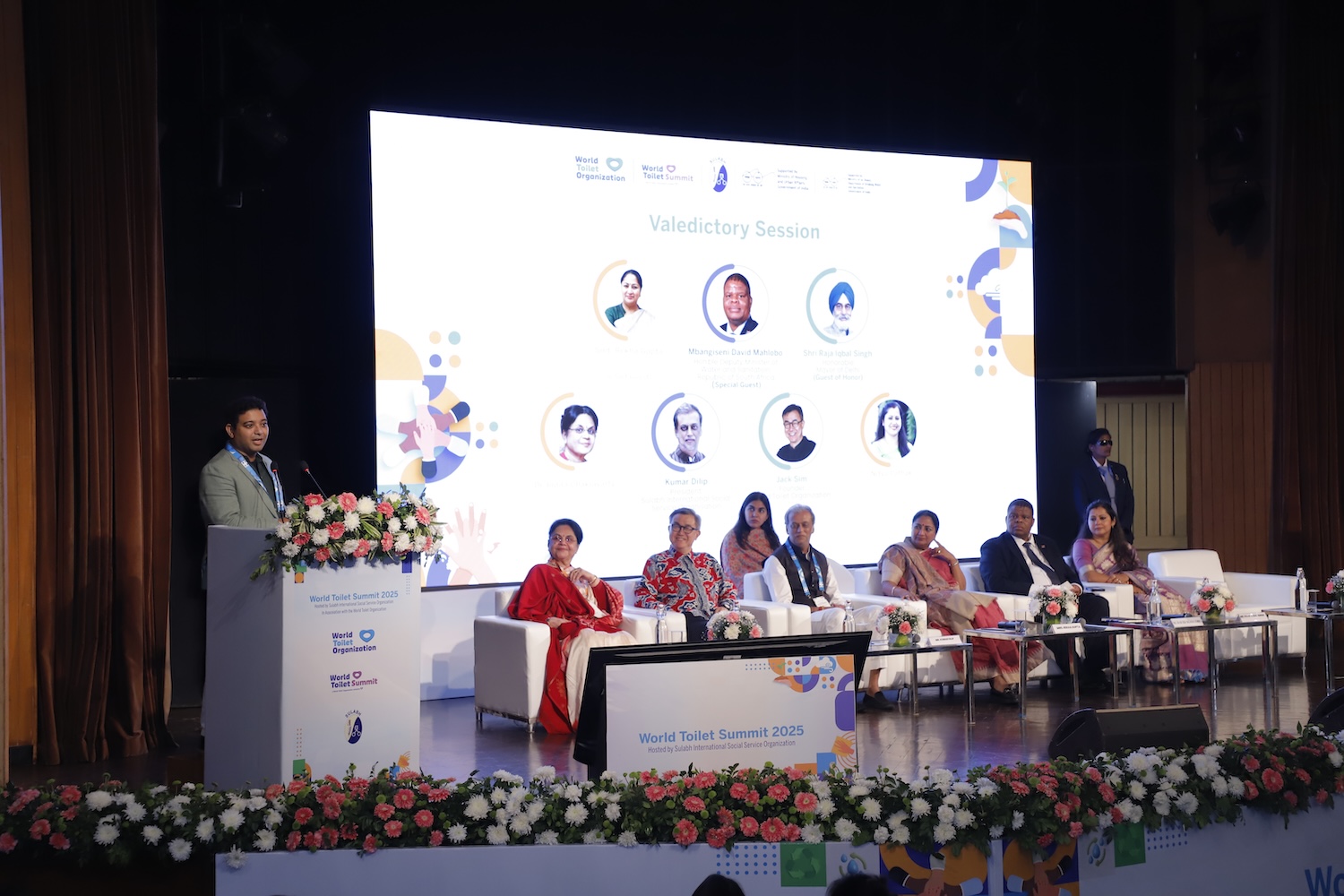
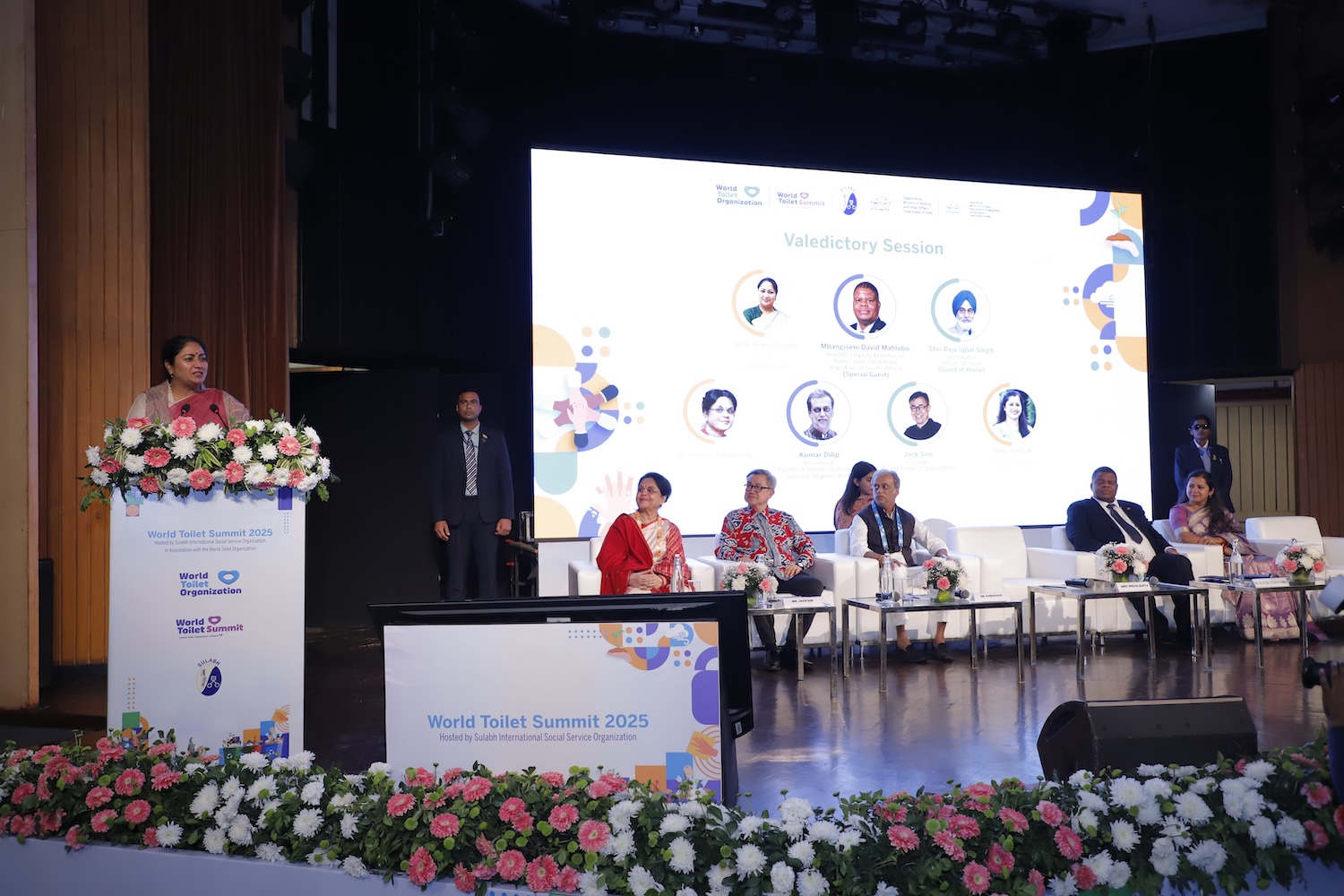
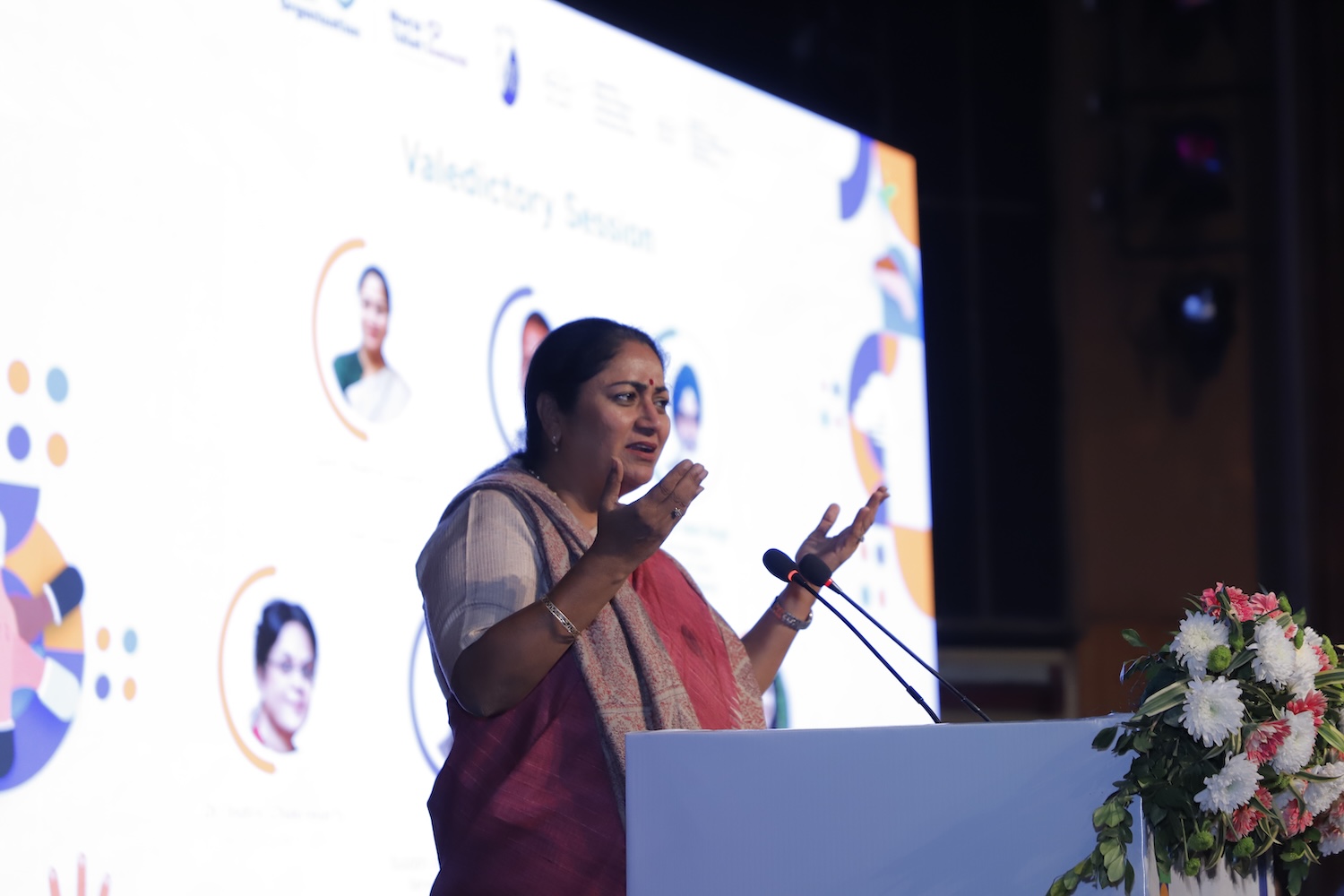
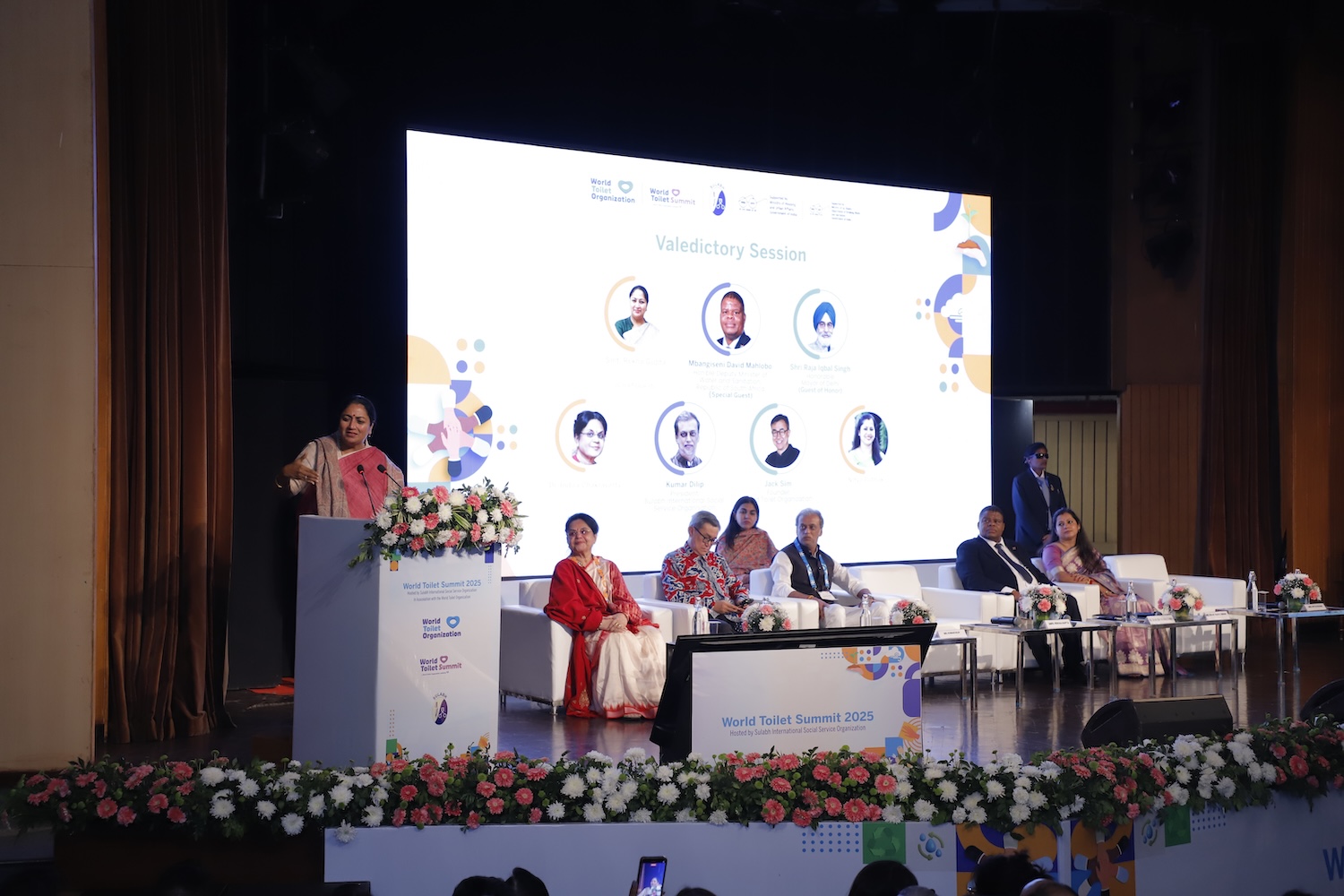
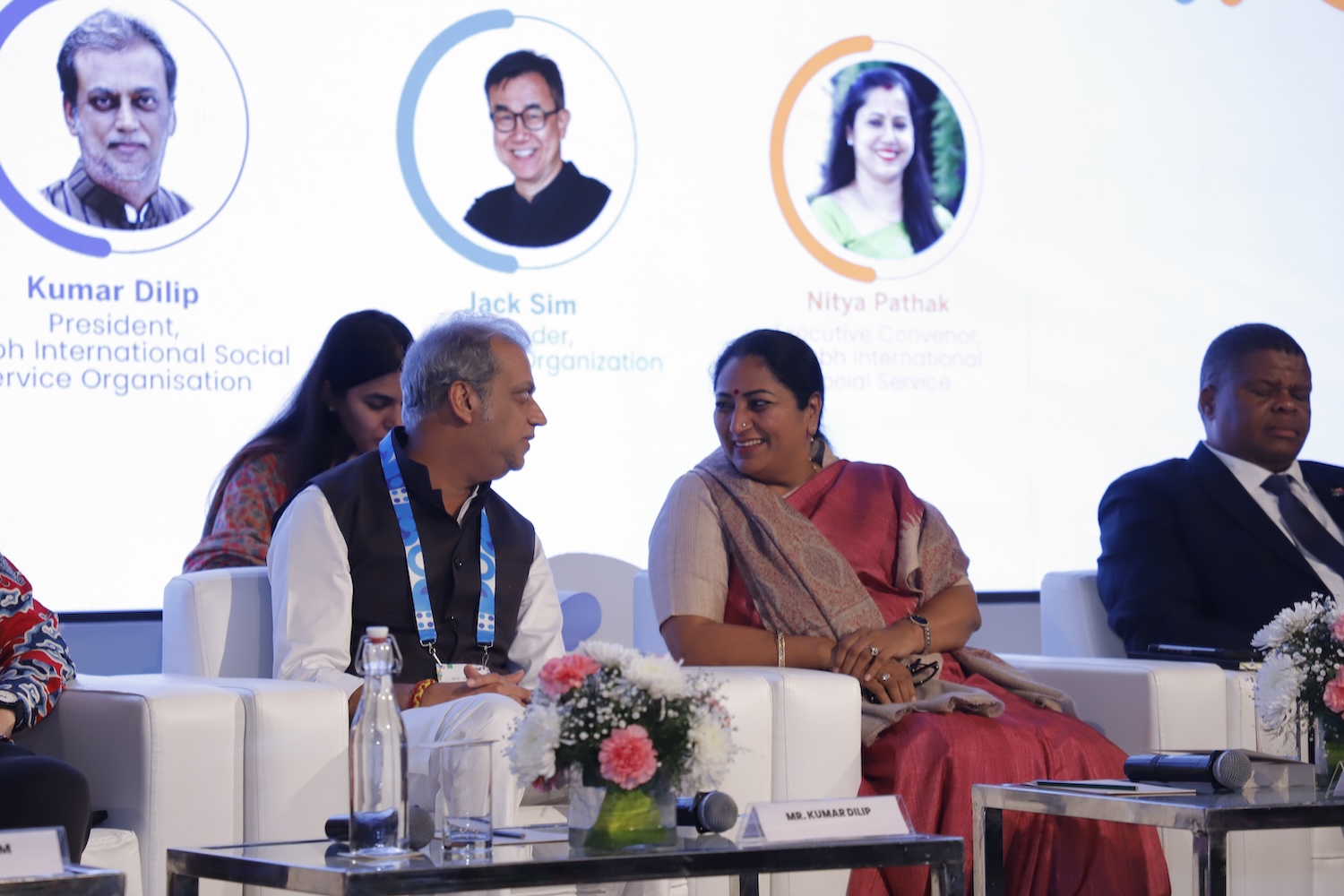
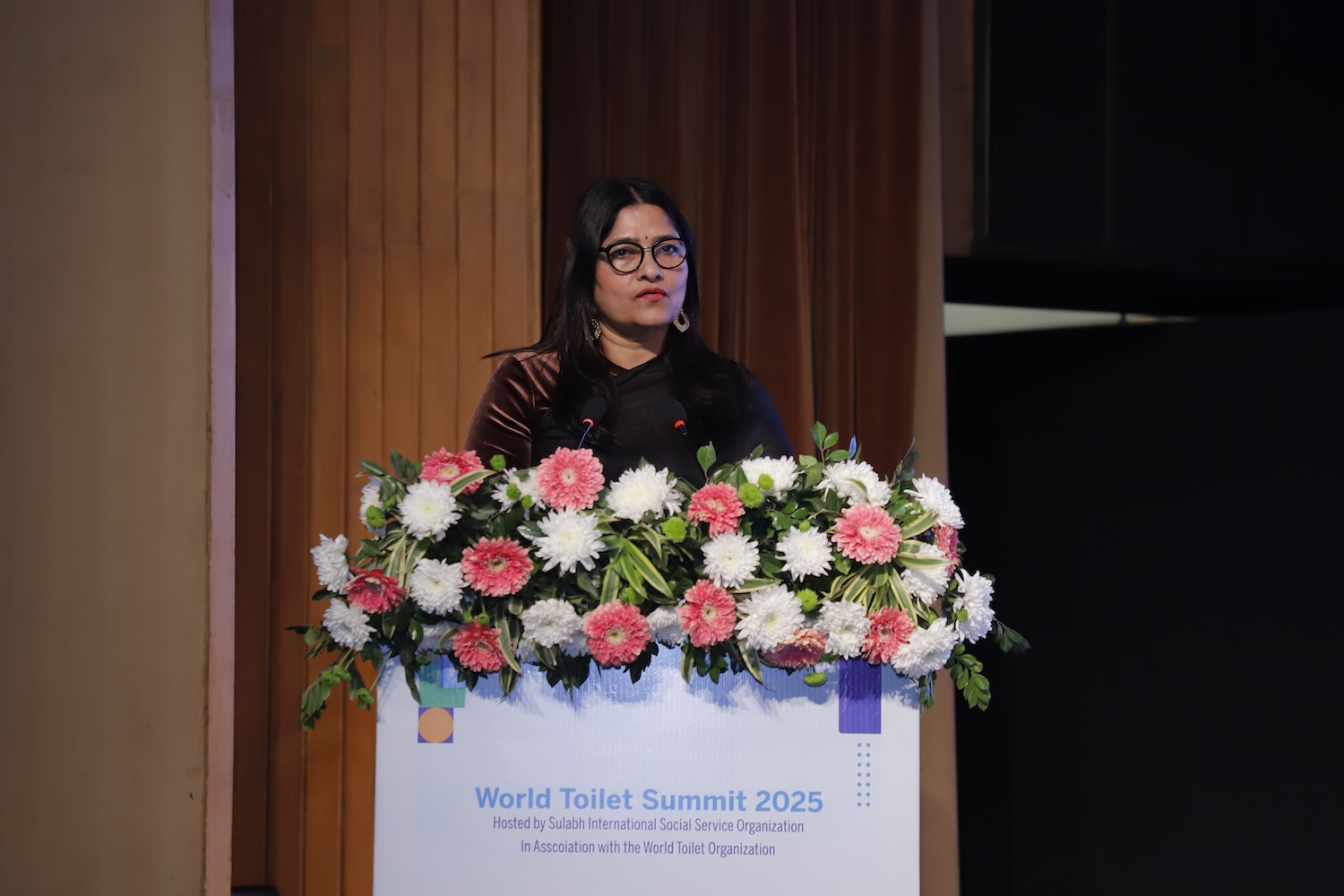
Valedictory Session
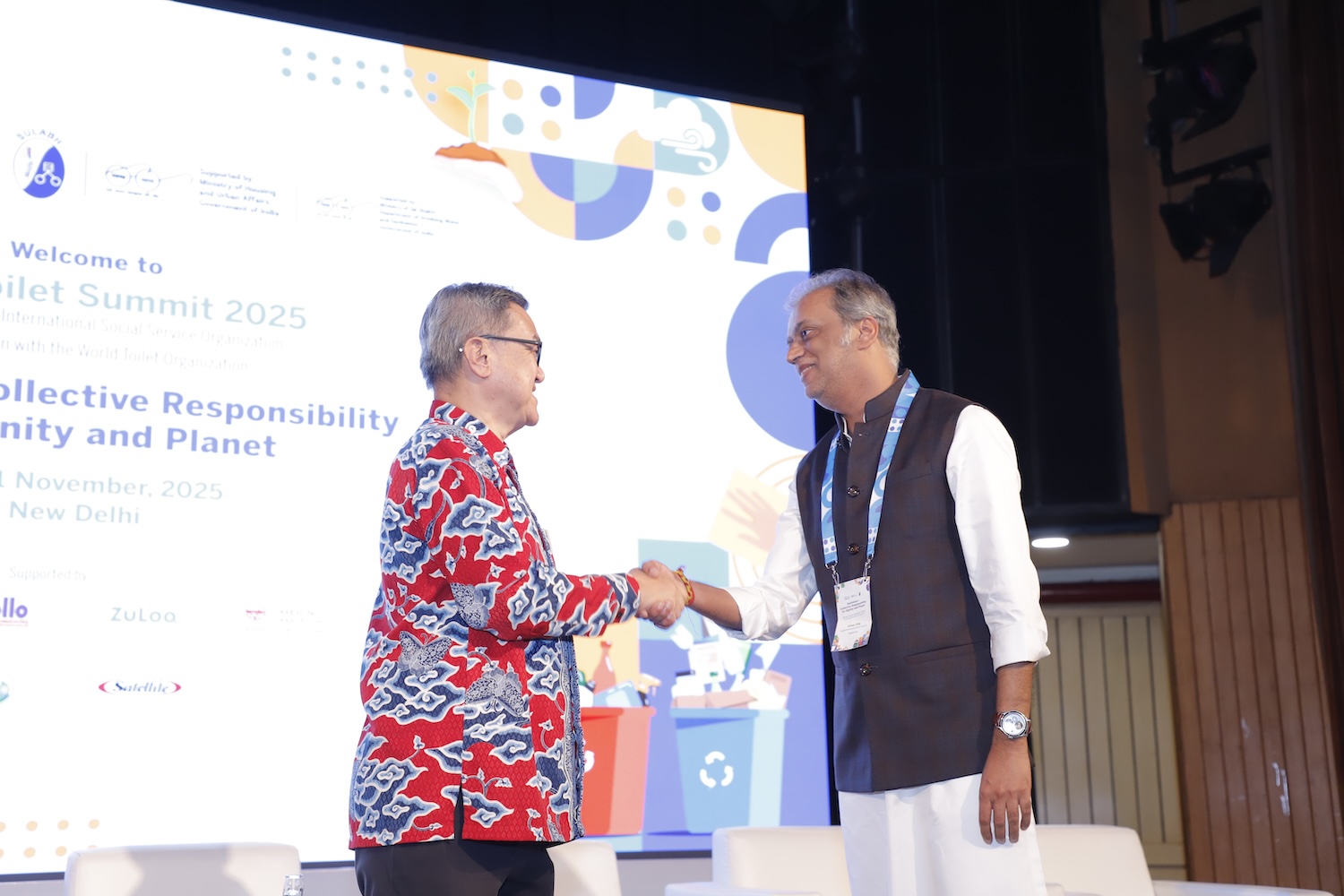
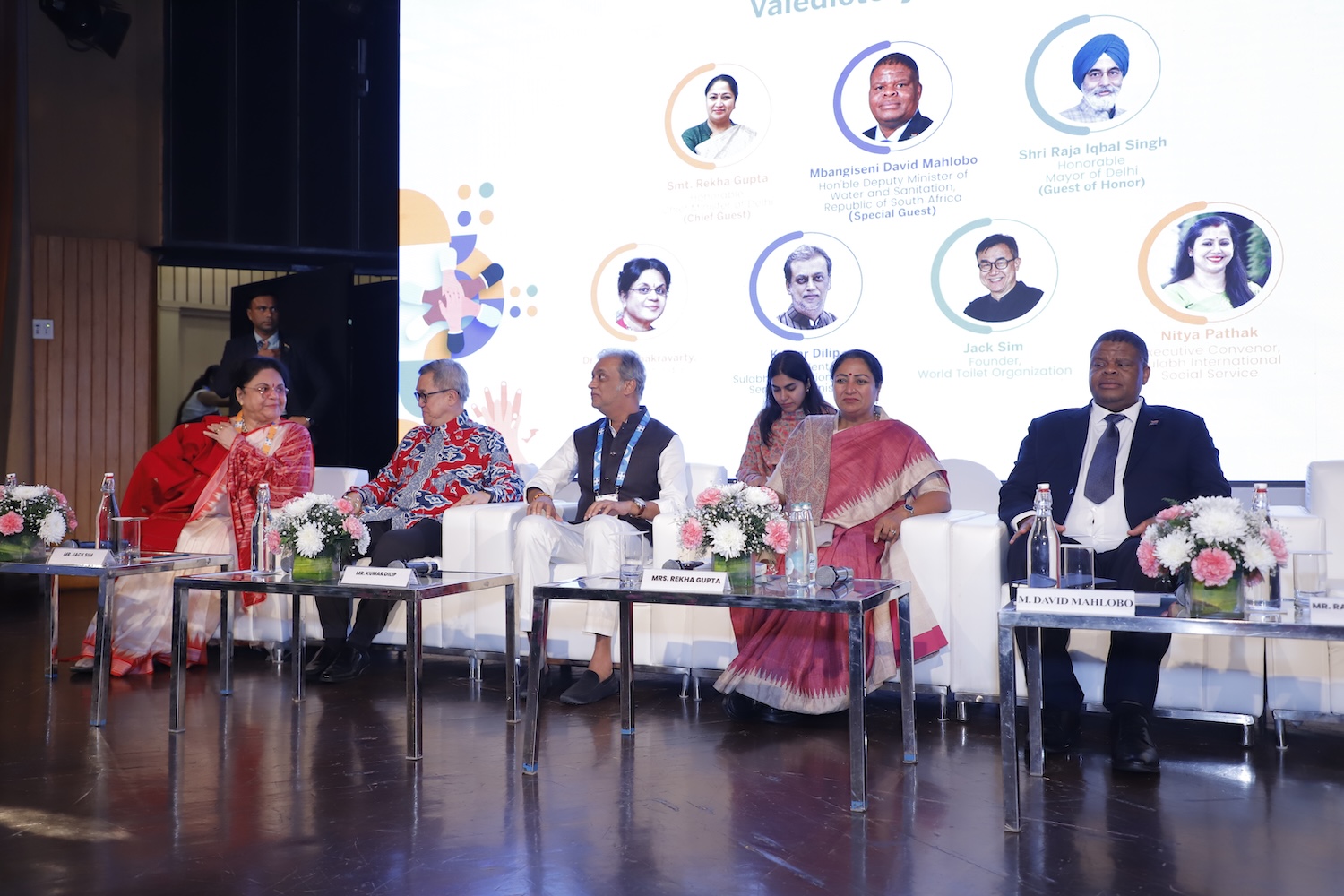
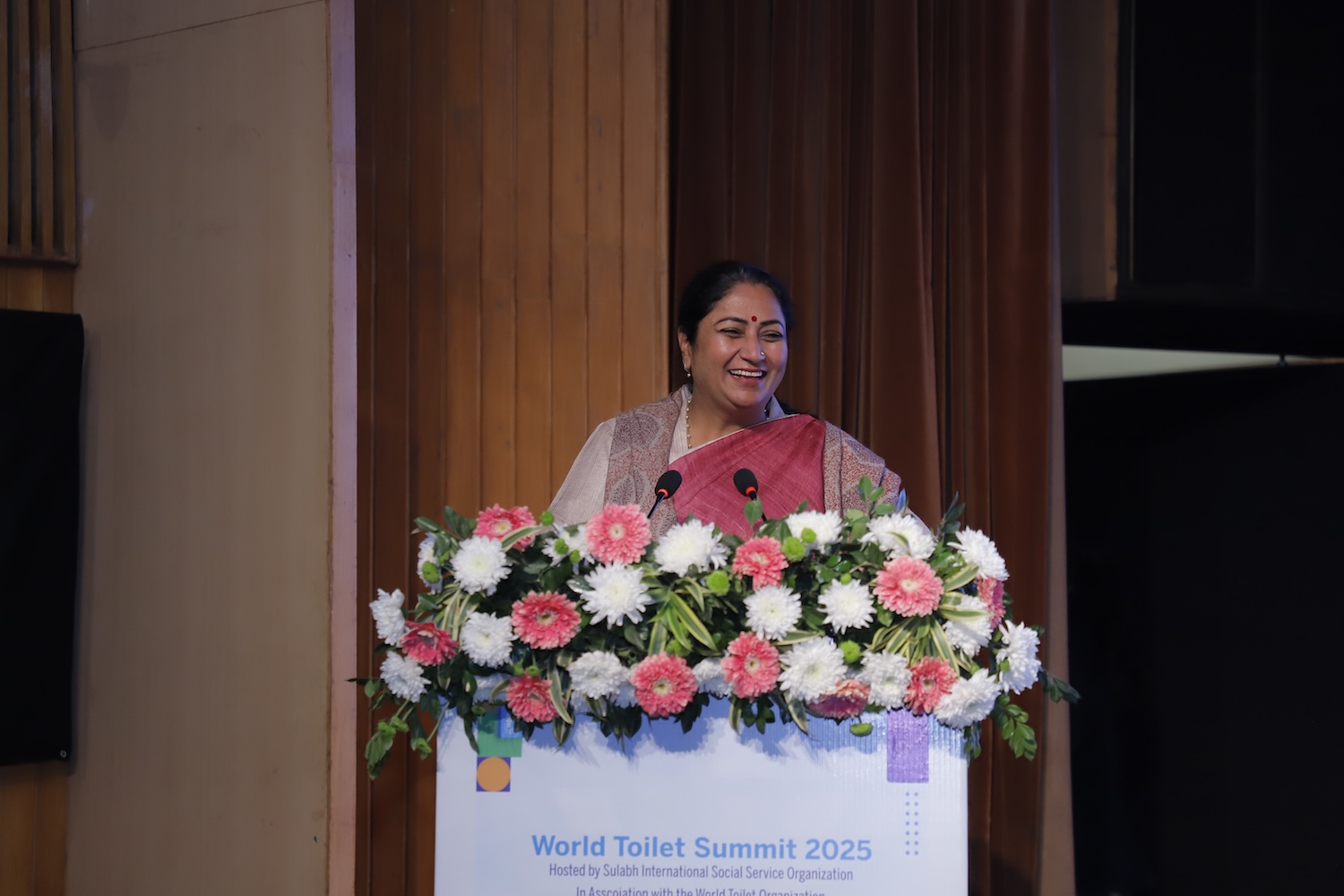
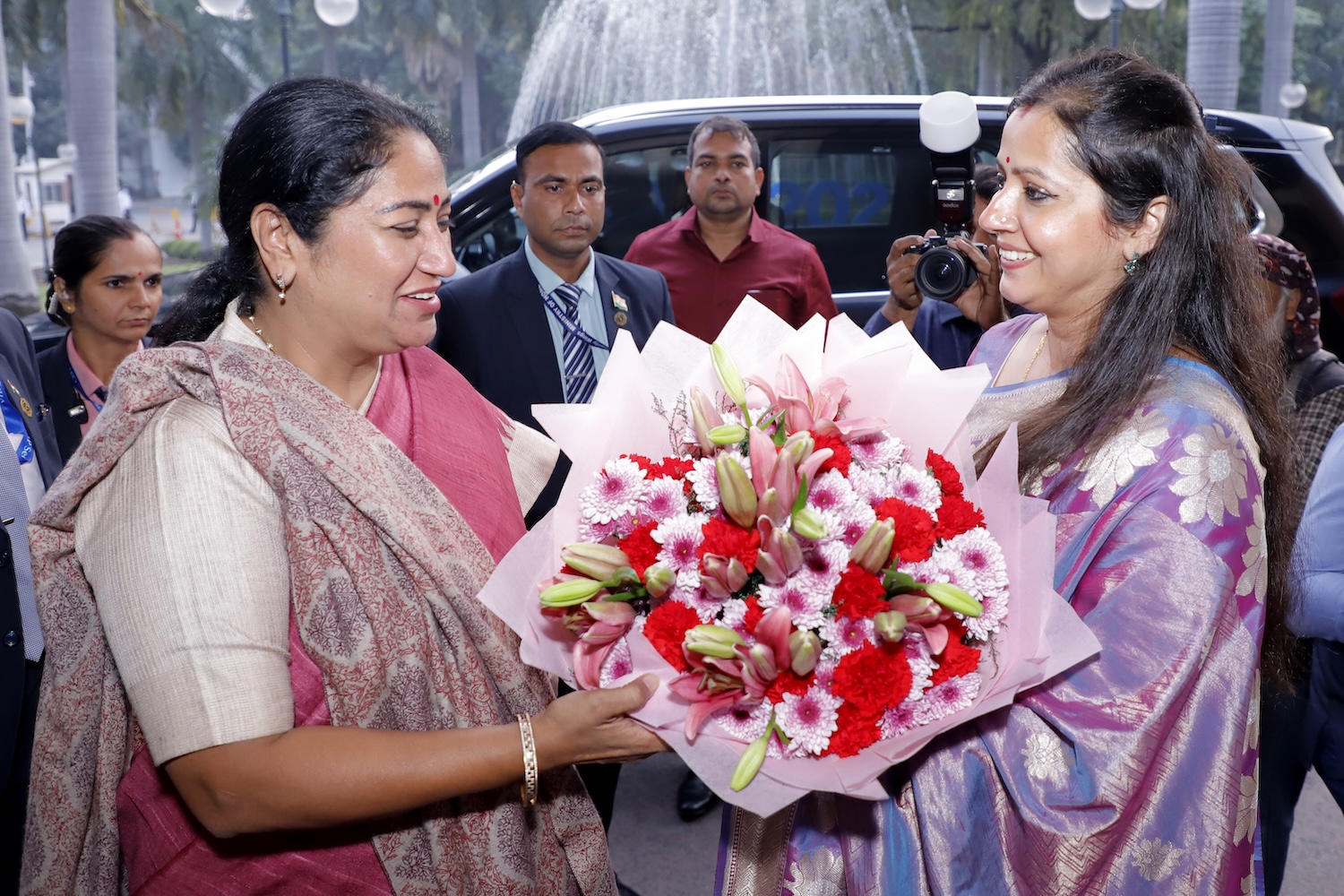
The Summit concluded with a Valedictory Session graced by Hon’ble Chief Minister of Delhi, Smt Rekha Gupta.
She congratulated Sulabh International for successfully hosting this globally significant summit and praised its enduring contribution to sanitation and social reform.
She echoed the central theme of the Summit, stating that “sanitation is a collective responsibility for dignity and planet,” and emphasised that Delhi must lead the way in building clean, inclusive, and climate-resilient urban environments.
A Global Movement for Dignity, Health & Climate Security
The World Toilet Summit 2025 reinforced a shared global belief: Sanitation is a human right, an economic opportunity, and a climate imperative.
As governments, businesses, researchers, and communities renewed their commitment, the Summit stood as a landmark global platform—celebrating progress, addressing emerging challenges, and inspiring action for a cleaner, more equitable, and more dignified world.
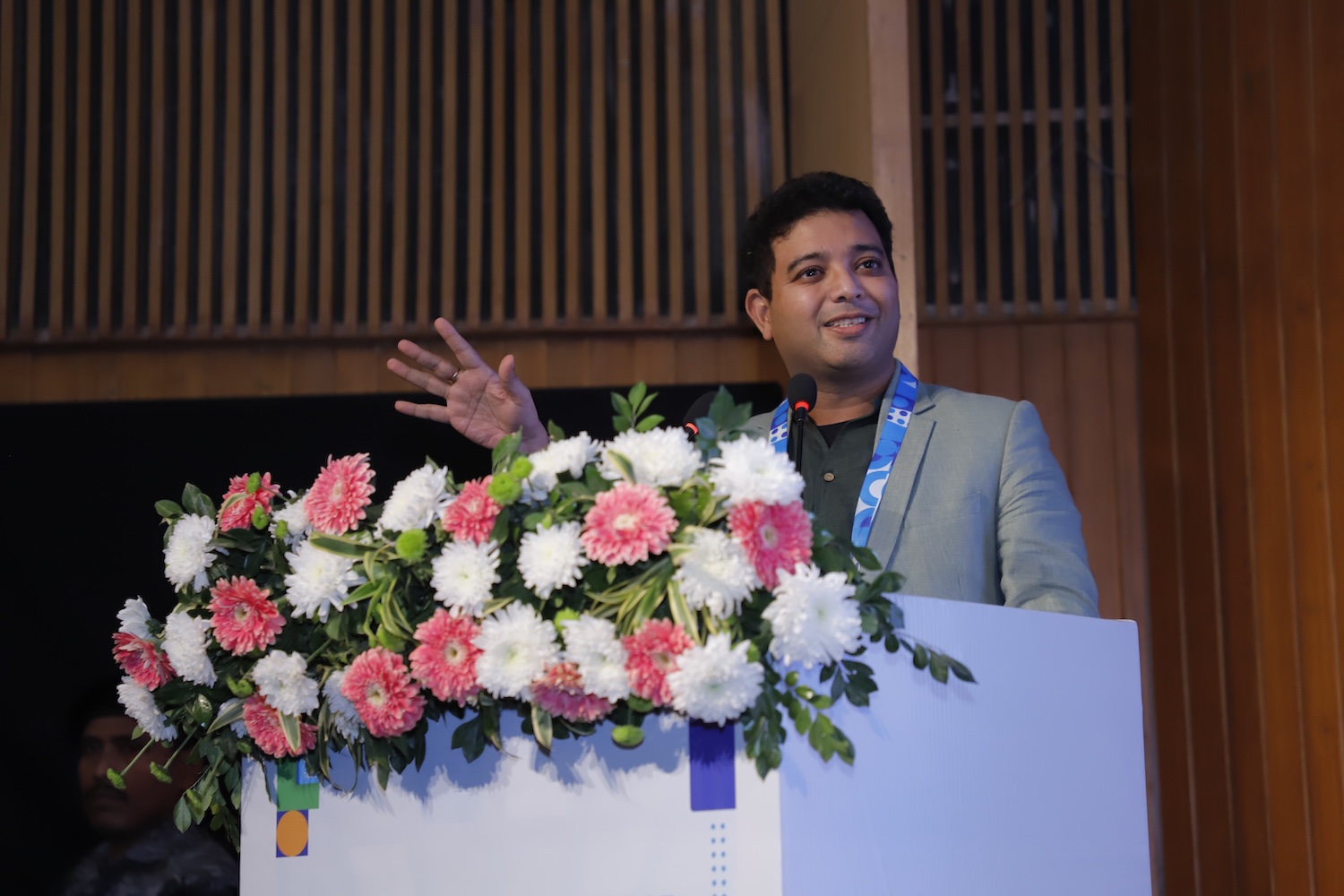
We also recognize and appreciate the contributions of all speakers, panellist and Global Experts whose insights shaped the Summit’s thought leadership.
We extend our gratitude to each speaker for sharing their research, field experience, innovation, and leadership. Their voices strengthened the Summit’s collective call for – Climate-resilient sanitation, Gender-responsive WASH systems, Circular resource economies, Public–private partnerships, Behaviour change, Global South collaboration
Their contributions enriched every session and inspired new pathways toward achieving dignified and sustainable sanitation for all.
Our Supporters & Partners
We extend our gratitude and appreciation to all supporters, sponsors, institutions, and partners whose commitment and collaboration made the World Toilet Summit 2025 a huge success. – Uber, Apollo Tyres Foundation, ZuLoo, Merino Laminates, International Institute of Health & Hygiene (IIHH), Satellite Industries.