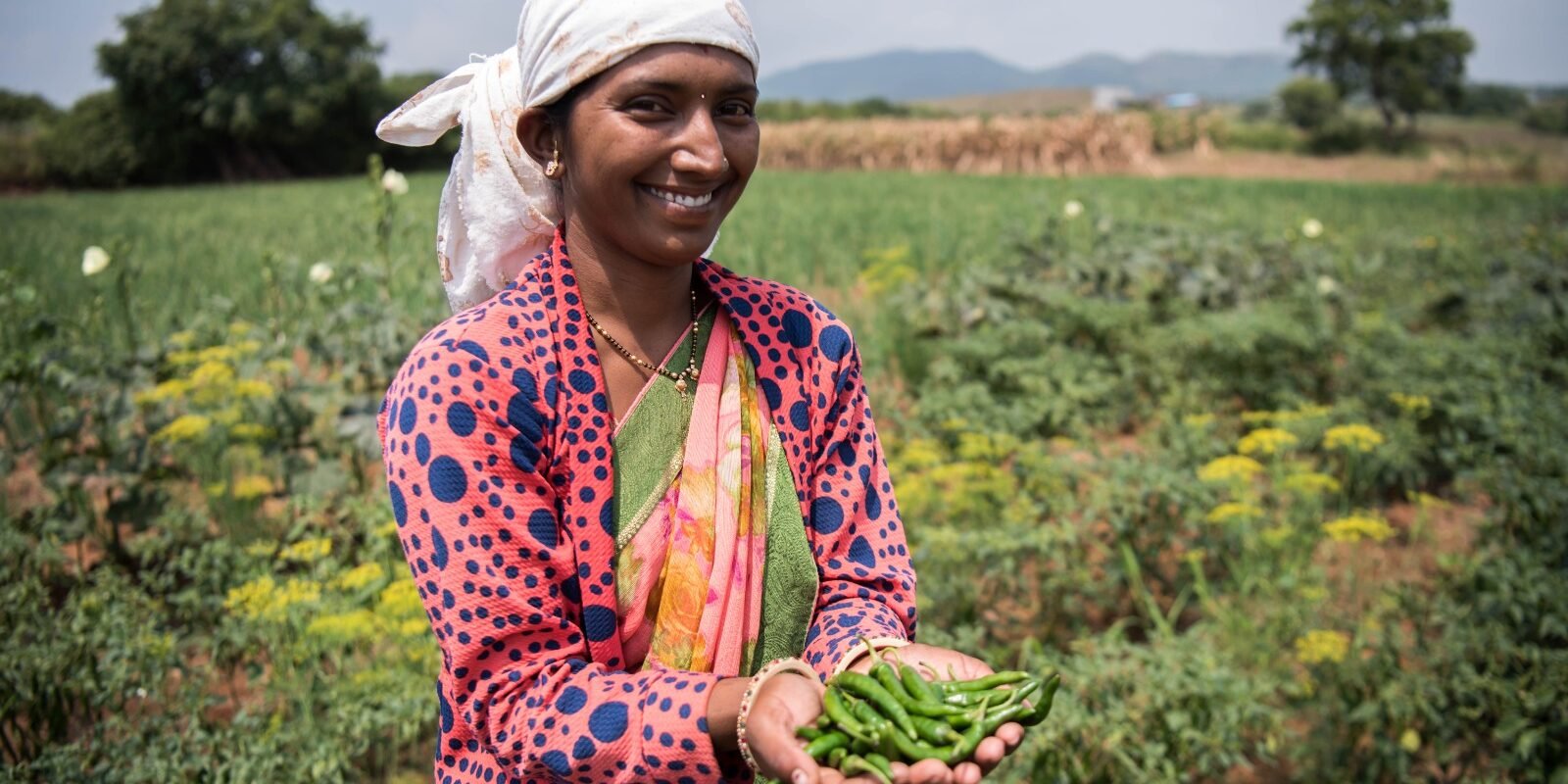
The United Nations General Assembly has proclaimed 2026 as the International Year of the Woman Farmer (IYWF), the International Year of Rangelands and Pastoralists (IYRP), and the International Year of Volunteers for Sustainable Development (IVY). These declarations recognize the pivotal roles women, pastoralist communities, and volunteers play in achieving the Sustainable Development Goals (SDGs).
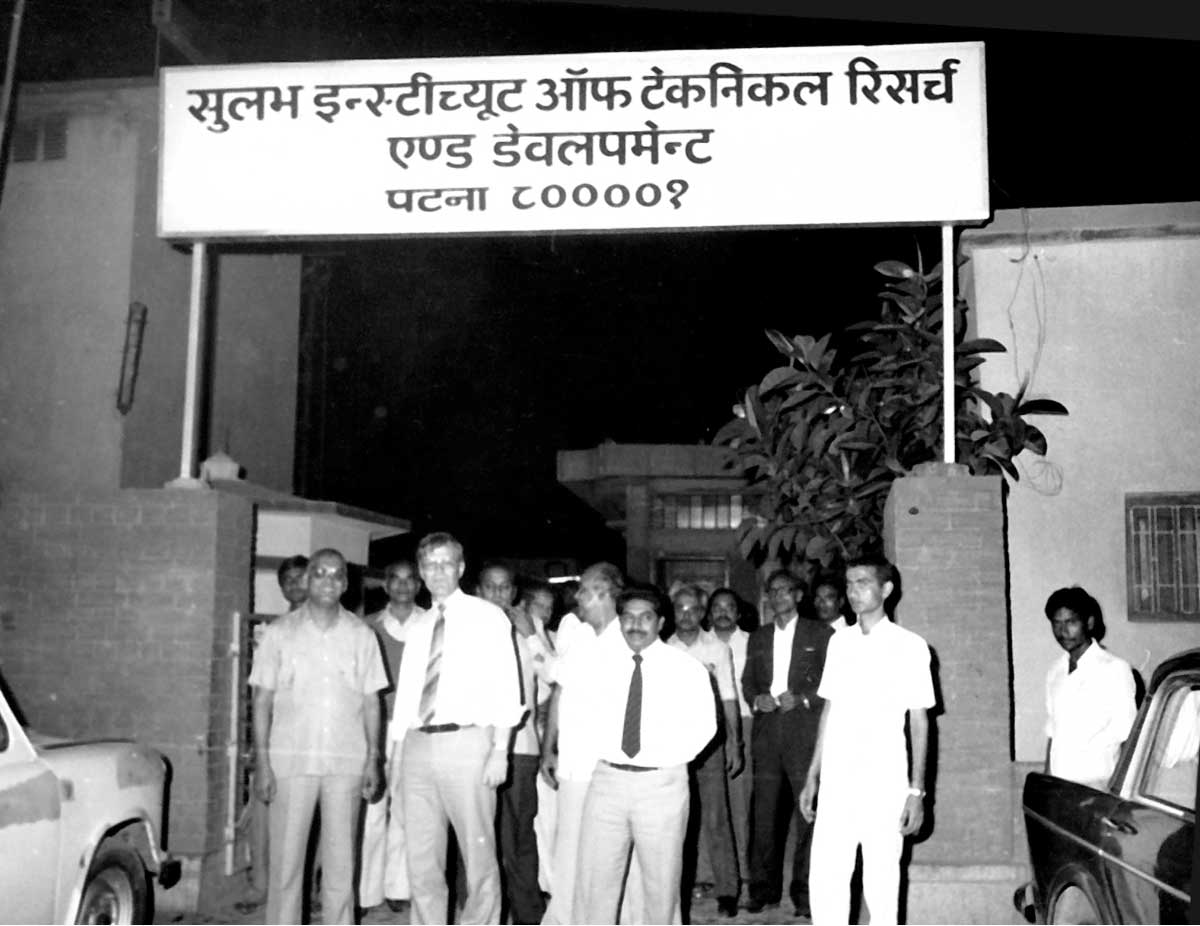
As an organization with Special Consultative Status with the United Nations ECOSOC, Sulabh International is proud to reaffirm its commitment to these global priorities. Our longstanding work in sanitation, rural empowerment, and sustainable development directly aligns with the vision behind these International Years.
Empowering Women Farmers and Strengthening Food Sovereignty
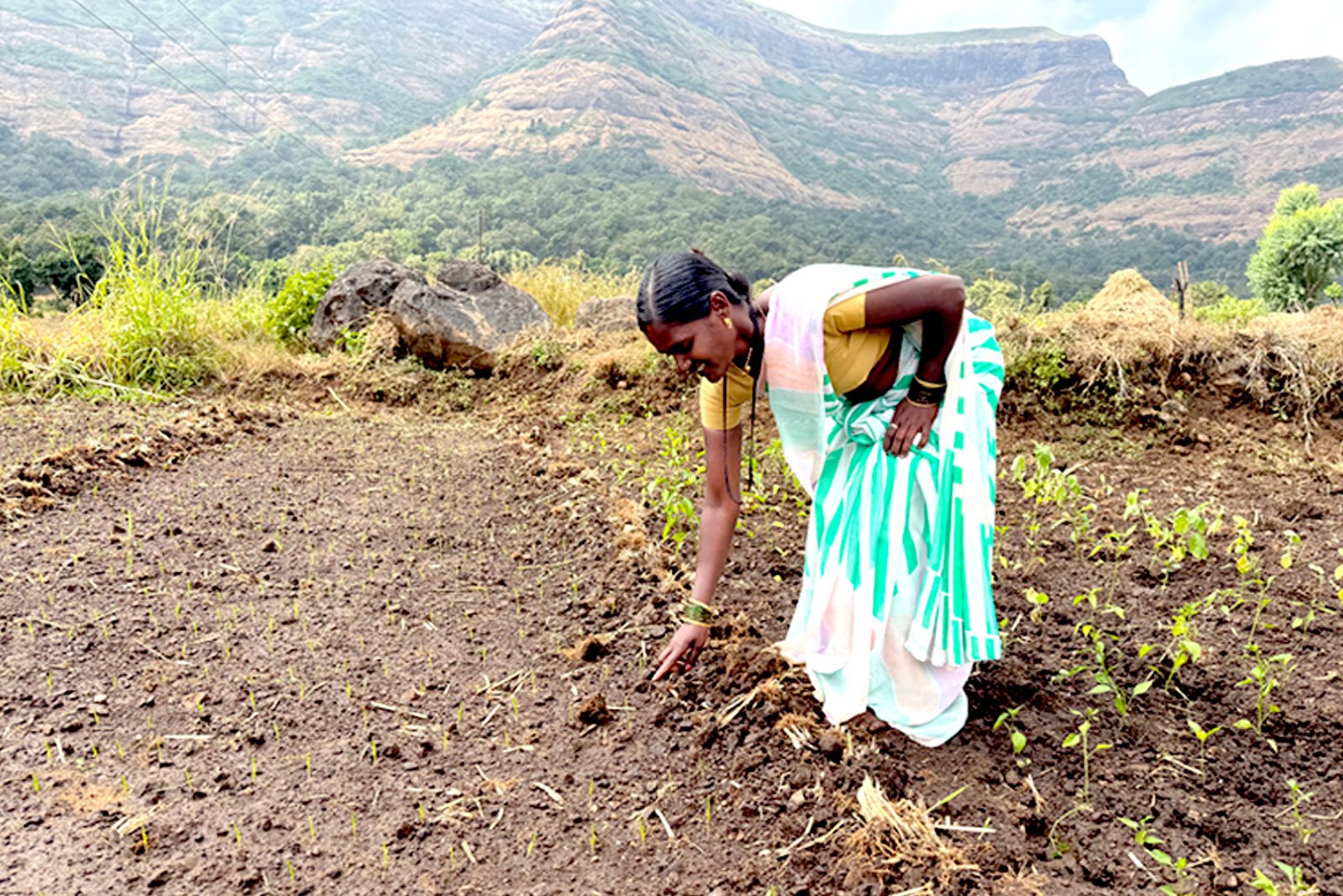
Sulabh has been actively advancing food security and women-led agricultural development in vulnerable and climate-affected regions. In Maharashtra, our program has established 10 indigenous seed banks and 300 kitchen gardens across 20 villages, directly benefiting 300 women-led households. These interventions have not only ensured household-level food sovereignty but also reduced market dependency, saving families between ₹800–₹2,000 monthly.
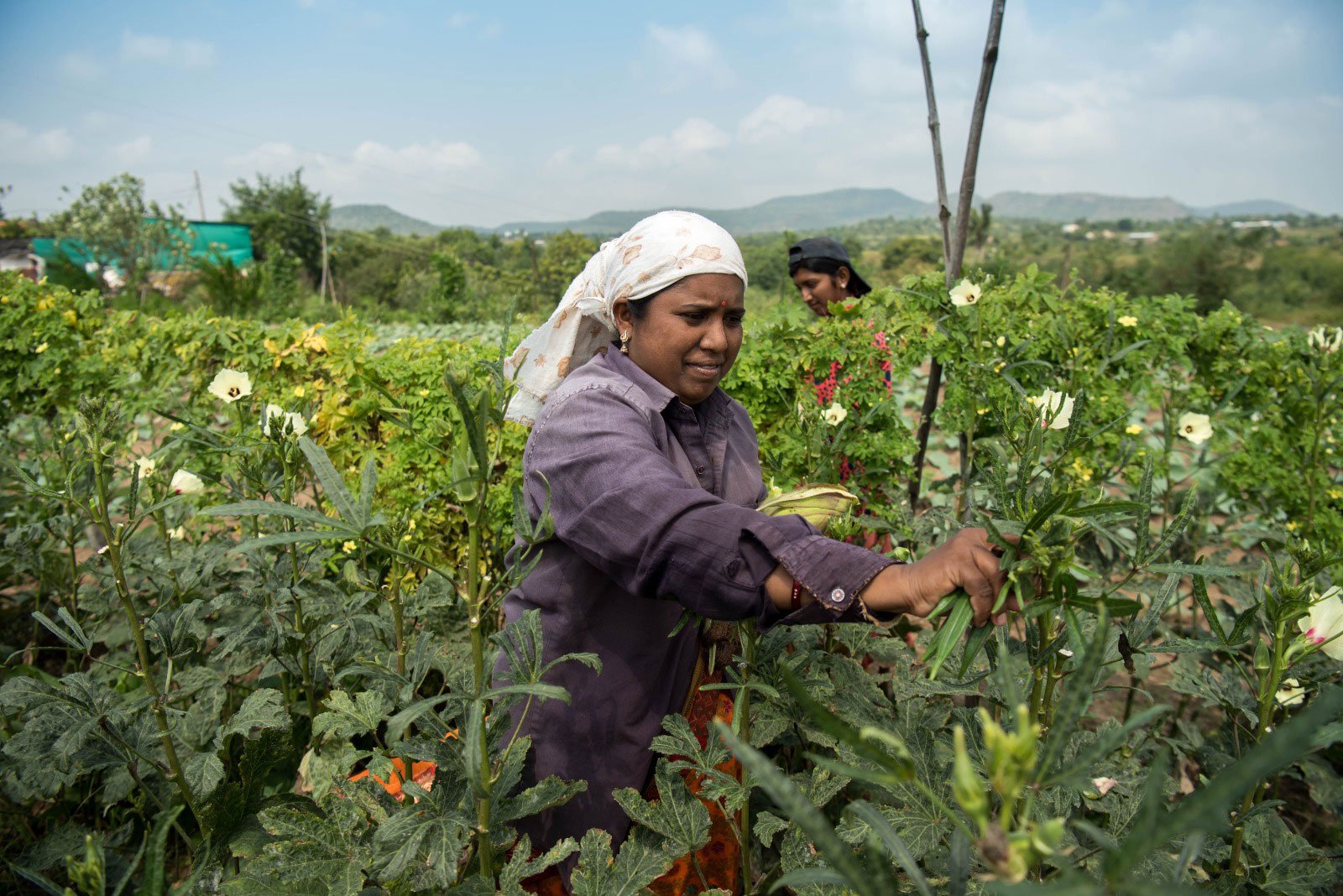
In Bihar, our Food Sovereignty Project spans 10 villages across Darbhanga and Madhubani, supporting 476 farmers with indigenous seeds, agronomic support via KVKs, and market linkages. Women farmers have been at the forefront of cultivating millet, makhana, rice, and aquaculture products. In 2026, this initiative will be further strengthened through a partnership with the Azim Premji Foundation, enhancing resilience and income security among grassroots women farmers.
These efforts align closely with the IYWF 2026 resolution to close gender gaps in agrifood systems and promote equitable access to resources, land, and decision-making opportunities for women.
Celebrating the Spirit of Volunteering
The UN General Assembly Resolution A/RES/78/127 has declared 2026 the International Year of Volunteers for Sustainable Development, with the UN Volunteers (UNV) programme as a lead convener. Sulabh has long recognized and nurtured the spirit of volunteerism.
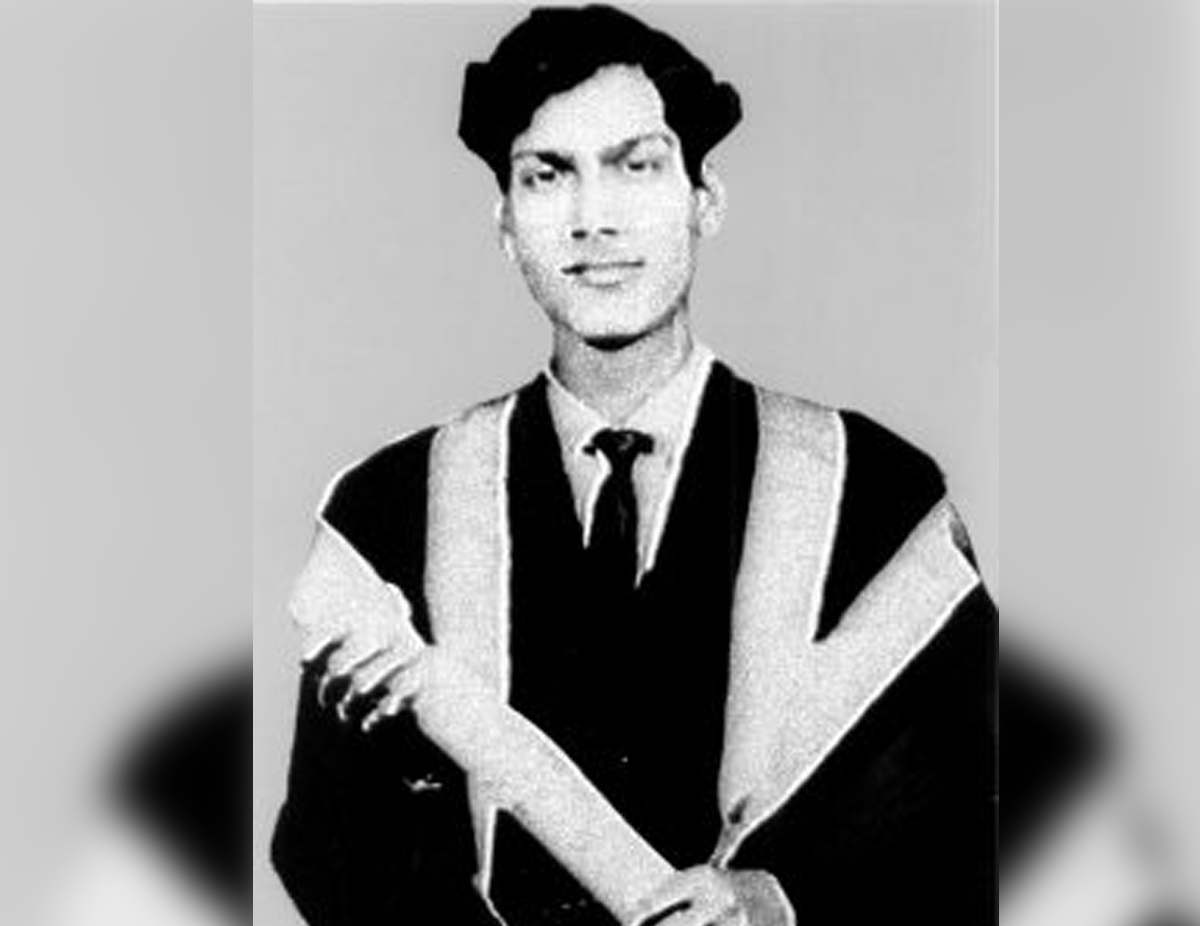
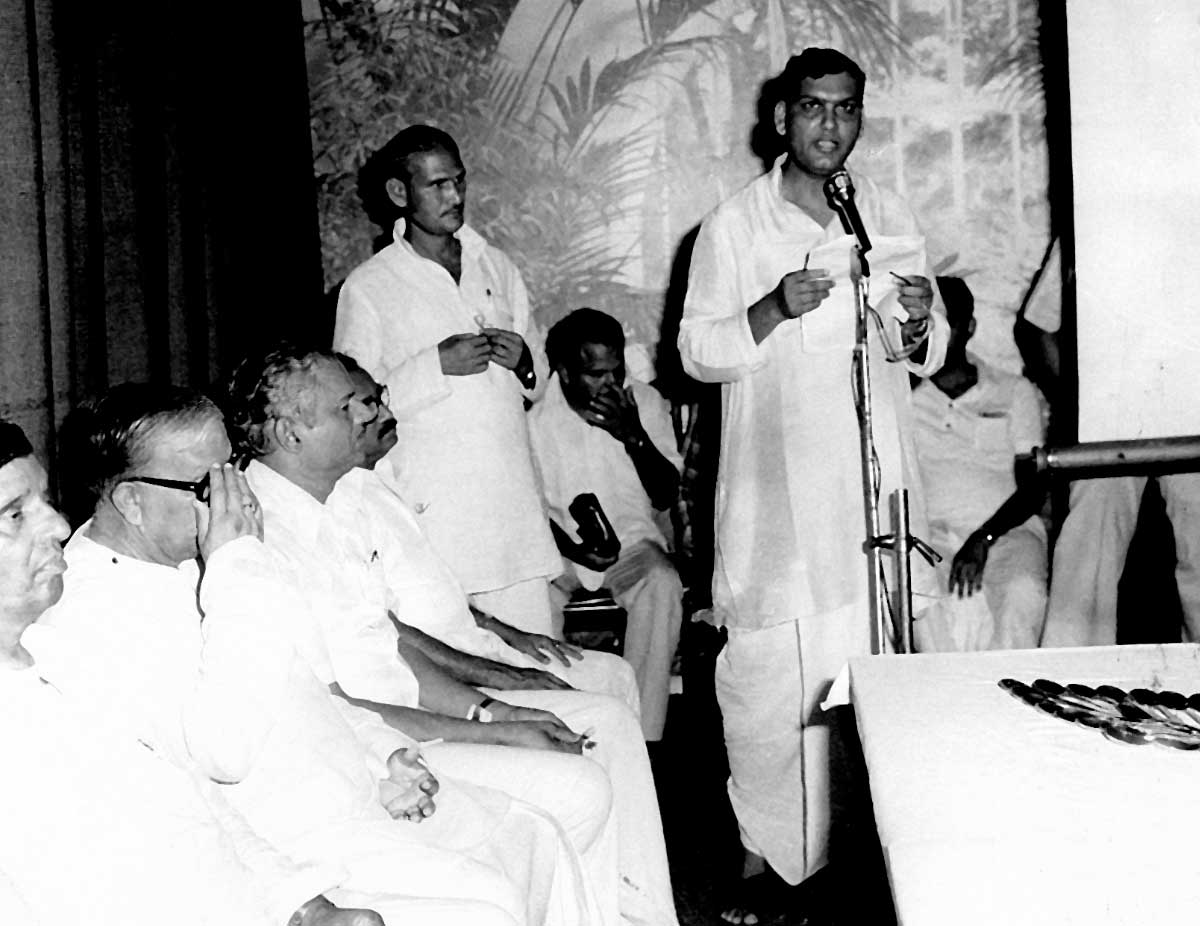
Since 1970, over the decades, Sulabh has mobilized millions of volunteers across India to drive sanitation campaigns, health awareness, and grassroots action. This voluntary force played a key role in the construction of over 1.6 million household toilets, enabling behavior change and social transformation under the leadership of our late founder, Dr Bindeshwar Pathak.
Recently, Sulabh volunteers have also contributed to awareness campaigns on the conservation of the Himalayas, showcasing the intersection of environmental stewardship and civic action. During the World Toilet Summit 2025, held in India, Sulabh championed volunteer engagement and financing for SDG 6 on clean water and sanitation.
Driving a Gender-Responsive Agenda Toward Viksit Bharat 2047
Looking ahead, Sulabh remains committed to gender-responsive planning and implementation of all its initiatives. In 2026, we will expand programs that empower women in agriculture, sanitation, and skill development—ensuring inclusive development pathways that tackle hunger (SDG 2), poverty (SDG 1), and gender inequality (SDG 5).
As part of our broader vision toward Viksit Bharat 2047, we will continue to:
- Support policy environments that promote women farmers’ leadership and land rights.
- Mobilize volunteers across age groups and geographies to build awareness around sanitation, health, and sustainability.
- Advocate for climate-resilient, low-cost technologies rooted in the circular economy, especially in sanitation and agriculture.
- Partner with institutions and grassroots organizations to amplify local voices and co-create sustainable solutions.
Sulabh takes this opportunity to celebrate the International Years declared by the UN in 2026 as a moment for deep reflection and renewed action. We invite global and local partners to join us in spotlighting the essential—yet often under-recognized—contributions of women, volunteers, and pastoral communities to building a more just, equitable, and sustainable world.