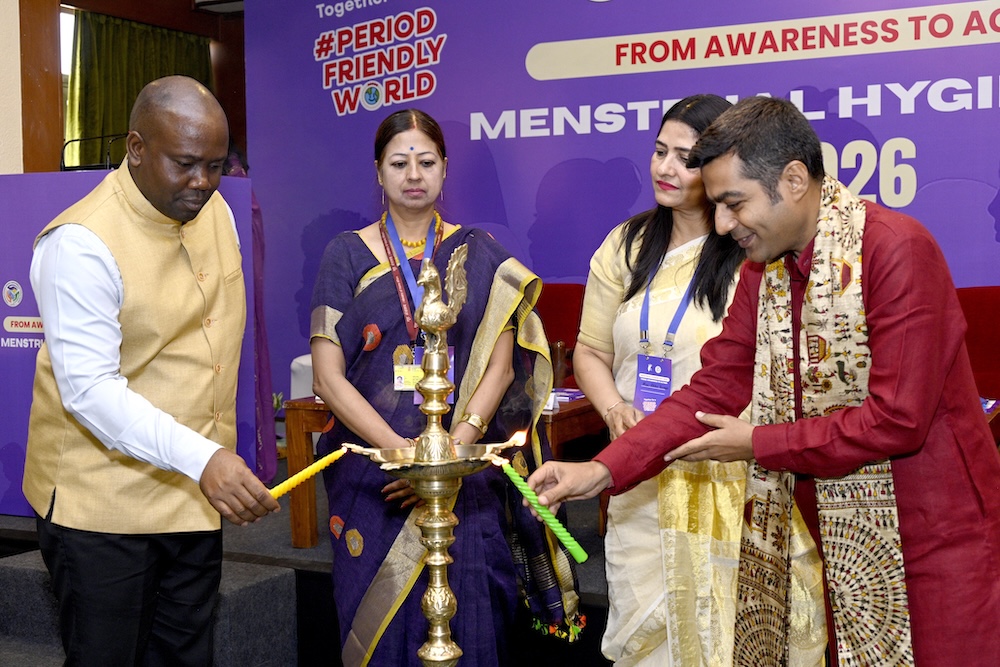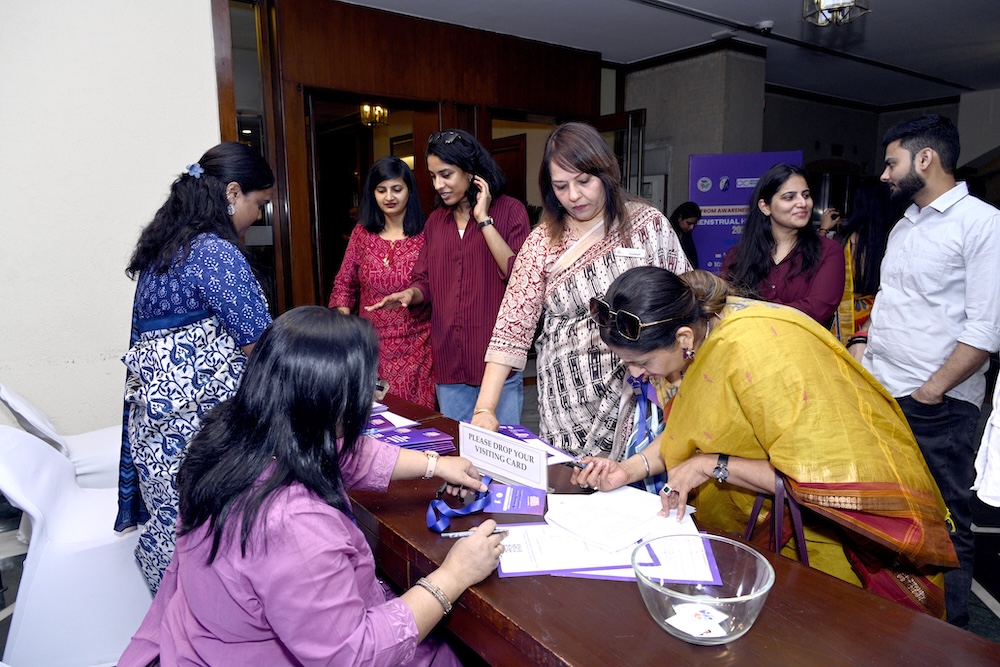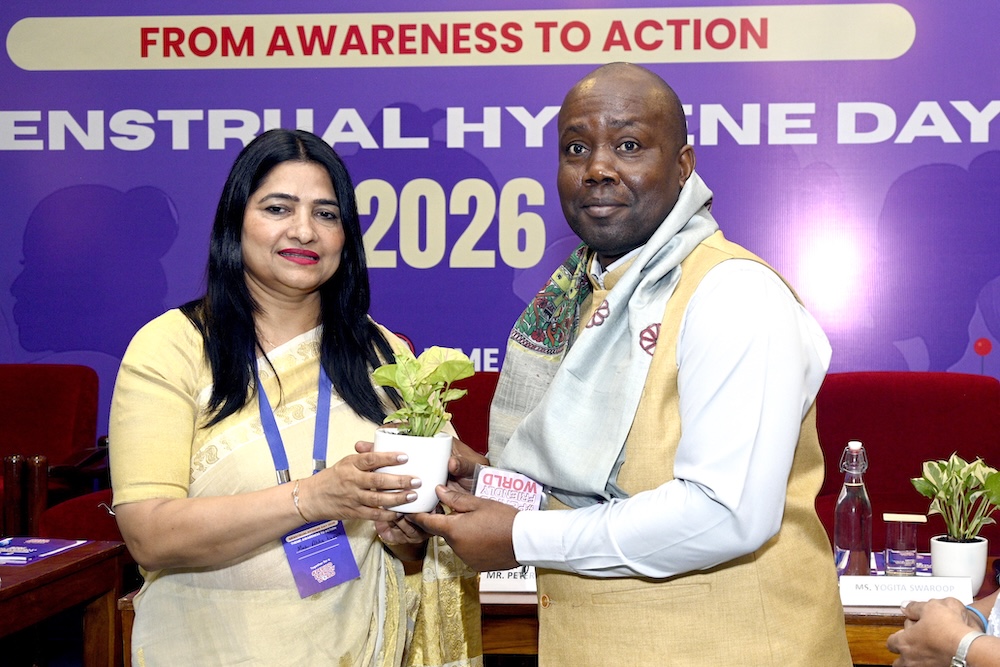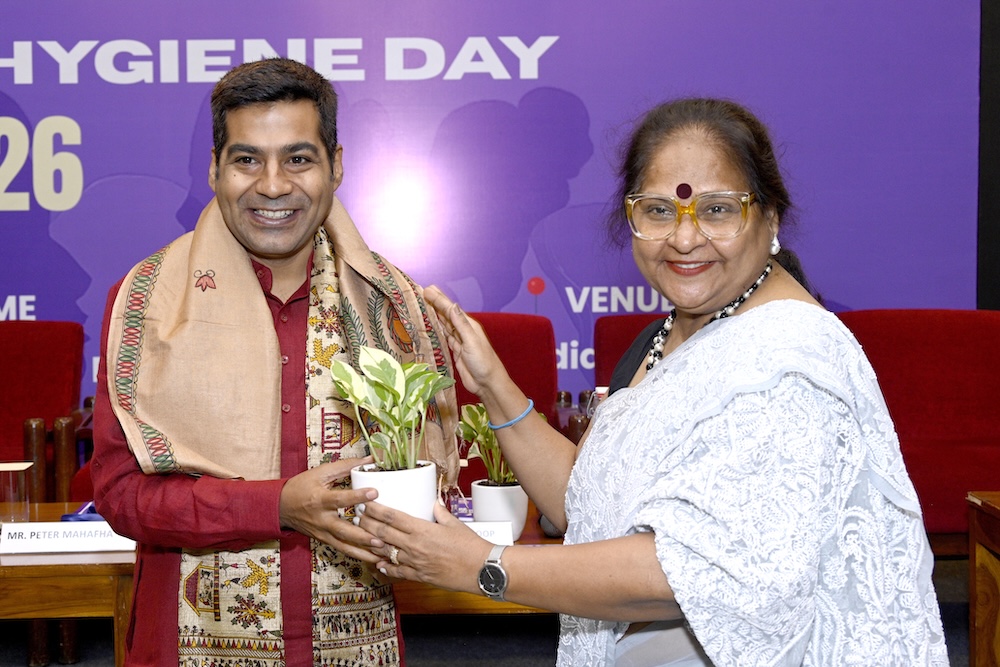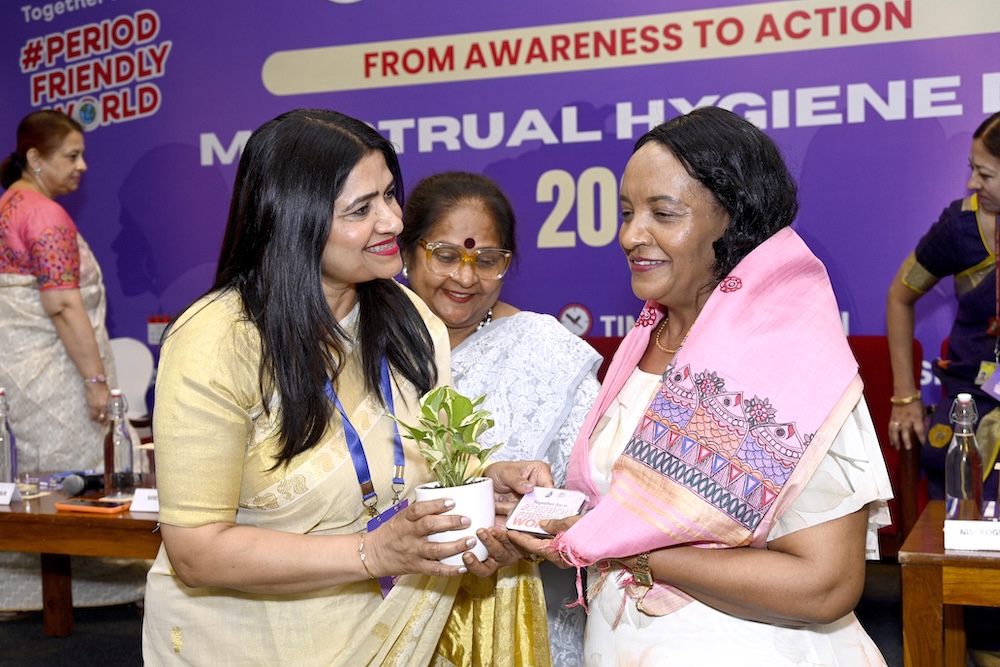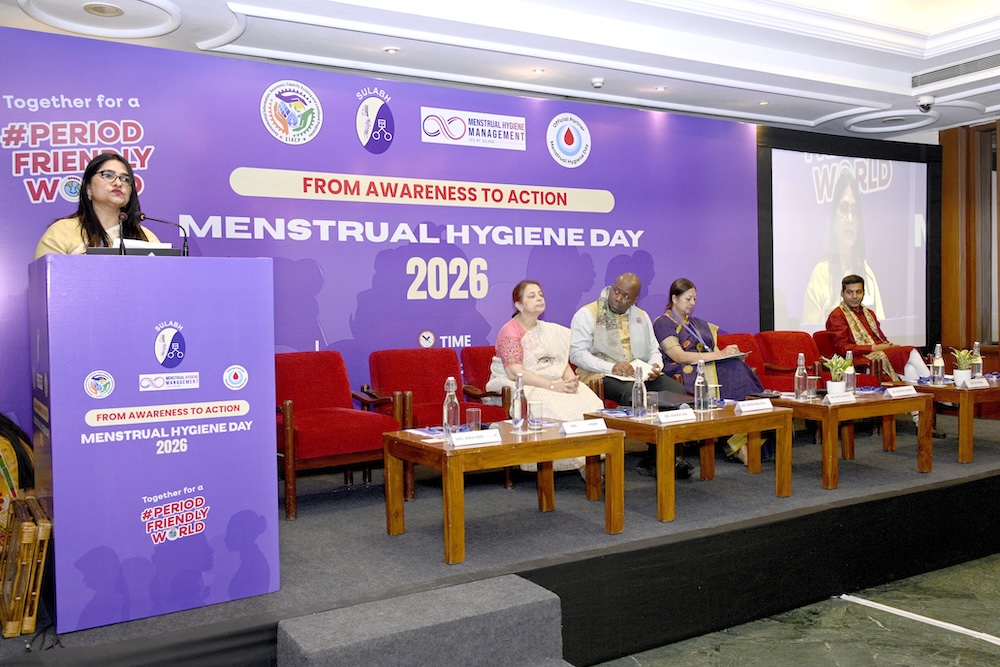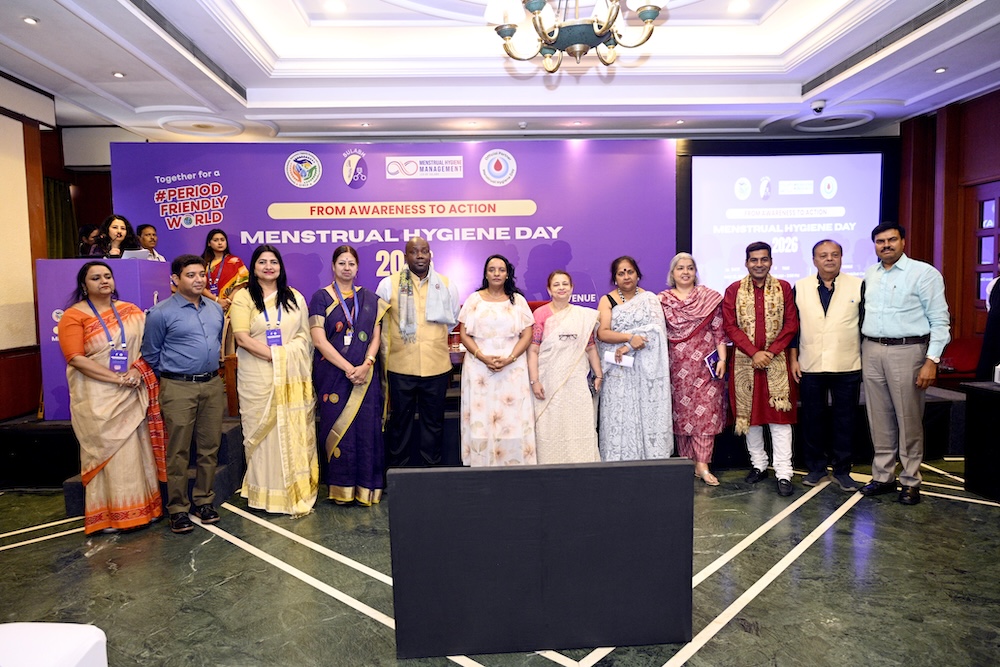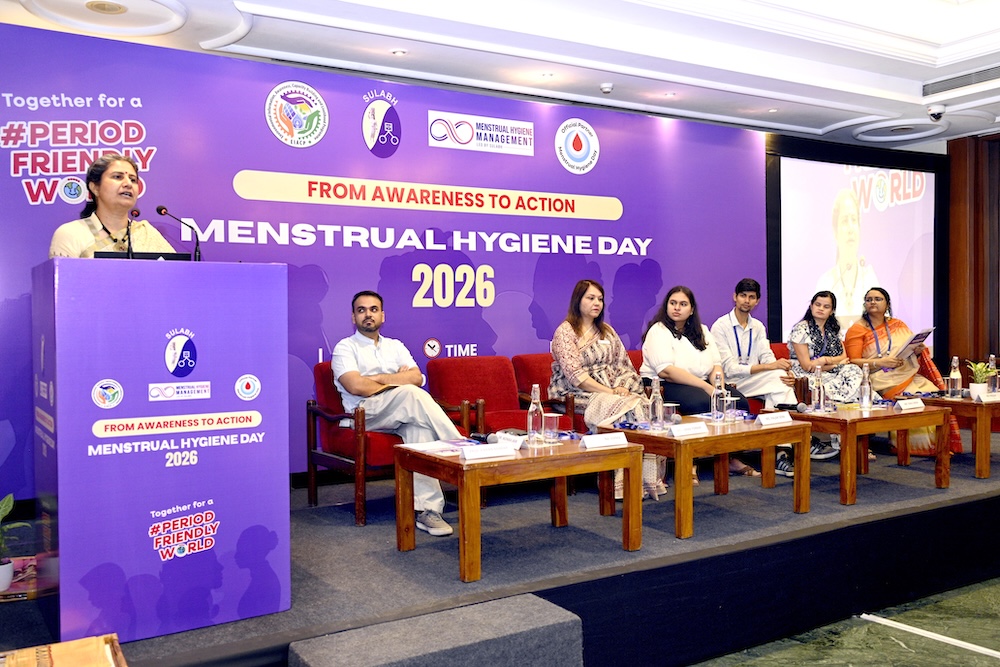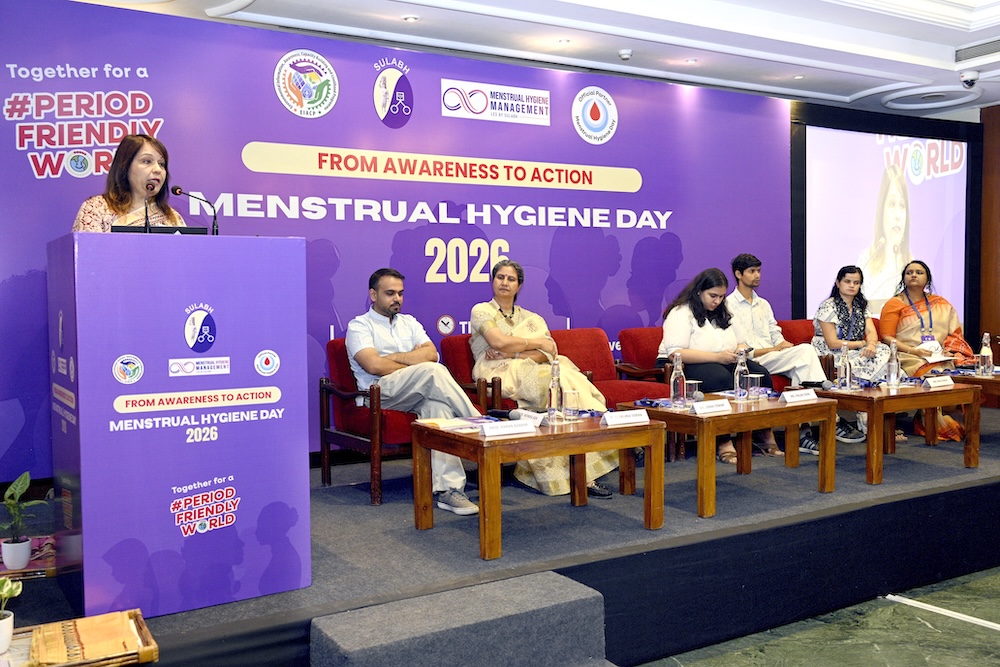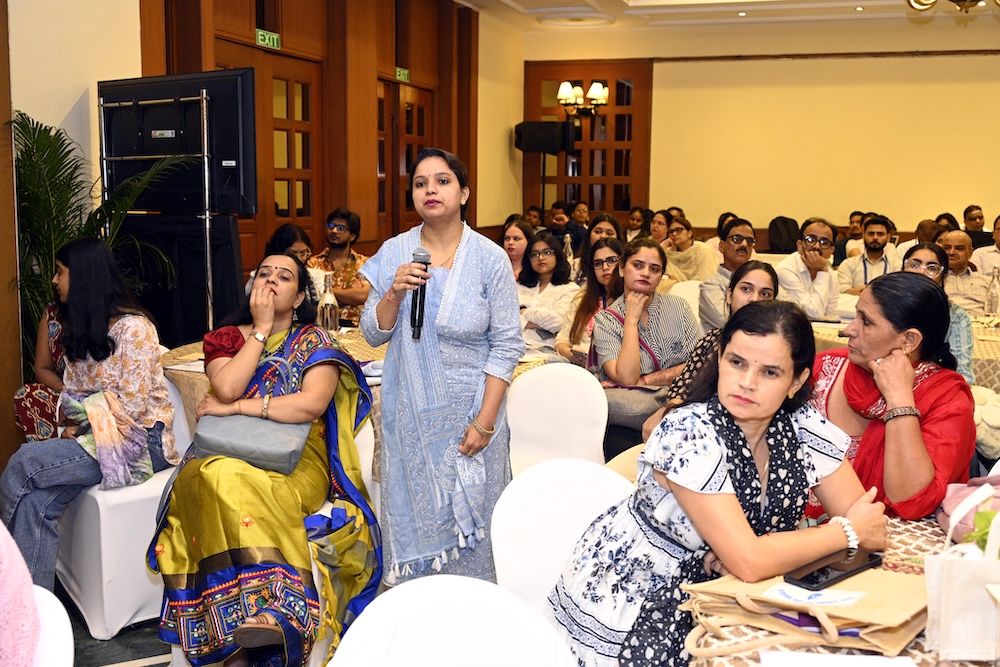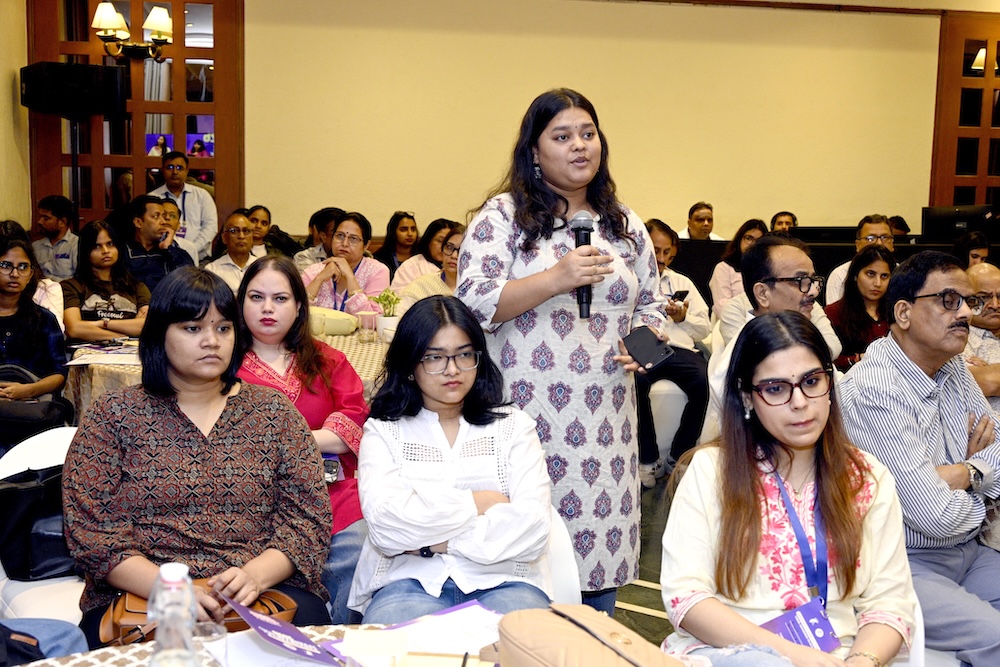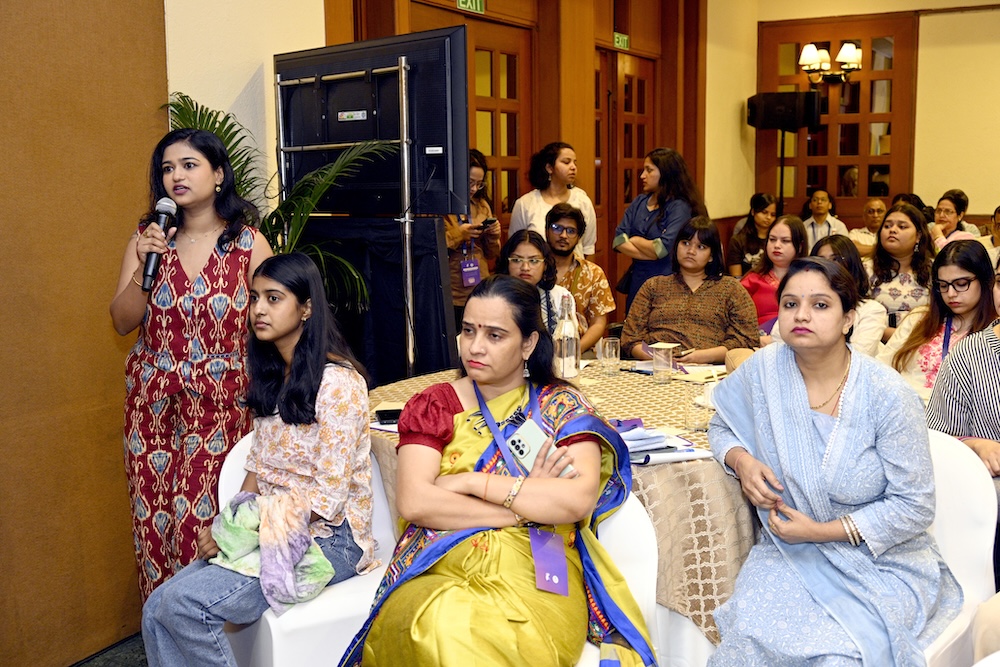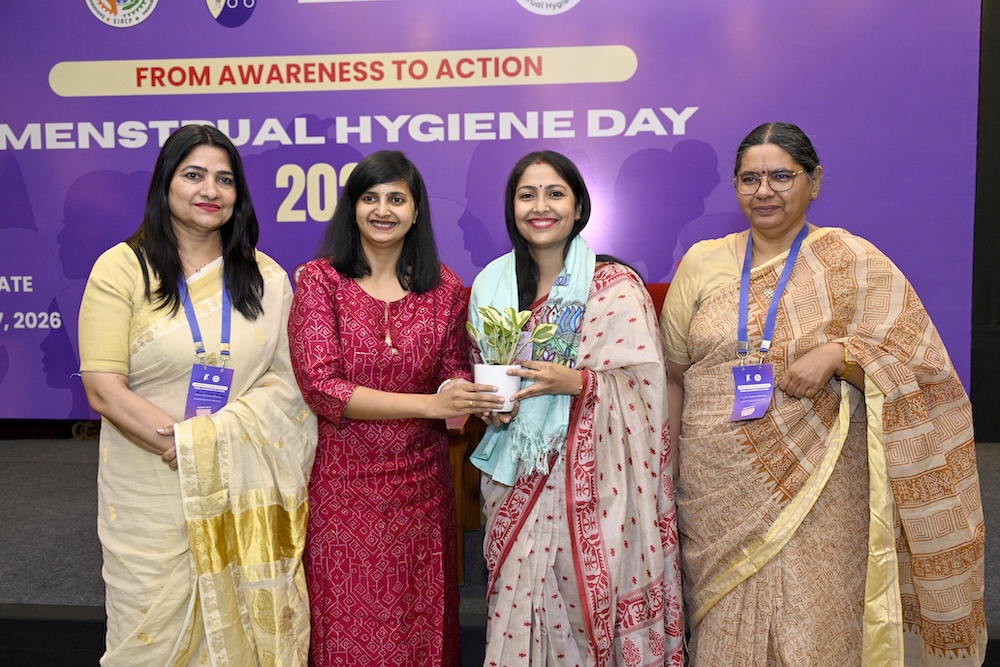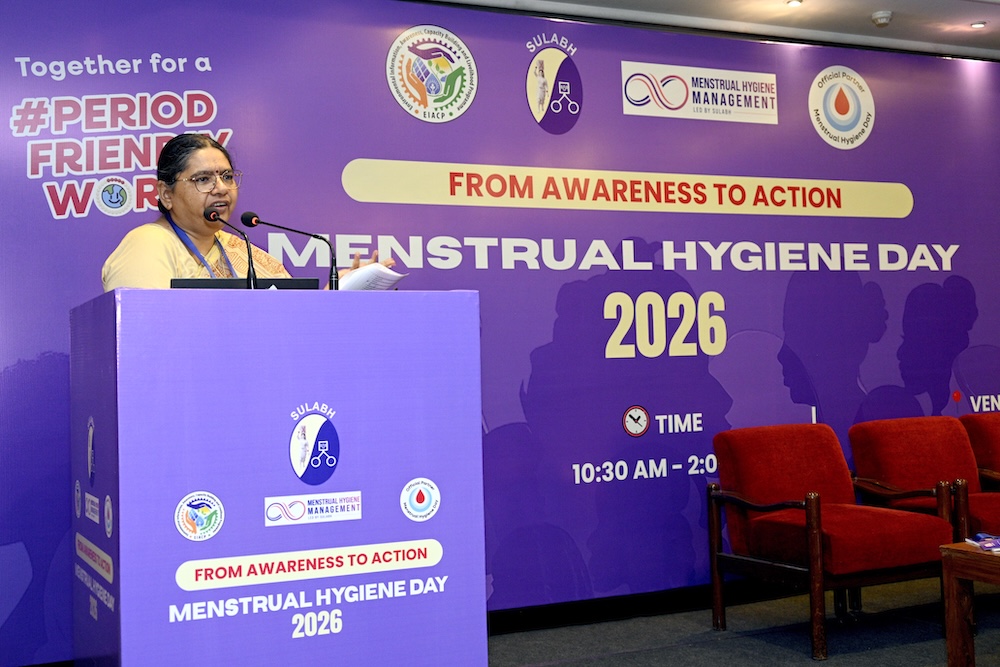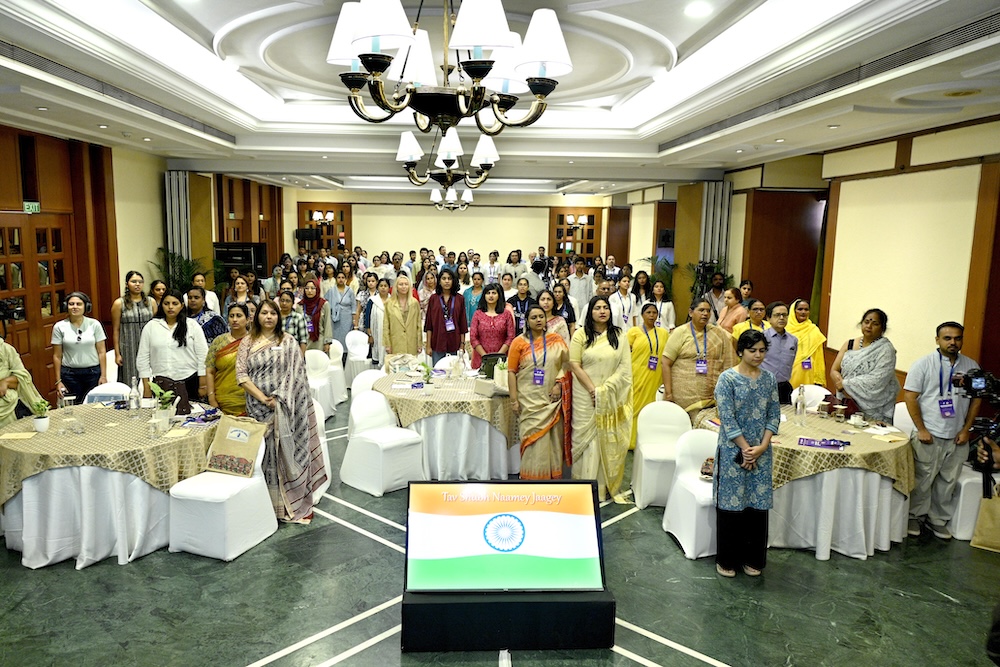
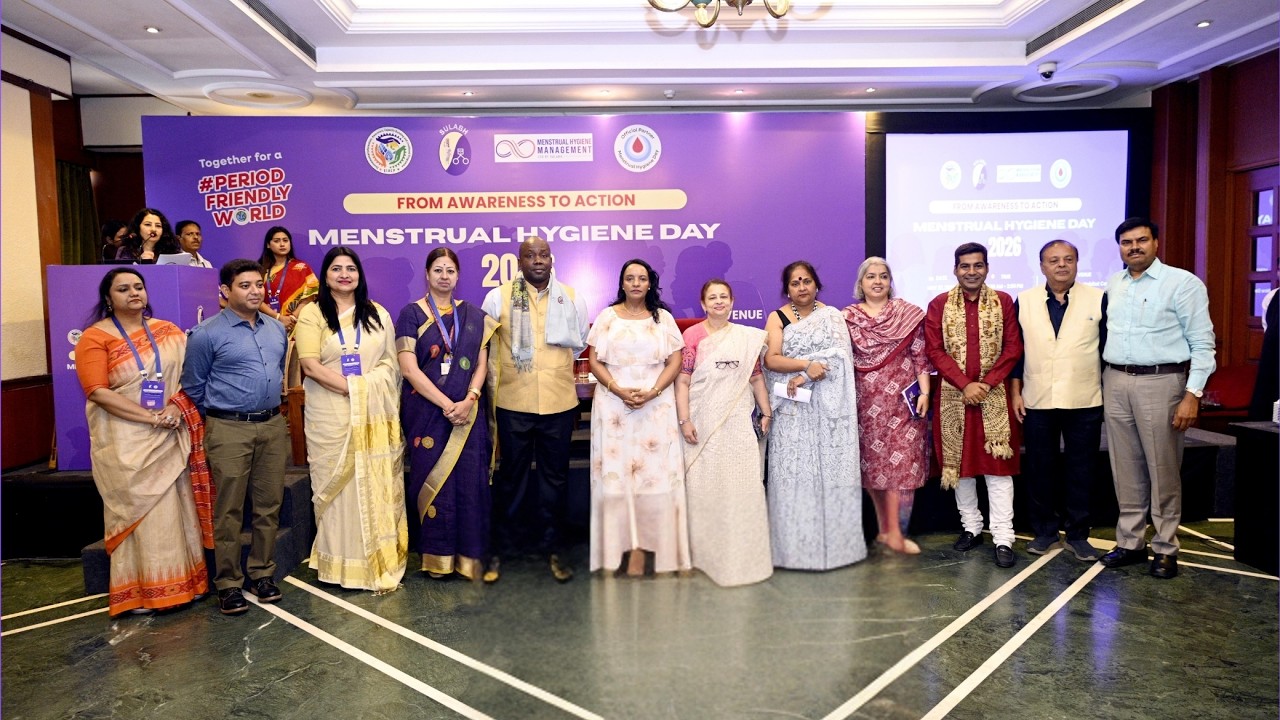
New Delhi: Menstruation is not just a health issue. It is a matter of dignity, education, equality, public health and human rights. This message resonated throughout Sulabh International’s Menstrual Hygiene Day 2026 policy dialogue, “From Awareness to Action,” organised in collaboration with the International Institute of Health and Hygiene (IIHH-EIACP).
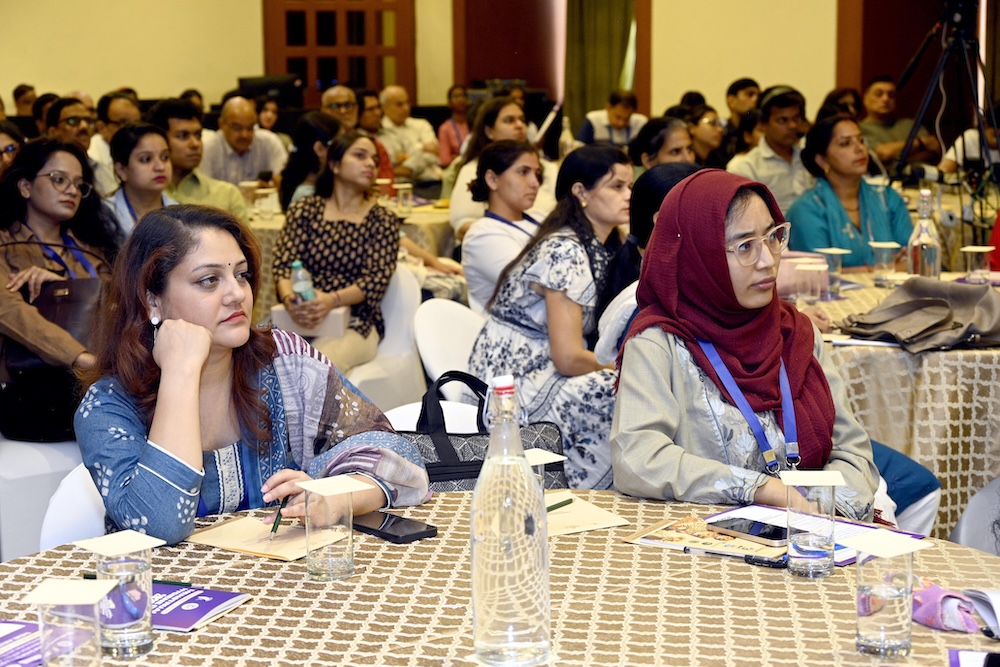
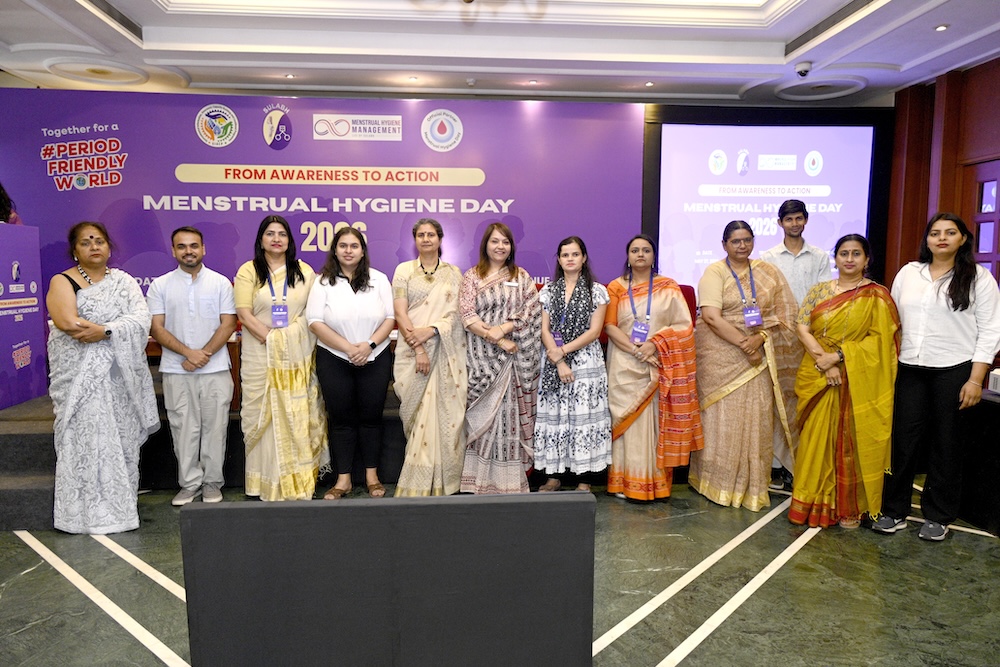
Held on the eve of Menstrual Hygiene Day, the dialogue brought together policymakers, health experts, diplomats, educators, researchers, grassroots practitioners, students and development professionals to discuss how society can move beyond awareness and take meaningful action to address menstrual stigma, period poverty and gaps in menstrual health management.
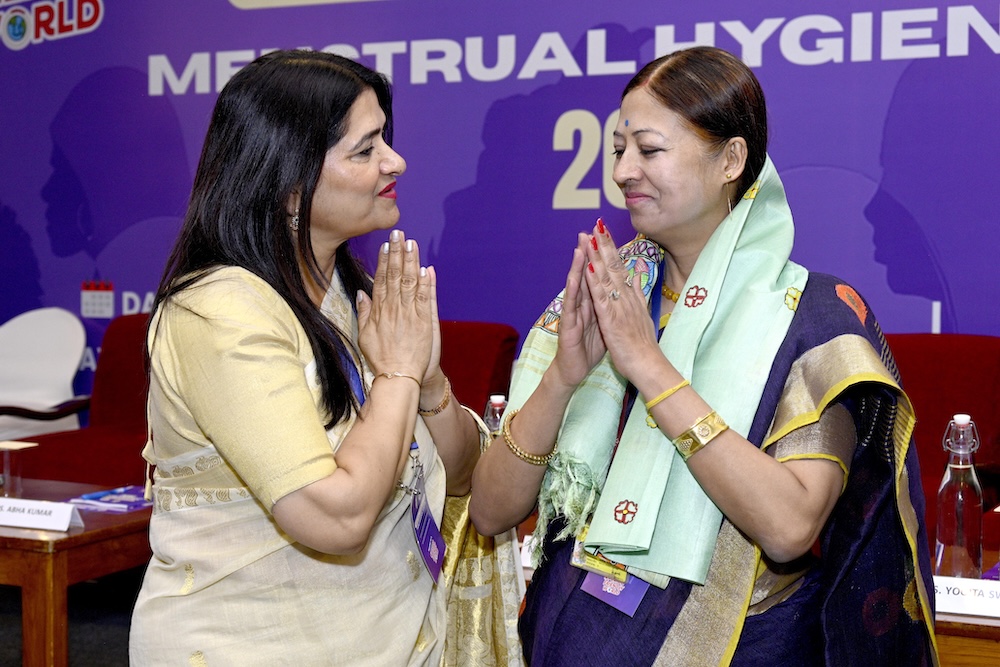
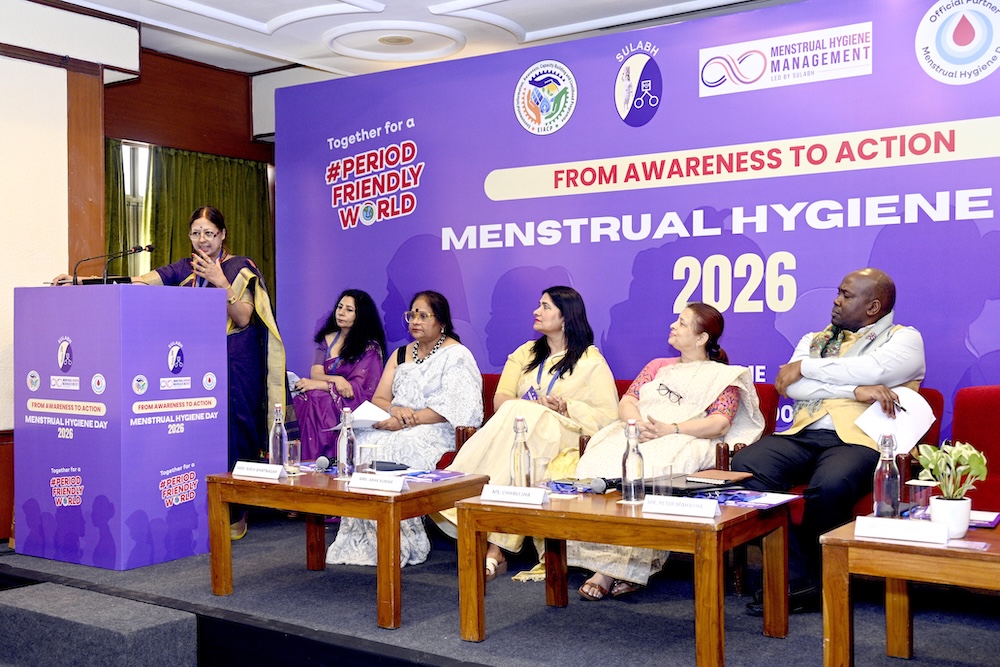
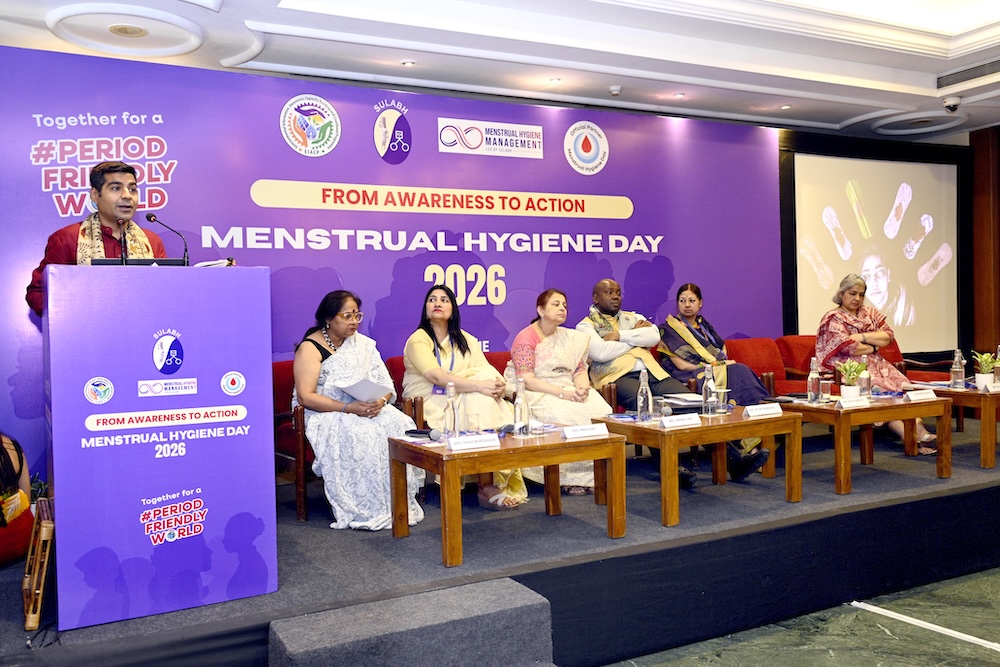
Welcoming the gathering, Mrs Abha Kumar, Senior Vice President, Sulabh International, said that menstrual hygiene must be viewed not merely as a health concern but as a matter of dignity, education, equality and opportunity. She highlighted Sulabh International’s continued efforts in sanitation, hygiene and women’s empowerment through awareness programmes, sanitary pad distribution drives, health camps, training initiatives and low-cost sanitary napkin production units that create both health and livelihood opportunities for women.
The event reflected Sulabh’s long-standing commitment to breaking the silence around menstruation and ensuring that women and girls have access to safe menstrual hygiene, accurate information and dignified facilities.
From Awareness to Action
Setting the context for the discussions, Mrs Nirja Bhatnagar, National Programme Director, Sulabh International, called for menstrual hygiene to be viewed through the lens of gender justice and social inclusion. Drawing attention to the social stigma and exclusion that many women continue to experience, she stressed that menstrual health is closely linked to dignity, wellbeing and equal citizenship.
Urging participants to speak openly and confidently about menstruation, she remarked, “Let’s not keep it a hush-hush subject. Convert these whispers into conversations.”
Mrs Bhatnagar also highlighted findings from Sulabh’s research on menstrual hygiene and period poverty, noting that millions of women and girls continue to face barriers due to inadequate access to menstrual products, poor sanitation facilities, social restrictions and limited information.
Policy, Inclusion and Dignity
The first session, “Menstrual Hygiene Management: Policy, Inclusion and Dignity,” explored the policy and systemic changes required to ensure equitable menstrual health management.
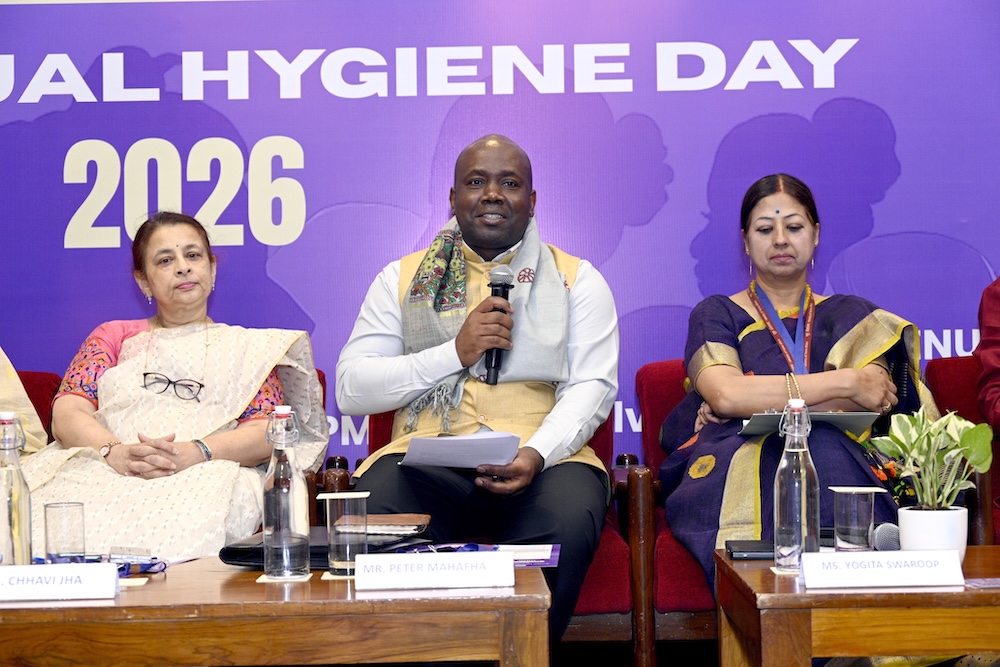
Mrs Chhavi Jha, Additional Member (Revenue), Railway Board, reflected on the importance of women-friendly infrastructure and acknowledged the potential role of institutions such as the Railways in expanding awareness and improving access to menstrual hygiene facilities. She also emphasised the need for sustainable menstrual products and environmentally responsible disposal mechanisms.
Mrs Yogita Swaroop, Senior Economic Advisor, Ministry of Social Justice and Empowerment, Government of India, underlined that menstrual hygiene management is closely linked with public health, education, gender equality, dignity and women’s participation in the workforce. While acknowledging improvements in the use of hygienic menstrual products, she noted that affordability, accessibility and social stigma continue to remain major challenges.
Emphasising the need for sustained efforts beyond information campaigns, she observed that “awareness alone will not automatically translate into sustained behavioural change.” She called for community-led interventions involving educational institutions, local governments, health workers, families and civil society organisations.
Offering an international perspective, Mr Peter Mahafha, First Secretary (Political), High Commission of South Africa, shared South Africa’s experience in addressing period poverty through free sanitary product distribution, menstrual health education and policy interventions. He highlighted the importance of ensuring that policy commitments are supported by consistent implementation and community engagement.
The session also benefitted from the presence of Dr Zoya Rizvi, Deputy Commissioner, Ministry of Health and Family Welfare, Government of India, and Her Excellency Ms Bizunesh Meseret, Deputy Head of Mission, Embassy of Ethiopia, reflecting growing recognition of menstrual health as a critical issue of public health and gender equality.
Menstruation: No Longer a Taboo
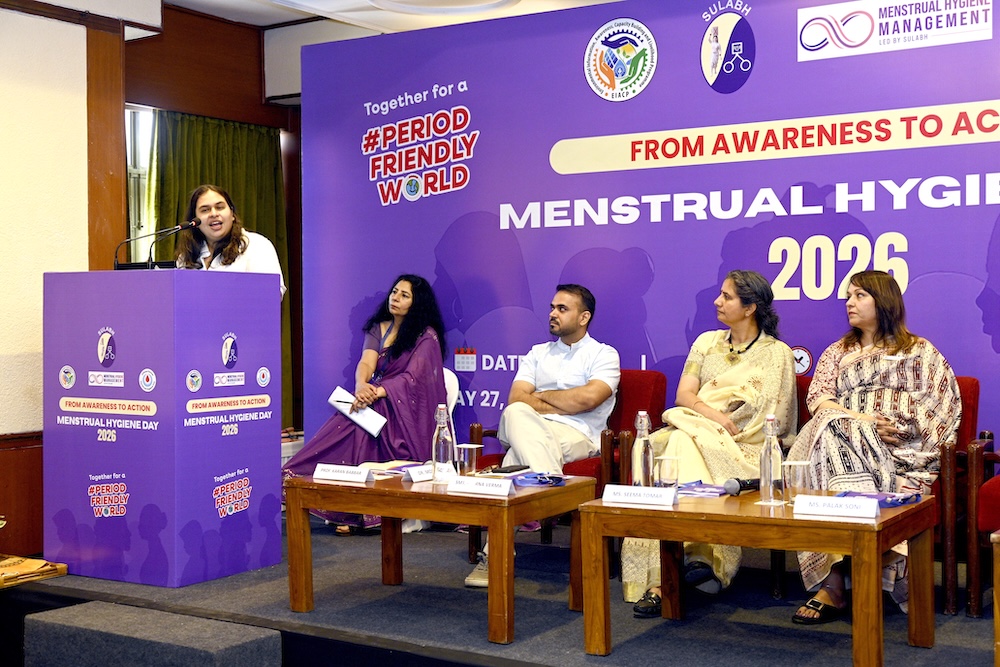
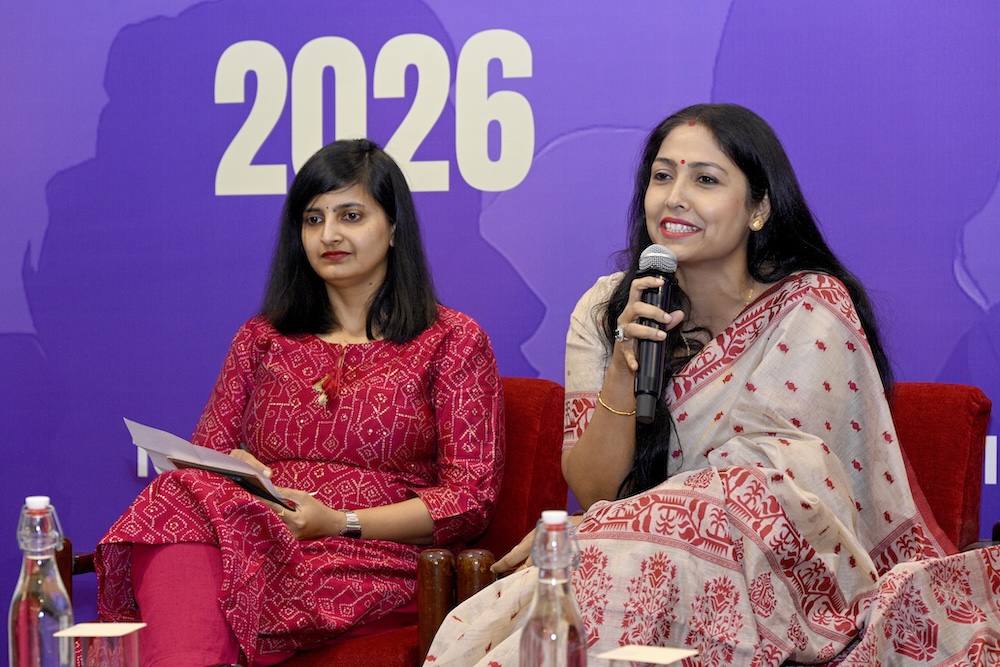
The second session, “Menstruation: No Longer a Taboo,” was moderated by Dr Monika Jain, Chairperson, Sulabh Sanitation Mission Foundation, who set the tone for the discussion by calling for a shift “from silence to dialogue.” She emphasised that menstruation is a natural biological process that has for too long remained hidden behind stigma and silence, and stressed the need to create spaces where women and girls can speak openly and confidently about menstrual health.
Dr Jain also highlighted the importance of involving men and boys in conversations around menstruation, noting that meaningful social change can only be achieved when menstrual health is recognised as a collective responsibility rather than a women’s issue alone.
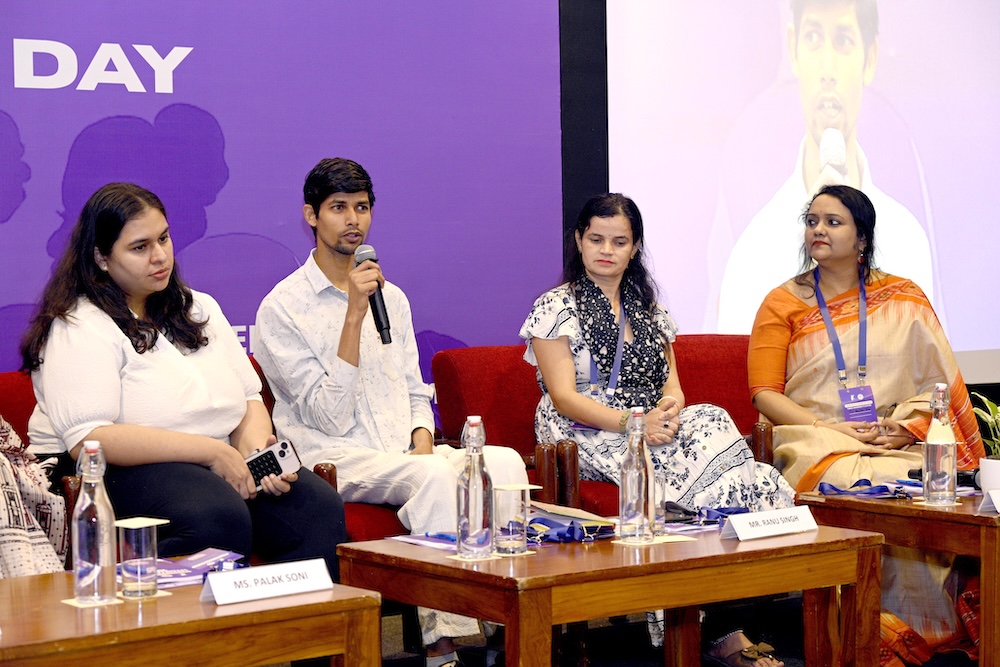
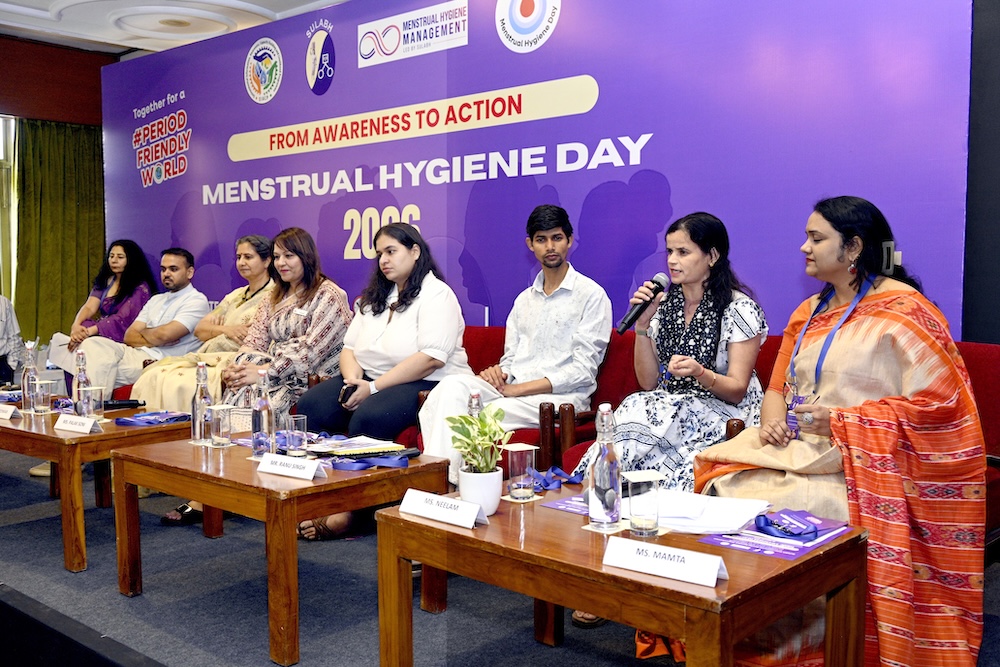
Bringing grassroots voices to the forefront, the session featured educators, legal experts, researchers, youth advocates and community workers who shared experiences from schools, villages, social media campaigns and field interventions.
A key theme that emerged was the importance of engaging men and boys as allies. Prof. Karan Babbar, Assistant Professor and Menstrual Health Researcher, urged participants to view menstruation not merely as a gender issue but as “a human issue, a public health and human rights issue.” He advocated for age-appropriate menstrual and reproductive health education in schools and colleges and encouraged men to play a more active role in creating supportive environments.
Smt Prerna Verma, Treasurer, Shanti Siksha Samiti and Manager, SD Public School, shared experiences from rural schools, describing how awareness campaigns and student-led initiatives have helped break hesitation and encourage open conversations among children, parents and teachers.
Ms Palak Soni, Founder, Saday Sadev, highlighted the growing influence of social media in shaping perceptions around menstrual health. She stressed that while digital platforms can be powerful tools for awareness, the information shared must be accurate, responsible and guided by credible health professionals.
Ms Seema Tomar, Founder, Sath Chale Foundation, Gurugram, spoke about the importance of combining health awareness with legal awareness and emphasised the need for clean toilets, safe disposal systems and access to sanitary products in educational institutions.
Mr Ranu Singh, Founder, iTalkPeriod, encouraged participants to take these conversations beyond conference halls and into homes, schools, colleges and workplaces to help create period-friendly environments where menstruation is treated as a normal part of life.
Let’s Talk About Periods
The final session, “Let’s Talk About Periods,” was moderated by Dr Arunima Chauhan, Consultant, SISASSS, and featured an interactive discussion with Dr Nidhi Jha, Senior Gynaecologist and Fertility Expert.
Addressing questions from students and participants, Dr Jha spoke about menstrual health, adolescent wellbeing, menstrual products, PCOS, PMOS and safe hygiene practices. She emphasised the importance of correct information and highlighted the role of parents, teachers and healthcare professionals in helping young girls navigate menstruation with confidence.
The session also addressed common misconceptions around menstrual products, reproductive health and menstrual disorders, encouraging participants to seek information from qualified medical professionals rather than relying solely on social media.
As part of Sulabh’s efforts to normalise conversations around menstruation, participants were introduced to the organisation’s awareness initiative #PeriodKiBaat, which seeks to encourage open, stigma-free dialogue around menstrual health and hygiene.
Sulabh’s Continuing Commitment
The programme highlighted Sulabh International’s wide-ranging initiatives in menstrual hygiene management, including awareness campaigns in schools and communities, sanitary pad distribution drives, health camps, low-cost sanitary napkin production units, livelihood-oriented training programmes and the Menstrual Hygiene Management Hub established at the Sulabh campus.
Sulabh also shared plans to expand its menstrual hygiene initiatives internationally, including pilot projects in South Africa focused on menstrual health awareness and sanitary pad production to support and empower local women.
The programme concluded with a vote of thanks by Dr Namita Mathur, Chairperson, International Institute of Health and Hygiene, who reaffirmed the collective commitment to building a society where menstruation is discussed openly, managed safely and experienced with dignity.
The dialogue served as a powerful reminder that awareness is only the first step. Achieving menstrual dignity for all requires collective action, stronger policies, improved infrastructure, community participation and continued efforts to eliminate period poverty and menstrual stigma. Through initiatives such as these, Sulabh International continues to advance the conversation from awareness to action, ensuring that every woman and girl can live with dignity, confidence and equal opportunity.