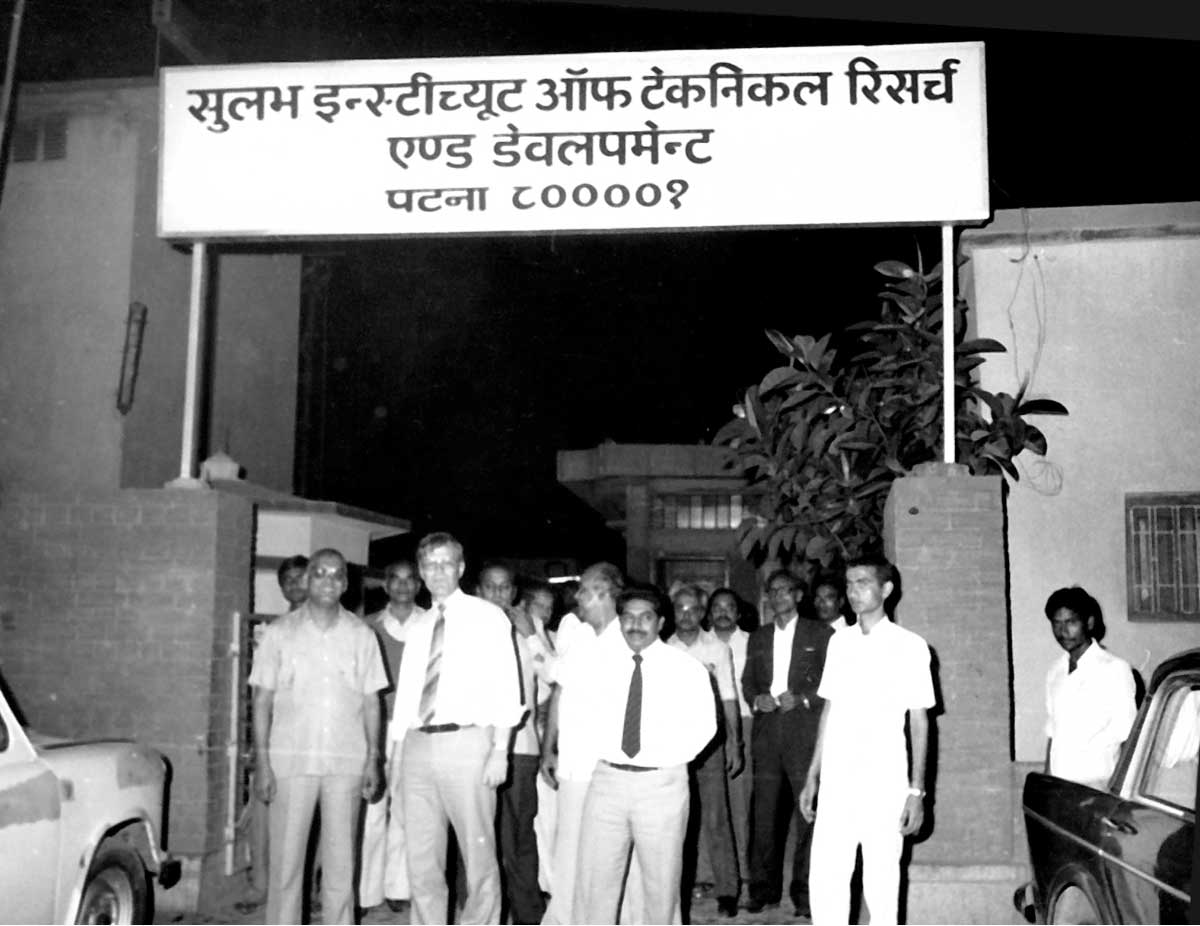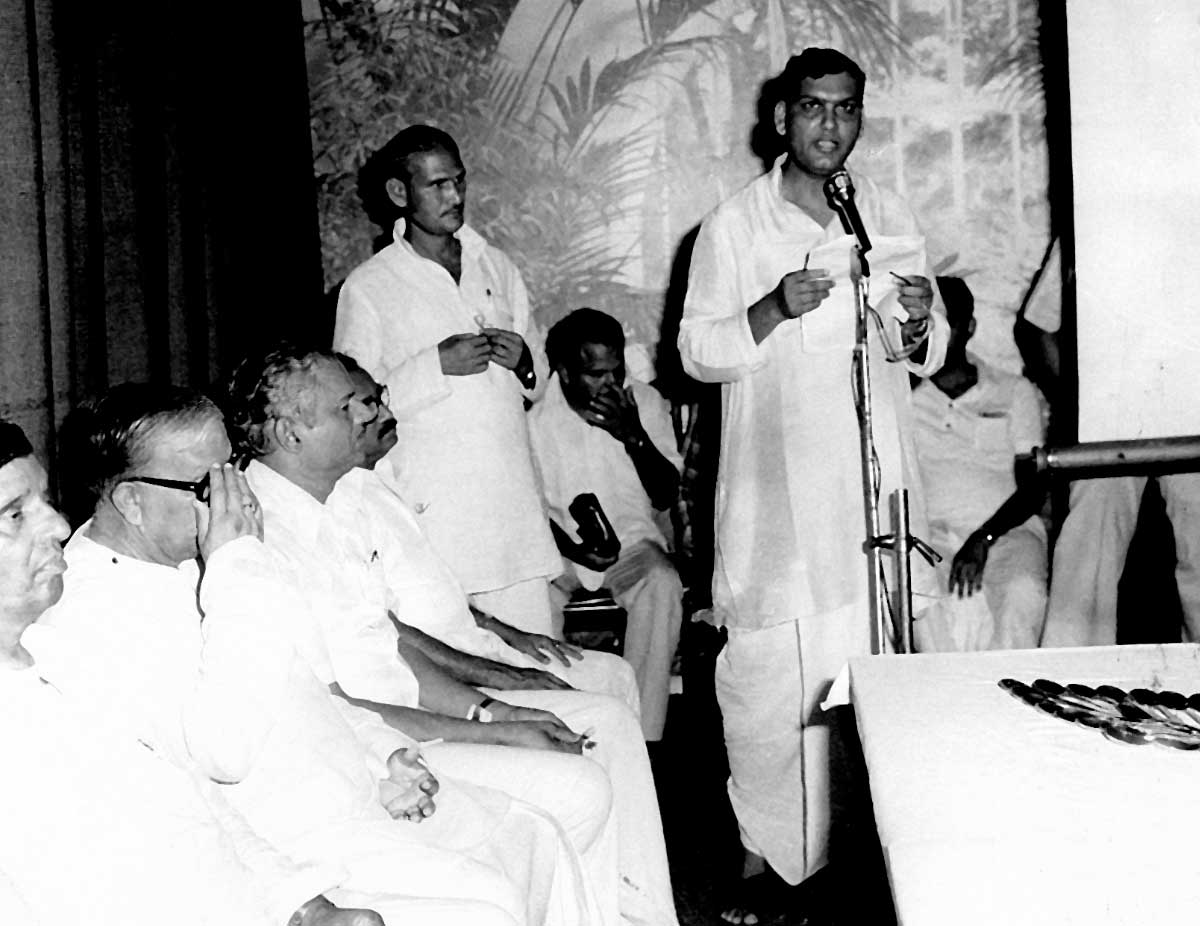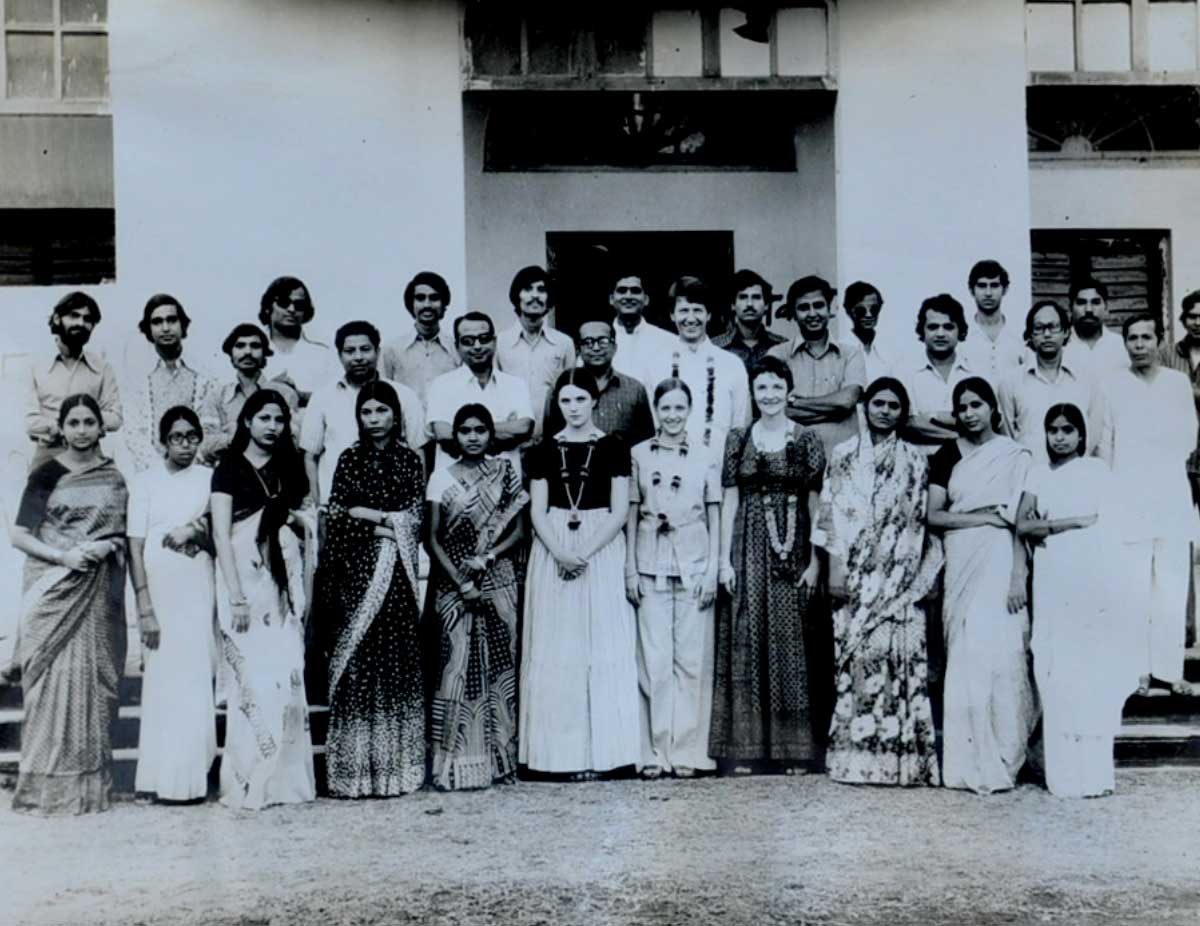

Sulabh International Social Service Organisation organised the National Conference on Sociology of Sanitation on April 1, 2026 in New Delhi, bringing together eminent academicians, scholars, and students from across India to deliberate on sanitation as a powerful instrument of social transformation.
The conference commenced with an inspiring inaugural session that set a thoughtful and purposeful tone for the day. The session focused on the core themes of sanitation, dignity, and social transformation, reflecting the foundational values of Sulabh International.
A heartfelt tribute was paid to the enduring legacy of Dr Bindeshwar Pathak, whose pioneering efforts revolutionised sanitation in India and restored dignity to millions, particularly those liberated from manual scavenging.
In his inaugural address, the President of Sulabh International highlighted the continued relevance of Dr Pathak’s vision, stating:
“Dr Pathak’s vision and dream of Sociology of Sanitation is being fulfilled in more than 25 universities across India.”
This reflected both pride in past achievements and a call to further strengthen academic engagement in this vital field.
The first technical session, themed “Socio-Cultural Aspects: Sulabh Sauchalaya as an Instrument of Social Change, Social Inclusion, Liberation of Scavengers, Skill Development, and Subsistence,” brought together distinguished academicians and participants for insightful discussions.
The session featured eminent speakers, including Prof. Anil Kumar Singh Jha, Dr Y Ravindranath Rao, Prof Rajiv Gupta, Dr Anil Vaghela, Prof Prashant Kumar Singh, Dr Sumit Saurabh Srivastava, Dr Sutariya Ishvarbhai Jivrajbhai, and Dr Hiren Kumar Chavda.
Deliberations during the session highlighted key issues such as:
- Human dignity and social inclusion
- Rehabilitation of manual scavengers
- Gender sensitivity and behavioural change
- Sustainability in sanitation practices
- Integration of sanitation studies into academic curricula
The discussions reinforced the role of sanitation as a catalyst for social transformation.
The second technical session, titled “Health and Gender: Environmental Sanitation, Public Health and Menstrual Hygiene,” explored the critical intersection of sanitation with health and gender.
Moderated by Prof J P Pachauri and Prof Nil Ratan, the session featured distinguished panelists, including Prof Ashish Saxena, Prof Jyoti Joshi, Prof Jai Prakash Bhatt, Dr Ila Macwan, Dr Vijaylakshmi Saxena, Dr Kriti Mishra, and Prof (Dr) Jaysinh B Zala.
The session focused on important issues such as:
- Menstrual hygiene management
- Access to sanitation and privacy
- Dignity and awareness
- The need for gender-sensitive and sustainable policies
The discussions emphasised that sanitation is intrinsically linked to public health, gender equality, and human dignity, and called for inclusive and humane sanitation systems.
On the following day, April 2, 2026, delegates visited the Sulabh campus to pay heartfelt tribute to Dr Bindeshwar Pathak on his birth anniversary. They offered flowers at his statue and visited the Dr Bindeshwar Pathak Memorial Centre, reflecting on his inspiring life and lasting contributions to sanitation and social reform.
The delegates were also presented with certificates of participation in the conference by Shri Kumar Dilip, President, Sulabh International.
The conference served as a meaningful platform for dialogue, knowledge sharing, and reflection, underscoring a shared commitment to advancing sanitation not merely as infrastructure, but as a movement for human dignity, social justice, and sustainable development.
It reaffirmed the continued relevance of Dr Bindeshwar Pathak’s vision and strengthened the resolve to carry forward his transformative legacy through academic engagement, policy dialogue, and social action.